

If you want to run more, run faster, and stay injury‑free, recovery is your real superpower. Training actually makes you weaker in the short term; it’s the hours and days after each workout that make you stronger. This guide, “Recover Faster: Proven Powerful Session Secrets,” breaks down exactly what to do in that window—using smart habits, gear, and technology—to bounce back faster and train more consistently.
Whether you’re training for a 5K, half marathon, or full marathon, these recovery strategies will help you upgrade your performance without adding more mileage.
—
Table of Contents
- Why Recovery Matters More Than You Think
- Secret 1 – Active Cool‑Down: The First 15 Minutes That Change Everything
- Secret 2 – Recover Faster: Proven Powerful Nutrition Timing
- Secret 3 – Hydration, Electrolytes, and Smart Wearables
- Secret 4 – Recover Faster: Proven Powerful Sleep Routines
- Secret 5 – Mobility, Stretching, and Self‑Massage That Actually Work
- Secret 6 – Gear, Tech, and Running Shoes for Faster Recovery
- Secret 7 – Training Structure: Use Data to Recover Faster
- Are You Under‑Recovered? Key Warning Signs
- Building a Weekly “Recovery‑First” Running Schedule
- Frequently Asked Recovery Questions
- Key Takeaways: Turn Recovery into Performance
—
Why Recovery Matters More Than You Think
When you push a hard session, you create micro‑damage in your muscles, deplete glycogen, and stress your nervous system. The magic happens after, during recovery. If you understand how to Recover Faster: Proven Powerful methods show that you can adapt more from the same training load, while staying healthier and more consistent.
Fast recovery is not about expensive gadgets or extreme hacks. It’s about small, repeatable behaviors applied at the right time: immediately post‑run, in the evening, and across your training week. Combine these with the right gear and technology, and you’ll feel fresher, run smoother, and hit quality sessions more often.
—
Secret 1 – Active Cool‑Down: The First 15 Minutes That Change Everything
Most runners nail the workout, then stop dead at the finish. That’s a mistake. What you do in the 10–15 minutes after your last interval strongly shapes how fast you recover.
Why a Proper Cool‑Down Helps You Recover Faster
During intense sessions, blood flow is directed to working muscles, and metabolic by‑products like lactate build up. A gradual cool‑down keeps circulation high while intensity drops, helping transport waste products away and bringing in oxygen and nutrients.
A cool‑down doesn’t “flush lactic acid” in a magical way, but research shows light movement reduces soreness, stiffness, and dizziness, and promotes quicker return to resting heart rate.
How to Do an Effective Cool‑Down
For most runs, aim for 8–15 minutes of very easy movement:
- For intervals or tempo: 8–12 minutes easy jog, then 3–5 minutes walking.
- For long runs: last 5–10 minutes slightly slower than usual, then 5 minutes walking.
- For easy runs: 3–5 minutes of walking is typically enough.
Keep your effort conversational. If you’re breathing hard, you’re going too fast. The purpose is circulation, not more training load.
Post‑Run Drills and Light Mobility
Right after your cool‑down jog, add 5–8 minutes of dynamic movements:
- Leg swings (front‑to‑back and side‑to‑side)
- Walking lunges with gentle hip stretch
- Ankle circles and heel raises
- Cat‑camel or world’s greatest stretch for back and hips
These low‑intensity moves help joints move through their normal range and reduce that “locked up” feeling later in the day.
—
Secret 2 – Recover Faster: Proven Powerful Nutrition Timing
Your muscles are like sponges after a hard session: they’re primed to absorb nutrients and rebuild. To Recover Faster: Proven Powerful research points to two key elements—carbohydrate and protein intake in the first few hours after training.
The 60–90 Minute Recovery Window
The famous “anabolic window” is not as tiny as once claimed, but the first 60–90 minutes after your run are still prime time for recovery.
In that window, aim for:
- Carbohydrates: 0.8–1.2 g per kg of body weight
- Protein: 0.25–0.4 g per kg of body weight
For a 70 kg runner, that’s about 56–84 g of carbs and 18–28 g of protein.
Simple Post‑Run Meal Ideas
You don’t need fancy supplements. Combine carbs and protein in easy, quick forms:
- Greek yogurt with fruit, honey, and granola
- Rice or pasta with eggs, chicken, tofu, or fish
- Overnight oats with milk (or plant milk) and nut butter
- Smoothie with banana, frozen berries, milk, and protein powder
If you can’t get a full meal immediately, have a small snack within 30 minutes, then a proper meal within 2 hours.
Carbs: Your Recovery Fuel
Carbohydrates restore muscle glycogen, your primary fuel for running. Under‑fueling is one of the fastest ways to slow recovery and blunt training adaptations.
For runners training multiple times a week (or twice a day), prioritize:
- Whole grains: oats, rice, quinoa, pasta, bread
- Fruit: bananas, berries, oranges, apples
- Starchy vegetables: potatoes, sweet potatoes
On high‑mileage or high‑intensity days, don’t be afraid of “simple” carbs like white rice or bagels around your sessions.
Protein: The Building Block of Repair
Protein supplies amino acids to repair damaged muscle fibers and support recovery. Spread protein across the day, not just once.
Aim for:
- 1.4–1.8 g per kg of body weight daily for most runners
- 3–5 evenly spaced servings (e.g., 20–30 g per meal)
Good sources include eggs, poultry, fish, dairy, tofu, tempeh, lentils, and beans.
Micronutrients and Inflammation
Colorful fruits and vegetables provide antioxidants and anti‑inflammatory compounds that support recovery. Include:
- Dark berries (blueberries, blackberries)
- Leafy greens (spinach, kale, rocket)
- Healthy fats (olive oil, nuts, seeds, avocado)
- Omega‑3 sources (salmon, mackerel, chia, flax)
You don’t need mega‑doses of supplements. A varied, balanced diet usually covers what you need.
—
Secret 3 – Hydration, Electrolytes, and Smart Wearables
Many runners obsess over shoes and pace, but underestimate hydration. Mild dehydration—even 1–2% loss of body weight from fluid—can increase heart rate, perceived effort, and recovery time.
Hydration Before, During, and After Running
Use these simple guidelines and adjust individually:
- Before: Drink regularly through the day. Have 300–500 ml of water in the 1–2 hours pre‑run.
- During (over 60–75 minutes): Aim for 300–700 ml per hour depending on heat, sweat rate, and body size.
- After: A rough rule: 1–1.5 liters of fluid per kg of body weight lost in the session.
Weight yourself before and after long or hot runs occasionally to estimate your sweat rate.
Electrolytes: More Than Just Salt
Sweat doesn’t just remove water; it carries electrolytes like sodium, potassium, magnesium, and chloride. These help with muscle function, nerve signaling, and fluid balance.
For high‑sweat or hot‑weather runs, consider:
- Electrolyte tablets in your bottle
- Sports drinks with 300–600 mg sodium per liter
- Salty snacks post‑run if you’re a heavy salty sweater
Avoid over‑hydrating with plain water alone during long events, as this can dilute blood sodium in extreme cases.
How Wearables Can Guide Hydration and Recovery
Modern GPS watches and wearables can help you manage recovery more intelligently—but only if you use them wisely. Keep an eye on:
- Heart rate trends and resting heart rate
- Sleep duration and quality
- HRV (heart rate variability) if available
Many devices now offer “training readiness” or “recovery status” metrics. They’re not perfect, but they can highlight when you’re under‑recovered or overly stressed. If you rely heavily on data, make sure your watch is helping rather than hurting your progress; for more on this, see Is Your GPS Watch Quietly Sabotaging Your Training?.
—
Secret 4 – Recover Faster: Proven Powerful Sleep Routines
If you’re serious about performance, treat sleep like your most important piece of training gear. To Recover Faster: Proven Powerful approaches consistently highlight that sleep is when the bulk of muscular repair, hormonal regulation, and adaptation occurs.
How Much Sleep Do Runners Need?
Most adults function on 7–9 hours, but runners often need more, especially during heavy training blocks. Many competitive athletes target 8–10 hours plus naps when needed.
The key signal isn’t just time in bed, but how you feel:
- Do you wake up refreshed without five alarms?
- Is your mood stable, not irritable or flat?
- Does your performance feel consistent across the week?
If your answer is no, sleep may be your biggest recovery limiter.
Build a Pre‑Sleep Routine That Works
You can’t force yourself to sleep, but you can create conditions that make it easy:
- Keep a consistent bedtime and wake‑up time (even on weekends).
- Avoid large, heavy meals in the last 2 hours before bed.
- Limit bright screens for 60 minutes before sleep, or at least use night modes.
- Create a wind‑down ritual: light stretching, reading, breathwork, or a warm shower.
Think of this like a “cool‑down” for your nervous system.
Environment: Make Your Bedroom a Recovery Cave
Good sleep happens in the right environment:
- Cool temperature (around 16–19°C is ideal for most people).
- Dark room: blackout curtains or an eye mask if needed.
- Quiet: earplugs, white noise, or a fan if you live in a noisy area.
Your bedroom is not your office or scrolling zone. If possible, reserve it just for sleep and intimacy.
Naps: Bonus Recovery for Hard Training Days
Short naps can be powerful on heavy training or double‑session days:
- 10–25 minutes: enough to refresh, without entering deep sleep.
- Earlier in the afternoon (before 3–4 pm) so you don’t disrupt night sleep.
If you feel groggy after napping, experiment with shorter durations and a bit of light movement after you wake.
—
Secret 5 – Mobility, Stretching, and Self‑Massage That Actually Work
Recovery isn’t only about feeling less sore; it’s about keeping your body moving well so you can run with efficient form. Yet this is an area where many runners either do nothing or do the wrong things.
Static Stretching: When and How
Static stretching (holding a stretch for 20–30 seconds) before intense running can sometimes reduce power if overdone. Post‑run, though, it can improve or maintain flexibility and reduce that “tight” sensation.
Good post‑run targets:
- Calves (gastrocnemius and soleus)
- Hamstrings and glutes
- Hip flexors and quads
- Plantar fascia and foot muscles
Spend 5–10 minutes after your workout. Hold each stretch 20–30 seconds and avoid aggressive bouncing.
Dynamic Mobility for Daily Maintenance
Dynamic mobility sessions 2–4 times per week can be more powerful than occasional big stretching blocks. Try:
- Hip circles and openers
- Leg swings holding a stable support
- Walking lunges with rotation
- Controlled articular rotations (CARs) for hips and ankles
These drills improve joint control and active range of motion, supporting smoother running mechanics.
Foam Rolling and Self‑Massage: How Much Is Enough?
Foam rolling can temporarily reduce soreness and improve range of motion, though it doesn’t “break up” scar tissue in the way some claims suggest. Use it as a nervous system and soft‑tissue reset:
- Focus on quads, IT band area (roll the side of thigh, not directly on the band), calves, and glutes.
- Spend 1–2 minutes per muscle group.
- Work at a 5–6 out of 10 discomfort level, not 10/10 pain.
You can also use massage balls or lacrosse balls on feet, glutes, and deep hip muscles. Short daily sessions beat occasional extreme rolling.
When to Consider Professional Help
If you have persistent tightness, recurring niggles, or asymmetries, consider:
- Sports massage therapy
- Physiotherapy or physical therapy assessment
- Strength and conditioning coaching
Professional eyes can often spot movement patterns you can’t see yourself.
—
Secret 6 – Gear, Tech, and Running Shoes for Faster Recovery
Runners love gear—shoes, watches, massage guns, compression boots. Some of it truly helps. Some of it is just shiny distraction. Used smartly, though, gear and technology can support recovery and reduce injury risk.
Shoes and Surfaces: Your First Line of Defense
Your choice of shoes and the surfaces you run on significantly affect how beaten‑up your legs feel the next day. Consider:
- Daily trainers: Cushioned, stable shoes for most mileage.
- Tempo/race shoes: Lighter, more responsive—save for quality sessions.
- Rotating pairs: Using 2–3 different models across the week can reduce repetitive stress.
If you’re looking to upgrade your footwear, check guides like The Best Hoka Running Shoes in 2025 to match cushioning, stability, and responsiveness to your training style.
Compression Gear: Helpful or Hype?
Compression socks or tights may:
- Improve venous return from the legs.
- Reduce swelling and the sensation of heaviness.
- Potentially reduce DOMS (delayed onset muscle soreness).
Evidence is mixed but generally positive for recovery, especially if worn for several hours post‑workout. They’re unlikely to make you dramatically faster, but can make your legs feel fresher for subsequent sessions.
Massage Guns, Boots, and Recovery Toys
Popular recovery devices can:
- Lower perceived soreness.
- Encourage relaxation and blood flow.
- Provide a consistent routine (which matters psychologically).
If you enjoy them and they help you build consistent habits, they can be part of a powerful “Recover Faster: Proven Powerful” toolkit. But remember, no device replaces sleep, nutrition, or smart training.
Using Technology to Monitor Load
Modern training platforms and AI tools can interpret your data and recommend adjustments. Instead of guessing, you can:
- Track training load trends over weeks and months.
- Spot when intensity is creeping up too often.
- Plan recovery weeks before fatigue forces them.
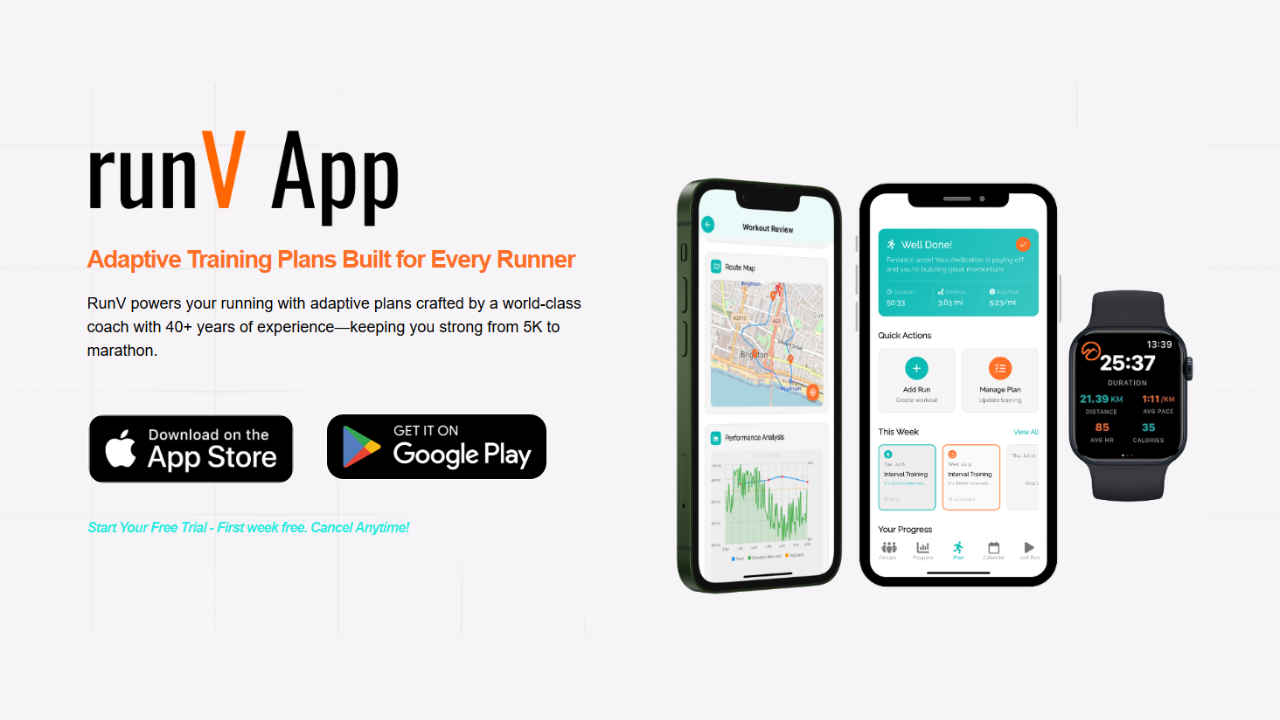
For example, an AI Dynamic Plan can adapt your upcoming sessions based on performance, fatigue, and life stress—one of the smartest ways to prevent overtraining and support optimal recovery.
—
Secret 7 – Training Structure: Use Data to Recover Faster
Even perfect sleep and nutrition won’t save you from a badly structured plan. To Recover Faster: Proven Powerful training systems always emphasize the balance between stress and rest. How you organize your week and month largely determines how fresh you feel.
Not Every Run Should Be Hard
A common mistake: turning “easy” runs into medium‑hard runs. This blurs the line between workouts and recovery, leaving you perpetually tired but never truly improving.
Guidelines:
- 80–90% of your weekly mileage should be easy, conversational pace.
- 10–20% should be quality work: intervals, tempo, hill sprints, races.
If you can’t say a full sentence without gasping on an “easy” run, slow down.
Weekly Structure That Supports Recovery
Here’s a simple framework for many runners (adapt as needed):
- Two quality days: One interval/hill day, one tempo or progression run.
- One longer run: Usually at easy pace, sometimes with moderate segments.
- The rest easy: Easy mileage, cross‑training, or full rest days.
Separate hard sessions with at least one easy or rest day whenever possible.
Recovery Weeks and Deloading
You can’t just increase mileage forever. Build in easier weeks every 3–5 weeks:
- Reduce total volume by 15–30%.
- Keep intensity, but reduce the number of intervals or length of tempo.
- Use the extra time for mobility, sleep, and mental reset.
These weeks are where your body “catches up” and locks in gains.
Listening to Your Data—and Your Body
Use both subjective and objective signals:
- Subjective: How do your legs feel? How’s your motivation? Are you unusually irritable?
- Objective: Resting heart rate trending higher, HRV dropping, pace feeling harder at the same heart rate.
If several of these signs line up, adjust. Drop a quality session, substitute cross‑training, or take a full rest day. This is how smart runners turn data into a Recover Faster: Proven Powerful training edge.
—
Are You Under‑Recovered? Key Warning Signs
Fast recovery isn’t just what you add; it’s also what you notice early. Spotting under‑recovery can save you from weeks of plateau or injury.
Watch for:
- Persistent heavy legs for more than 4–5 days in a row.
- Declining pace at the same effort on easy runs.
- Worsening sleep despite feeling constantly tired.
- Frequent colds, niggles, or low‑level illnesses.
- Loss of motivation, irritability, or feeling “flat.”
If several are present for more than a week, take action:
- Cut volume by 30–50% for a few days.
- Remove hard sessions temporarily.
- Prioritize sleep, fueling, and hydration aggressively.
Sometimes the bravest and most “elite” decision you can make is to rest.
—
Building a Weekly “Recovery‑First” Running Schedule
To see how this works in practice, here’s an example of a recovery‑smart week for an intermediate runner (training 5 days, aiming at a 10K or half marathon).
Example Week
- Monday – Easy + Mobility
40 minutes easy run + 10 minutes mobility and light stretching. - Tuesday – Quality Session
Warm‑up 15 minutes, drills + strides.
Main set: 5 × 4 minutes at 10K effort with 2 minutes easy jog.
Cool‑down 10–15 minutes easy + 5 minutes stretching. - Wednesday – Recovery Day
30–40 minutes very easy run or cross‑training (bike, swim).
Focus on hydration, nutrition, and evening wind‑down. - Thursday – Tempo or Progression Run
Warm‑up 15 minutes easy.
Main set: 20 minutes comfortably hard (around half‑marathon effort).
Cool‑down 10–15 minutes + short foam rolling session. - Friday – Rest or Optional Easy
Full rest or 30 minutes easy; 10–15 minutes of gentle mobility and core. - Saturday – Long Run
70–90 minutes easy; last 10–15 minutes still controlled, not racing.
Post‑run: carb‑rich meal, electrolytes, maybe short nap. - Sunday – Easy Shake‑Out
30–40 minutes easy + calf, hip, and foot mobility session.
Overlay all seven secrets on this week: cool‑downs, fueling, hydration, sleep, mobility, smart gear, and data‑driven adjustments. That’s how you build a sustainable, Recover Faster: Proven Powerful routine.
—
Frequently Asked Recovery Questions
How sore is “too sore” after a hard session?
Mild to moderate soreness for 24–48 hours is normal, especially after hills, intervals, or new training volumes. If soreness:
- Lasts more than 3–4 days,
- Is sharp or localized, or
- Makes you limp or significantly change your stride,
then treat it like a potential injury. Reduce load, cross‑train, and consider professional assessment.
Should I run when I’m sore?
Light soreness can often improve with easy running, as long as you maintain your normal form and it doesn’t worsen as you go. If pain changes your gait or increases with time on feet, stop and switch to rest or low‑impact cross‑training.
Are ice baths necessary to recover faster?
Cold water immersion may reduce soreness and perceived fatigue, especially in hot environments or during multi‑day events. However, frequent, aggressive cooling immediately after every strength or high‑intensity session may slightly blunt some adaptations.
Occasional use is fine, but don’t rely on ice baths as your primary recovery tool.
Is stretching mandatory after every run?
Not mandatory, but helpful. Even 5–8 minutes post‑run can maintain flexibility and reduce tension. What matters more is total weekly mobility and movement variety rather than one perfect stretching session.
Can I stack strength training on run days?
Yes, and it can actually improve recovery by leaving other days lighter. Common strategies:
- Hard run in the morning, strength in the afternoon or evening.
- Easy run + strength in the same block (run first, strength second).
Avoid going heavy on legs the day before your key workouts or long runs unless your plan is specifically built for that.
What’s the fastest way to get better at recovery?
Focus on the fundamentals before gadgets:
- Sleep 30–60 minutes more per night.
- Fuel properly after sessions (carb + protein).
- Run easy days truly easy.
- Use simple, consistent mobility and self‑massage.
Once these are automatic, tech and special tools can add small extra gains.
—
Key Takeaways: Turn Recovery into Performance
Recovery is not downtime—it’s your primary adaptation engine. When you structure your days and weeks around how to Recover Faster: Proven Powerful strategies, the benefits compound:
- You feel fresher for quality sessions.
- You handle more training with less injury risk.
- Your race performances better reflect your actual fitness.
To put this into practice:
- Start with what happens right after your runs: cool‑down, fueling, hydration.
- Protect your nights: build simple sleep routines and a recovery‑friendly environment.
- Layer in mobility, self‑massage, and sensible use of recovery gear.
- Use your data and plan structure to adjust load before fatigue wins.
If you want more structured ideas on blending training and recovery for races from 5K to marathon, explore the broader running and tech content on the Blog or see how an adaptive system like the AI Dynamic Plan can adjust your sessions as your body responds.
Train hard when it’s time to work. Recover harder when it’s time to adapt. That’s where lasting progress—and faster racing—really come from.