

If you’re dreaming about Your Next Chicago Marathon but missed the general lottery, you’re not out of luck—far from it. New numbers out of Chicago, London, and Berlin show how fast the World Marathon Majors are filling, and why charity entries, para programs, and smart planning are becoming non‑negotiable for serious runners.
This running news blog pulls together the latest developments from the past week and shows what they mean for your training, your race‑day strategy, and your best shot at a bib in Chicago and beyond.
Table of Contents
- Chicago Smashes Charity Record: What It Means for Your Next Chicago Marathon
- New Para Athletics Prize Money: A New Era for Chicago
- London Marathon’s 1.13 Million Applications: When the Ballot Becomes a Long Shot
- Berlin’s 80,000 Participants: Scale, Diversity, and Strategy
- How These Trends Should Change Your Training and Race Calendar
- RunV Tips & Tools to Prepare for Your Next Chicago Marathon
- Conclusion & Call to Action
Chicago Smashes Charity Record: What It Means for Your Next Chicago Marathon
Record-Breaking $47.1 Million Raised
The Bank of America Chicago Marathon has announced a record: participants in the 2025 race raised an incredible $47.1 million for charity. That’s $11 million more than the previous year and the latest proof that this race is no longer just a PR factory—it’s a fundraising powerhouse.
This jump isn’t a small incremental gain. It signals a structural shift in how the race is populated, promoted, and experienced. Runners are no longer just chasing times in Chicago; they’re chasing impact.
One-Third of the Field via Charity in 2026
For Your Next Chicago Marathon in 2026, roughly one-third of the projected 55,000‑person field is expected to run on official charity entries. That means close to 18,000+ bibs will be held specifically for runners who commit to fundraising.
With general entry sold out and demand rising, the charity lane is no longer a “backup plan.” It’s a primary access route—and in some cases, your only realistic shot at toeing the line on Columbus Drive.
Why Charity Is Now a Front-Door Entry Option
Several forces are converging to make charity entries more central than ever:
- Growing demand for major-marathon experiences, especially flat, fast courses like Chicago.
- Limited field sizes for safety, logistics, and city permitting.
- Charity partnerships that align with sponsor goals and city priorities.
For runners, this means Your Next Chicago Marathon plan should start with an honest question: “Am I willing to fundraise?” If yes, your probability of getting in goes up dramatically.
How Charity Entry Works in Practice
Most Chicago charity programs follow similar patterns:
- Minimum fundraising commitments, often $1,250–$2,000+ (higher for international runners).
- Team support: training groups, coaches, and fundraising toolkits.
- Perks like race‑day tents, private gear check, and team meet‑ups.
If Your Next Chicago Marathon is through a charity slot, think of it as a dual commitment: training and fundraising. Both need structure and a timeline.
Strategic Timing: Charity Spots Are “Available but Filling Fast”
Organizers have confirmed that charity entries for 2026 are still open but filling quickly. Historically, the most popular charities (major health foundations, local hospitals, global NGOs) reach capacity first.
If Chicago is on your 2026 bucket list, this is not something to “revisit later.” Treat it like a registration deadline. Choose your cause, apply, and lock your spot before you ramp your training.
RunV Tip: Build Your Training Around Your Commitment
Once you secure a spot for Your Next Chicago Marathon, you’ll want a plan that respects your real life—work, family, and fundraising events. This is where an adaptive, data‑driven schedule helps you avoid burnout.
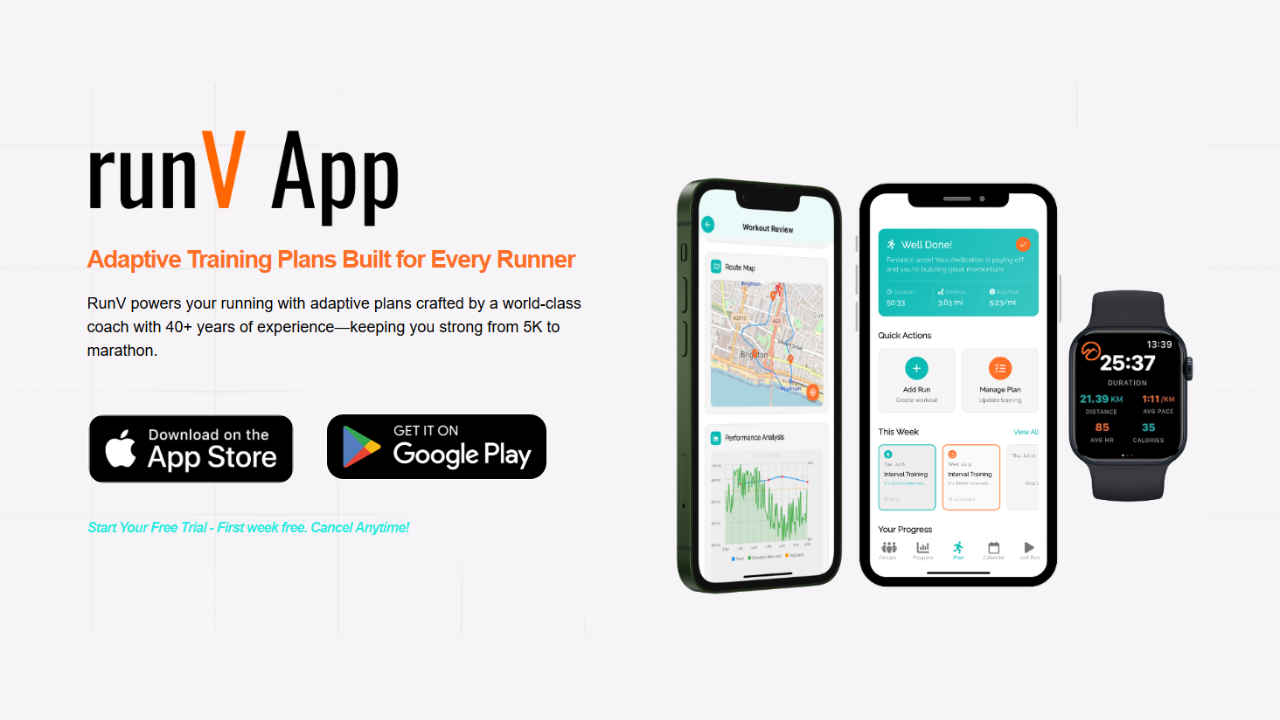
Consider using an AI Dynamic Plan that adjusts around fatigue and missed sessions. When fundraising demands your evenings, your training should flex without derailing your build‑up.
New Para Athletics Prize Money: A New Era for Chicago
Para Athletics Program to Offer Prize Money in 2026
Chicago has also announced another landmark change: starting in 2026, its Para Athletics Program will offer prize money. This shifts the race from participation‑focused inclusion to true professional recognition for Para athletes.
It’s more than a symbolic gesture—it’s a concrete step toward parity. Prize money means athletes can justify travel, coaching, and support teams with clearer returns.
Wheelchair Division Prize Purse Surpasses $1 Million
Alongside the new Para prize money, Chicago will increase the professional wheelchair division prize purse to over $1 million cumulatively. That puts the race at the front of the pack in terms of financial support for wheelchair competitors.
For elite wheelchair athletes, Your Next Chicago Marathon is now not just a fast course—it’s one of the most financially viable stops on the global circuit.
Why This Matters for Everyday Runners
Even if you’re not a Para or wheelchair athlete, this announcement shapes Your Next Chicago Marathon experience in several ways:
- Deeper elite fields increase the race’s prestige and atmosphere.
- More media coverage draws broader attention and support to the event.
- Greater inclusivity reinforces Chicago’s reputation as a marathon for everyone.
Expect more structured wave starts, refined course logistics, and possibly new viewing areas or broadcast features highlighting Para and wheelchair competitors.
Training and Gear Considerations for an Inclusive Major
If you’ll be sharing the course with larger numbers of wheelchair and Para athletes, think about race‑day etiquette:
- Know your assigned corral and respect start waves.
- Stay predictable in your line, especially around aid stations and tight turns.
- Avoid sudden lane changes that could interfere with faster athletes.
Equipment matters here too. Reliable shoes, hydration strategies, and tech can keep you relaxed and aware in a crowded, multi‑ability race. If you’re upgrading footwear before Your Next Chicago Marathon block, guides like The Best Hoka Running Shoes in 2025 can help you match shoe choice to pace goals and biomechanics.
London Marathon’s 1.13 Million Applications: When the Ballot Becomes a Long Shot
1,133,813 Applications for 2026
The 2026 TCS London Marathon public ballot drew 1,133,813 applications—a 36% jump from 2025 and a new world record. That eclipses the previous record of 840,318, and it does more than generate headlines—it changes the math for anyone hoping to run London. (Official training plan)
Your odds in the ballot, while not officially published, are shrinking as demand explodes and the field size remains constrained.
Balanced Gender Split and Non-Binary Inclusion
Of the applicants:
- 49.87% are male.
- 49.55% are female.
- 0.58% are non‑binary.
This near 50/50 gender split, plus explicit non‑binary recognition, shows how quickly major marathons are diversifying. It mirrors the broader participation patterns you’ll see not only in London but increasingly in Your Next Chicago Marathon field as well.
Overseas Demand: 264,011 International Applications
London drew 264,011 applications from outside the UK. That’s more than the entire field of some marathons. It also means that for many global runners, the odds of getting both London and Chicago in the same cycle are slimmer than ever via lotteries alone.
This is where strategic sequencing comes in: you might plan London as a “moonshot” ballot target, while treating Your Next Chicago Marathon as the more controllable goal via charity or time qualification.
Why Charity and Tour Operators Matter More Than Ever
With over 1.1 million applicants chasing a limited number of spots, London’s public ballot is effectively a raffle. For runners who absolutely want to be on the start line, two alternate routes become critical:
- Official charity places with defined fundraising minimums.
- Licensed tour operators bundling travel, lodging, and guaranteed bibs.
This mirrors the Chicago trend: Your Next Chicago Marathon might realistically begin not with the lottery page, but with a charity application or travel package.
Berlin’s 80,000 Participants: Scale, Diversity, and Strategy
Berlin’s Massive Multisport Field
The 2025 BMW Berlin‑Marathon expects nearly 80,000 participants across its event categories—including runners, wheelchair athletes, handcyclists, and skaters—from 160 nations. Of those, 55,146 are runners.
That puts Berlin alongside Chicago as one of the world’s giant city marathons, with a truly global field and complexity that rivals any sporting event on the planet.
Demographic Snapshot: Who Runs Berlin?
Berlin’s organizers report:
- Average runner age between 41 and 45.
- 64% male, 35% female, 0.1% non‑binary.
This data helps anchor your expectations. You’re not just running with 20‑somethings chasing Olympic Trials qualifiers; you’re sharing the road with a global, midlife‑heavy cohort balancing careers, families, and serious training.
What Berlin’s Scale Tells You About Chicago
Berlin and Chicago often attract the same type of runner: time‑oriented athletes hunting majors, personal bests, or both. When 55,000+ runners line up in Berlin, and 55,000 are projected for Your Next Chicago Marathon, a few core realities emerge:
- Early registration or charity action is crucial.
- Course congestion planning—corrals, pacing, and starting position—matters more.
- Logistics (travel, hotels, gear shipping) need to be locked in months ahead.
If you’re building a multi‑major calendar, you’ll want to understand how Chicago, Berlin, and London are all tightening their gates. That’s not just a story for elites—it’s a planning problem for every marathon‑capable runner.
How These Trends Should Change Your Training and Race Calendar
1. Treat Entry Strategy as Part of Your Training Plan
Securing a bib is now as strategic as hitting your tempo runs. For Your Next Chicago Marathon, ask:
- Will you pursue a time qualifier, lottery, or charity entry?
- What’s your backup race if you don’t get in?
- How does that influence your training peak and taper window?
Many runners now plan a “Plan A/Plan B” season: Chicago as the anchor goal, with a smaller regional marathon or half as a secondary target if entry falls through.
2. Understand That Fundraising Adds a Second Load
Charity running is a powerful motivator—but fundraising takes time and emotional energy. It’s another stressor layered onto training.
When planning Your Next Chicago Marathon through a charity, build a realistic calendar: (CARA summer marathon training)
- Map big fundraising pushes outside of key long‑run weeks where possible.
- Use quieter training weeks to organize events or corporate support.
- Lean on your charity’s templates, scripts, and community connections.
3. Train for Crowds, Not Just Distance
In races like Chicago and Berlin with 50,000+ runners, the race rarely unfolds like your solo long runs. For Your Next Chicago Marathon, practice:
- Running at goal pace in busy paths or group runs.
- Taking water from the side while maintaining your line.
- Surging and settling when the pack compresses or opens.
This kind of race‑specific prep can easily mean a 1–3 minute swing in finishing time purely from smarter navigation.
4. Plan Recovery Like a Pro
Racing majors is taxing—not just the 26.2 miles, but the travel, crowds, and logistics. If Your Next Chicago Marathon is part of a bigger season (e.g., Berlin in September, Chicago in October), recovery becomes your secret weapon.
Use evidence‑based recovery practices—sleep prioritization, smart strength work, and session design that respects fatigue. For deeper guidance, see How to Recover Faster: 7 Proven Powerful Session Secrets, which breaks down ways to maintain performance while protecting your long‑term health.
RunV Tips & Tools to Prepare for Your Next Chicago Marathon
Build a Smart Marathon Block Around Your Life
Once Your Next Chicago Marathon spot is locked—via charity, lottery, or qualification—your next challenge is stitching training into your real schedule. This is where personalized structure beats generic plans.
A well‑designed marathon block will:
- Progressively build long runs and race‑pace efforts.
- Include down‑weeks to absorb training and manage stress.
- Adapt when work, family, or health issues intervene.
If you want race‑specific guidance for majors like Chicago and Berlin, the Marathon planning resources at RunV are designed to connect your actual schedule, fitness level, and goal time with a realistic, evidence‑driven path to race day.
Use Data, But Don’t Be Ruled by It
As majors get more competitive, runners lean harder on GPS watches, HRV scores, and power data. These are useful—but tools, not masters. Especially in a big‑city marathon environment filled with tall buildings and tunnels, GPS and pace data can get noisy.
Train yourself to run by effort and context as much as by your watch. Understand when to ignore a sudden pace spike from satellite drift and when to trust your body instead.
Gear Up Strategically, Not Impulsively
With record fields and longer days on your feet, equipment matters more. For Your Next Chicago Marathon, think in terms of systems, not just purchases:
- Shoes for race day, rotated with a daily trainer.
- Layering strategy for variable Chicago weather, especially if you’re building through winter (use guides like How to Upgrade Your Winter Run Kit Right Now for targeted ideas).
- Nutrition and hydration you’ve tested in training, not just on race week.
The goal is a kit that you don’t have to think about at mile 20, because you already know how everything behaves under fatigue.
Leverage Education and Community
The major‑marathon landscape is changing fast—more applicants, more charity integration, and more inclusive prize structures. Staying informed will make Your Next Chicago Marathon experience smoother and less stressful.
Bookmark the RunV Blog for ongoing coverage of the World Marathon Majors, training science breakdowns, and tactical guides for everything from 5K speed to marathon pacing.
Conclusion: Your Next Chicago Marathon Starts Now
In just a few days of news, we’ve seen a clear picture emerge:
- Chicago is breaking fundraising records and deepening its charity and Para commitments.
- London’s ballot is more oversubscribed than ever with over 1.13 million applications.
- Berlin continues to scale as a global, 80,000‑participant mega‑event.
The era of casually “trying the lottery” and hoping it works out is fading. Your Next Chicago Marathon, and any World Marathon Major you’re targeting, now demands a proactive strategy—choosing entry paths, planning training around real life, and understanding how inclusivity and scale are reshaping race‑day reality.
If Chicago is your dream, the most important move is your next one: secure your entry, map your training window, and commit to the habits that will get you to Grant Park healthy and ready.
When you’re ready to turn that intention into a concrete plan, explore RunV’s coaching tools and marathon resources, and start building the version of Your Next Chicago Marathon that actually happens—not just the one you scroll past on race‑day highlight reels.