

Running with others can be the best part of your week—or the thing that quietly ruins your training. Learning how to Balance Powerful, Proven Group habits with your own goals is what separates steady progress from burnout, injury, or constant frustration.
Group runs can sharpen your fitness, push your pace, and keep you accountable. They can also tempt you into racing every Tuesday night, chasing pace you’re not ready for, and ignoring your own plan. The difference isn’t the group; it’s how you manage your ego inside the group.
This article dives into exactly how to do that—practically, step-by-step.
—
Table of Contents
- Why Ego Matters on Group Runs
- Understanding Ego in Training: Friend and Enemy
- Tip 1 – Set Your “North Star” Goal Before Every Group Run
- Tip 2 – Use Pace, Effort, and Tech to Balance Powerful, Proven Group Runs
- Tip 3 – Learn When to Lead, When to Sit In, and When to Let Go
- Tip 4 – Build a Group Culture that Balances Powerful, Proven Group Outcomes
- Tip 5 – Use Data to Keep Your Ego in Check
- Tip 6 – Align Group Runs with Your Training Block
- Tip 7 – Use Gear, Apps, and Coaches to Support Ego-Free Progress
- Putting It All Together: A Sample Week of Ego-Balanced Group Running
- Final Thoughts
—
Why Ego Matters on Group Runs
Ego isn’t just arrogance. In running, ego is that inner voice saying:
– “Don’t let them drop you.”
– “If they can hold this pace, you can too.”
– “You should be faster than this.”
On group runs, ego gets amplified. Other runners’ breathing, footstrike, watches beeping, and casual trash talk can push you into racing when you should be recovering.
This is why learning to Balance Powerful, Proven Group habits with your individual training plan is critical. Ego is the bridge between fun, productive group work—and overtraining, injury, or plateau.
Well-managed ego helps you use the group as a tool. Poorly managed ego turns the group into a trap.
—
Understanding Ego in Training: Friend and Enemy
Ego isn’t all bad. It fuels ambition, consistency, and commitment. It’s what gets you out of bed on dark mornings so you don’t get dropped in next month’s tempo.
But in training science, ego often pushes effort beyond what your body can adapt to. The key is this:
– Good ego: Helps you show up, work hard when appropriate, and stretch your comfort zone.
– Bad ego: Makes you ignore fatigue, pain, and the purpose of the workout.
On a group run, bad ego looks like:
– Turning every easy run into a tempo.
– Racing someone up the final hill “for fun.”
– Ignoring planned walk breaks or recovery intervals.
– Letting pace, not effort, control the run—just to keep up.
Your job isn’t to “kill” ego, but to channel it. The seven tips below are designed to help you Balance Powerful, Proven Group strategies so you stay competitive and smart at the same time.
—
Tip 1 – Set Your “North Star” Goal Before Every Group Run
Why a Clear Goal Tames Ego
Ego thrives in ambiguity. If you show up to a group run with no defined purpose, the default goal becomes: “Don’t get dropped.” That’s how an intended easy day becomes a semi-race.
Instead, decide one clear goal before you lace up. Ask:
– What is the purpose of today’s run?
– How should I feel in the last 10–15 minutes?
– What would a successful run look like—independent of everyone else?
Examples:
– “Today is recovery: conversational pace the whole time.”
– “Today is a steady aerobic run: comfortable but focused.”
– “Today is threshold intervals: I’ll stick exactly to prescribed paces.”
When your goal is defined, you can assess every mid-run decision against it. That alone helps you Balance Powerful, Proven Group pressures with your long-term progression.
Write It Down or Log It
You’d be surprised how much more seriously you take a goal when it’s written.
Before leaving home, jot a one-line plan in your training log or app:
– “45–60 min easy; no faster than X:XX/km.”
– “Include 6 x 1 min strides; full recovery jog.”
Later, when your watch buzzes or the pace creeps up, you’re not debating in the moment. You already have a contract with yourself.
—
Tip 2 – Use Pace, Effort, and Tech to Balance Powerful, Proven Group Runs
Don’t Let One Metric Control the Run
Most group-run ego battles happen around pace. Someone up front nudges from 5:30/km to 5:10/km, and suddenly everyone is hanging on.
To truly Balance Powerful, Proven Group training, you need multiple anchors:
– Pace: Useful, but context-dependent (terrain, heat, wind).
– Perceived effort (RPE): How hard it feels on a 1–10 scale.
– Heart rate: Helps cap easy days and protective aerobic work.
– Power (if you use a Stryd or similar): Great for hills or variable terrain.
Your body responds to effort and stress, not the number on your watch. A “slow” but extremely hilly group run might be harder than a faster flat run.
Set Personal Effort Boundaries
Before the run, decide:
– “Easy day: I won’t go above 4/10 effort or Z2 heart rate.”
– “Long run: Mostly Z2, with maybe short Z3 segments on hills.”
– “Quality day: Intervals in Z4, but full Z1–Z2 recoveries.”
Then, mid-run, do quick check-ins:
– Can I talk in full sentences?
– Is my breathing controlled?
– Is my heart rate under my easy cap?
If the group pace doesn’t match your boundaries, you adjust your effort, not your ego.
Leverage Tech—But Don’t Be Ruled by It
Modern wearables and apps make this easier, especially if you configure them around your own plan, not the group’s mood.
Set up:
– Easy-run HR alerts: So you get a gentle buzz when ego creeps in.
– Workout screens for intervals: So you stick to your plan when others improvise.
– Auto-laps: To spot creeping pace from kilometer to kilometer.
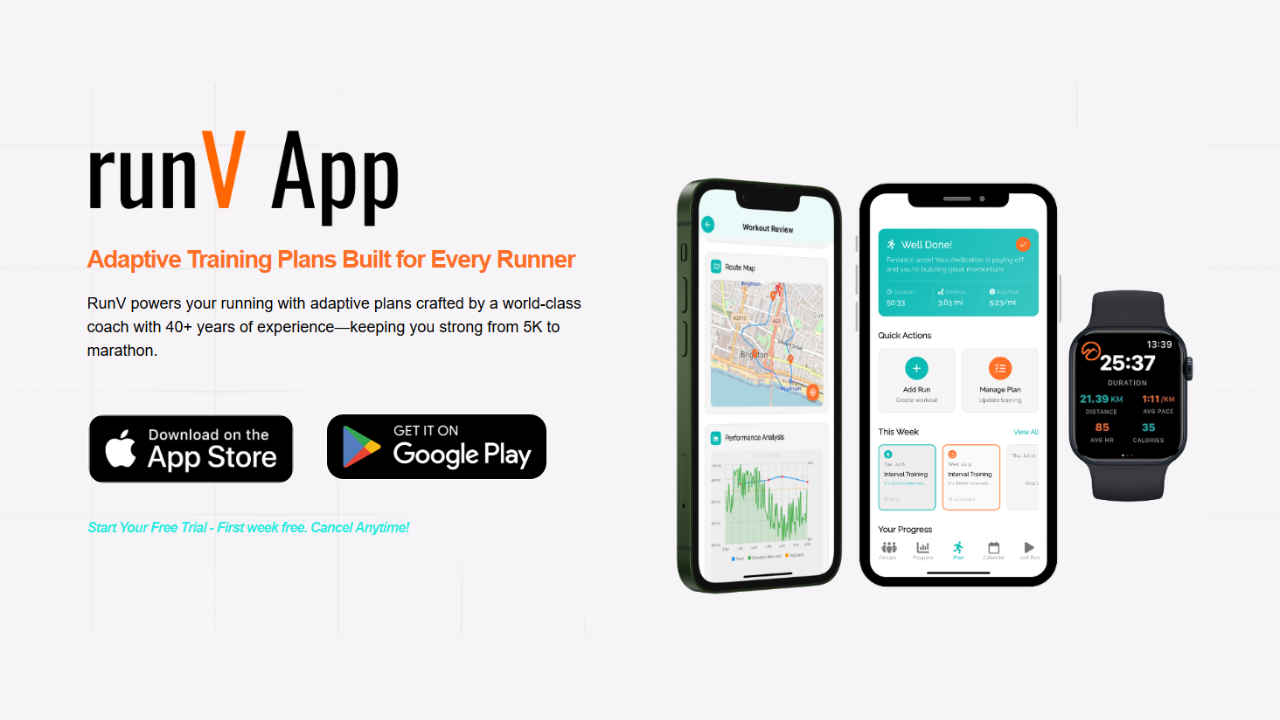
If you’re serious about structure, consider using adaptive or dynamic plans that respond to how your group runs actually go. Smart tools like an AI Dynamic Plan can help adjust future sessions based on overcooked group efforts or missed intensities, so one wild tempo doesn’t wreck your training block.
—
Tip 3 – Learn When to Lead, When to Sit In, and When to Let Go
When to Lead
Sometimes, you’re the pace-setter. That doesn’t mean you must be the fastest; it means you protect the purpose of the run.
Lead when:
– The group agreed on a specific pace or workout.
– You’re confident with pacing and self-control.
– Others tend to surge or race mid-run.
Leading with discipline is a skill. You model how to Balance Powerful, Proven Group focus—smooth starts, steady mids, controlled finishes.
When to Sit In
On other days, your ego needs to be quiet. You might intentionally tuck into the middle or back:
– On recovery days where you don’t trust yourself up front.
– When you’re tired, injured, or in a heavy training block.
– When the group is slightly faster but you want some social time.
Use this position to stay relaxed. Let the front-runners do their thing while you run your own effort. You can still benefit from the camaraderie without matching every surge.
When to Let the Group Go
This is the hardest—and most important—ego skill.
You must be willing to:
– Drop back and finish alone.
– Take a shortcut or cut the run short.
– Start the cooldown while others hammer a final sprint.
Signals it’s time to let go:
– You’re above your planned effort for more than a few minutes.
– Your form is breaking down.
– You feel a familiar, niggling pain intensifying.
– You’re losing contact with your breath and focus.
Letting go is not weakness—it’s a high-level training decision. It protects you for the next workout that actually matters.
—
Tip 4 – Build a Group Culture that Balances Powerful, Proven Group Outcomes
Talk About Purpose Before the Run Starts
Nothing keeps ego in check better than a group expectation. Two minutes at the start sets the whole tone:
– “This is truly easy. If it starts to feel too hard, speak up.”
– “We’ll warm up together, then break into pace groups.”
– “Last 10 minutes are cooldown—no sprints to the car.”
You don’t need a formal meeting. Just a quick, clear statement. Over time, this builds a culture where it’s normal to discuss purpose, not just pace.
Use Multiple Pace Groups
If you’ve ever tried to run a single large group at one “middle” pace, you know how it goes: too fast for some, too slow for others, ego all around.
Instead, break into:
– Recovery group(s).
– Steady-state or aerobic group(s).
– Workout group(s) for tempos or intervals.
Encourage runners to choose based on training needs, not identity. Someone who usually leads a faster group might join the easy group after a race. This flexibility reinforces that smart training, not hierarchy, is the goal.
Make Dropping Back Normal
If “getting dropped” feels like public failure, people will push too hard to avoid it. Change the language:
– “I’m going to dial it back to protect my long run this weekend.”
– “I’ve hit my effort cap—going to finish in Z2.”
– “I’m good here; you all can roll on.”
When more experienced runners model this, newer runners learn that self-regulation is what serious athletes do.
—
Tip 5 – Use Data to Keep Your Ego in Check
Honest Post-Run Review
Right after a group run, your ego will try to reframe what happened:
– “It wasn’t that hard.”
– “That pace was fine for easy.”
– “I needed to test myself.”
Data helps cut through that. After you upload your run, look at:
– Heart rate relative to your zones.
– Pace vs terrain and temperature.
– Cadence and form metrics if your watch tracks them.
– How the intensity compares to the rest of the week.
If your “easy” group run has the same HR as last week’s tempo, you’ve got a problem.
Look for Overtraining Patterns
Ego doesn’t usually break you in one run—it wears you down over weeks.
Watch for:
– “Easy” days trending faster and more stressful.
– Resting heart rate creeping higher.
– Sleep quality dropping.
– Increased soreness or niggles.
Resources on overuse and stress injuries can be invaluable here. If you suspect ego-driven overtraining, it’s worth reading material like Understanding Overuse Injuries in 7 Powerful, Proven Ways to see how chronically mismanaged effort on group runs contributes to breakdown.
Use Data to Validate Smart Choices
Your ego hates backing off mid-run. Combat that by celebrating the decision afterward.
If you dropped back to keep your HR in Z2, and the next day’s workout felt smooth, connect the dots:
– “Because I respected yesterday’s cap, I crushed today’s intervals.”
– “Because I skipped the final surge, my knee didn’t flare.”
Over time, your brain starts associating ego-checking with progress—not with missing out.
—
Tip 6 – Align Group Runs with Your Training Block
Know Where You Are in Your Season
The same group run can be perfect in one phase and destructive in another.
Think in blocks:
– Base phase: Group runs mostly aerobic; workouts moderate.
– Build/peak phase: Some harder group sessions; careful with extras.
– Taper: Group runs stay short and controlled; no surprise races.
– Post-race / comeback: Group runs slow and easy, often shorter.
If your group is peaking but you’re rebuilding, you can’t copy their intensity without consequences. That’s where your ego needs to stay attached to your own calendar, not theirs.
Choose the Right Group Run for the Right Day
Most training weeks have:
– 1–2 quality workouts.
– 1 long run.
– Multiple easy or recovery runs.
Align your group choices:
– Join the group workout that matches your plan.
– Turn a social run into an easy day.
– Do long runs with others only if the pace and terrain fit your goals.
If the group’s weekly tempo is one day before your scheduled race or key long run, it might not be your day to chase them.
Adjust Group Intensity Close to Races
Big events magnify ego. As race day approaches, there’s a temptation to prove fitness in group workouts: “If I can nail this group tempo, I’ll be ready.”
That thinking often backfires.
Instead:
– Keep group workouts slightly conservative.
– Defer to your taper plan, even if others are still pushing big sessions.
– Communicate ahead: “I’m tapering; I’ll sit in the easy group today.”
If you’re dialing in your taper and want extra structure around when to push and when to back off, guides like How to Adjust Taper: 5 Proven, Powerful Peak Gains Tips can help you fine-tune the balance between enough group intensity and not too much.
—
Tip 7 – Use Gear, Apps, and Coaches to Support Ego-Free Progress
Let Tech Enforce the Rules You Set
Your watch and apps aren’t just for bragging rights or pretty maps—they can be ego’s guardrails.
Set up:
– Zone-based alerts: HR or power caps for easy days.
– Pace ranges: For workouts that need tight control.
– Structured workouts: Pre-program intervals so you’re not tempted to improvise when the group surges.
Many training platforms let you define your runs with exact zones and paces. When your wrist buzzes at you, that’s your cue that ego has taken the wheel.
Choose Gear that Serves Your Goals, Not Your Image
It’s easy to let ego show up through gear: racing flats on every run, carbon plates on casual group jogs, or ultra-aggressive shoes to “feel fast.”
Instead, align gear with purpose:
– Daily trainer for easy and steady runs.
– Lightweight tempo/interval shoe when the plan calls for speed.
– Racing shoe for actual races or key simulations.
If you’re gear-curious, use detailed reviews and buyer guides (like “How to Choose 2026’s Fastest Daily Trainer Now”) to make decisions based on biomechanics, durability, and training phase—not just what the fastest person in your group wears.
Consider External Guidance
A coach or structured plan acts as a neutral third party between you and your ego. When your plan clearly says:
– “60 min Z2, absolutely no faster.”
– “Stop intervals when form degrades, not when you ‘win.’”
…it’s easier to follow than if you’re making it up on the fly.
If you don’t have a coach, smart tools and curated advice can fill part of that gap. Comparing how different plans structure group vs solo workouts—as in What You Actually Get: 7 Powerful, Proven Premium Running Apps—can help you choose guidance that supports, rather than fights, your ego-balancing strategy.
—
Putting It All Together: A Sample Week of Ego-Balanced Group Running
To see how all this works in practice, here’s a sample week for an intermediate runner training for a half marathon, with 2–3 group runs.
Assumptions:
– Goal: Improve half marathon time.
– Weekly volume: 50–60 km.
– Training age: 2–4 years of consistent running.
Monday – Solo Recovery (Ego Off)
– 40–50 min very easy, Z1–Z2.
– No group today—protecting recovery from Sunday’s long run.
– Focus on relaxed form, deep breathing, and soft footstrike.
– Goal: Start the week fresh, not behind.
Tuesday – Group Intervals (Controlled Ego On)
– Group track session: 6 × 1 km at ~threshold with 2–3 min recovery.
– You arrive with a clear plan: your target pace range.
– You let faster runners go if they’re outside your zone.
– Watch is programmed with the workout; you obey its beeps, not the pack’s surges.
Balance Powerful, Proven Group energy here by using others for motivation and drafting—but refusing to chase someone else’s PR pace.
Wednesday – Optional Group Easy Run (Social, But Smart)
– 45–60 min easy, conversational.
– You start by saying, “I’m truly easy today; feel free to go ahead.”
– HR cap set on your watch to avoid creeping intensity.
– If pace drifts too fast, you drop back or shorten the run.
Social benefit: high. Ego impact: low.
Thursday – Solo Medium-Long or Tempo
– 70–80 min with either:
– Steady Z2–low Z3, or
– Short tempo block (e.g., 20 min at threshold).
– You do this solo to tightly control effort.
– No external comparison—just you and your targets.
This is a key place where you choose structure over group adrenaline.
Friday – Optional Short Group Shakeout
– 30–40 min very easy, maybe some strides.
– If joining the group, you explicitly frame it: “I’m recovering today.”
– Everyone knows there’s a long run tomorrow, so pace stays honest.
If the group tends to get “spicy” on Fridays, you might skip it or run with the slowest subgroup.
Saturday – Group Long Run (Purpose-First)
– 90–120 min, mostly Z2.
– You choose a pace group that aligns with your aerobic goals.
– If some runners want to add late-run pickups, you decide in advance whether that fits your plan.
– You take extra care with fueling and hydration, not just speed.
This is where Balanced Powerful, Proven Group dynamics really shine: shared miles, shared focus, and smart pacing that benefits everyone.
Sunday – Rest or Very Easy Solo
– Full rest or 30–40 min easy.
– No group run, even if invited to an unplanned “fun” session.
– You use the day to reflect: Did ego help or hurt this week?
Review your data, your body, and your mood. Adjust next week’s group participation accordingly.
—
Final Thoughts
Ego won’t disappear from your group runs—and it shouldn’t. It’s part of what makes running passionate, competitive, and fun. The point isn’t to become indifferent; it’s to take control.
When you consciously Balance Powerful, Proven Group practices with your individual goals, you:
– Recover better between hard efforts.
– Reduce overuse and burnout risk.
– Show up fresher for the sessions that matter.
– Still enjoy the motivation and community that group running brings.
The real test isn’t whether you can hang on for one more kilometer at someone else’s pace. It’s whether, six months from now, you’re stronger, healthier, and closer to your own goals because you learned when to lean into the group—and when to step back.
Use your goals as your North Star, your tech as your guardrail, your data as your truth serum, and your group as a tool—not a master. That’s how you build a running life that’s both powerful and sustainable.