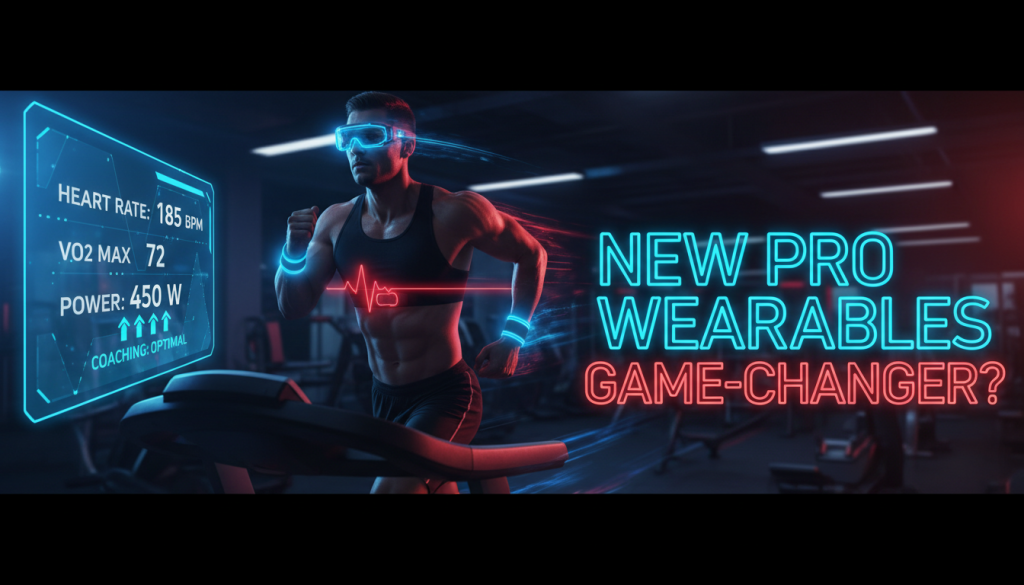
If you’ve glanced at running tech headlines lately, you might be asking a blunt question: are these new pro devices really “Wearables About Change Train?” Or are they just more shiny screens for your wrist?
In the last seven days, four big stories have dropped—Huawei teaming with Eliud Kipchoge, a leaked Garmin Cirqa recovery band, a key Garmin HRV fix, and Strava’s long-awaited Apple Watch route-following. Put together, they hint at a very specific trend: wearables shifting from basic tracking toward coaching-grade tools that shape how you build, pace, and recover from your training.
This running news blog breaks down what’s new, why it matters for real-world runners, and how to adjust your training decisions right now.
Table of Contents
- The Bigger Picture: Are Wearables About Change Train for Real?
- Huawei + Kipchoge: A New Pro-Level Running Watch?
- Garmin Cirqa Smart Band Leak: A Whoop-Style Recovery Play
- Garmin Beta 21.18: HRV Fixes That Actually Affect Your Training
- Strava’s Apple Watch Route-Following: Navigation Without the Hassle
- How to Choose Your Next Running Wearable in 2026
- Training Tips: Using New Wearables to Actually Get Faster
- Conclusion & Next Steps
The Bigger Picture: Are Wearables About Change Train for Real?
The phrase “Wearables About Change Train?” sounds clunky, but it captures a real shift. For years, watches and bands mostly answered “What did I do?”—pace, distance, steps, calories.
The 2026 wave is different. The four news stories this week are all about devices and updates that nudge your training decisions: when to push, when to back off, how to navigate new routes, and how to treat your recovery like a primary training input, not an afterthought.
If you’re eyeing a new marathon PR, stepping up to your first Half Marathon, or just trying to stay healthy while increasing mileage, these changes are less about gadgets and more about control over your own training stress.
Huawei + Kipchoge: A New Pro-Level Running Watch?
What Happened?
On January 28, 2026, T3 reported that Huawei is gearing up for a renewed push into performance running wearables. The brand is co-developing a new running-focused smartwatch with the dsm-firmenich Running Team led by marathon icon Eliud Kipchoge.
The watch doesn’t have a public name or launch date yet, but Huawei has teased:
- Advanced GPS, including its in-house Sunflower positioning system
- Next-gen physiological metrics tailored for serious running
- Direct input from one of the greatest marathoners in history
Why This Matters for Runners
Huawei stepping up matters for two reasons: accuracy and intent.
First, GPS precision has often been Huawei’s weak spot in head-to-head tests with Garmin and Polar. A dedicated performance watch built around Sunflower positioning suggests a direct attempt to fix that and court road and trail runners frustrated with route wobble.
Second, “co-developed with Kipchoge” isn’t just marketing glitter. When elite athletes lend their names to gear that actually affects their own training, they tend to demand:
- Highly accurate pace and distance, especially for tempo and marathon-pace workouts
- Stable heart rate during long runs and intervals
- Metrics that inform—not confuse—race-prep decisions
If this watch is serious, it will have to compete on the same ground where Garmin, Polar, and Coros have staked their reputations: reliable data and smart training insights.
How It Could Change Your Training
If Huawei nails the execution, here’s what could shift in how you train:
- Better GPS for pace discipline: More accurate instant pace on rolling terrain means you can hold marathon pace without constantly second-guessing erratic numbers.
- Improved training guidance: Huawei has already dabbled in AI-driven coaching. If Kipchoge’s team helps tune those algorithms, you may see more intelligent session suggestions and taper plans.
- Multi-ecosystem pressure: Garmin’s near-monopoly on the “serious runner” category could loosen, forcing everyone to step up battery life, metrics clarity, and training load guidance.
This raises the core question again: are these Wearables About Change Train decisions in a meaningful way, or just stacking features? The answer will depend on whether Huawei builds tools that adapt to your fatigue, goals, and race calendar instead of just logging your miles.
Who Should Watch This Watch?
Keep an eye on this if you:
- Run high mileage and care about route and pace precision
- Train for world majors—where precision pacing matters more than ever, as covered in World Major Marathons Are Exploding—and Runners Feel It
- Want an all-in-one device that offers deep physiological analysis without locking you into one ecosystem forever
Garmin Cirqa Smart Band Leak: A Whoop-Style Recovery Play
What Happened?
On January 27, 2026, TechRadar spotted (and screenshotted) a premature listing on Garmin’s own site for the Cirqa smart band. It’s a screenless wearable clearly aimed at the recovery-first niche that Whoop and Oura occupy.
Key leaked details:
- Screenless design—think strap, not smartwatch
- Two sizes, two colors: Black and French Gray
- Targeted mid-2026 release window
- No confirmed pricing yet
The listing vanished quickly, but the intent is obvious: a minimalist, 24/7 band more about readiness and recovery than on-wrist maps or pace fields.
Why Recovery is Suddenly Center Stage
Garmin already offers HRV status, training readiness, and body battery on its watches. So why a separate band?
- 24/7 wearability: Screenless bands are lighter, sleep-friendlier, and less intrusive than bulky watches.
- Dedicated recovery focus: It likely tracks HRV, sleep stages, and strain without the distraction of notifications or navigation.
- Ecosystem synergy: Imagine your Cirqa band feeding round-the-clock data into Garmin Connect, enhancing the training readiness scores on your primary watch.
For runners, this leans into the truth that recovery is not passive. It’s an active part of your training strategy. If your wearables really are Wearables About Change Train behavior, they need to make “rest” feel as deliberate as intervals.
How a Cirqa-Style Band Could Change Your Weekly Plan
If Garmin gets this right, a band like Cirqa could help you:
- Schedule intensity smarter: Use nightly HRV and sleep quality scores to decide if that Tuesday VO2 max session should stay on the calendar—or become a steady aerobic run.
- Prevent chronic fatigue: Long-term trends in recovery can expose overreaching before it becomes full-blown burnout or illness.
- Coordinate with adaptive plans: Pairing stronger recovery data with adaptive training plans (including AI-based ones) could mean smarter, more personalized workout prescriptions.
To get more from a recovery-focused band, pair it with education. Resources like Why Recovery Is a Powerful Training Tool: 5 Essential Facts explain how to interpret those “Readiness: 37/100” scores and turn them into specific training choices.
Should You Wait for Cirqa or Buy Now?
You might consider waiting if you: (AI wearables training)
- Already own a Garmin watch and want deeper, better 24/7 data without always wearing a big device in bed
- Have been tempted by Whoop but prefer a one-ecosystem setup
- Care more about recovery guidance than on-wrist maps or local music playback
If not, it might still be worth watching how Garmin positions Cirqa. The more seriously they treat recovery, the more likely their watches and apps will push training guidance that aligns with what science—and your legs—already know.
Garmin Beta 21.18: HRV Fixes That Actually Affect Your Training
What Happened?
On January 26, 2026, T3 reported that Garmin rolled out beta firmware 21.18 for its top-flight devices: Fenix, Epix, and Enduro series.
This update addresses:
- Erratic or crashing Heart Rate Variability (HRV) charts
- Stability issues with Garmin Messenger in long conversations
On paper, that sounds minor. In practice, stable HRV charts can have a major impact on how you decide to train week in and week out.
Why HRV Reliability Is a Big Deal
HRV measures the tiny variations between heartbeats. In aggregate, it reflects how your autonomic nervous system is balancing stress and recovery.
When your HRV data is stable and accurate over time, it can help you:
- Gauge accumulated training stress
- Spot early signs of overtraining, illness, or inadequate sleep
- Time your hardest sessions for days when your body is actually ready
But if charts are glitchy—spikes, crashes, or missing data—you’re left questioning every “low readiness” or “high stress” message your watch throws at you.
How the Update Changes Your Day-to-Day Decisions
For runners with compatible Garmin watches, this firmware makes your HRV-based metrics more trustworthy:
- Training Readiness becomes actionable: If your overnight HRV trends downward and readiness tanks, that’s a real signal, not a software misfire.
- Long-term trends are clearer: Month-over-month HRV charts help you see if your current cycle is sustainable.
- Integration with training load: You can better align your HRV trend with your training load and subjective feel.
This is another concrete example of Wearables About Change Train choices. HRV is only useful when it’s consistent. Garmin’s update makes it more likely you can trust “back off today” recommendations instead of overriding them every time.
Practical Tips for Using HRV in Your Running
- Look at trends, not single days: One bad night’s HRV doesn’t mean cancel your workout. Three to five off days in a row might.
- Pair HRV with how you feel: If HRV says “good” but your legs are heavy and mood is low, err on the side of caution.
- Use it to tune your cycles: Use HRV to support a 3-weeks-up, 1-week-down structure for half or full marathon training.
Strava’s Apple Watch Route-Following: Navigation Without the Hassle
What Happened?
Also on January 26, 2026, TechRadar reported that Strava finally added native route-following to its Apple Watch app. If you’re an Apple Watch runner, this is a big quality-of-life upgrade.
The new feature lets you:
- View saved Strava routes as map overlays on your watch
- Use Dark Mode maps directly during your run or ride
- Stay on course without needing third-party apps like WorkOutdoors
There are still limits: no breadcrumb trails, no dynamic rerouting, and no full-blown turn-by-turn navigation (yet). But it’s still a major step forward.
Why This Is a Game-Changer for Apple Watch Runners
Apple Watch has long had great hardware for casual runners but lacked native, runner-first navigation in Strava. That meant:
- Juggling multiple apps to follow a route
- Pulling out your phone mid-run to see if you were off course
- Relying on memory instead of a clean, wrist-based route view
The new feature changes that dynamic. It doesn’t just add a map—it lets the watch become your main device when exploring new neighborhoods, trails, or race rehearsal routes.
How It Can Change Your Training
For many runners, navigation is the missing puzzle piece between “I should run more trails or new routes” and actually doing it. With Strava’s route overlays on Apple Watch, you can:
- Build confidence on new routes: Long run in a new city? Load the route in Strava, sync, and go—no juggling your phone.
- Rehearse race courses: If a race publishes GPX files, you can approximate sections of the course in training.
- Reduce mental fatigue: Let your wrist manage “where,” while your mind focuses on “how hard.”
Navigation, in this sense, is yet another way Wearables About Change Train execution: less time looking for street signs, more time nailing pace and effort.
Limitations to Keep in Mind
- No automatic rerouting if you go off-course
- No breadcrumbs to show exactly where you’ve been
- Dependent on your phone and Apple Watch GPS combo
Still, for most runners—especially those already tied into Strava for analysis—this is the long-overdue feature that makes Apple Watch feel more like a “real” GPS running watch. (Wearables change exercise)
How to Choose Your Next Running Wearable in 2026
Start With Your Primary Goal
Before getting swept up in Cirqa leaks or Huawei hype, answer one question: what’s the number one job you want your device to do?
- Better race pacing & workouts? Look at GPS watches with strong interval and navigation features (Garmin, Coros, the upcoming Huawei).
- Recovery & fatigue management? Screenless bands like Cirqa or recovery-first wearables might fit better.
- Exploration & routes? Apple Watch + Strava routes or high-end Garmin with maps might be ideal.
The Wearables About Change Train discussion only matters if the device helps you take better daily actions toward that primary goal.
Key Features Runners Should Prioritize
- Reliable GPS: Especially for tempo and long runs, GPS stability is non-negotiable.
- HRV & readiness: Devices with stable HRV trends (post-Garmin 21.18 update, for example) give you a training edge.
- Navigation/Routes: Strava route-follow on Apple Watch, or full maps on premium Garmin models, can unlock safer, more varied training.
- Battery life: Particularly important for marathon or ultra preparation.
- Ecosystem fit: Make sure your watch, band, and apps sync in a way that doesn’t create more work for you.
Don’t Forget Training Content and Apps
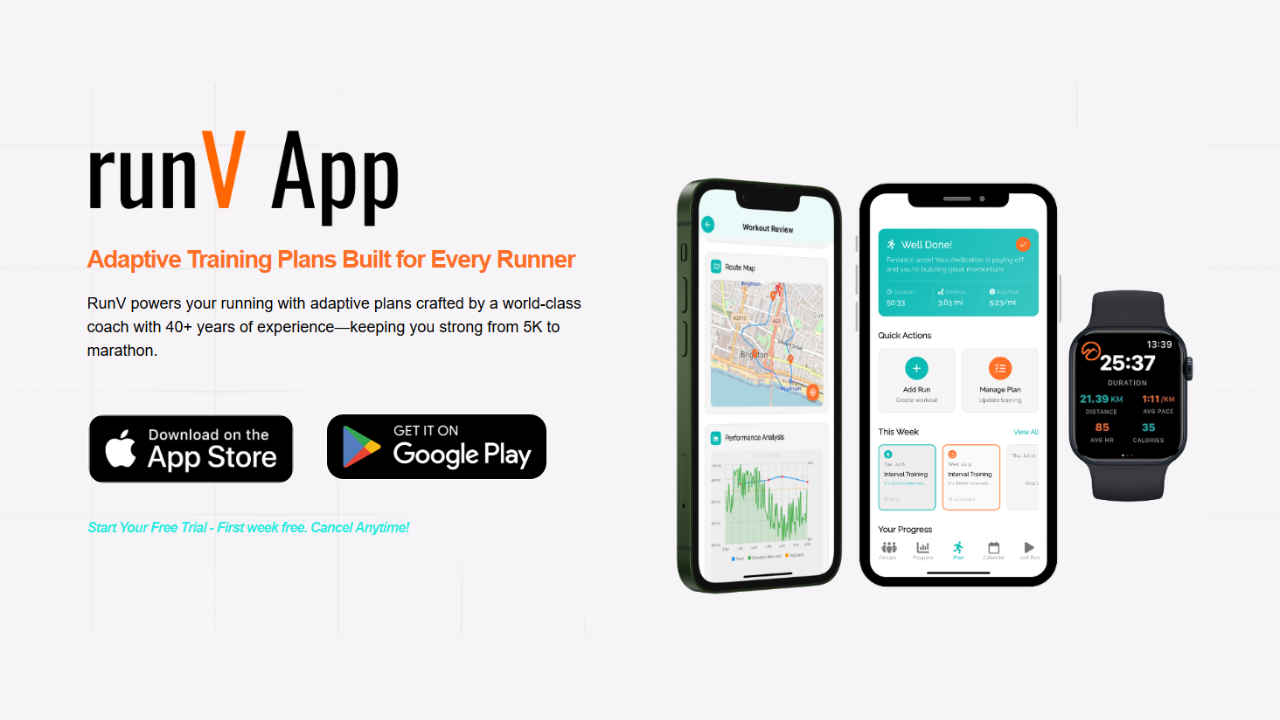
Hardware is only half the story. The best gains often come from combining strong devices with smart plans and apps that adapt to your data and schedule. When you’re evaluating if Wearables About Change Train in practice, ask:
- Does my app adjust if I miss a run or cut a workout short?
- Can I connect my watch/band easily and reliably?
- Do I understand what my metrics are telling me to do tomorrow?
Training Tips: Using New Wearables to Actually Get Faster
1. Use Recovery Scores to Shape Your Week, Not Just Single Days
With devices like Garmin Cirqa on the horizon and HRV fixes rolling out, it’s tempting to live and die by your nightly score. Instead:
- Watch 3–7 day trends in HRV and sleep quality.
- Lower overall scores across several days? Shift to easier aerobic volume.
- Rising scores and good subjective feel? Time your hardest block here.
For a deeper dive into how this works in practice, especially as your mileage climbs, check out Understanding Overuse Injuries in 7 Powerful, Proven Ways.
2. Let Navigation Expand Your Training Terrain
Strava’s new Apple Watch route-following makes it safer and easier to tackle unfamiliar loops. Use that to:
- Find rolling hills for strength-building long runs.
- Rehearse race segments where possible.
- Plan scenic, lower-traffic paths that reduce stop-start interruptions.
More varied terrain often means fewer overuse patterns, better motivation, and more enjoyable miles.
3. Combine Pro Insights With Simple Rules
All the elite input from Kipchoge and fancy HRV charts in the world won’t help if your basic habits are off. Pair the new tech with simple guiding rules:
- Hard days hard; easy days truly easy (watch HR and pace).
- At least one full rest or very light recovery day per week.
- Build volume gradually: 5–10% per week on average.
Your devices can highlight when you’re slipping—e.g., persistent low readiness or trending HRV—but they can’t do your easy days for you.
4. Avoid Over-Fixating on Any Single Metric
As more Wearables About Change Train messaging flows into your life, remember:
- HRV is powerful, but not perfect.
- GPS is strong, but buildings, trees, and weather still interfere.
- Sleep trackers estimate, not diagnose.
Use a “three-check” rule: only change your plan when at least two of these line up—device metrics, your body’s signals, and your training plan.
5. Build a Simple Feedback Loop
To fully leverage these new wearables, create a quick weekly review ritual:
- Look at your total volume and key workouts.
- Scan HRV and readiness trends.
- Note any niggles or aches.
- Adjust the next week accordingly.
That loop is where wearable data becomes genuine performance gain. Whether you’re tuning up for your first race or reloading after a break, pairing that loop with structured guidance—like the comeback frameworks your coach or favorite training app offers—makes the tech truly pay off.
Conclusion & Next Steps
In just one week, we saw a clear pattern emerge:
- Huawei teaming with Eliud Kipchoge to build a serious, runner-first smartwatch.
- Garmin preparing Cirqa, a screenless band that centers recovery and readiness.
- Garmin fixing HRV chart stability, turning a flaky metric into a reliable guide.
- Strava finally giving Apple Watch users on-wrist route-following.
These aren’t random updates. They’re all pointing in the same direction: wearables shifting from passive trackers into coaches-on-your-wrist, ready to shape how you plan, execute, and recover from training. At this point, Wearables About Change Train isn’t a hypothetical—it’s happening.
Your job is to decide how much control you’re willing to hand over, and how thoughtfully you’ll integrate that data into your own judgment and goals.
If you want to keep sharpening how you use tech, training plans, and recovery to get faster and stay healthy, explore more running insights on the Blog, and start turning your devices into actual performance tools instead of just mile counters.