

Systems Runners Use to Crush Goals: 7 Proven, Powerful Habits
If you follow elite athletes, one thing becomes obvious fast: nobody hits breakthrough performances by accident. They build systems. Systems Runners Crush Goals: that’s the pattern behind massive PRs, injury‑free streaks, and the calm confidence you see on the start line. Whether you’re chasing a first 5K or a Boston qualifier, turning your running into a system is what moves you from “trying” to “inevitable.”
This article breaks down seven powerful, repeatable habits and the tools, tech, and routines that make them work in real life.
Outline
- Why Systems Beat Motivation for Runners
- Habit 1 – Data‑Driven Goal Setting
- Habit 2 – Smart Training Structure & Adaptive Planning
- Habit 3 – Recovery as a Non‑Negotiable System
- Habit 4 – Strength, Mobility & Injury‑Proofing
- Habit 5 – Nutrition and Fueling Systems
- Habit 6 – Mental Systems and Race‑Day Focus
- Habit 7 – Gear, Tech, and Environment That Work for You
- Putting It All Together: Building Your Personal System
Why Systems Beat Motivation for Runners
Motivation is erratic. Systems are dependable.
On days when you feel flat, cold, or stressed, no motivational quote can do what a solid system does: make the right choice the default. Systems Runners Crush Goals because they reduce friction, automate decisions, and protect you from your own short‑term impulses.
Think of a “system” as a repeatable process with triggers and rules. For example:
- Every Sunday at 6 p.m. you review the week’s data and plan.
- Every easy run is capped by heart rate, not pace.
- Every hard block ends with a deload week, no exceptions.
This is how you turn intentions into outcomes, especially when chasing multi‑month goals like a marathon, an ultra, or a big comeback from injury.
Habit 1 – Data‑Driven Goal Setting
Why vague goals fail
“Run more.” “Get faster.” “Maybe do a marathon next year.” These are wishes, not goals. Systems Runners Crush Goals by translating big dreams into clear, measurable, time‑bound targets backed by actual running data.
A data‑driven goal might look like:
- “Run a sub‑50 minute 10K in October.”
- “Increase weekly mileage from 20 to 35 miles over 10 weeks.”
- “Hold 4:45/km pace for a half marathon in six months.”
Each gives you a direction (performance), a timeline, and metrics to monitor (pace, mileage, duration).
Using your current fitness, not your ego
The system starts by asking, “Where am I now, really?” not “What did I run five years ago?” Look at:
- Recent race results or time trials (5K, 10K, half marathon).
- Average weekly mileage over the last six to eight weeks.
- Heart‑rate patterns on easy vs. hard runs.
- Injury history and current niggles.
Modern watches and apps make this easy: VO₂ max estimates, fitness trends, training load, and even readiness scores. Don’t treat these as gospel, but use them as guardrails.
Process goals vs. outcome goals
Systems Runners Crush Goals by pairing outcome goals (PRs, distances, placements) with process goals (behaviors you control daily). For example:
- Outcome: “Sub‑4 hour marathon.”
- Process: “Run four days per week, two strength sessions, eight hours of sleep.”
Outcome goals define your destination. Process goals define your system. When you can’t control the weather or race‑day crowds, your process is what stabilizes performance.
Tech tools that help
Leverage:
- GPS watches for pace, distance, HR, cadence, and training load.
- Running apps for trends, PR tracking, and route history.
- Spreadsheets or journals for subjective notes like mood and fatigue.
Spend 10 minutes weekly reviewing and adjusting. That simple ritual alone separates data‑driven runners from guesswork runners.
Habit 2 – Smart Training Structure & Adaptive Planning
Why structure beats random hard runs
The “run hard whenever I feel good” method works for a month, then stops working—or causes injury. Systems Runners Crush Goals with structured training blocks that balance stress and recovery over weeks and months.
A typical smart structure includes:
- Base phase: Build aerobic capacity and durability.
- Build phase: Add intensity and race‑specific workouts.
- Peak/taper: Sharpen, then freshen up for race day.
Key ingredients of a solid weekly system
Most goal‑oriented runners benefit from a weekly pattern like:
- 2–3 easy runs (low‑intensity, conversational pace).
- 1 quality workout (intervals, tempo, hills, or threshold).
- 1 long run (gradually increasing toward race distance).
- Optional: 1 recovery jog or cross‑training session.
This pattern turns training into a repeatable rhythm. You always know the role of each run, which prevents “accidental workouts” on supposed easy days.
Systems Runners Crush Goals: Adaptive planning, not rigid calendars
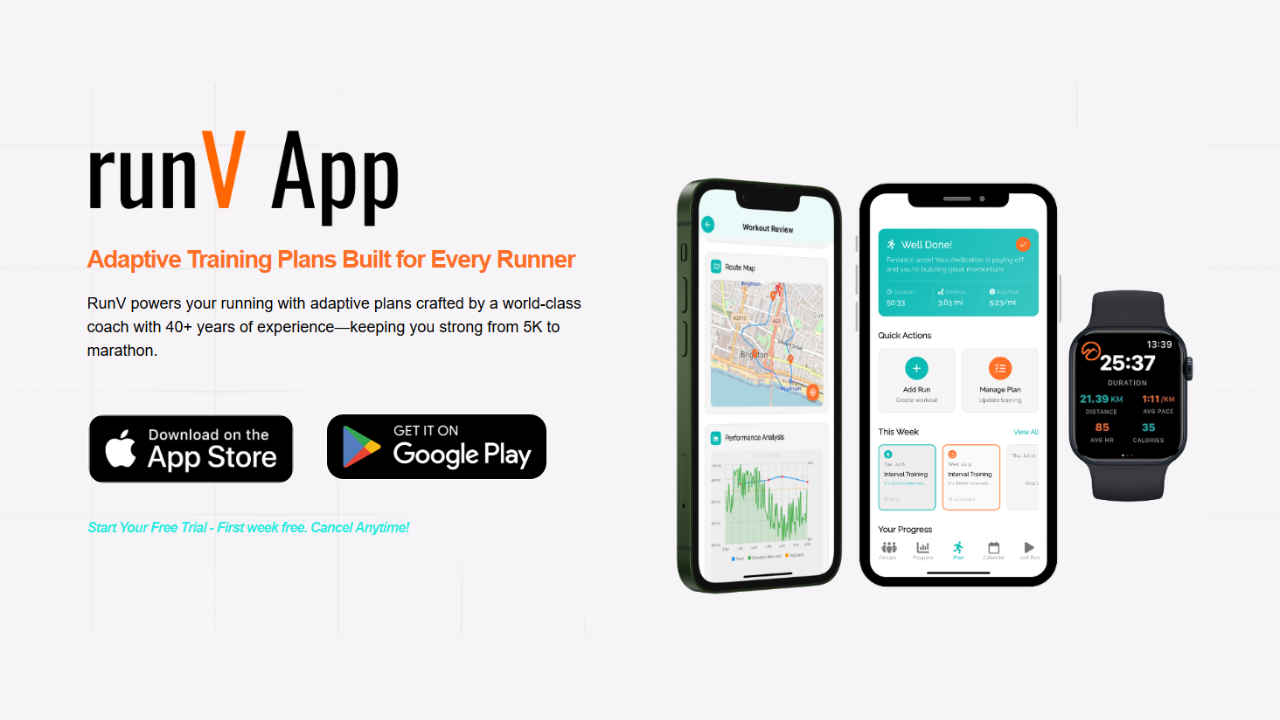
The best systems flex. Life, weather, sickness, and fatigue don’t care what your PDF plan says. That’s why many runners are shifting toward adaptive running plans and 7 proven ways to incredible progress that adjust based on your recent load, recovery, and workouts actually completed.
An adaptive training system might:
- Reduce intensity after a poor‑sleep week automatically.
- Recalculate goal paces after a breakthrough tempo run.
- Build you back slowly after you miss several days.
Whether you use an app, a coach, or your own spreadsheet, think “if‑then” rules. For example: “If HRV drops significantly for two days, I shift intervals to later in the week.”
Aerobic vs. anaerobic balance
Another hallmark of smart systems is respect for low‑intensity volume. A large chunk of your training should be easy. That’s not laziness; that’s how endurance is built.
To deepen this, read about Aerobic vs Anaerobic Running: 7 Proven, Essential Benefits. Understanding the different energy systems helps you see why stacking easy miles is the quiet engine behind big race‑day performances.
Habit 3 – Recovery as a Non‑Negotiable System
Why “more” isn’t always “better”
Training breaks you down. Recovery builds you back stronger. Systems Runners Crush Goals by treating recovery not as an optional bonus, but as an integrated part of the plan. Overlook recovery, and your best case is stagnation; worst case is injury.
Clear recovery rules prevent that.
Sleep as your primary performance enhancer
No gadget beats consistent, adequate sleep. For most runners, that’s 7–9 hours per night, with regular bed and wake times. Track it loosely with:
- Wearables’ sleep scores (use trends, not single‑night freak‑outs).
- A quick 1–10 sleep‑quality rating in your training log.
Make sleep a protected habit: phone off earlier, lights dimmed, post‑dinner walks, or stretching routines.
Micro‑recovery strategies
Systems Runners Crush Goals by stacking small, consistent recovery habits, such as:
- Five minutes of calf and hamstring mobility after each run.
- Foam rolling lower legs three times per week.
- Cold showers or contrast showers on heavy workout days if you find they help.
- Short legs‑up‑the‑wall sessions to aid circulation.
Individually, these seem trivial. As a system, compounding over months, they change how durable you are. (Effective goal setting)
Rest days and deload weeks
Planned rest is a powerful system lever. Examples:
- At least one full rest day weekly (no step goals, no “just a quick jog”).
- Every third or fourth week, cut volume by 20–30%.
This “step‑back” pattern helps your body absorb training, instead of stacking fatigue infinitely until something breaks.
Habit 4 – Strength, Mobility & Injury‑Proofing
Why runners need more than just running
You might think more miles is always the answer. Often, the missing piece isn’t another run; it’s stronger, more resilient tissue. Systems Runners Crush Goals with consistent strength and mobility work, not just when they get hurt.
Key muscle groups to prioritize
Pay special attention to:
- Glutes and hips (stability and propulsion).
- Hamstrings and calves (force transfer, late‑race resilience).
- Core (posture and control under fatigue).
If you ignore those, compensations accumulate. For example, weak glutes often shift load to knees and calves, increasing injury risk. For a deep dive, see Why Weak Glutes Lead 7 Shocking, Proven Running Injuries.
Simple strength system you can maintain
A realistic, sustainable system might be:
- Two 20–30 minute strength sessions per week.
- Focus on compound, single‑leg and hip‑dominant movements:
- Squats and deadlifts (bodyweight or loaded).
- Lunges and step‑ups.
- Glute bridges and hip thrusts.
- Calf raises (straight‑leg and bent‑knee).
Progress gradually: increase load, time under tension, or complexity (e.g., single‑leg variations) instead of rushing into heavy weights with poor form.
Mobility and movement quality
Mobility isn’t about chasing extreme flexibility. It’s about smooth, strong movement through the ranges you actually use when running. Build a 10‑minute routine that targets:
- Ankles: dorsiflexion drills, calf stretches.
- Hips: 90/90 rotations, hip flexor stretches.
- Thoracic spine: open books and rotational work.
Perform this on easy or rest days. Over time, it becomes another automatic gear in your system.
Injury monitoring and early warnings
Systems Runners Crush Goals in part because they catch problems early. Build these checks into your week:
- 1–10 soreness and pain ratings post‑run.
- Noting asymmetries: does one side always feel tighter or weaker?
- Tracking niggles for more than seven days—time to adjust when they persist.
Proactive injury prevention and understanding overuse patterns are vital for long‑term progress; see Running Injury Prevention Through 7 Proven Powerful Moves for specific strategies.
Habit 5 – Nutrition and Fueling Systems
Fueling isn’t an afterthought
Ask around at any marathon finish line and you’ll hear the same regret: “I under‑fueled.” Systems Runners Crush Goals by treating nutrition like another training discipline, not just “eat whatever after the run.”
Daily nutrition rhythms
A simple, effective daily system:
- Three main meals with a mix of carbohydrates, protein, and fats.
- 1–2 snacks with emphasis on protein (yogurt, nuts, eggs).
- Regular hydration: clear or light‑yellow urine most of the day.
Before worrying about gels or fancy supplements, nail total energy intake and protein (roughly 1.4–1.8 g/kg/day for most active runners, with individual variation).
Pre‑run and post‑run routines
Build repeatable rules:
- Short run (<60 min, easy): often okay with just water, maybe a light snack.
- Medium run (60–90 min): light carb‑focused snack 60–90 minutes before.
- Long run (>90 min): more deliberate pre‑run meal 2–3 hours before, plus on‑run fueling.
Post‑run, aim for carbs plus 15–30 g of protein within two hours. The exact timing isn’t magic, but consistently refueling matters.
On‑run fueling as a practiced system
Treat race‑day fueling like a workout you train for:
- Experiment with different gels, chews, drinks, and real‑food options.
- Test your gut’s tolerance at race‑pace long runs.
- Lock in frequency (for example, every 30–40 minutes for longer events).
Write down what works and what doesn’t. Over time, you’ll arrive at a fueling protocol that you can almost run on autopilot, which is exactly what a system is.
Hydration and electrolytes
Some runners need very little; others lose a lot of sodium in sweat. Notice:
- Salt streaks on your clothing or face after long runs.
- Cramping patterns in hot weather.
- Big weight drops (>2–3% body weight) after long efforts.
Use that data to set simple hydration rules, like “Sip every 10–15 minutes and include electrolytes on runs over 75 minutes in heat.”
Habit 6 – Mental Systems and Race‑Day Focus
Mental systems vs. “toughing it out”
Mental toughness isn’t about being unbreakable. It’s about having tools ready before things get hard. Systems Runners Crush Goals by working on mindset and race‑day strategies just as deliberately as intervals and long runs.
Pre‑run and pre‑race routines
A simple mental system for key workouts and races:
- Evening before: review route, paces, and logistics.
- Morning of: same breakfast, same caffeine strategy, same warm‑up.
- 10 minutes before: a short visualization of the early miles and the hardest segment.
This repetition reduces anxiety, because your brain recognizes the routine as familiar territory. (Running motivation habits)
In‑race focus systems
Instead of thinking about the entire race distance, chunk it into manageable units. Examples:
- 5K: break into 1K segments with specific micro‑goals.
- Half marathon: first 5K settle, middle 10K rhythm, last 6K courage.
- Marathon: 10K blocks with mental check‑ins at each 5K.
Use cue words tied to phases (“smooth,” “strong,” “relentless”) and decision rules: “If I feel good at 30K, I allow pace to drop by 5–10 seconds per kilometer.”
Dealing with pain and doubt
At some point, every significant race hurts. Systems Runners Crush Goals by deciding in advance how they’ll respond to that pain. Techniques include:
- Refocusing on form cues: relaxed shoulders, quick cadence.
- Counting breaths or steps to anchor attention.
- Reframing discomfort as data: “This is expected; I’m in the right zone.”
Practice these in tough workouts so they’re automatic when it matters.
Post‑race review system
After each key event, schedule a 20–30 minute debrief:
- What went well technically (pacing, fueling, warm‑up)?
- Where did things unravel mentally or physically?
- What one or two changes will you make next cycle?
This is how experiences turn into better systems, instead of just memories.
Habit 7 – Gear, Tech, and Environment That Work for You
Gear as part of the system, not the whole story
Shoes, watches, and wearables won’t run the miles for you, but they can massively support your systems if chosen and used wisely. Systems Runners Crush Goals by curating gear that amplifies consistency, feedback, and comfort rather than chasing every new trend blindly.
Footwear systems: rotation and purpose
Instead of one do‑everything shoe, many runners benefit from a small, purposeful rotation:
- Daily trainer: durable, comfortable, for easy and moderate runs.
- Tempo/speed shoe: lighter, snappier, for workouts.
- Race shoe: optimized for your key distance and surfaces.
This not only extends the life of each pair but can reduce repetitive stress by varying load patterns. Emerging ideas like “neuroscience shoes” and softer foams are also changing how we think about daily trainers; explore more in Neuroscience Shoes and Softer Trainers Are Rewriting Your Run.
Wearables as system dashboards
Modern wearables are essentially dashboards for your running system. Used well, they can:
- Enforce easy days with pace and heart‑rate alerts.
- Track training load and suggest recovery.
- Help you pace races more consistently.
Used poorly, they can turn every run into a stressful metric chase. Decide in advance what each screen and alert is for. For example, limit during‑run screens to distance and lap pace on easy days, and only analyze other metrics afterward.
Training environment systems
Your environment strongly shapes your behavior. Systems Runners Crush Goals by designing surroundings that make training easier to start and harder to skip:
- Keep your running kit laid out the night before.
- Bookmark safe, enjoyable routes and backup treadmill options.
- Join a group run once a week for accountability.
Winter or bad weather doesn’t have to mean stalled progress; look into structured indoor options like treadmill‑based plans if climate is an issue.
Digital environment and information diet
The articles, videos, and social feeds you follow influence your mindset about training. Build a “learning system” by:
- Subscribing to evidence‑based, experience‑driven running resources.
- Saving practical guides in one place for periodic review.
- Limiting last‑minute race‑week rabbit holes that tempt you to overhaul your plan.
Your goal is a tech and information ecosystem that nudges you toward sustainable, intelligent training—not constant comparison or anxiety.
Putting It All Together: Building Your Personal System
From scattered habits to an integrated system
You don’t need to overhaul everything at once. Systems Runners Crush Goals when they evolve gradually, linking small, sustainable upgrades into one coherent framework. Think of the seven habits as modules you can install one by one:
- Clarify and quantify your goals.
- Choose a structured, adaptive training plan.
- Protect sleep and embed recovery routines.
- Add consistent strength and mobility work.
- Standardize daily nutrition and race‑day fueling.
- Develop mental routines and post‑race reviews.
- Curate gear, tech, and environments that support all of the above.
Building your weekly “systems map”
It helps to write a simple “systems map” for your week. For example:
- Monday: Easy run + 10‑minute mobility.
- Tuesday: Quality workout + brief strength session.
- Wednesday: Rest or cross‑train + sleep focus.
- Thursday: Easy run + core strength.
- Friday: Easy run or off + foam rolling.
- Saturday: Long run + post‑run fueling ritual.
- Sunday: Short recovery run or rest + weekly data review.
Link each day to the relevant systems: training, recovery, nutrition, mindset. Over time this becomes muscle memory.
Adapting across seasons and races
Your system will shift slightly whether you’re prepping for a trail ultra, chasing a 5K PR, or hunting a major‑marathon qualifying time. But the underlying principles remain the same: structured load, intelligent recovery, progressive overload, and feedback‑driven adjustment.
As event goals evolve—like targeting big city majors, charity entries, or specific PR windows—your systems need to acknowledge different timelines, climates, and course profiles. That’s where your data, post‑race reviews, and adaptive planning come together.
Next steps
Pick one habit from this article to systematize this week. Maybe it’s a proper deload week, a consistent strength schedule, or a defined race‑day fueling protocol. Write down clear rules and triggers, and track them for four weeks.
Momentum builds fast when your systems start working for you instead of relying solely on willpower. Over months and seasons, that’s how Systems Runners Crush Goals—and how your next breakthrough stops being a surprise and starts feeling like the logical outcome of the way you train.