
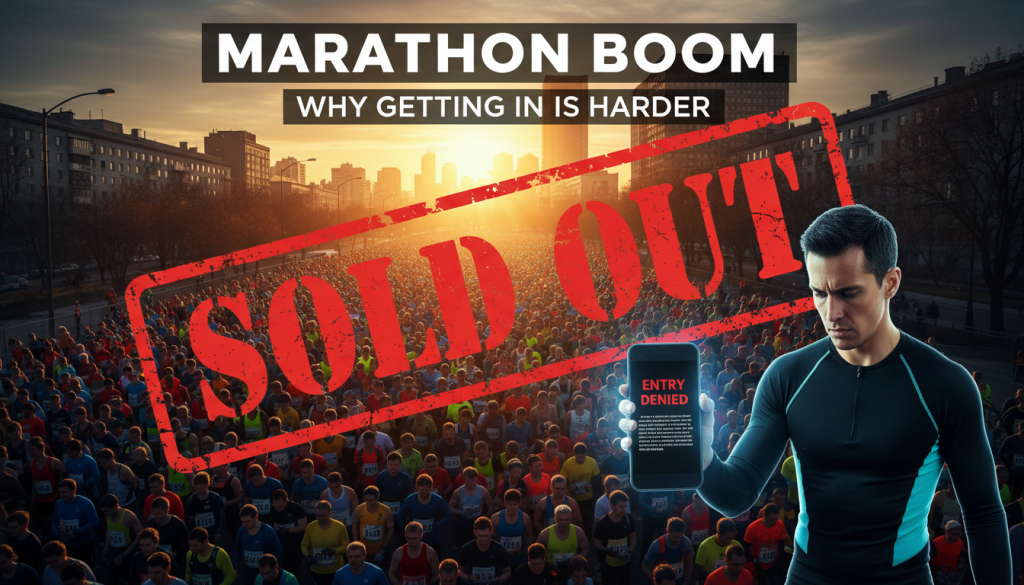
Inside Marathon Boom: Getting a bib for a world‑class race has never been tougher. From New York’s record‑shattering lottery numbers to Chicago’s packed fields and London’s immersive brand events, the global marathon scene is exploding. The upside: more energy, more innovation, and deeper community. The downside: your odds of getting to the start line are shrinking—unless you adapt your strategy.
This running news blog dives into the latest developments and what they really mean for runners trying to navigate the modern marathon boom.
Table of Contents
- The New Reality: Why Getting In Just Got Harder
- NYC Marathon: 240,000+ Applicants and 1% Odds
- Chicago Marathon: Lower Qualifying Times, Higher Pressure
- Garmin’s Community Champions: Recognition Beyond Race Day
- London and Saucony’s “The Maze”: The Rise of Immersive Events
- How Runners Can Adapt: Strategy in the Era of the Marathon Boom
- Gear, Tech, and Training: Getting an Edge Before You Get a Bib
- Conclusion: Turning the Marathon Boom to Your Advantage
The New Reality: Why Getting In Just Got Harder
The phrase “Inside Marathon Boom: Getting” a race entry used to mean knowing when registration opened and clicking fast. Now, it’s a multi‑year planning exercise.
Four fresh developments—record NYC and Chicago demand, Garmin’s new community recognition program, and Saucony’s immersive London launch—underscore a common theme: marathons are no longer just races. They’re cultural events, tech showcases, and community hubs.
That shift is fueling demand far faster than organizers can grow fields. The result is a tighter squeeze on entries and a premium on smart planning, training, and community engagement.
NYC Marathon: 240,000+ Applicants and 1% Odds
Record Demand for the 2026 Drawing
The New York Road Runners (NYRR) announced that more than 240,000 people from over 160 countries applied for the 2026 TCS New York City Marathon drawing—up nearly 20% from 2025.
Only about 1% of those applicants will gain entry through the general drawing. That makes NYC not just a world‑class race, but one of the most statistically elusive bibs in sport.
This starkly illustrates the theme of Inside Marathon Boom: Getting access to big‑city races: demand is outpacing supply at a staggering clip.
Expanded Entry Methods: Still Not Enough
NYRR has responded by expanding non‑lottery paths:
- Charity entries through partner organizations
- Sweepstakes and sponsor‑linked giveaways
- Guaranteed time qualifiers for faster runners
- Local 9+1 program (run nine NYRR races + volunteer once for a future guaranteed entry)
While these help, they don’t change the core reality: the general lottery is now a long shot. If NYC is your dream race, you need a structured entry strategy as much as a training plan.
What This Means for Runners
For many, Inside Marathon Boom: Getting into NYC will require one or more of these approaches:
- Pick a multi‑year target. Treat NYC as a 2–3 year goal, not a “next season” certainty.
- Train for a qualifier. Focus on half or full marathons that feed into NYRR time standards.
- Embrace charity running. If you can fundraise, this may be the most reliable route.
- Leverage local races. If you’re near New York, the 9+1 path is powerful but requires planning your calendar early.
With odds this low, getting in is increasingly about long‑range planning and resilience through rejection cycles, not just fitness.
Chicago Marathon: Lower Qualifying Times, Higher Pressure
Registration Opens Amid Record Interest
The 2026 Bank of America Chicago Marathon, set for October 11, 2026, has opened registration amid surging demand. More than 200,000 runners have applied, with organizers expecting around 53,000 finishers.
This is only the second edition since Chicago lowered its automatic qualifying standards, making time‑based entry more attainable for mid‑pack and improving runners.
Paradoxically, that easier path has increased pressure: when qualifying times drop, more people chase them.
Qualifying Standards: Opportunity and Crowding
Chicago’s softer standards are a textbook example of Inside Marathon Boom: Getting more people into the conversation.
But increased accessibility has a knock‑on effect:
- More runners now view Chicago as a “reachable” major.
- Time‑qualifier races (fast courses, cool weather) are seeing more demand.
- Charity programs remain robust as a back‑up when time goals fall short.
For runners, the lesson is clear: the qualifying window and your training season are now tightly linked. Missing a cycle can mean waiting an extra year to capitalize on fitness gains.
How to Play Chicago Smart
If Chicago is your target, think in terms of probability, not certainty.
- Choose your build‑up races wisely. Fast half marathons or spring marathons can be ideal for testing your fitness for a Chicago qualifier.
- Have a Plan B. If you narrowly miss a qualifier, charity or lottery options can keep your 2026 dream alive.
- Protect your training block. Illness or missed key workouts matter more when qualifying windows are narrow. If life derails a few big sessions, use guidance like Smart Training Adjustments After 3 Missed Runs: Essential, Proven Tips to salvage your cycle instead of scrapping your goal.
Inside Marathon Boom: Getting to Chicago now means managing risk and contingency, not just hammering mileage.
Garmin’s Community Champions: Recognition Beyond Race Day
Program Overview
Garmin has launched its “Community Champions” program across its Marathon Series cities, with applications now open starting in Durham.
The initiative will recognize three to five local changemakers per city—people who build running communities, support inclusivity, lead run clubs, or use fitness to drive social impact. (Second running boom)
Winners will gain recognition through Garmin’s platforms and at race‑related events, elevating everyday runners who make the sport better for others.
Why This Matters in the Marathon Era
As big‑city races become harder to enter, runners are seeking meaning beyond a single medal. Garmin’s program speaks to a key trend:
- Community > individual achievement. Leading a group run may impact more lives than chasing a PR.
- Local impact, global visibility. Community work can now be seen and amplified across a major brand’s channels.
- Alternative paths to involvement. Even when you’re not racing the headline marathon, you can shape the culture around it.
Inside Marathon Boom: Getting recognition and fulfillment is no longer limited to breaking tape or qualifying; it includes showing up for others.
How Runners Can Engage
If you’re active in your running community, consider:
- Applying or nominating someone. Highlight coaches, volunteers, and organizers who quietly hold groups together.
- Formalizing your efforts. Turn your informal group into a club, with beginner runs or inclusive programming.
- Learning to lead pace groups. Resources like Running Club Pace Groups: 7 Essential Tips for Amazing Results can help you support a broader range of runners effectively.
As marathon entry becomes more exclusive, shaping the experience around the race—through coaching, pacing, and organizing—is an accessible way to stay deeply connected to the sport.
London and Saucony’s “The Maze”: The Rise of Immersive Events
An Experiential Race in the Heart of London
On February 7, Saucony hosted “The Maze,” a one‑hour immersive race in London to launch its Endorphin Azura training shoe.
Timed with the opening of its first European flagship store in Covent Garden, the event blended:
- A gamified race concept
- Immersive, time‑limited format
- Hands‑on testing of new footwear
- In‑store community activations and product launches
It wasn’t a traditional marathon, but it spoke directly to the same audience—and to the theme of Inside Marathon Boom: Getting more value out of training and race weekends.
Why Brands Are Going Immersive
Saucony’s move reflects a bigger pattern in major marathon cities like London:
- Shorter, accessible events lower the barrier for newer runners who aren’t ready for 26.2 miles.
- Experience‑driven programming deepens brand loyalty and community ties.
- Gear integration gives runners real‑world testing environments for shoes and apparel.
For runners, this is a win. You may not score a London Marathon bib, but you can still participate in high‑energy, well‑produced events in the same city—and build fitness, networks, and confidence for a future marathon push.
Practical Takeaways for Runners
Inside Marathon Boom: Getting smarter with your event calendar might mean:
- Using brand‑hosted events as “booster sessions” during a marathon build.
- Testing potential race‑day shoes in real conditions before committing.
- Mixing immersive 5Ks or timed formats with longer training runs for variety and motivation.
Product‑focused experiences like “The Maze” can serve as both training tools and community touchpoints, especially in dense running hubs like London.
How Runners Can Adapt: Strategy in the Era of the Marathon Boom
Rethink Your Marathon Timeline
The simple, hard truth of Inside Marathon Boom: Getting into your dream race is no longer something you can assume within a single season.
Instead, plan a multi‑year roadmap:
- Year 1: Build base, target a smaller or regional marathon, test fueling and pacing.
- Year 2: Chase a time qualifier or apply to lotteries and charity programs.
- Year 3: Execute your major marathon with experience and fitness on your side.
That approach reduces pressure and increases the likelihood of a strong performance once you finally get your bib.
Use a Portfolio of Entry Strategies
Inside Marathon Boom: Getting into NYC, Chicago, or other majors will often require several levers: (Why marathons booming)
- Lottery: Enter consistently and accept repeated rejections as part of the game.
- Qualifying time: Identify your “engine” races with fast, flat courses.
- Charity: Choose a cause you genuinely care about to keep motivation high.
- Local programs: Exploit series or club schemes like NYRR’s 9+1.
Think like a long‑term investor: diversify your routes instead of betting everything on a single lottery application.
Train for Durability, Not Just Peak Performance
Because entry timelines are stretching, runners must maintain a high level of readiness over several seasons. That means focusing on:
- Injury prevention: Strength, mobility, and sensible progression.
- Training structure: Knowing when to hold mileage and when to push.
- Smart tapers: Reaching the line fresh without losing fitness.
Guidance like How to Maintain Fitness: 7 Proven, Powerful Taper Tips can help you arrive in peak condition when your hard‑won bib finally comes through—without feeling flat or overcooked.
Gear, Tech, and Training: Getting an Edge Before You Get a Bib
Daily Trainers and Race‑Week Rotation
With more time between setting a goal and actually racing a major, your shoe strategy matters more. Think in layers:
- Daily trainer: Cushioned and durable for most miles.
- Workout shoe: Responsive for intervals and tempo runs.
- Racing shoe: Lightweight, often plated, reserved for key efforts and race day.
If you’re reassessing your everyday shoe in this high‑volume era, consider whether a modern cushioned trainer could help you absorb long buildups. For example, see whether the new Brooks model highlighted in Is the New Brooks Glycerin Flex Your Next Daily Trainer? fits your training style and foot type.
Tech as a Training Multiplier
Inside Marathon Boom: Getting the most out of limited training windows is crucial, especially if you’re working around lotteries, family, and careers.
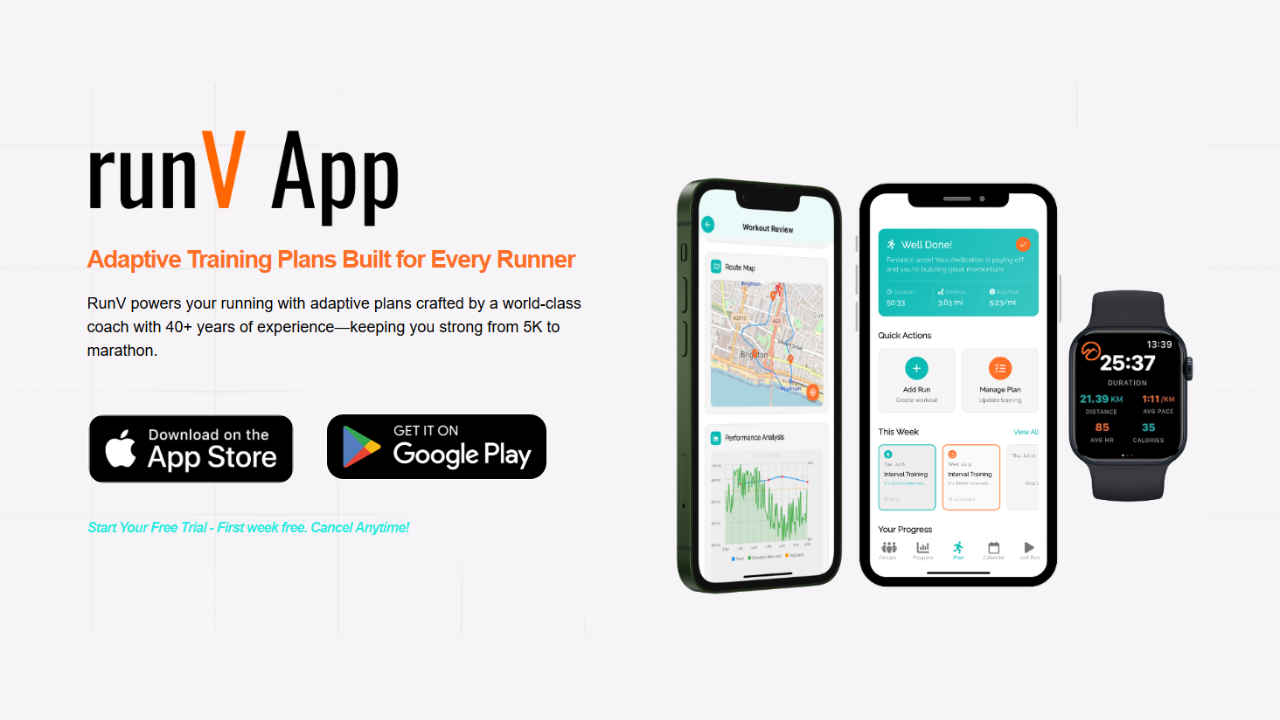
Wearables, running apps, and adaptive training plans can help by:
- Optimizing effort via heart‑rate and pace monitoring
- Adjusting sessions automatically when life intervenes
- Tracking long‑term trends across multi‑year marathon plans
Use tech not as a distraction, but as a way to make every key session count, particularly when you’re gearing up for a potential qualifier race or charity commitment.
Community and Accountability as Performance Tools
As Garmin’s Community Champions program highlights, your running community is not just “nice to have”—it’s a performance enhancer.
Run clubs, group workouts, and social training:
- Boost adherence to long workouts through accountability
- Provide pacing help on tempo runs and marathon‑pace sessions
- Offer emotional support when lotteries or time goals don’t go your way
Inside Marathon Boom: Getting through repeated entry cycles without burning out is much easier when you’re not doing it alone.
Conclusion: Turning the Marathon Boom to Your Advantage
The modern marathon landscape is crowded, competitive, and more complex than even a decade ago. Inside Marathon Boom: Getting to a start line like New York or Chicago may take longer, cost more, and require more creativity than you expected.
But it also offers more pathways to purpose:
- Using immersive events like London’s “The Maze” as training and community touchpoints
- Finding recognition through programs like Garmin’s Community Champions
- Building multi‑race, multi‑year plans that sharpen you as an athlete and leader
If you want structure and support as you navigate this new era—from building toward a qualifier to balancing multiple training seasons—explore tailored coaching and tools that fit your goals and life rhythm. You can browse marathon‑focused options and see how they align with your next big target at Marathon.
Inside Marathon Boom: Getting in is hard—but with the right strategy, community, and training tools, you can turn a crowded field into your best opportunity yet.