
Adaptive Running Apps Deliver something traditional training logs and static plans never could: a constantly evolving coach in your pocket that responds to your body, data, schedule, and goals in real time. Instead of forcing your life around a rigid plan, adaptive apps shape the plan around your life, adjusting everything from pace targets to recovery days based on how you actually run, sleep, and recover. For runners, fitness enthusiasts, and tech‑curious athletes, this shift is transforming how we train—and the gains are measurable.
Table of Contents
- What Are Adaptive Running Apps?
- How Adaptive Running Apps Deliver Smarter Training
- Gain #1: Consistency You Can Actually Maintain
- Gain #2: Performance Gains from Truly Personalized Workouts
- Gain #3: Reduced Injury Risk Through Better Load Management
- Gain #4: Mental Confidence and Motivation on Autopilot
- Gain #5: Precision Recovery and Long‑Term Sustainability
- How Adaptive Running Apps Deliver for Different Types of Runners
- Data, Sensors, and the Tech That Makes Adaptation Possible
- Choosing an Adaptive App: What to Look For
- Getting Started: A 4‑Week On‑Ramp with an Adaptive App
- Common Mistakes When Using Adaptive Apps (and How to Avoid Them)
- The Future: How Adaptive Running Apps Will Evolve Next
- Final Thoughts
What Are Adaptive Running Apps?
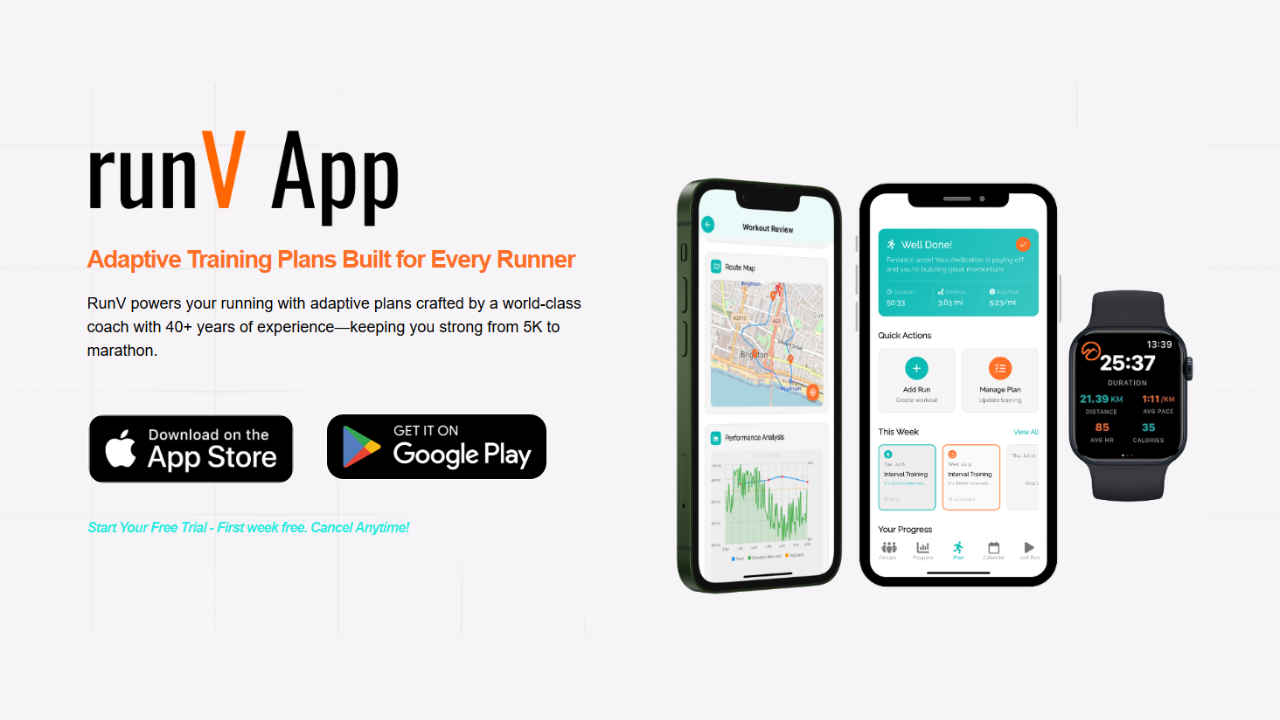
Traditional running apps mostly record what you’ve done: distance, pace, route, and maybe heart rate. Adaptive running apps go further. They don’t just track; they interpret and respond. Their core job is to change your future training based on your recent performance, fatigue, and feedback.
Instead of giving you a fixed 12‑week plan and hoping life cooperates, adaptive systems adjust your plan after every run or every few days. They shift workouts, tweak intensities, or modify weekly mileage when you’re tired, busy, or suddenly running stronger than expected.
Under the hood, these apps use rule‑based logic, machine learning, or both, feeding on inputs like pace, heart rate, perceived effort, sleep, and missed sessions. The result: a training plan that behaves more like a good coach than a spreadsheet.
How Adaptive Running Apps Deliver Smarter Training
To understand how Adaptive Running Apps Deliver real‑world benefits, you need to see the mechanisms behind them. The “secret” is simple: continuous feedback loops. You run, the app evaluates what happened, then adjusts the next session or week accordingly.
Typically, adaptive logic considers:
- Recent training load (how much you’ve run and at what intensity)
- Trend in performance (paces and efforts getting easier or harder)
- Fatigue indicators (e.g., higher heart rate, slower pace at same effort)
- Adherence (missed, shortened, or modified workouts)
- External signals (sleep, stress, injuries you log manually)
From there, the app can:
- Scale back intensity after a tough week
- Increase volume when adaptation signs are positive
- Swap a hard workout for easy miles if you’re not ready
- Extend or contract a training block based on progress
This dynamic response is the foundation for the five powerful, proven gains that adaptive systems provide.
Gain #1: Consistency You Can Actually Maintain
Why Consistency Matters More Than Any Single Workout
The biggest predictor of long‑term running success isn’t the perfect interval session—it’s showing up week after week without long breaks or repeated injuries. Consistent training builds aerobic capacity, muscular strength, and neuromuscular efficiency, all of which compound over months and years.
Where most runners stumble is not knowing how to adjust when life gets messy. A rigid plan doesn’t care that you had a brutal week at work or that your kid was sick. You either stick to it and overreach or bail on it and slide into guilt and inconsistency.
How Adaptive Running Apps Deliver Sustainable Routines
Adaptive apps excel at turning good intentions into sustainable routines. Instead of treating your plan as a pass/fail test, they treat it as a living document. Missed your long run? The app may redistribute that load across the coming week rather than punishing you with an overloaded weekend.
Feel unusually fresh? It might gently increase your next quality session. The psychological effect of this is powerful: you stop feeling like you’ve “blown” your plan and start seeing every day as a chance to get the best possible session for your current situation.
If you’re prone to boom‑and‑bust cycles, pairing an adaptive app with structured principles—like those in When to Hold Mileage: 7 Essential, Proven Training Wins—makes consistency far more achievable.
Micro‑Adjustments that Keep You Training, Not Quitting
Examples of how apps maintain your streak without overreach:
- Changing a threshold run to a steady run when your prior workout ran long
- Trimming a 70‑minute run to 50 minutes when your sleep tank is empty
- Shifting a hard workout to later in the week following travel or illness
- Replacing speed with easy volume if your legs are heavy but not injured
By smoothing the peaks and troughs, Adaptive Running Apps Deliver a training experience where you rarely feel forced to choose between “go hard” or “do nothing.” Instead, you keep moving forward with the right amount of stress.
Gain #2: Performance Gains from Truly Personalized Workouts
Static Plans vs. Adaptive Intelligence
Most downloaded plans assume an “average” runner: average recovery, average stress, average injury history. But few of us are average. Some absorb intensity like a sponge; others flourish on modest mileage and careful speed doses.
Static plans might work for your first few weeks, but as soon as your adaptation curve diverges—maybe you get faster quickly or fatigue faster than expected—the plan stops being optimal. You either undertrain (bored, unchallenged) or overtrain (fatigued, plateaued).
Adaptive Running Apps Deliver a better option: your training zones, long runs, deload weeks, and peak phases evolve as your fitness changes. The plan you follow in week 10 may look quite different from what was originally sketched on day 1.
Using Heart Rate, Pace, and Effort to Personalize Intensity
The best adaptive systems blend multiple signals:
- Pace shows outcome: how fast you moved.
- Heart rate shows internal cost: how hard your body worked.
- Perceived effort (RPE) adds context: how it felt subjectively.
For example, if a session prescribed as “easy” results in a high heart rate and high RPE, the app may flag that you’re under‑recovered and adjust future sessions downward. If your heart rate and RPE drop while holding the same pace over multiple weeks, that’s a sign you’re ready to nudge thresholds or volume upwards.
If you’re new to this style of training, resources like Training by Heart Rate: 5 Proven Benefits for Beginner Runners help you understand why heart‑based zones and adaptive logic work so well together.
Progressive Overload Without Guesswork
Progressive overload is simple: gradually increase training stress so your body adapts, but not so fast that you break. Implementing it well is hard. Adaptive Running Apps Deliver that balance by:
- Tracking weekly and monthly load trends automatically
- Scaling workouts slightly up or down based on recent compliance
- Identifying whether you struggle more with volume or with intensity
- Customizing your “peak” weeks relative to your real‑time fitness
The end result is faster 5K and 10K times, stronger half marathon and marathon performance, and less guesswork. You feel the line between “challenging” and “too much,” but you don’t have to calculate it yourself.
Evidence in Action: Early vs. Late Training Phases
Consider a 12‑week 10K block:
- Weeks 1–4: You adapt quickly; the app sees you hitting paces easily and gradually increases interval pace or volume.
- Weeks 5–8: Life gets busy; a couple of missed workouts trigger the app to re‑prioritize key sessions and protect your long run.
- Weeks 9–12: You’re healthy but slightly tired; the app adjusts taper length and trims extra intensity during race‑week to arrive fresh.
You end the cycle not only faster, but better balanced, because your plan never pretended the previous eight weeks were flawless.
Gain #3: Reduced Injury Risk Through Better Load Management
The Overload Problem Most Runners Don’t See Coming
Most running injuries are not random. They come from a mismatch between tissue capacity and training load—too much, too soon, or too intense, without enough recovery. Runners are especially prone to “rationalizing” one more hard session, one more extra mile, or stacking races without downtime.
Static plans can’t see when your easy days drift too fast, or when you quietly add an extra weekly run. They’re blind to your personal “red zone.” Adaptive Running Apps Deliver protection by constantly monitoring how today’s stress fits into your recent load history.
How Adaptive Running Apps Deliver Safer Progression
They do this by:
- Tracking rolling 7‑, 14‑, and 28‑day workloads
- Flagging spikes in mileage or intensity beyond safe ranges
- Recommending cutback weeks at the right moment—not just every 4th week by default
- Dialing down speed work if your recovery runs are creeping faster
An app might say: “Your recent sprint volume is high relative to last month. Today’s intervals are reduced by 25% to lower injury risk.” You’re still training, but with an automatic buffer against impulsive overdoing.
Structure, Variety, and the Injury Shield
The right structure—rotating intensities, mixing surfaces, and balancing hard days with easy ones—is one of the most effective ways to cut injury risk. Guidance like How Proper Training Structure Cuts Injury Risk: 5 Proven Tips aligns perfectly with how adaptive apps organize your weeks.
Typical protections include:
- Never scheduling two heavy speed sessions back‑to‑back
- Building in regular down weeks after heavy phases
- Adjusting long runs following race efforts or long tempos
- Reducing uphill intensity if downhill pounding has been high
The app becomes a guardrail that shields you from your most injury‑prone decisions—especially when you’re excited, over‑motivated, or chasing a personal best too aggressively.
Early Warning Signals and Micro‑Deloads
Adaptive systems increasingly recognize “yellow flags,” such as:
- Elevated resting or submaximal heart rate over several days
- Worsening pace at the same perceived effort
- Repeatedly rating runs as harder than prescribed
- Cutting runs short more than once or twice per week
Instead of waiting for full‑blown burnout, the app may apply a micro‑deload: a few lighter days or a shortened session schedule. This is one of the most underrated benefits of adaptive training: injury prevention not through rest alone, but through timely, precise reductions before problems explode.
Gain #4: Mental Confidence and Motivation on Autopilot
Decision Fatigue: The Hidden Enemy of Training
Beyond physical stress, runners face constant decisions: “Should I run today? How far? How hard? Should I swap workouts?” Each small decision drains willpower. Over weeks, that burden can crush motivation—especially when you’re juggling work, family, and other training.
Adaptive Running Apps Deliver a crucial psychological benefit: they remove a huge portion of daily decision making. You open the app and see one thing: today’s best‑fit session. Not 12 choices, not a complicated calendar, just a single clear recommendation grounded in your recent data.
Feedback Loops That Build Confidence
Many adaptive apps also provide targeted feedback after each session:
- “You ran today’s tempo slightly faster than planned; future targets will reflect this improvement.”
- “You were working harder than expected; we’ve adjusted tomorrow to be easier.”
- “Four weeks of consistent training—your estimated 5K potential has improved.”
This ongoing narrative reinforces that your efforts matter and are moving you forward. Over time, that narrative builds trust: trust in the plan, trust in the process, and trust in your own ability to execute.
From Guilt and Anxiety to Self‑Compassion and Progress
A static plan often becomes a guilt ledger—pages of missed workouts staring back at you. An adaptive system reframes missed sessions as information, not failure. The plan changes, you move on, and your mental bandwidth stays focused on what you can do next. (Runna adaptive plans)
This shift from “I failed my plan” to “My plan adapted to me” encourages self‑compassion, reduces anxiety, and supports long‑term mental health around your training. That’s especially valuable during periods of stress, life transitions, or unexpected setbacks.
Motivation Through Visible Micro‑Gains
Adaptive Running Apps Deliver another psychological win: they expose the micro‑gains that are otherwise easy to miss. Improved pace at the same heart rate, increased weekly mileage tolerance, or quicker recovery between intervals—all of these become trackable signals of progress.
Instead of waiting months for a big race PR, you see weekly evidence that your training is working. That shortens the feedback loop and makes motivation easier to sustain.
Gain #5: Precision Recovery and Long‑Term Sustainability
Why Recovery Is the Bottleneck for Most Runners
Most runners are not limited by how hard they can train on a good day. They’re limited by how quickly they can recover and string good days together. Recovery determines how much quality work you can do over a season, not just over a week.
Yet recovery is where many self‑coached runners guess the most. They either over‑rest after sessions (losing training stimulus) or under‑rest (creeping toward overtraining). Adaptive Running Apps Deliver a more precise way to dose rest.
Recovery Modeling: Turning Fatigue into Data
Modern adaptive systems can:
- Estimate acute vs. chronic load (recent stress vs. long‑term baseline)
- Detect rising fatigue trends from pace/HR and RPE relationships
- Identify when your “easy” pace is slower but effort is higher
- Flag when your quality session capacity is dropping
Based on these inputs, the app may:
- Insert an unplanned rest or active recovery day
- Reduce the number of intervals or hill repeats
- Shorten long runs by 10–20% when cumulative fatigue is high
- Shift a rest day forward if multiple signs of fatigue cluster
This isn’t pampering; it’s optimization. By taking smarter recovery windows, you protect your ability to train hard when it counts.
Season‑Long Sustainability and Peak Timing
Zooming out beyond daily fatigue, Adaptive Running Apps Deliver a sustainable rhythm across entire seasons. They can help you:
- Avoid stacking back‑to‑back race blocks with no reset
- De‑emphasize intensity between peak races
- Plan mini off‑seasons and base‑building phases
- Ramp back sensibly after time off from illness or travel
If you like to race often, or juggle multiple distances in a year, pairing adaptive planning with strategies like those in How to Sustain High Performance: 7 Proven Powerful Habits keeps you productive, not perpetually on the edge.
How Adaptive Running Apps Deliver for Different Types of Runners
Beginners: Reducing Overwhelm and Early Injury Risk
For beginners, the two biggest dangers are doing too much too soon and getting discouraged by confusing advice. Adaptive Running Apps Deliver just‑right progression, starting with manageable distances and run‑walk intervals, then adding complexity only when your data shows you’re ready.
They might begin with three short run‑walk sessions per week, then gradually lengthen the run segments as your heart rate and perceived effort show improving fitness. Missed a session? The app reshapes the week rather than forcing you to “make it up” in a way that spikes risk.
Intermediate Runners: Breaking Plateaus
Intermediate runners often get stuck hovering around the same race times for months or years. They’re consistent, but their training doesn’t vary enough or target their weaknesses. Adaptive Running Apps Deliver variety and specificity that static plans rarely match.
For a plateaued 10K runner, the app might identify that you handle volume well but lack top‑end speed, and nudge your plan toward more short intervals with sufficient recovery. For another runner, it may do the reverse, emphasizing strength and threshold work instead.
Advanced and Competitive Runners: Managing Complexity
Advanced runners juggle the most variables: higher mileage, more intensity, strength work, multiple yearly peaks, and non‑running life stress. They need not only more training, but better timing and more precise rest.
Adaptive Running Apps Deliver value here by:
- Fine‑tuning session order relative to work and travel
- Tracking multi‑week fatigue instead of just day‑to‑day soreness
- Helping adjust training when shoe transitions or terrain changes occur
- Modeling how different taper options might affect race readiness
For serious athletes, the app becomes a decision‑support tool that pairs well with a human coach, not a replacement—helping both athlete and coach see patterns clearly and adjust quickly.
Data, Sensors, and the Tech That Makes Adaptation Possible
Core Inputs: What Your App Really Needs
At minimum, adaptive systems rely on:
- Distance and time (via GPS or treadmill input)
- Pace (calculated from the above)
- Heart rate (optical wrist sensor or chest strap)
- Run frequency and adherence (what you actually complete)
Many apps also benefit from:
- Subjective feedback (how hard did it feel?)
- Sleep and stress data from wearables
- Injury markers or pain logs
- Race results and time trials
The more accurate and consistent your inputs, the smarter the adaptations.
Wearables, Footpods, and Advanced Metrics
Some runners add:
- Footpods measuring cadence, ground contact time, and power
- Chest straps for more accurate HR and heart rate variability (HRV)
- Smartwatches that sync sleep stages and daily stress
Adaptive Running Apps Deliver deeper insights by correlating these metrics with performance trends. For example, if HRV and sleep drop while your easy pace slows, the app might call for extra downtime before your next key session.
AI Dynamic Plans and Continuous Learning
Modern systems increasingly rely on AI‑driven dynamic plans rather than simple rule sets. These models learn from:
- Patterns across thousands of runners
- Your individual responses to different types of workouts
- Seasonal trends—how you respond in summer vs. winter
AI‑based planning—like that behind an AI Dynamic Plan—allows the system to continuously refine predictions about how you’ll respond to specific training stimuli and adjust accordingly over time.
Choosing an Adaptive App: What to Look For
How Adaptive Running Apps Deliver Real vs. “Fake” Adaptation
Not every app marketed as “adaptive” actually changes your plan meaningfully. When evaluating options, look for:
- True plan changes based on your completed runs, not just post‑run comments
- Visible rationale explaining why workouts changed
- Regular re‑assessment of zones, paces, or goals
- Ability to handle disruptions like illness, travel, or races
“Fake” adaptation is just motivational messaging on top of a static schedule. Authentic adaptive systems will clearly adjust durations, intervals, intensities, and weekly structure as your inputs change.
Key Features for Runners and Fitness Enthusiasts
Ideal adaptive apps should provide:
- Goal‑based planning (e.g., 5K, 10K, half marathon, marathon, or fitness)
- Support for heart rate, RPE, and pace‑based training
- Strength, mobility, or cross‑training recommendations
- Clear dashboards for load, recovery, and trends
- Easy device syncing with your watch or tracker
Explore overall Features rather than just marketing claims; the depth of adaptation and data insight matters more than flashy visuals. (AI run coaching apps)
Data Control, Privacy, and Support
Because adaptive apps rely on personal health and performance data, you should also consider:
- How your data is stored, used, and shared
- Transparency about algorithms and recommendations
- Availability of help resources and FAQs
Check documentation like FAQs or privacy pages, and make sure you’re comfortable with how the app treats your information before going all in.
Getting Started: A 4‑Week On‑Ramp with an Adaptive App
Week 1: Baseline and Honest Input
First, set realistic goals: distance, timeframe, and current fitness. Be honest about your recent running volume and injury history. Over‑stating your fitness level will only prompt the system to over‑prescribe early sessions.
During the first week:
- Complete all prescribed runs as “by‑the‑book” as you reasonably can
- Record effort and any unusual soreness or fatigue
- Sync your wearables reliably after each session
The goal is to give the app a clean baseline to learn from.
Week 2: Trust the Adaptation
By week two, you might see small tweaks—slightly longer easy runs, faster intervals, or a shift in workout order. Avoid overriding these adjustments unless you have a clear reason (e.g., new pain, illness, travel).
Let the app learn how you respond. Resist the urge to “prove” yourself by smashing every workout; that only confuses the system about your true sustainable effort.
Week 3: Feedback and Communication
This is where your subjective input matters most. After each run:
- Rate perceived effort accurately
- Note any discomfort or unusual fatigue
- Tag runs accurately (trail vs. road, hills vs. flat)
Adaptive Running Apps Deliver better decisions when they understand not just what you did, but how it felt and where you did it. You’re essentially onboarding the app as your digital coach.
Week 4: Evaluate and Refine Goals
At the end of four weeks, review:
- How consistent you were
- Any changes in easy run pace or heart rate
- Whether you feel more energetic day‑to‑day
- Any warning signs of overtraining or niggling pains
If the app allows, adjust your goal race, timeline, or training priority. This is a good time to recalibrate expectations—and to commit to the next 8–12 weeks with more trust in the system.
Common Mistakes When Using Adaptive Apps (and How to Avoid Them)
Ignoring Prescribed Easy Paces
One of the fastest ways to sabotage an adaptive plan is to run every “easy” day at medium or hard effort. The app assumes you’re following the prescription; if you overdo it, your fatigue levels become misaligned with what the app expects.
Prevention:
- Use HR or RPE caps on easy days
- Accept that slower paces on easy days fuel faster paces on hard days
Constantly Overriding or Rescheduling Workouts
Life happens, but continually ignoring workouts or rearranging them undermines the Adaptive Running Apps Deliver principle. The system needs some structure to adapt around; if every week is shuffled beyond recognition, its predictions lose accuracy.
Prevention:
- Communicate constraints (days you truly can’t run) in your settings if possible
- Cluster your biggest changes into planned cutback weeks
Lying About Effort or Skipping Feedback
If you rate every run as “easy” because you want to look tough, the app will assume you’re under‑challenged and ramp up too quickly. Missing feedback entirely also starves the system of crucial context.
Prevention:
- Use RPE honestly even if it reveals a tough day
- Spend 30 seconds after each run on quick feedback—it pays off
Expecting Instant Transformation
Even the best Adaptive Running Apps Deliver gains over weeks and months, not days. If you expect radical change in two weeks, you may jump plans, switch goals, or abandon the app before it has time to deliver.
Prevention:
- Commit to at least one full training block before judging results
- Use trending metrics (e.g., easy pace at fixed HR) rather than single runs
The Future: How Adaptive Running Apps Will Evolve Next
Deeper Integration with Physiology
The next wave of adaptive apps will draw more data from:
- Wearable lactate sensors and advanced HRV tracking
- Muscle oxygenation metrics
- More accurate VO2max and threshold estimations
Expect more precise modeling of when you’re in a “high adaptation window” versus when you’re more vulnerable to breakdown.
Context‑Aware Coaching
Future systems will increasingly factor in:
- Weather and temperature when recommending intensity
- Terrain (e.g., hilly vs. flat routes) as standard input
- Psychological metrics like mood tracking
They’ll not only say “run easy” but “run easy and shorten by 10% because it’s hot and humid, and your sleep has been poor.”
Hybrid Coaching: Human + Adaptive AI
Many serious runners will end up with hybrid models: a human coach supported by adaptive algorithms. The app will handle load calculations, micro‑adjustments, and early warnings, while the coach handles big‑picture strategy, emotional support, and race‑day execution.
In this future, Adaptive Running Apps Deliver the data backbone; coaches and athletes use that foundation to build smarter, more nuanced plans than either could alone.
Final Thoughts
At their best, Adaptive Running Apps Deliver far more than a digital training log. They:
- Stabilize your consistency by reshaping plans around real life
- Drive meaningful performance gains through personalized intensity
- Cut injury risk via better structure and load management
- Lower mental friction by removing endless daily decisions
- Optimize recovery so you can sustain training for years, not weeks
Whether you’re chasing your first 5K, fighting through a plateau, or crafting a season of ambitious race goals, embracing adaptive technology aligns your training with how your body and life actually behave—not how a static spreadsheet assumes they will.
The most powerful part isn’t the algorithm itself; it’s the partnership. Show up, provide honest data, and respect the feedback. Over time, you’ll learn not just how Adaptive Running Apps Deliver better training, but how to listen more closely to your own body—turning both tech and self‑awareness into long‑term running success.