

If you’re serious about running faster, going farther, or simply feeling better on every run, your Custom Running Training Plan: must treat recovery as a core training element—not an afterthought. The best runners don’t just train hard; they recover hard with the same intention and structure they bring to intervals and long runs.
Below is a deep dive into seven powerful recovery strategies that plug directly into a smart, tech‑aware, custom plan, so you can train more consistently, avoid burnout, and see steady gains.
—
Table of Contents
- Why Recovery Is the Engine of a Custom Running Training Plan:
- Secret 1 – Individualized Recovery Days Inside Your Custom Running Training Plan:
- Secret 2 – Smarter Sleep: The Most Underrated Training Tool
- Secret 3 – Precision Nutrition and Hydration for Faster Recovery
- Secret 4 – Active Recovery: How “Easy” Work Makes You Faster
- Secret 5 – Strength, Mobility, and Injury-Proofing Strategies
- Secret 6 – Using Tech, Apps, and Data to Guide Recovery
- Secret 7 – Mental Recovery, Stress Management, and Sustainable Motivation
- Putting It All Together: Building a Recovery-First Custom Running Training Plan:
- Sample Week: Recovery-Centered Custom Running Training Plan:
- Common Recovery Mistakes Runners Make (and How to Fix Them)
- Final Tips: How to Evolve Your Recovery as You Get Fitter
—
Why Recovery Is the Engine of a Custom Running Training Plan:
A Custom Running Training Plan: is built around what your body can handle, not what a generic schedule says you “should” do. Recovery is where all the adaptation happens: your muscles rebuild, your nervous system resets, and your energy systems supercompensate. Without structured recovery, great workouts simply break you down.
When you tailor recovery precisely—using your history, lifestyle, and data from watches or apps—you improve your ability to absorb more training over time. That means fewer injuries, more consistent weeks, and a smoother path to PRs, whether that’s your next 5k training cycle, a half marathon, or a marathon build.
—
Secret 1 – Individualized Recovery Days Inside Your Custom Running Training Plan:
A generic schedule might say, “Run easy Monday, Wednesday, Friday.” But your Custom Running Training Plan: should ask deeper questions: How old are you? What’s your injury history? How stressful is your job? How well are you sleeping?
These factors drastically change how many recovery days you need, and what they should look like.
How Many Recovery Days Do You Really Need?
Think in terms of “stress blocks” followed by “recovery blocks.” Stress comes from workouts, long runs, strength training, and life. Recovery should scale up as stress rises.
A rough guideline:
- New runners: At least 3 non-hard days per week, with 1–2 fully off or light cross-training days.
- Intermediate runners: 2–3 easy days, 1 full or active rest day.
- Advanced runners: Usually 1–2 easy days plus 1 lighter “recovery plus” day with strides or drills.
But your body, not a chart, makes the final call.
Choosing the Right Type of Recovery Day
Not all recovery days are equal. A Custom Running Training Plan: should deliberately assign different recovery types:
- Complete rest: No structured training. Great after races, very long runs, or heavy life stress.
- Active recovery: 20–45 minutes of very easy running, cycling, or brisk walking.
- Skill-focused easy days: Short, easy run plus drills, strides, or mobility to reinforce form.
- Cross-training recovery: Swimming, elliptical, or light cycling if your legs feel beat up.
Your week should never be a random mix. A smart custom plan assigns the right recovery type after each stress session.
Using Subjective and Objective Data to Adjust Recovery
Blending feel and data is powerful. Examples of signals that should trigger more recovery:
- Resting heart rate 5–10 bpm above normal for two mornings in a row.
- Sleep disruption or difficulty falling asleep multiple nights.
- Workouts feeling harder than usual at the same pace or heart rate.
- Persistent niggles in tendons, especially in the Achilles or knees.
This is where an adaptive Custom Plan or responsive coaching-style app can help translate signals into immediate plan changes, shifting a workout to an easy run, or converting an easy run to cross-training or rest.
—
Secret 2 – Smarter Sleep: The Most Underrated Training Tool
You cannot out-recover bad sleep. For most runners, the fastest performance boost often comes from adding 30–60 minutes of quality sleep before adding extra miles or intervals.
How Much Sleep Do Runners Need?
A widely cited guideline is:
- Baseline: 7–9 hours per night for adults.
- During heavy blocks: Many high-mileage or intense-phase runners benefit from 8–10 hours total, including naps.
Elite runners often treat sleep like a scheduled workout. Your Custom Running Training Plan: should similarly respect sleep blocks as non-negotiable sessions.
Practical Sleep Upgrades for Runners
Try these simple, measurable strategies:
- Keep a consistent sleep and wake time, even on weekends.
- Aim to finish hard workouts at least 3–4 hours before bedtime.
- Limit screens for 30–45 minutes before bed; use night mode or blue light filters if you must scroll.
- Reserve your bed only for sleep and relaxation, not late-night work.
- Use a pre-sleep ritual: light stretching, reading, or breathwork.
If you track sleep via a watch or ring, look at patterns, not just one bad night. Your plan should ease back when poor sleep continues multiple days.
Naps as a Recovery Tool
Short naps can be powerful when used correctly:
- Duration: 10–25 minutes to avoid sleep inertia.
- Timing: Earlier in the afternoon, not within 3–4 hours of bedtime.
During intense training blocks, scheduling a 20-minute nap a few times per week can significantly improve perceived recovery and workout quality.
—
Secret 3 – Precision Nutrition and Hydration for Faster Recovery
Recovery starts the moment you finish your run, and nutrition dictates how well that process goes. Your Custom Running Training Plan: should include clear guidelines for what to eat and drink post-run, during the day, and before bed.
Post-Run Recovery Window: What Actually Matters
The “30-minute window” is more flexible than often claimed, but earlier is generally better after long or hard efforts. Aim for:
- Carbs: 0.8–1.2 g per kg of body weight within 1–2 hours post-run to refill glycogen.
- Protein: 20–30 g high-quality protein to support muscle repair.
- Fluids and electrolytes: Enough to replace most of the sweat lost.
Examples:
- Chocolate milk and a banana.
- Greek yogurt with oats and berries.
- Protein shake plus toast with nut butter.
Daily Nutrition for Recovery, Not Just Post-Run
Recovery is a 24-hour process. Helpful principles:
- Keep protein evenly distributed: 20–30 g per meal, plus a snack or two.
- Make carbs match the training load—more on workout and long-run days, slightly less on rest days.
- Include healthy fats (olive oil, nuts, seeds, fatty fish) to support hormones and reduce inflammation.
- Prioritize micronutrient-rich foods: leafy greens, colorful veggies, berries, whole grains.
Your plan could even include high-carb “fuel days” before key long runs, and slightly lower-carb, nutrient-dense days after.
Hydration and Electrolytes
Dehydration of just 2% body weight can impact performance and delay recovery. Key ideas:
- Check your urine color; aim for pale straw, not clear or dark.
- Weigh yourself pre- and post-long run occasionally. Every kilogram lost ≈ 1 liter fluid deficit.
- Replenish with 1–1.5 liters per kg lost over 2–4 hours after.
- Use electrolytes, especially in hot or humid conditions, or if you’re a salty sweater.
—
Secret 4 – Active Recovery: How “Easy” Work Makes You Faster
Many runners think recovery means doing nothing. In reality, some of your most important sessions in a Custom Running Training Plan: are easy, low-stress workouts that keep blood flowing and muscles supple while minimizing extra fatigue.
Easy Runs that Actually Count as Easy
For an easy run to enhance recovery:
- Keep pace conversational—if you can’t speak in full sentences, you’re going too fast.
- Use effort or heart rate (e.g., Zone 1–2) instead of pace when tired, hot, or on hilly routes.
- Shorten the duration if your legs feel heavy from a hard session the day before.
Many runners run “moderate” too often. This blurs stimulus and wrecks recovery. A good custom plan protects easy days as sacred.
Cross-Training for Active Recovery
Low-impact cardio maintains aerobic fitness with less pounding. Examples:
- Easy cycling, preferably with low resistance.
- Swimming or water running.
- Elliptical or ski erg.
These can help when you’re nursing minor niggles or coming back from a slight layoff. They’re also excellent if your steps or standing time at work are already high.
For structured comebacks, pairing cross-training with a progressive return-to-run plan is ideal; resources like running comeback plans that deliver proven results can help you avoid the classic “too much too soon” mistake.
Recovery Tools: What Actually Works?
Foam rollers, massage guns, compression boots, and ice baths can all play a role. The key is to see them as supplements, not replacements, for sleep, smart training, and nutrition.
Evidence suggests:
- Foam rolling: Short bouts (5–10 minutes) can reduce DOMS perception and temporarily improve range of motion.
- Massage and self-massage: Helpful for relaxation and subjective soreness; effects vary person to person.
- Cold water immersion: Can reduce soreness; best used strategically around key race periods, not year-round if you’re chasing adaptation gains.
Track how you feel before and after these tools. Let personal response guide which ones you integrate into your custom plan.
—
Secret 5 – Strength, Mobility, and Injury-Proofing Strategies
Recovery is not just about feeling less sore. It’s also about building a body that can handle more training without breaking. Strength and mobility, when programmed correctly, are long-term recovery investments.
Strength Training as Structural Recovery
Proper strength work:
- Improves tendon and muscle resilience.
- Helps manage imbalances that often lead to chronic issues.
- Improves running economy—allowing you to run the same pace at a lower effort.
Basic guidelines:
- 2 sessions per week during base and early build phases.
- 1–2 shorter, lighter sessions during peak phases.
- Focus on big movements: squats, deadlifts, lunges, step-ups, calf raises, and core stability.
Adjust volume around long runs and intensity days to avoid overloading tired legs.
Mobility and Flexibility for Sustainable Training
You don’t need yoga-class flexibility, but you do need:
- Functional range of motion in hips, ankles, and thoracic spine.
- Soft tissue that isn’t chronically tight and painful.
Evidence supports:
- Short, consistent sessions (5–10 minutes) most days.
- Dynamic mobility drills before runs.
- Static stretching after workouts or before bed if it feels good.
Your Custom Running Training Plan: can slot in “micro-mobility” sessions on recovery days and before harder workouts.
Recognizing Early Warning Signs of Injury
Effective recovery is proactive, not reactive. Warning signs:
- Pain that worsens during a run, not just at the start.
- Morning stiffness that doesn’t improve after warming up.
- Asymmetrical soreness between legs.
Issues like Achilles or plantar pain demand swift adjustment—cut volume, increase cross-training, and add targeted strength. Well-respected guides such as Achilles tendon pain fixes for runners can be integrated into your broader plan instead of waiting until you’re sidelined.
—
Secret 6 – Using Tech, Apps, and Data to Guide Recovery
Runners today have access to powerful technology: GPS watches, heart-rate monitors, foot pods, and recovery-focused apps. When used wisely, these tools can make your Custom Running Training Plan: far more precise and responsive to your body’s needs.
Core Metrics That Actually Matter for Recovery
Avoid data overload and focus on:
- Resting heart rate (RHR): Elevated RHR can signal fatigue, illness, or under-recovery.
- Heart rate variability (HRV): Lower-than-usual HRV often indicates stress or the need for a lighter day.
- Sleep duration and quality: Consistent tracking reveals trends in under-recovery.
- Training load / acute vs chronic load: Many platforms estimate whether your load is ramping too quickly.
Use these in combination, never in isolation.
Smartwatch and App Features That Enhance Recovery
Look for features that:
- Provide recovery time estimates after each workout.
- Track sleep, HRV, and stress levels together.
- Allow tagging of how you felt (RPE, mood, soreness) after runs.
- Offer adaptive training—adjusting sessions when you’re overly tired.
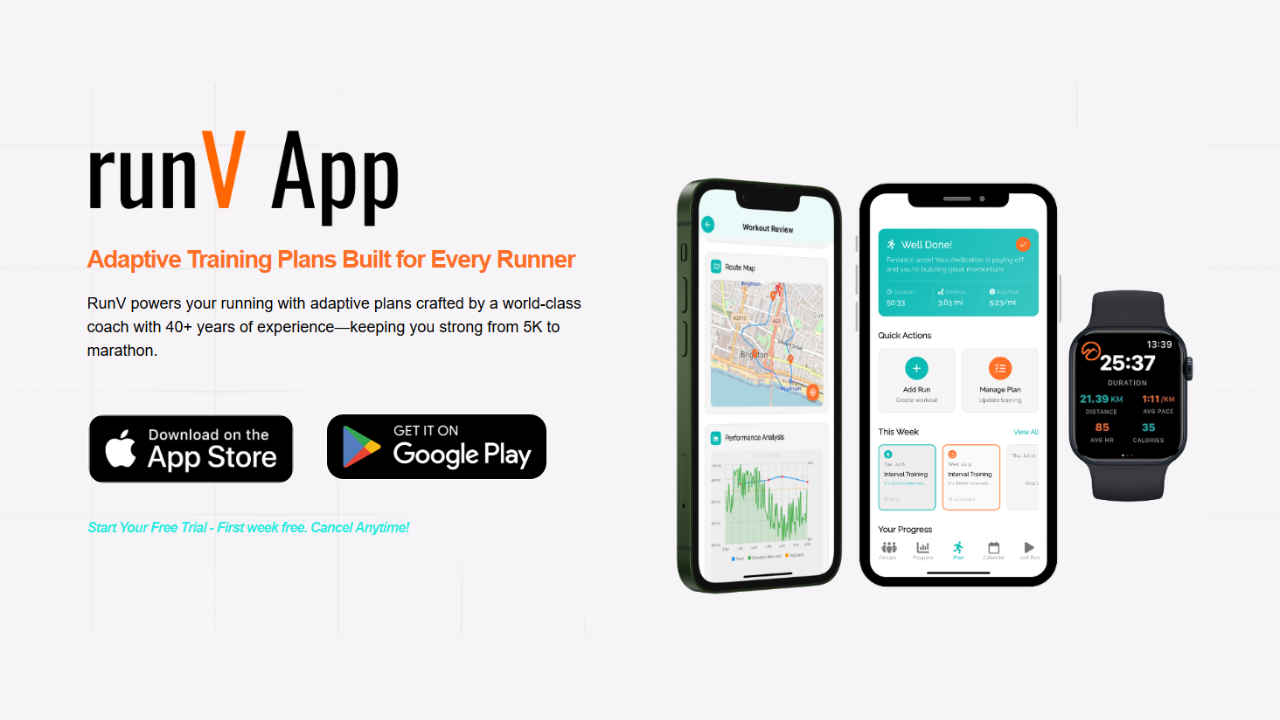
Exploring tools like the best running apps with powerful adaptive training plans can help you move beyond static spreadsheets to a living plan that evolves daily.
Balancing Tech Insights with Body Awareness
Tech is only as good as your ability to interpret it. A few guidelines:
- If both your watch and your body say “tired,” adjust immediately.
- If the watch says “tired,” but you feel great for several days, review your metrics and trends—don’t react to a single number.
- When in doubt, err slightly toward more recovery, not more intensity—especially during high-stress life periods.
A smart custom plan might include “decision points” each week where metrics and subjective feedback drive micro-adjustments.
—
Secret 7 – Mental Recovery, Stress Management, and Sustainable Motivation
Your brain and nervous system are part of your body. Mental fatigue can wreck workout quality just as thoroughly as sore calves. Sustainable progress requires psychological recovery built into your Custom Running Training Plan:.
Life Stress and Its Impact on Training
Your body doesn’t separate stress into “work,” “family,” and “training.” It just accumulates it. High life stress can:
- Increase risk of injury.
- Disrupt sleep and appetite.
- Reduce motivation and enjoyment of running.
A good plan is flexible enough to downshift during busy seasons—big deadlines, exams, travel, or family changes—without guilt or panic.
Tools for Mental Recovery
Integrate simple mental recovery practices:
- Breathwork: 5–10 minutes of slow, nasal breathing or box breathing.
- Mindfulness or meditation: 5–15 minutes on non-running days.
- Journaling: Track mood, stress, and gratitude as well as workouts.
- Unstructured fun runs: Occasionally leave the watch at home.
Including scheduled “mental off-days” where there is no performance goal can prevent burnout in long training cycles.
Motivation, Willpower, and Habit Design
Relying purely on willpower is fragile. Instead, build systems:
- Set routines: same days and times for key runs.
- Prepare gear the night before.
- Use social accountability—group runs or check-ins.
If you’ve ever bailed on workouts from sheer mental fatigue, frameworks like those in why willpower fails runners can help you rewire your environment and habits so training happens even when motivation dips.
—
Putting It All Together: Building a Recovery-First Custom Running Training Plan:
Integrating all seven secrets into your Custom Running Training Plan: may sound complex, but it comes down to a few core principles:
- Every hard session earns a deliberate recovery strategy.
- Data and body feedback guide weekly micro-adjustments.
- Sleep, nutrition, and mental health are tracked like workouts.
- Strength and mobility are long-term recovery investments.
Think of your plan as a living document. Each week, you:
- Review how you felt, what the data shows, and where stress came from.
- Adjust upcoming sessions: shift or cut workouts, add rest or active recovery, tweak nutrition focus.
- Refine your strategies—dropping what doesn’t help and doubling down on what does.
If you prefer not to DIY all this, using a dynamic system that creates and updates your plan when you Signup Now for a custom-oriented platform can offload much of the decision fatigue.
—
Sample Week: Recovery-Centered Custom Running Training Plan:
Below is an example for an intermediate runner training for a 10K or half marathon, running 5 days a week, with 2 key workouts. This shows how recovery is built around stress.
Monday – Recovery + Mobility
- Run: 30–40 minutes easy, conversational pace.
- Post-run: 5–10 minutes hip and ankle mobility, light foam rolling.
- Focus: Rebound from weekend long run.
Tuesday – Quality Session (Tempo or Intervals)
- Warm-up: 10–15 minutes easy + drills + 4–6 short strides.
- Main set: Example: 4 × 5 minutes at threshold with 2 minutes easy jog recovery.
- Cool-down: 10–15 minutes easy.
- Recovery plan: Post-run carbs + protein, hydration, early bedtime.
Wednesday – Active Recovery / Cross-Training
- Option A: 30–45 minutes very easy running.
- Option B: 40–60 minutes easy cycling or swimming.
- Strength: 25–35 minutes full-body strength, moderate loads.
- Focus: Maintain aerobic base, build durability, low mental load.
Thursday – Moderate Quality or Hills
- Warm-up: 15 minutes easy + drills.
- Main set: Example: 8 × 60–90 second hill repeats at strong effort with easy jog down.
- Cool-down: 10–15 minutes easy.
- Recovery: Foam rolling calves and quads, focus on protein intake.
If HRV and RHR are off, this day may be downgraded to an easy run or replaced with cross-training.
Friday – Easy Run + Mobility
- Run: 30–50 minutes easy, flat terrain.
- Extras: 6–8 short strides if legs feel good.
- Mobility: 10 minutes focusing on hips and hamstrings.
- Focus: Prime the body for Saturday long run while still recovering.
Saturday – Long Run
- Run: 60–120 minutes, mostly easy pace.
- Advanced option: Last 15–20 minutes at steady/moderate pace for more experienced runners.
- Recovery: Carb-focused meals for the rest of the day, electrolytes, early night.
Sunday – Rest or Very Light Active Recovery
- Option A: Complete rest—walks only, no structured training.
- Option B: 20–30 minutes light cycling or walking.
- Mental recovery: Light journaling about the week, planning next week’s adjustments.
This template is merely a framework. The key is that every workout has a partner recovery strategy, and the schedule flexes with your feedback and data.
—
Common Recovery Mistakes Runners Make (and How to Fix Them)
Even thoughtful runners often sabotage recovery without realizing it. Here are frequent pitfalls and their fixes.
Mistake 1 – “All Easy Runs Are Actually Medium”
Running too fast on easy days blurs training zones, leading to chronic fatigue. Fix it by:
- Using heart-rate caps or RPE instead of chasing pace.
- Accepting that easy pace will vary with heat, hills, and fatigue.
- Running with slower partners on recovery days.
Mistake 2 – Underestimating Life Stress
Treating every week as if life is calm and predictable leads to overload. Fix:
- Plan lighter weeks around known stressful periods (travel, events, work crunches).
- Allow yourself to swap a workout for an easy run or rest without guilt.
Mistake 3 – Chasing Every Metric, Ignoring How You Feel
Over-focusing on data can cause unnecessary anxiety. Fix:
- Use 2–3 core metrics, not everything your watch offers.
- Pair data with a simple daily 1–5 fatigue or mood rating.
Mistake 4 – Skipping Strength and Mobility
Ignoring these until you’re injured is costly. Fix:
- Start with 1 short strength session per week, then add another.
- Attach 5–10 minutes of mobility to a daily habit, like after brushing teeth at night.
Mistake 5 – Poor Pre-Bed Habits
Late-night screens, caffeine, or heavy meals reduce sleep quality. Fix:
- Create a 30-minute “wind-down” routine.
- Limit caffeine after mid-afternoon.
—
Final Tips: How to Evolve Your Recovery as You Get Fitter
As your fitness changes, so must your recovery strategy. A well-designed Custom Running Training Plan: adapts over months and years, not just weeks.
As You Improve Aerobically
You may:
- Handle more volume at the same perceived effort.
- Recover faster between similar sessions.
Adjust by:
- Increasing volume or slightly boosting intensity only after several stable, strong weeks.
- Maintaining at least 1 easier week out of every 3–4.
As You Age
Most runners over 35–40 benefit from:
- More recovery between hard efforts.
- Greater emphasis on strength training and mobility.
- Sharper attention to sleep and nutrition.
You might do fewer but higher-quality sessions, surrounded by more purposeful recovery.
As Your Goals Shift
Recovery volume and style will differ if you:
- Shift from 5K speed to marathon endurance.
- Move from casual running to competitive age-group racing.
- Transition between road, trail, and ultra distances.
Recalibrate your plan at the start of each new training block, not just carry forward the old structure.
—
Bringing It All Together
Powerful recovery isn’t a luxury add-on; it’s the core engine that lets a Custom Running Training Plan: deliver continuous progress. By combining individualized rest days, smarter sleep, targeted nutrition, active recovery, strength and mobility, tech-guided adjustments, and mental recharge, you create a system that’s resilient, adaptable, and sustainable.
When recovery is structured with the same care as your workouts, you stop oscillating between “crushing it” and “burned out” and start stacking productive weeks consistently—where real breakthroughs happen.