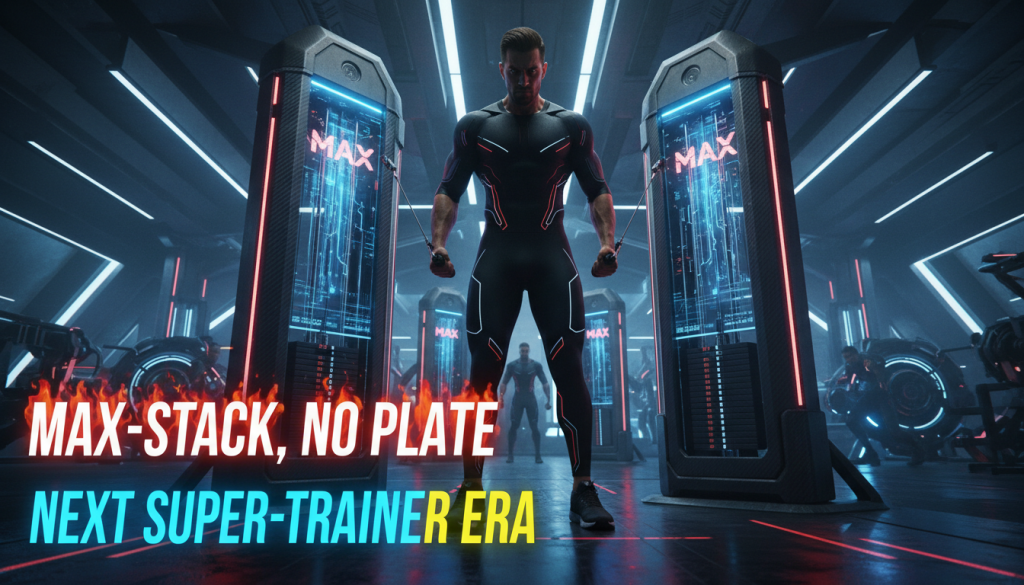
For years, super-shoes meant one thing: carbon plates and race-day only magic. Now a new phrase is reshaping daily training talk—“Max-Stack, Plate: Next Super-Trainer.” The latest wave of shoes pushes stack heights to the legal limit, experiments with foam chemistry, and questions whether a plate is really required to feel fast.
This week’s gear news is a turning point. Adidas, Arc’teryx, Hoka, and New Balance all dropped major models that redefine what everyday performance, trail speed, and joy-first running can look like.
Table of Contents
- The Big Picture: Why This Week’s Shoe Drops Matter
- Adidas Hyperboost Edge: Max Stack, No Plate, Daily Super-Trainer
- Arc’teryx Sylan 2: Supercritical Foam and Carbon for Fast Trails
- Hoka Mach 7: Lighter, Cooler Everyday Speed
- New Balance Ellipse: Joy-Driven Everyday Cushioning
- How to Choose the Right 2026 Shoe for Your Training
- RunV Tips: Matching Shoes to Smarter Training
- Conclusion: The Max-Stack, Plate: Next Super-Trainer Era Is Here
The Big Picture: Why This Week’s Shoe Drops Matter
Four launches in under a week have sharpened the contours of the 2026 shoe landscape:
- Adidas Hyperboost Edge – a towering, plate-free “super-trainer.”
- Arc’teryx Sylan 2 – carbon-plated, supercritical foam for aggressive trail running.
- Hoka Mach 7 – tuned for lightweight, breathable tempo work.
- New Balance Ellipse – joy-focused, rockered cushioning for everyday miles.
Together, they show how brands are diversifying around the “Max-Stack, Plate: Next Super-Trainer” trend. Instead of one shoe that does everything, brands now design clear roles: max-cushioned trainers, plated trail rockets, tempo specialists, and comfort-first workhorses.
For runners using data-driven plans and smart wearables, that specialization is a huge advantage. The right shoe on the right day can make it easier to hit paces, control fatigue, and reduce injury risk—especially when paired with a structured plan like an AI Dynamic Plan that adapts to your recovery and workload.
Adidas Hyperboost Edge: Max Stack, No Plate, Daily Super-Trainer
What Adidas Just Launched
Adidas has unveiled the Hyperboost Edge, its boldest entry yet into the “Max-Stack, Plate: Next Super-Trainer” conversation. The shoe features a massive 45 mm rearfoot stack—pushing the upper limit of what World Athletics allows for racing, but here tuned for daily miles rather than race-day only.
Instead of a carbon or nylon plate, Adidas is betting on a brand-new midsole compound called Hyperboost Pro. At around 255 g (~9 oz), the shoe keeps weight in check despite the towering foam.
Key Specs and Tech
- Stack height: 45 mm heel (full-stack max-cushion territory).
- Plate: None – a true plate-free super-trainer.
- Midsole: Hyperboost Pro, engineered for high energy return.
- Weight: ~255 g (9 oz).
In Adidas’ internal testing with 60 runners, 73% preferred the energy return of Hyperboost Edge, and 77% reported softer cushioning compared to what they currently run in. That’s a strong signal that the “Max-Stack, Plate: Next Super-Trainer” design direction resonates with everyday runners, not just elites.
Why a Max-Stack, Plate-Free Trainer Matters
Most super-trainers lean heavily on plates for propulsion, often making them less forgiving for easy days. With the Hyperboost Edge, Adidas aims for super-shoe bounce without the stiffness that can fatigue calves or feel awkward at slower paces.
Practical implications:
- Long runs: The 45 mm stack should soak up impact and reduce muscle damage.
- Easy days: No plate means more natural flex, likely better comfort at slower paces.
- Marathon training: A strong option for high-mileage blocks when you want super-shoe feel but durability and comfort.
For runners chasing big marathon goals, pairing a max-stack super-trainer like this with a plated racer can be powerful—train in comfort, race in aggression. If you’re structuring a first marathon build, layering in this kind of shoe on long runs alongside a smart schedule (for example, the principles in How to Train for 10 Powerful, Proven First Marathons) can reduce cumulative stress.
Who Hyperboost Edge Is Best For
- Runners logging 40–100 km per week who want maximum protection.
- Neutral runners looking for a top-tier daily trainer, not just a race shoe.
- Those who like super-shoe feel but dislike very stiff plates.
If your current daily is something like Saucony’s Endorphin Azura or Asics’ Megablast, the Hyperboost Edge sits right in that “Max-Stack, Plate: Next Super-Trainer” lane—arguably lighter, with a bounce-focused foam that could appeal to both heel- and midfoot-strikers.
Arc’teryx Sylan 2: Supercritical Foam and Carbon for Fast Trails
Arc’teryx Enters the Super Trail Race
On the other end of the spectrum from big-road trainers sits the Arc’teryx Sylan 2, a shoe pointed squarely at technical, fast mountain running. It pairs a carbon-fiber plate with a supercritical foam midsole—essentially bringing the super-shoe formula to the trail.
Launched globally March 5, 2026, at around $220, this is a premium tool for runners who want to attack steep climbs and tear down technical descents.
Key Specs and Design
- Stack height: 32 mm heel / 26 mm forefoot (6 mm drop).
- Plate: Full-length carbon-fiber plate.
- Midsole: Supercritical foam for higher rebound and lower weight.
- Upper: Refined fit and construction for better stability at speed.
Unlike the Max-Stack, Plate: Next Super-Trainer model of road shoes, the Sylan 2 uses a more moderate stack for better ground feel, but layers on stiffness and propulsion via carbon. The result is a platform that can feel snappy on runnable singletrack while staying composed on technical terrain.
Why a Carbon-Plated Trail Shoe Is Different
On road, plates mostly improve efficiency and reduce energy loss during toe-off. On trail, they also need to manage instability, off-camber surfaces, and sudden direction changes.
Arc’teryx appears to be targeting: (Runner’s World)
- Technical trail races: Where seconds per kilometer matter, but the terrain is unpredictable.
- FKTs and mountain time trials: Where responsiveness and stability both matter.
- Aggressive training days: Fast hill repeats, tempo trail runs, race simulations.
Runners should consider how this kind of plated trail shoe slots into their week. It’s probably not the best choice for easy recovery trail slogs, but for key workout days it could unlock faster paces with less muscular toll—especially if your training plan clearly designates which days should be hard, and which should be easy.
Who Sylan 2 Is For
- Trail runners racing half-marathon to ultra distances at speed.
- Mountain athletes who like the idea of a plated shoe but need traction and protection.
- Road runners stepping into trail racing who want a familiar “super-shoe” sensation off-road.
If you’re eyeing a mountainous goal race, integrating the Sylan 2 on key workouts while keeping a more forgiving shoe for easy days can help manage fatigue and lower overuse risk, especially if you respect the principles in How Proper Training Structure Cuts Injury Risk: 5 Proven Tips.
Hoka Mach 7: Lighter, Cooler Everyday Speed
The Evolution of a Tempo Staple
The Hoka Mach line has long been the quiet workhorse of tempo and progression runs—fast, light, but still cushioned enough for volume. The Mach 7 continues this legacy, tuning in on three key areas: weight, breathability, and fit.
Released March 5, 2026, for around $145–160, the Mach 7 sits squarely between low-stack speed shoes and Max-Stack, Plate: Next Super-Trainer-style behemoths.
Key Specs
- Weight: ~7.15 oz (women’s 8) / 8.37 oz (men’s 10).
- Drop: 5 mm – promoting a slightly forward-leaning posture.
- Upper: Creel jacquard for airflow and structured support.
- Ride: Firm-ish, responsive, designed for turnover.
This isn’t a Max-Stack, Plate: Next Super-Trainer in the pure sense—stack is generous but not towering, and there’s no plate. Instead, the Mach 7 aims to be your “daily fast” option: light enough to feel fast, cushioned enough to avoid beating you up.
Ideal Use Cases
- Tempo runs and threshold workouts: Where you want responsiveness, not pillow softness.
- Summer training blocks: The airy upper helps in heat and humidity.
- Shorter races: 5K–10K, or even half marathon for runners who prefer a non-plated feel.
For runners who like a simple three-shoe rotation, the Mach 7 fits naturally as the tempo shoe alongside a max-cushion daily trainer and a race-day carbon plate. It’s also a good option if you’re new to structured speedwork and aren’t yet ready for very stiff plated models.
Who Should Pick the Mach 7
- Runners looking for a light, breathable daily trainer for moderate mileage.
- Those who want a tempo shoe that still feels forgiving enough for longer efforts.
- Triathletes and multisport athletes needing a versatile, fast trainer.
If you’re working on making threshold and tempo runs a weekly habit, the Mach 7 can make those sessions feel smoother—especially when built into a consistency-focused approach like the one outlined in How to Stay Consistent: 7 Powerful, Proven Running Habits.
New Balance Ellipse: Joy-Driven Everyday Cushioning
A Shoe Built Around Feeling, Not Just Numbers
Not every runner wants to think about watts, VO₂, or PRs on every outing. The New Balance Ellipse is a response to that desire for “lost in the run” miles. With a smooth rockered profile and reworked Fresh Foam X cushioning, it focuses on comfort and enjoyment.
Available since March 5, 2026 (previewed February 25), the Ellipse is firmly in the everyday, cushioning-forward category—distinct from the Max-Stack, Plate: Next Super-Trainer arms race.
Key Specs
- Midsole: Fresh Foam X, tuned for softer, bouncier cushioning.
- Drop: 8 mm – a classic, accessible geometry.
- Weight: ~9.6 oz (men’s 9.5) / 7.6 oz (women’s 7).
- Profile: Rockered, encouraging forward roll.
The rockered design aims to make the stride feel smooth and almost automatic, especially at easy and recovery paces. Fresh Foam X gives a plush, engaging ride without drifting into marshmallow instability.
Why the Ellipse Stands Out
In a year dominated by Max-Stack, Plate: Next Super-Trainer headlines, the Ellipse takes a different angle: joy. It’s designed for runs where pace doesn’t matter, where you leave the watch on but don’t obsess over numbers.
That has real training value: (TrainingPeaks)
- Recovery days: Soft, rockered cushioning supports gentle turnover.
- Beginner plans: Comfort and predictability reduce barriers to starting.
- Mental health miles: A shoe that “disappears” underfoot supports low-pressure runs.
Who the Ellipse Is For
- New runners prioritizing comfort over speed.
- Experienced runners looking for a dedicated recovery shoe.
- Anyone wanting a daily trainer that encourages relaxed, flow-state running.
If your training plan includes truly easy runs, rest days, and mental reset sessions, the Ellipse might be the shoe that makes you actually look forward to them—complementing more aggressive shoes from the Max-Stack, Plate: Next Super-Trainer category for your harder sessions.
How to Choose the Right 2026 Shoe for Your Training
Think in Roles, Not Just Models
Rather than asking “Which shoe is best?” ask “Which shoe is best for this session?” Across these four launches, we can map clear roles:
- Hyperboost Edge: High-mileage, max-cushion daily and long-run trainer (road).
- Sylan 2: Fast, technical trail racing and hard workouts.
- Mach 7: Tempo, threshold, and faster daily runs (road).
- Ellipse: Easy days, recovery, beginner-friendly everyday miles.
Most runners will get the best return by pairing at least two complementary shoes, especially if they’re building towards events like half marathons or marathons where varied workouts are key.
Match Shoe Type to Session Type
- Easy / Recovery: New Balance Ellipse or Hyperboost Edge, depending on whether you want softness and joy, or max-stack protection.
- Long Runs: Hyperboost Edge for road; Sylan 2 for mountainous trail long runs.
- Tempos & Intervals: Hoka Mach 7 on road; Sylan 2 on trail.
- Mixed Terrain / Everyday: Ellipse for comfort, Mach 7 for speed-leaning weeks.
The Max-Stack, Plate: Next Super-Trainer approach doesn’t mean every shoe needs a massive midsole or a plate. It’s about using stack height, foam, and stiffness intelligently based on the demands of a given run.
Consider Your Biomechanics and Training Volume
- High mileage (60 km+/week): Strong case for a max-cushion daily like Hyperboost Edge plus a tempo shoe and a recovery shoe.
- Low to moderate mileage: One versatile trainer (Ellipse or Mach 7) plus one specialty shoe (Hyperboost Edge or Sylan 2) is often enough.
- Injury history: If you’re prone to calf/Achilles issues, be cautious with very stiff plated options and mix them with more flexible trainers.
RunV Tips: Matching Shoes to Smarter Training
Shoes Are Only as Good as the Plan Around Them
The Max-Stack, Plate: Next Super-Trainer trend can tempt runners to believe gear itself is the solution. In reality, shoes amplify the benefits of smart training—or amplify the risks of poor structure.
Key principles to keep in mind:
- Rotate at least two types of shoes to vary stress and reduce overuse risk.
- Use max-stack and plated models mainly for the sessions they’re built for.
- Let easy days be truly easy, in comfortable, forgiving shoes.
Tech-forward shoes pair best with tech-forward planning. If you’re using heart-rate or pace targets, align your shoe choice with the session’s physiological goal—especially if you’re experimenting with approaches like heart-rate training or adaptive plans.
To go deeper on how rapidly evolving gear like these shoes fits into the bigger 2026 tech picture, and how that impacts your daily miles, take a look at New 2026 Shoe Tech Is Rewriting Your Daily Miles.
Conclusion: The Max-Stack, Plate: Next Super-Trainer Era Is Here
This week’s launches mark a clear shift. Adidas’ Hyperboost Edge shows that max-stack doesn’t need a plate to feel super. Arc’teryx’s Sylan 2 proves carbon belongs on the mountain. Hoka’s Mach 7 refines everyday speed, and New Balance’s Ellipse reminds us that joy and comfort still matter most for many miles.
The “Max-Stack, Plate: Next Super-Trainer” era isn’t about one perfect shoe. It’s about having the right tools for long runs, intervals, mountain efforts, and easy recovery days—and pairing them with structured, sustainable training.
As more 2026 models drop, think less about hype and more about fit, role, and how each shoe supports your next training block. Choose one or two of these new releases that truly match your goals, plug them into a smart plan, and let your daily miles—not marketing copy—prove what really works.
Ready to put the new era of super-trainers to work in a season-long strategy? Build your upcoming block around clear goals, logical progressions, and smart gear choices so you can race and recover with confidence.