
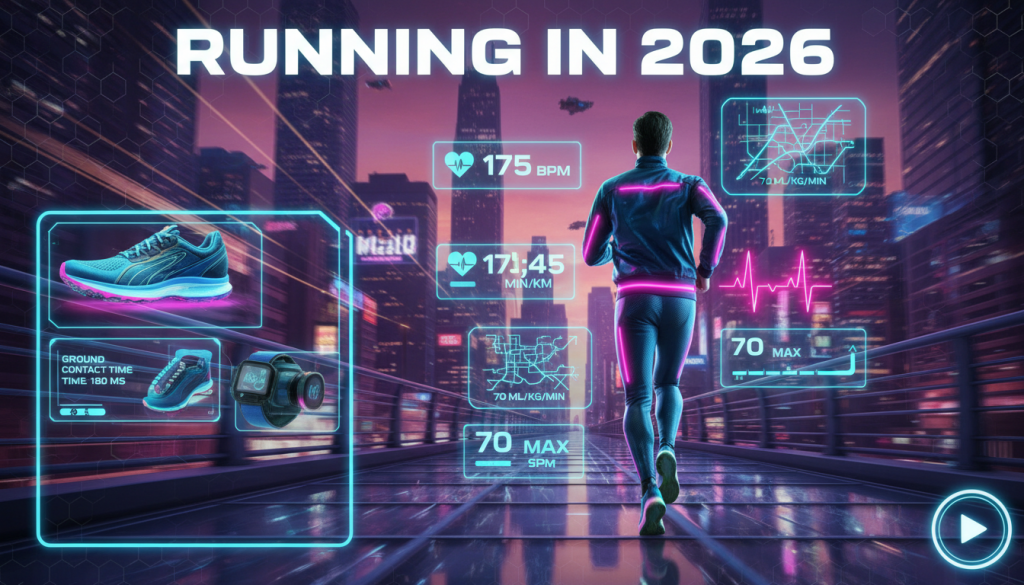
Next‑Gen Wearables Change Your daily run from “track and forget” into fully adaptive, real‑time coaching. In 2026, smartwatches and running wearables are shifting from passive data loggers to AI‑driven training partners that respond to your form, fatigue, and race goals while you’re still on the move.
New chips, pro‑level collaborations, and fresh competition from big tech are accelerating this shift. Here’s how three major news stories from the past few days point to where your training is headed next.
Table of Contents
- The New Era of Running Wearables
- Qualcomm Snapdragon Wear Elite: The AI Engine on Your Wrist
- Huawei + Eliud Kipchoge: A Pro‑Level Running Watch
- Meta’s “Malibu 2”: A Social and AI‑Powered Smartwatch
- How These Trends Will Change Your Running by 2026
- Practical Tips: How to Prepare for the Next Wave of Wearables
- Conclusion & Call‑to‑Action
The New Era of Running Wearables
Across the industry, Next‑Gen Wearables Change Your expectations in three key ways: more intelligence on the wrist, deeper performance insight, and tighter integration with your training life.
Until now, your smartwatch mostly recorded pace, heart rate, and distance, then pushed those numbers to an app. By 2026, on‑device AI, pro‑driven design, and new interfaces will mean your watch doesn’t just record your run—it helps shape it, minute by minute.
To see how, we’ll unpack three fresh developments: Qualcomm’s powerful new Snapdragon Wear Elite chip, Huawei’s partnership with Eliud Kipchoge on a pro watch, and Meta’s revived smartwatch project for 2026.
Qualcomm Snapdragon Wear Elite: The AI Engine on Your Wrist
What Qualcomm Announced
Last week at MWC 2026, Qualcomm officially unveiled Snapdragon Wear Elite, a next‑generation wearable System‑on‑Chip (SoC) fabricated on a 3 nm process. According to details reported from the event, it delivers up to five times the CPU power of previous chips and includes a dedicated NPU capable of around 12 TOPS for on‑device AI.
Early industry chatter suggests Samsung will use this chip in its upcoming Galaxy Watch Ultra 2, which would instantly put Elite‑powered wearables into the mainstream for serious runners.
Why the 3 nm Design Matters for Runners
Smaller manufacturing processes like 3 nm generally mean better performance per watt. For runners, that translates into two immediate wins: longer battery life and smoother real‑time feedback.
- Longer battery: Multi‑day GPS+HR tracking becomes more realistic, even with bright screens and continuous metrics.
- Responsive interfaces: Data screens, maps, and workout prompts can refresh faster with less lag on interval sessions.
- More complex analysis: Instead of offloading to your phone, the watch can crunch more numbers mid‑run.
As Next‑Gen Wearables Change Your expectation for battery and responsiveness, Elite‑class chips make powerful coaching features viable without hourly charging.
On‑Device AI: Real‑Time Coaching, Not Just Post‑Run Reports
The dedicated NPU is where this chip really changes things. With up to 12 TOPS of AI compute, your watch can process multiple sensor streams locally in real time, even in airplane mode.
Imagine your watch continuously blending GPS, wrist‑based HR, accelerometer data, wrist temperature, and possibly even muscle oxygen or ECG. With on‑device AI, Next‑Gen Wearables Change Your in‑run experience in several ways:
- Dynamic pacing advice: Instead of static target paces, it can adjust suggested pace based on heart rate drift, fatigue signals, and terrain.
- Cadence and form feedback: Subtle haptic cues if your cadence drops below your efficient range or if impact peaks rise later in a long run.
- Context‑aware alerts: If your pace unexpectedly drops alongside rising HR, it can suggest backing off or fueling, not just warn you after the run.
- Offline intelligence: You still get advanced insights on a trail run with no phone signal and no cloud access.
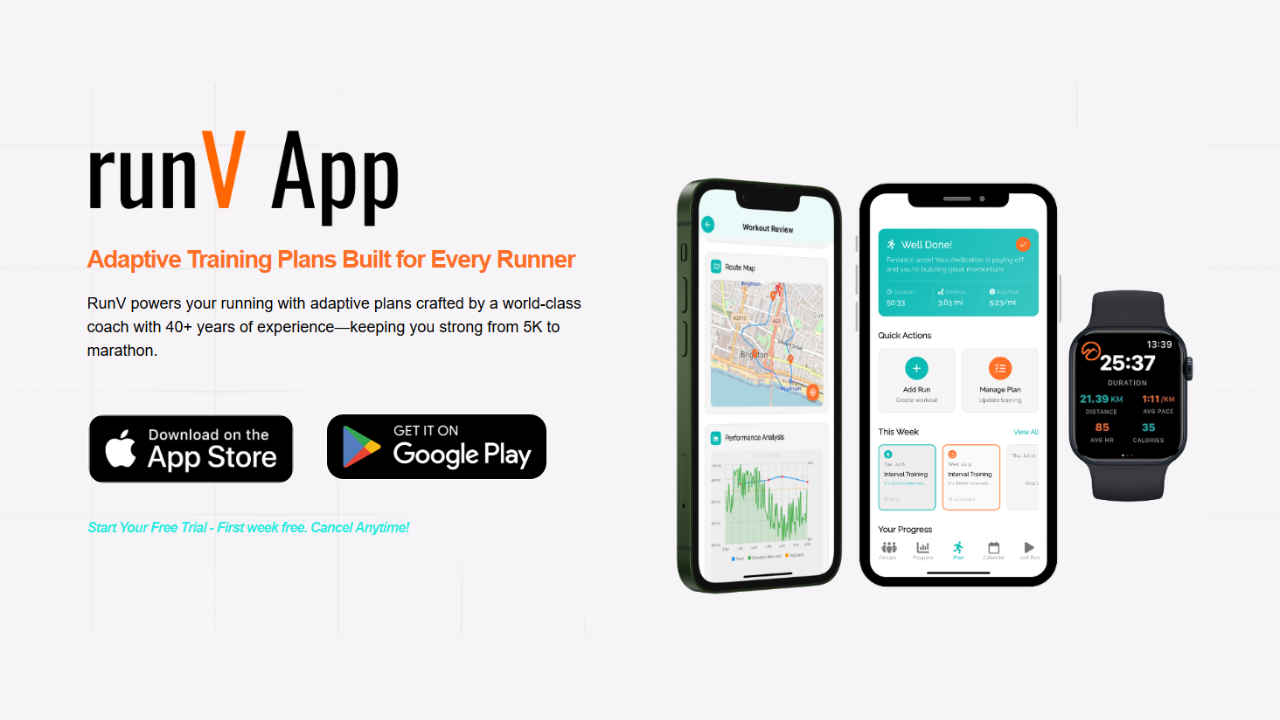
This is where integration with adaptive training systems becomes powerful. An AI‑aware smartwatch pairs naturally with an AI Dynamic Plan that adapts your workouts based on how you actually run, not just what’s on a static schedule.
Better Sensor Fusion and Recovery Insight
More compute also means improved sensor fusion—combining GPS, inertial sensors, and heart data for cleaner pace, distance, and effort estimates. For runners, that can reduce frustration from:
- Erratic pace readings in urban canyons
- Cadence miscounts on treadmills
- Inconsistent wrist‑HR during intervals
Recovery features can also step up. Instead of a simple “24 hours to recover” estimation, Next‑Gen Wearables Change Your rest decisions by factoring in sleep quality, HRV trends, and how your last few workouts deviated from plan, all computed on‑device.
What This Means for Your Watch Choices
Snapdragon Wear Elite won’t be in every watch overnight. But by late 2026, expect a clear split:
- Entry‑level watches: Basic tracking, limited AI, more reliance on phone/cloud.
- Elite‑class watches: On‑device AI coaching, better battery, richer data visualizations mid‑run.
If you’ll be chasing a PR at a major Marathon in late 2026 or 2027, it’s realistic that your race‑day watch will be powered by a chip like Wear Elite.
Huawei + Eliud Kipchoge: A Pro‑Level Running Watch
The Partnership: Innovation Meets Athletics
On January 26, 2026, Huawei announced a strategic partnership with the dsm‑firmenich Running Team, anchored by marathon legend Eliud Kipchoge, to build a new professional‑grade running smartwatch. The device is still unnamed, with specs and launch date under wraps, but the direction is clear: this is not a casual lifestyle tracker.
Huawei built strong fitness wearables in the past, but had moved more toward generalist smartwatches. This collaboration signals a renewed focus on high‑accuracy, high‑performance running tools.
Why Elite Athlete Input Matters
When elite runners like Kipchoge contribute to design, Next‑Gen Wearables Change Your day‑to‑day experience—because features that survive the elite testing gauntlet tend to be precise and practical:
- More accurate pace and splits: Pros demand lap precision and reliable GPS in dense race environments.
- Race‑focused workout modes: Support for multi‑segment race simulations, negative split strategies, and customized warm‑ups.
- Marathon‑specific metrics: Fueling reminders, carb burn estimates, and optimized pacing guidance for 42.2K.
Elite design influence can also refine UI: fewer taps to start key workouts, more legible data fields at race pace, and haptics tuned to be noticeable but not disruptive.
What Might Be Different About Huawei’s Pro Watch
Huawei is likely to lean on its strengths: long battery life, strong optical heart‑rate sensors, and increasingly capable software. Combined with elite input, runners might see: (AI-powered next-gen wearables)
- Advanced running economy tracking: Better estimates of efficiency changes over a training block.
- Biomechanics insights: Ground contact time or vertical oscillation hints, if compatible sensors are included.
- Tailored training plans: Structured workouts inspired by how pros periodize for major marathons.
Used well, these features let Next‑Gen Wearables Change Your understanding of training structure, so you can avoid common mistakes like over‑racing workouts or under‑valuing recovery. For deeper context on training structure and injury prevention, see How Proper Training Structure Cuts Injury Risk: 5 Proven Tips.
Implications for the Wider Market
Huawei’s re‑entry into performance wearables increases pressure on Garmin, Coros, Polar, Apple, and Samsung in the serious‑runner segment. Even if you never buy a Huawei watch, you benefit from the competition:
- More aggressive updates around running metrics and AI coaching.
- Better integration of training load, recovery, and injury‑risk warnings.
- Greater focus on multi‑week and multi‑month training journeys, not just daily streaks.
Expect more brands to highlight how their Next‑Gen Wearables Change Your full training cycle—from base building through race taper—rather than selling only “number of sports profiles” or watch faces.
Meta’s “Malibu 2”: A Social and AI‑Powered Smartwatch
Meta Steps Back into Smartwatches
According to recent leaks from The Information, shared via Reddit, Meta is reviving its smartwatch plans with a device codenamed “Malibu 2,” targeting a 2026 launch. The reported focus: health tracking, AI features, and novel input methods that fit into Meta’s broader ecosystem.
Meta previously shelved a smartwatch project, but the rapid rise of AI assistants and the push for on‑body interfaces in AR/VR experiences seem to have pulled the company back into the wearables race.
Potential Health and Running Features
Exact specs aren’t confirmed, but considering Meta’s strengths, Malibu 2 may emphasize:
- AI‑driven coaching and summarization: Natural language explanations of your workouts and progress.
- Deep integration with social platforms: Shared run highlights, group challenges, and live tracking baked into Meta apps.
- Novel control interfaces: Gesture‑based or voice‑first inputs for interacting mid‑run without complex button presses.
If executed well, Next‑Gen Wearables Change Your motivation by making social reinforcement and community support as central as raw metrics.
Opportunities and Concerns for Runners
Meta’s ecosystem could create compelling experiences: virtual pace groups with friends, shared AI‑designed workouts, and integrated post‑run recaps delivered right into your social feeds. But runners will also have questions:
- Data privacy: How are performance and health metrics stored and used?
- Training integrity: Are recommendations based on sound sports science or engagement metrics?
- Battery and reliability: Can a social‑heavy watch go the distance in a long run without dying?
As Next‑Gen Wearables Change Your relationship with data sharing, many runners will look for platforms that balance social features with strong privacy protections and evidence‑based training advice.
How These Trends Will Change Your Running by 2026
From Static Plans to Live, Adaptive Coaching
The combined effect of Qualcomm’s on‑device AI, Huawei’s pro focus, and Meta’s AI‑social integration is clear: training plans will stop being static PDFs or simple calendar entries.
By late 2026, expect your wearable to:
- Adjust interval targets on the fly if your heart rate is too high for the day’s goal.
- Shorten or extend long runs based on how you’ve recovered from prior sessions.
- Flag early warning signs of overtraining from changes in sleep, HRV, or form metrics.
This is exactly where platforms that deliver adaptive plans—rather than fixed schedules—become essential. Next‑Gen Wearables Change Your outcomes most when paired with flexible coaching frameworks that can respond to real‑world chaos: missed runs, bad sleep, or sudden niggles.
Deeper Insight into Form, Cadence, and Fatigue
With more compute and better sensor fusion on the wrist, expect easier access to metrics once reserved for lab testing, such as cadence trends, impact loading, and form drift over long sessions.
Used correctly, these insights let Next‑Gen Wearables Change Your mechanics, not just your mileage. If you’re not yet comfortable using cadence data, a helpful primer is The Role of Cadence: 7 Proven Ways for Powerful Racing, which explains how stride rate connects to efficiency and injury risk.
AI‑enhanced watches may soon transform basic alerts into actionable coaching, such as: (AI wearables change training)
- “Your cadence has dropped 5% over the last 20 minutes. Consider shortening your stride slightly.”
- “Ground contact time is increasing with each kilometer—fatigue might be setting in; back off the pace by 10–15 seconds.”
Injury‑Risk Monitoring and Smarter Recovery
As more data streams are analyzed in real time, Next‑Gen Wearables Change Your ability to spot trouble before it becomes an injury. Instead of generic “you might be tired” prompts, you might see:
- Patterns of elevated resting heart rate and disrupted sleep after big workouts.
- Form asymmetries that worsen as your long run progresses.
- Training load spikes that exceed your recent baseline.
Expect future watches to highlight when to scale back mileage, modify a workout, or swap a session for cross‑training. Combining this with evidence‑based guidance—like spotting early risk signs or knowing when to hold mileage—will help you maintain consistency through 2026’s ambitious goals.
Social and Community Integration
Meta’s entry plus existing platforms means more emphasis on group challenges, virtual pace groups, and shared AI insights. Done well, this can help Next‑Gen Wearables Change Your motivation curve, especially during tough training blocks or winter base phases.
Look for features like:
- Shared adaptive plans with teammates aiming for the same race.
- AI‑generated highlight summaries you can post for accountability.
- Live pacing or audio encouragement from friends during key workouts.
Practical Tips: How to Prepare for the Next Wave of Wearables
1. Clarify What You Actually Need
Before buying a new device, list your non‑negotiables: battery life for long runs, accuracy priorities (HR vs. GPS), and must‑have metrics (cadence, HRV, structured workouts). Next‑Gen Wearables Change Your choices by adding AI buzzwords everywhere, but you’ll still need a device that serves your specific goals.
If you’re unsure how to prioritize features, guides like How to Pick the Right GPS Watch for Your Next Big Goal can help you separate marketing from must‑haves.
2. Build Habits Around Data, Not Just Devices
Even with advanced AI, your watch can’t make decisions for you. Start now by developing habits:
- Check post‑run summaries for trends, not just daily stats.
- Use training load and recovery suggestions as a starting point, then adjust with how you feel.
- Review weekly patterns: which workouts leave you most fatigued?
Those habits ensure that when Next‑Gen Wearables Change Your data depth, you’re ready to interpret and act on it.
3. Prepare for Adaptive Plans and In‑Run Adjustments
Static training plans are gradually giving way to adaptive systems that account for your reality: travel, sickness, missed runs, or unexpected fatigue. Over the next two years, watch‑based AI and cloud‑based coaches will converge.
To make the most of this, get used to:
- Listening to in‑run prompts about pacing or effort—then noticing how your body responds.
- Allowing your plan to change when life happens, rather than forcing every scheduled session.
- Monitoring warning signs like persistent soreness or performance drops across similar sessions.
4. Keep an Eye on Privacy and Ecosystem Lock‑In
As Next‑Gen Wearables Change Your data footprint, consider who owns that information and how you can export or protect it. Before committing to a new ecosystem, check:
- Whether you can export your data in standard formats.
- What privacy policies say about health and location history.
- How easily you can switch platforms without losing key training history.
5. Pair Your Wearable with Smarter Coaching Tools
Hardware is only half the equation. The biggest gains come when powerful devices are combined with flexible, science‑based training guidance. Over the next couple of seasons, consider investing in platforms that:
- Adapt to your real‑world schedule, not just idealized weekly volumes.
- Incorporate fatigue signals and recovery into your plan.
- Help you set realistic, staged goals—5K, 10K, then half or full marathons.
Conclusion: Get Ready for Smarter, More Responsive Runs
The latest news—Qualcomm’s Snapdragon Wear Elite, Huawei’s Kipchoge‑backed pro watch, and Meta’s Malibu 2 project—signals a clear direction: Next‑Gen Wearables Change Your running by moving from passive tracking to real‑time, on‑wrist coaching rooted in AI and elite practice.
By 2026, expect your watch to:
- Understand your fatigue and adapt workouts mid‑session.
- Offer targeted form and cadence guidance, not just raw numbers.
- Connect more deeply with your social and training ecosystems.
If you want to capitalize on this shift, start building good data habits now, and match your hardware with adaptive, intelligent training support. When you’re ready to plug your current or future wearable into smarter, AI‑driven coaching built specifically for runners, you can Signup Now and be prepared for the way Next‑Gen Wearables Change Your running in 2026 and beyond.