

If you want to Train Smart Majors Boston style in 2026 and beyond, the game is changing fast. Boston is tightening the rules on downhill qualifiers, New York City’s lottery odds are plunging, Chicago’s standards are sharper, and Berlin keeps reminding us what “fast” really looks like. To land a bib—and make it count—you need more than mileage. You need strategy.
Table of Contents
- 1. Boston Marathon’s 2027 Rule Shake-Up: What It Really Means
- 2. NYC Marathon Lottery Explosion: Training When Odds Are 2–3%
- 3. Chicago Marathon 2026: Faster Standards, Bigger Crowds
- 4. Berlin Marathon 2025 Results: What Everyday Runners Can Learn
- 5. How to Train Smart Across All Majors
- 6. Gear, Recovery, and Data: Quiet Performance Multipliers
- 7. Conclusion & Call-to-Action
1. Boston Marathon’s 2027 Rule Shake-Up: What It Really Means
New Time Index Rules: Downhills Lose Their Edge
Boston’s aura has always been about earning your way in. Starting with the 2027 race, that just got more literal. The B.A.A.’s new “time index” system will adjust qualifying marks from downhill courses by:
- +5 minutes added for net elevation drops of 1,500–2,999 feet
- +10 minutes added for net drops of 3,000–6,000 feet
Registration for the 2026 Boston Marathon is set for September 8–12, 2025, but smart runners are already planning for what comes after. If you want to Train Smart Majors Boston-wise, your choice of qualifier course now matters as much as your training block.
Why Boston Made This Change
Interest in Boston has surged while field size stays capped. Downhill courses—famous for PRs—have been a shortcut to Boston Qualifiers (BQs). The new rule aims to:
- Normalize times between flat/rolling and steep downhill races
- Reduce the advantage of “gravity-assisted” courses
- Keep standards fair while demand keeps climbing
In practice, a 3:25:00 marathon on a 2,000-foot net drop course will now be treated like a 3:30:00 qualifier. That’s a seismic shift for strategy.
How to Choose Your Boston Qualifier Now
If your long-term goal is to Train Smart Majors Boston and get in cleanly, rethink your race calendar:
- Prioritize moderate courses: Flat or slightly rolling events now carry more qualifying “honesty.”
- Check course profiles: Elevation maps matter; chasing a huge downhill gain may backfire under the time index.
- Target earlier qualifiers: Run a Boston-eligible race at least a year out in case you need a second attempt.
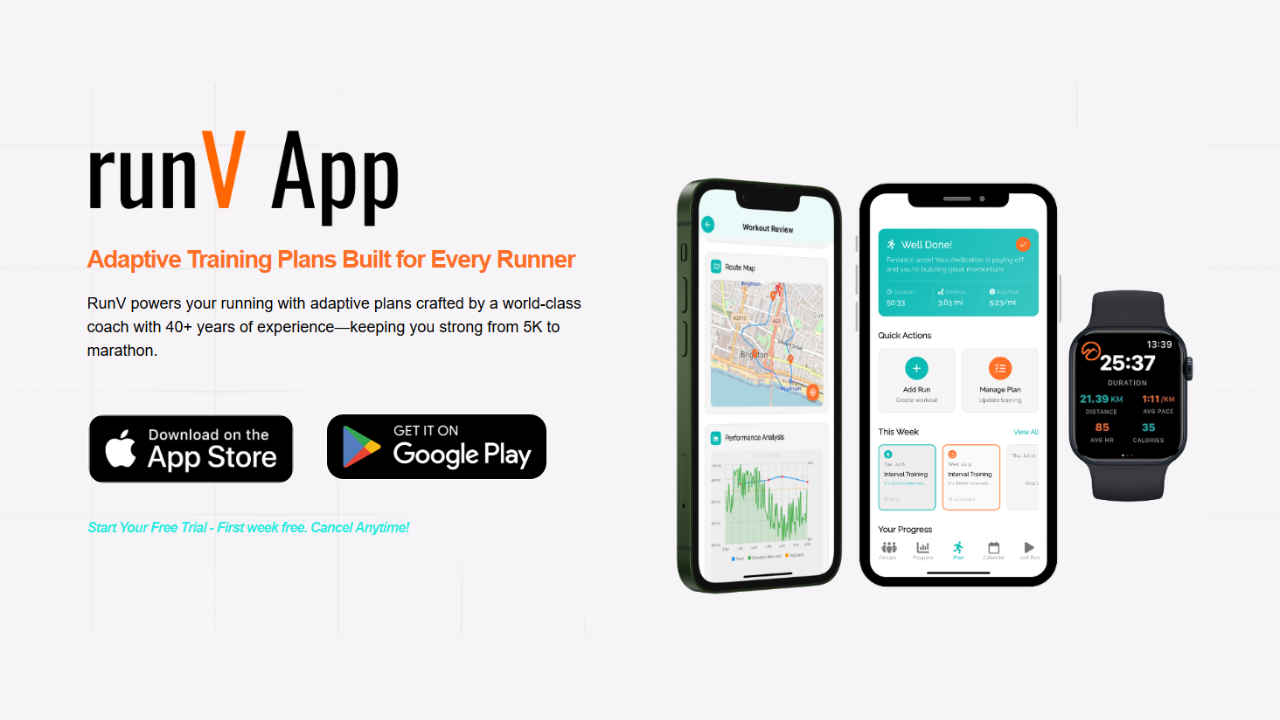
Using an adaptive plan such as an AI Dynamic Plan can help you line up your training peak with the right qualifier course instead of gambling on one big day.
Training Implications: Build “Transferable” Fitness
The best way to future-proof your Boston dreams is to train for fitness that travels between courses:
- Hill strength: Not just downhills. Controlled climbs build durability and keep form efficient late in the race.
- Tempo and threshold work: Sustained efforts at or near marathon pace on gently rolling terrain prepare you for a variety of courses.
- Downhill technique, safely: You still need eccentric quad strength, but overdoing downhill sessions invites injury.
To truly Train Smart Majors Boston, stop thinking “perfect course” and start thinking “any course fitness.”
2. NYC Marathon Lottery Explosion: Training When Odds Are 2–3%
NYC 2025: Record Demand, Tiny Acceptance Rate
The 2025 TCS New York City Marathon lottery drew more than 200,000 applicants, a 22% jump in a single year. Yet only about 2–3% of non-guaranteed entrants will make it through the lottery.
If New York is your dream race, hoping for luck is no longer a real strategy. You need a multi-channel plan—and training that fits each route.
Non-Lottery Paths: Time, Charity, and More
With lottery odds this thin, your path to Staten Island’s start village probably looks like one of these:
- Time-qualified entry: Hitting aggressive standards at approved races.
- Charity bibs: Committing to fundraising with an official charity partner.
- NYRR 9+1 program: Completing nine scored races and one volunteer shift in the qualifying window.
To Train Smart Majors Boston style across NYC and other majors, align your training block with the most realistic path instead of waiting on a lottery email.
Training If You’re Targeting Time Qualification
Time-qualifying for NYC often means sharpening beyond “just finish” fitness. Key focuses:
- Race-specific long runs: Incorporate bridges or hills to mimic NYC’s late-race punches.
- Progressive long efforts: Finish the last 20–40 minutes near marathon pace.
- Speed support: 5K/10K pace intervals to raise your ceiling so marathon pace feels more sustainable.
A structured marathon-focused framework like the Marathon resources from RunV can help you balance pace goals, volume, and recovery without overreaching.
Training If You’re Going the Charity Route
The charity path brings guaranteed entry—but also time and emotional demands from fundraising:
- Start your base early: Build mileage before fundraising ramps up.
- Plan your calendar: Block out long run days and fundraising events so they don’t collide.
- Use flexible training blocks: If a big fundraiser wipes you out, your plan should adjust, not guilt you.
In a world where demand is exploding across majors, World Major Marathons Are Exploding—and Runners Feel It is a useful lens on why a flexible entry and training strategy matters more than ever.
3. Chicago Marathon 2026: Faster Standards, Bigger Crowds
Chicago 2026 by the Numbers
The 2026 Bank of America Chicago Marathon, set for October 11, 2026, will be the race’s 48th edition. It has already logged more than 200,000 applications, with about 53,000 finishers expected.
What’s new is not just the scale, but the standards. Shortened automatic qualification times mean the “easy” path into Chicago is getting tougher.
(Official Boston training)
How Tight Qualification Affects Your Training Window
Earlier, you might have squeaked in with a borderline qualifying mark. Now:
- You likely need a bigger buffer under the official standard.
- Your peak race may need to shift to take advantage of spring or early fall qualifiers.
- Plan for back-up races if your first attempt is derailed by weather, illness, or pacing errors.
To Train Smart Majors Boston and Chicago alike, treat your marathon season as a multi-race campaign, not a single coin flip.
Chicago as a PR and BQ Course
Chicago is famously flat and fast, ideal for personal bests and qualifying attempts. But that also makes it:
- A magnet for ambitious pacing and crash-and-burn stories.
- A test of mental focus, since the course’s flatness can feel monotonous.
- A place where weather (heat or wind) can heavily influence outcomes.
If you’re using Chicago as a stepping stone to Boston, your plan should simulate steady, even pacing on flat routes along with occasional heat or wind exposure sessions to build resilience.
Considering Charity for Chicago
Given the surge in applications, charity entries have become an increasingly important back door. That doesn’t mean you lower performance expectations; it changes how you balance life and training.
For deeper strategy on this side of the equation, see why Why Your Next Chicago Marathon Spot Might Start With Charity can be a realistic and powerful entry path, especially if you’re not yet at automatic qualifying level.
4. Berlin Marathon 2025 Results: What Everyday Runners Can Learn
Headline Performances From Berlin 2025
The 51st Berlin Marathon on September 21, 2025, kept its reputation as one of the fastest marathons on the planet. Highlights:
- Men: Kenyan Sabastian Sawe, 2:02:16
- Women: Rosemary Wanjiru, 2:21:05
- Wheelchair Men: Marcel Hug
- Wheelchair Women: Manuela Schär
While these times are out of reach for most runners, the race offers critical lessons if you want to Train Smart Majors Boston and beyond.
Why Berlin Is So Fast
Berlin’s formula:
- Flat, sheltered course with few tight turns.
- Cool fall conditions more often than not.
- Deep elite fields that create strong pacing trains.
Recreational runners can’t replicate Berlin exactly, but they can mimic elements: choosing flatter courses for PB attempts, racing in cooler seasons, and using paced groups or consistent GPS pacing to mirror that metronomic rhythm.
Setting Realistic Goals Off Elite Benchmarks
Use races like Berlin as a reference, not an unrealistic comparison point:
- Calculate your current fitness with a recent 5K/10K and project a realistic marathon pace.
- Plan “A/B/C” goals: dream, realistic, and fallback based on conditions.
- Review elite races to learn pacing discipline, not just to idolize times.
If your ultimate goal is to Train Smart Majors Boston and treat one major as a stepping stone to another, Berlin-style flat events can be the perfect place to test and upgrade your marathon ceiling.
5. How to Train Smart Across All Majors
Build a Multi-Year Major Strategy
With Boston changing qualification math and NYC/Chicago tightening access, rushing everything into one season is risky. Instead:
- Year 1–2: Build base, chase a breakthrough PR, experiment with distances.
- Year 2–3: Target one or two serious BQ or time-qualifying attempts.
- Year 3+: Refine pacing, sharpen, and slot in majors as you earn entries.
This is how you truly Train Smart Majors Boston and beyond: treat majors as part of a long arc, not instant gratification.
(Marathon Training 101)
Key Training Pillars for All Majors
Regardless of city, successful marathon builds share four pillars:
- Consistent easy mileage: 70–80% of your volume at conversational pace.
- Quality workouts: Tempo, threshold, and marathon-pace sessions 1–2 times per week.
- Race-specific long runs: Terrain, fueling, and pacing that match your target major.
- Deliberate recovery: Sleep, nutrition, and cutback weeks to actually absorb training.
If your schedule is variable, an adaptive framework such as Why Adaptive Plans Protect: 7 Essential, Proven Runner Benefits shows why dynamic adjustments often produce better long-term results than rigid one-size-fits-all plans.
Course-Specific Adjustments
To Train Smart Majors Boston and for other majors, tailor your block:
- Boston: Emphasize rolling hills, downhill strength, and late-race quad resilience.
- NYC: Bridge repeats, long runs with late hills, and wind exposure.
- Chicago: Flat tempo work, pace discipline, and weather-flexible goals.
- Berlin: Pure pace metronomy, smooth fueling, and aero-friendly gear choices.
Injury Prevention in a High-Demand Era
As you chase multiple majors, volume and intensity creep upward. To stay in one piece:
- Cap aggressive weekly mileage jumps at ~10%.
- Rotate shoes and run some miles on softer surfaces.
- Use regular strength work (hips, glutes, calves, core) 2–3 times weekly.
Staying healthy is itself a competitive advantage, especially now that securing a bib is only half the battle.
6. Gear, Recovery, and Data: Quiet Performance Multipliers
Recovery: The Overlooked “Workout”
With majors getting harder to access, wasted races from poor recovery are costlier. To Train Smart Majors Boston and beyond:
- Plan recovery days as deliberately as workouts.
- Use post-race and post-long-run protocols: carbs, protein, gentle mobility, and sleep.
- Include down weeks every 3–4 weeks.
If you want a deeper dive into practical tactics, How to Recover Faster: 7 Proven Powerful Session Secrets is a useful guide for turning rest into speed.
Smart Shoes and Seasonal Gear
Gear won’t earn you a Boston bib alone, but it can turn potential into performance:
- Daily trainers: Comfortable, durable shoes that handle 80–90% of your miles.
- Super shoes: Carbon-plated race shoes reserved for key workouts and race day.
- Seasonal kit: Winter-ready layers so cold weather doesn’t derail base building.
Comfort and consistency are underrated. If winter conditions threaten your build, a smart seasonal update—like the strategies in “How to Upgrade Your Winter Run Kit Right Now”—helps keep your training on track.
Using Data Without Letting It Run You
GPS watches and wearables make it easier to Train Smart Majors Boston style, but only if you use data intelligently:
- Monitor trends, not single runs: pace, HR, and sleep across weeks.
- Use effort scales on days when GPS is unreliable or conditions are extreme.
- Check recovery metrics before forcing hard sessions when you’re run down.
Data should shape decisions, not trap you. Use it as a coach on your wrist, not a critic.
7. Conclusion & Call-to-Action
Boston’s new time index rules, NYC’s record-breaking lottery, Chicago’s tightened standards, and Berlin’s relentless speed all point to one truth: the age of casual major marathon entry is over. To thrive, you need to Train Smart Majors Boston and major-by-major with a clear plan, course-specific training, and serious respect for recovery.
The runners who will stand on Boylston, in Central Park, along Columbus Drive, or under Berlin’s Brandenburg Gate in the next few years won’t just be the fittest. They’ll be the most strategic.
If you’re ready to turn scattered goals into a structured, adaptive pathway to the majors, explore how a dynamic, personalized training approach can fit your life and ambitions—starting today. Your next start line begins with the plan you choose now.