

Running a strong 5K doesn’t have to mean grinding through every step. A well‑designed run‑walk 5K program can unlock speed, endurance, and confidence—without trashing your body. In this Training Plan Proven Powerful guide, you’ll learn how to use strategic run‑walk intervals, smart tech, and recovery to run faster, feel better, and actually enjoy 5K training.
Whether you’re chasing your first finish or trying to break a stubborn PR, this article will show you how to turn run‑walk into a performance weapon, not a fallback.
—
Table of Contents
- Why Run‑Walk Works for 5K Training
- Overview of the 8‑Week 5K Run‑Walk Training Plan
- Secret 1 – The Training Plan Proven Powerful Foundation: Start Easy, Build Smart
- Secret 2 – Training Plan Proven Powerful Intervals: Finding Your Ideal Run‑Walk Ratio
- Secret 3 – Using Tech and Wearables to Supercharge Run‑Walk
- Secret 4 – Recovery: The Hidden Engine Behind Powerful 5K Gains
- Secret 5 – Strength, Mobility, and Form for Faster Run‑Walk 5Ks
- Secret 6 – Pacing, Mindset, and Race‑Day Strategy
- Secret 7 – Adjusting the Training Plan Proven Powerful When Life Happens
- Detailed 8‑Week 5K Run‑Walk Training Plan
- Best Gear and Tech for Run‑Walk 5K Training
- Final Tips: Turning Your First 5K into a Launchpad
—
Why Run‑Walk Works for 5K Training
Run‑walk training is not “giving up.” It’s a strategy to control fatigue and maintain quality across every session. When used inside a Training Plan Proven Powerful structure, run‑walk intervals can:
– Reduce injury risk by lowering impact per minute
– Improve aerobic development through longer total time on feet
– Let you hit faster running paces during short run segments
– Keep motivation high by breaking runs into manageable chunks
For busy runners and beginners, this method offers predictable progress without needing huge weekly mileage. Even advanced athletes use run‑walk on easy days or in hot conditions to protect key workouts.
—
Overview of the 8‑Week 5K Run‑Walk Training Plan
Before diving into the seven secrets, here’s how the plan is structured:
– Duration: 8 weeks
– Weekly frequency: 3–4 run‑walk days + 1–2 strength/mobility days
– Longest run: 40–45 minutes, mostly easy run‑walk
– Focus: Gradual progression of total time, not just speed
The plan is flexible: you can shift days, repeat weeks, or extend the schedule to 10–12 weeks if you’re very new to exercise or coming back from a break.
—
Secret 1 – The Training Plan Proven Powerful Foundation: Start Easy, Build Smart
A Training Plan Proven Powerful doesn’t start with heroic workouts. It starts by meeting your current fitness where it is and building carefully from there.
Assess Your Starting Point
Ask yourself:
– Can you walk briskly for 30 minutes without stopping?
– Can you jog lightly for 5 minutes without gasping?
– Have you run regularly in the last 3 months?
If you can walk 30 minutes but not run 5, this run‑walk plan is ideal. If you can already run 20–30 minutes non‑stop but want a safer build, use shorter walk breaks and faster paces in the running segments.
Apply the 10–15% Progression Rule
Smart 5K plans grow gradually. Increase your total weekly running time by no more than 10–15% most weeks. If you bump from 60 to 70 minutes of running in one week, hold near that level the next week rather than jumping again.
If you feel stale or unusually tired, it’s a perfect time to “hold” your training load. Learning when to hold mileage can be the difference between finishing strong and getting hurt or burnt out.
Keep Easy Effort Truly Easy
Your easy segments should feel like:
– Conversational breathing
– A pace where sentences, not single words, are possible
– RPE (Rate of Perceived Exertion) around 3–4 out of 10
If your easy runs feel like a grind, you’re going too fast—or you’re under‑recovered. You should finish most sessions feeling like you could do a bit more, not like you survived a test.
—
Secret 2 – Training Plan Proven Powerful Intervals: Finding Your Ideal Run‑Walk Ratio
The heart of this Training Plan Proven Powerful method is interval structure. The magic isn’t in heroic single runs; it’s in repeatable run‑walk sets you can handle week after week.
Common Run‑Walk Ratios
Here are effective combos to experiment with:
– Beginner: 30–45s run / 60–90s walk
– Returning runner: 1 min run / 1 min walk
– Intermediate: 2 min run / 1 min walk
– Advanced run‑walk: 4–5 min run / 1 min walk
The plan below uses 1:1 and 2:1 structures, but you can shift within these ranges if needed.
How to Choose Your Ratio
Use this simple test:
– After 10–15 minutes of intervals, ask “Could I keep this going for another 10 minutes?”
– If yes, you’re in the right zone.
– If no, extend the walk or shorten the run segments.
The best ratio isn’t the one that looks most impressive on paper; it’s the one you can sustain with solid form and steady breathing.
Progressing the Intervals
You don’t have to change your run‑walk ratio every week. You can:
– Add one or two extra intervals at the same ratio
– Keep the run intervals the same but shorten walks slightly
– Maintain your favorite ratio and gradually increase overall duration
A Training Plan Proven Powerful doesn’t rush these changes. It respects the time it takes for joints, tendons, and your nervous system to adapt.
—
Secret 3 – Using Tech and Wearables to Supercharge Run‑Walk
Your phone, GPS watch, and apps can make run‑walk training almost effortless to execute and track.
Set Interval Alerts on Your Watch or Phone
Most modern GPS watches and running apps allow you to:
– Program custom intervals (e.g., 2:00 run / 1:00 walk)
– Set vibration or beep alerts at each change
– Auto‑lap and save splits for later analysis
If you’re choosing a new device, it’s worth learning how to pick the right GPS watch for your next big goal so interval features and battery life support your training style.
Use Heart Rate as a Safety Guardrail
Even if you don’t train by zones formally, heart rate can help you:
– Avoid turning “easy” days into stealth tempo runs
– Spot fatigue if your heart rate is unusually high at easy paces
– Confirm that walk breaks are bringing your heart rate down
If you want to dive deeper into this, training by heart rate offers powerful benefits for beginners and experienced runners alike.
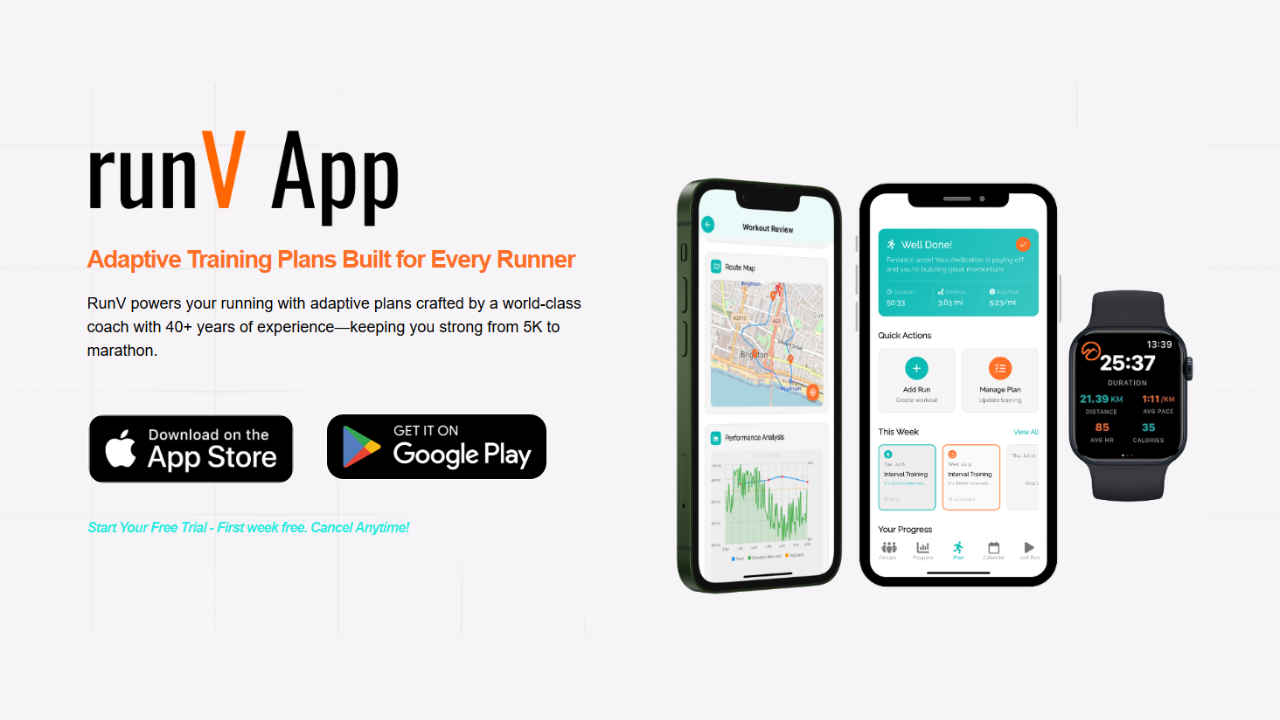
Leverage Running Apps and Adaptive Plans
Adaptive training apps can:
– Adjust upcoming runs based on your completed workouts
– Modify intensity after missed sessions or fatigue spikes
– Provide audio cues for run‑walk changes
While a static plan works, a semi‑dynamic structure can be more forgiving when life interferes, as we’ll cover in Secret 7.
—
Secret 4 – Recovery: The Hidden Engine Behind Powerful 5K Gains
Progress comes when you recover from training stress. Without recovery, even the best Training Plan Proven Powerful design stalls—or breaks you.
Sleep, Stress, and the 5K Runner
For most adults, the tightest limiter isn’t time to train—it’s capacity to recover. Focus on:
– 7–9 hours of consistent sleep, when possible
– A pre‑bed routine to reduce screen time and calm the nervous system
– Managing life stress with breathing exercises, short walks, or mobility flows
Poor sleep and chronic stress quietly erode performance, raise injury risk, and make every workout feel harder.
Fueling for Short Runs Still Matters
Even for 30–45 minute run‑walk sessions:
– Aim for a carb‑rich snack 60–90 minutes before running if your last meal was several hours ago
– Hydrate steadily during the day, not just right before heading out
– Eat a balanced meal with carbs and protein within 1–2 hours after workouts
You don’t need gels for most 5K training, but you do need consistent daily nutrition.
Respect Recovery Days
On rest or cross‑training days:
– Walking, light cycling, or gentle yoga are perfect
– Avoid turning “easy cross‑training” into a hard spin class if you’re already fatigued
– Listen to subtle signals: heavy legs, grumpiness, persistent aches
If you routinely ignore recovery needs, you’ll experience exactly what many runners learn the hard way—how skipping recovery slows powerful gains.
—
Secret 5 – Strength, Mobility, and Form for Faster Run‑Walk 5Ks
Stronger, more mobile runners waste less energy and tolerate more training, even at modest weekly mileage.
Strength Training Essentials
Twice per week, 20–30 minutes is enough. Prioritize:
– Squats (bodyweight or goblet)
– Lunges or split squats
– Hip hinges (deadlifts, Romanian deadlifts)
– Calf raises (bent and straight knee)
– Core work: planks, dead bugs, side planks
Do 2–3 sets of 8–12 reps with good form. You don’t need to crush yourself—just enough load that the last few reps feel challenging but controlled.
Mobility and Warm‑Up
Before each run‑walk session:
– 3–5 minutes of brisk walking
– Dynamic leg swings (front‑to‑back and side‑to‑side)
– Light hip circles and ankle circles
– 2–3 short, easy strides if you feel stiff
After sessions, 3–5 minutes of easy walking and light calf/hip flexor stretching can reduce stiffness.
Run Form Fundamentals
During run segments, periodically check:
– Posture: tall through the crown of your head, slight forward lean from the ankles
– Cadence: aim for a quick, light foot strike (not overstriding)
– Relaxation: shake out shoulders and hands if they tense up
Good form in short run segments reduces impact and helps you run faster with less effort.
—
Secret 6 – Pacing, Mindset, and Race‑Day Strategy
A Training Plan Proven Powerful isn’t only about workouts; it’s also about how you think and pace on race day.
Practice Your Race‑Day Strategy in Training
Decide early:
– Will you use run‑walk throughout the race?
– Or will you run more continuously, using walk breaks at water stations?
Practice that pattern in your weekly “steady” session so it feels automatic.
Smart 5K Pacing for Run‑Walk Athletes
A great 5K strategy:
– Start at a pace that feels “comfortably hard,” not desperate
– Use walk segments from the beginning, not only when exhausted
– Aim for the second half to be equal or slightly faster than the first
Resist the urge to sprint off with the crowd. Let your Training Plan Proven Powerful work unfold; pass people in the final kilometer instead of being the one getting passed.
Mental Tricks for Tough Moments
When you’re tempted to quit or shorten intervals:
– Shrink the focus to the next 30–60 seconds
– Use mantras like “smooth and steady” or “strong steps”
– Lock onto someone slightly ahead and “quietly chase” them
You’re not just training legs and lungs; you’re training your decision‑making under stress. That skill carries into every race you run.
—
Secret 7 – Adjusting the Training Plan Proven Powerful When Life Happens
No plan survives perfectly intact. Meetings run late, kids get sick, bodies rebel. A Training Plan Proven Powerful is adaptable, not fragile.
When You Miss a Single Workout
If you miss one run in a week:
– Don’t “double up” intervals the next day
– Resume as planned, or add 5–10 minutes of easy running to another session
– Keep the long run at its scheduled duration
You lose almost nothing from one missed workout, but you can hurt yourself trying to “make up” for it.
When You Miss Several Runs
If you miss 3+ runs in a row:
– Repeat the previous successful week of training
– Drop interval intensity slightly for 1–2 sessions
– Prioritize consistency over total volume
There’s an art to mid‑plan changes; strategies like those in smart training adjustments after missed runs can keep you on track long term.
Listening to Early Warning Signs
Pay attention to:
– New, sharp pains that alter your stride
– Unusual fatigue that doesn’t improve after extra sleep
– Elevated morning heart rate or persistent soreness
These are signals to downshift: reduce volume by 25–40% for a week and keep all running truly easy. That’s how you preserve momentum over months, not just weeks.
—
Detailed 8‑Week 5K Run‑Walk Training Plan
Below is an 8‑week Training Plan Proven Powerful 5K structure. Adjust days to fit your schedule (e.g., Mon/Wed/Fri for runs).
Intensity Key
– Easy: conversational, relaxed
– Steady: a bit challenging but sustainable
– Hard: controlled but tough; only in short intervals
Week 1
– Day 1: 5 min brisk walk warm‑up, then 8 x (30s easy run / 90s walk), 5 min cool‑down walk
– Day 2: Strength + mobility, 20–30 min
– Day 3: 5 min walk, then 10 x (30s run / 60s walk), 5 min walk
– Day 4: Optional cross‑train (bike, elliptical, or brisk walk, 20–30 min)
– Day 5: 5 min walk, then 6 x (1 min run / 2 min walk), 5–10 min walk
Total time: ~75–90 minutes for the week.
Week 2
– Day 1: 5 min walk, 10 x (45s run / 75s walk), 5 min walk
– Day 2: Strength + mobility
– Day 3: 5 min walk, 8 x (1 min run / 90s walk), 5 min walk
– Day 4: Optional cross‑train, 20–30 min
– Day 5: 5 min walk, 8 x (1 min run / 2 min walk), 5–10 min walk
Total time: modest increase over Week 1.
Week 3
– Day 1: 5 min walk, 10 x (1 min run / 90s walk), 5 min walk
– Day 2: Strength + mobility
– Day 3: 5 min walk, 6 x (90s run / 90s walk), 5 min walk
– Day 4: Optional cross‑train
– Day 5: 5 min walk, 8 x (90s run / 2 min walk), 5–10 min walk
You’re now running a bit more than walking in some segments.
Week 4
“Consolidation” week: hold or slightly reduce volume to let adaptations catch up.
– Day 1: 5 min walk, 8 x (90s run / 2 min walk), 5 min walk
– Day 2: Strength + mobility
– Day 3: 5 min walk, 6 x (2 min run / 2 min walk), 5 min walk
– Day 4: Optional cross‑train or rest
– Day 5: 5 min walk, 6 x (2 min run / 90s walk), 5–10 min walk
Focus on control and comfort, not speed.
Week 5
– Day 1: 5 min walk, 8 x (2 min run / 90s walk), 5 min walk
– Day 2: Strength + mobility
– Day 3: 5 min walk, 5 x (3 min run / 90s walk), 5 min walk
– Day 4: Optional cross‑train
– Day 5: 5 min walk, 30 min continuous run‑walk at preferred ratio (e.g., 2:1 or 3:1)
This is your first “longer” continuous run‑walk by time.
Week 6
– Day 1: 5 min walk, 6 x (3 min run / 90s walk), 5 min walk
– Day 2: Strength + mobility
– Day 3: 5 min walk, 5 x (4 min run / 90s walk), 5 min walk
– Day 4: Optional cross‑train
– Day 5: 5 min walk, 35 min continuous run‑walk at chosen ratio
You’re edging toward 5K‑equivalent time on feet, even if distance is slightly less.
Week 7
– Day 1: 5 min walk, 6 x (4 min run / 1 min walk), 5 min walk
– Day 2: Strength + light mobility
– Day 3: 5 min walk, 4 x (5 min run / 1 min walk), 5 min walk
– Day 4: Optional cross‑train or rest
– Day 5: 5 min walk, 40 min continuous run‑walk at preferred ratio; last 5 minutes slightly faster if feeling strong
This week often delivers a mental shift—you realize 5K is comfortably within reach.
Week 8 – Race Week
– Day 1: 5 min walk, 5 x (3 min run / 90s walk), 5 min walk
– Day 2: Light strength or mobility only
– Day 3: 5 min walk, 4 x (2 min run / 1 min walk), 5 min walk; all easy
– Day 4: Rest or gentle walk
– Day 5: Race day or race rehearsal:
– 5–10 min easy run‑walk warm‑up
– 5K race using your practiced run‑walk strategy
If you haven’t chosen a specific event, tracking your 5K time on a safe loop or treadmill still provides a clear performance benchmark. For more context on the distance itself, this 5k overview is useful.
—
Best Gear and Tech for Run‑Walk 5K Training
Your gear can make training more comfortable, safer, and more fun—especially when you’re juggling pace changes and weather.
Running Shoes
Look for:
– Cushion that matches your preference (plush vs responsive)
– A comfortable, secure upper
– Enough stability for your stride pattern
Rotating between two pairs can reduce repetitive stress and extend shoe life. If you like exploring new models, roundups like “New Kicks, Softer Rides” or tech‑forward insights such as neuroscience shoes and softer trainers can help you find models that suit both run and walk segments.
Clothing and Accessories
– Technical tops and shorts or tights that wick sweat
– Anti‑chafe balm for longer run‑walk days
– A running belt or armband for phone, keys, and nutrition
– A light cap or visor and sunglasses in sunny conditions
Small comfort upgrades often lead to better consistency and fewer excuses.
Tech and Apps
– GPS watch or phone app for distance, pace, and intervals
– Heart rate strap or wrist‑based monitor
– Interval timer or app for audio cues
Some platforms also allow adaptive coaching, adjusting your Training Plan Proven Powerful based on completed sessions, recovery data, and upcoming goals.
—
Final Tips: Turning Your First 5K into a Launchpad
Run‑walk training is more than a stepping stone—it can be your long‑term performance tool. Many runners find they race faster when they intentionally insert short walks than when they stubbornly “run” every step and fade hard.
To extend your gains beyond this plan:
– After race day, take a light week with reduced volume
– Decide whether your next target is a faster 5K, a 10K, or simply more consistent weekly running
– Keep 1–2 strength sessions per week in your schedule
If you enjoy data and customization, tools that show you how adaptive running plans deliver powerful gains can help you evolve this 5K foundation into a full season of smart training.
Above all, remember: a Training Plan Proven Powerful is one you can repeat, adapt, and build on—without burning out. Run‑walk is not a compromise; it’s a method. Use it well, and your 5K will be just the beginning.