
For years, cutting‑edge run data and personalized coaching lived on the wrists of elites. Now, a wave of new GPS watches is changing that fast. From AI coaching to marathon‑ready navigation, these are truly Watches Bringing Pro‑Level Training features to everyday runners, often at prices that undercut traditional “premium” devices.
This week’s fitness‑tech news shows just how quickly the gap between pros and recreational runners is closing. Whether you’re training for your first 5K or chasing a Boston qualifier, the latest launches and updates can upgrade how you plan, execute, and recover from every run.
Table of Contents
- Amazfit Active 3 Premium: High‑End Features Under $200
- Huawei Watch GT Runner 2: Kipchoge’s Marathon‑Ready Wearable
- Garmin’s Q1 2026 Update: AI Coaching and Smarter Recovery
- Qualcomm Snapdragon Wear Elite: The AI Engine Behind Future Watches
- Apple Watch Series 11: A Discounted Gateway to Pro‑Level Health Data
- Big‑Picture Trends: How GPS Watches Are Bringing Pro‑Level Training to Everyone
- How to Choose the Right Watch for Your Training
- Conclusion and Call‑to‑Action
Amazfit Active 3 Premium: High‑End Features Under $200
What’s New in Amazfit’s Runner‑Focused Watch
Amazfit’s new Active 3 Premium might be the clearest case yet of Watches Bringing Pro‑Level Training down to budget‑friendly territory. At just $169.99, it delivers features that used to be reserved for flagship models well over $300.
The standout hardware includes a 1.32″ AMOLED display protected by sapphire glass, giving you the durability usually seen on top‑tier multisport watches. The six‑satellite GPS system promises solid accuracy, and offline mapping with turn‑by‑turn navigation is baked in.
Offline Maps and Navigation: Trail‑Runner Territory on a Budget
Offline mapping is a big step forward for runners who race or explore new routes. You can load a GPX file, follow your course on‑wrist, and still see turn prompts if your phone stays at home. That’s rare at this price.
For trail runners or anyone venturing into unfamiliar neighborhoods, this makes the Active 3 Premium one of the most practical Watches Bringing Pro‑Level Training to entry‑level and intermediate athletes.
Advanced Running Metrics and Zepp Coach
Amazfit isn’t only about maps. The watch also tracks form‑focused metrics such as posture indicators and ground contact balance. These are the kind of insights once locked behind high‑end Garmin or Polar models.
Zepp Coach adds adaptive training plans that adjust as you log workouts. The plans may not be as nuanced as working with experienced human coaches, but they give structure: periodized workouts, recovery days, and progressive overload built into your schedule.
Battery Life and Real‑World Training Use
With 12–13 days of general use and around 24 hours of GPS, most runners can get through a full training week or even a marathon race without charging. That’s enough for long Sunday runs, midweek intervals, and an occasional trail adventure.
If you’re a new half‑marathoner or 10K runner looking for Watches Bringing Pro‑Level Training features without premium pricing, the Active 3 Premium should be on your shortlist.
Huawei Watch GT Runner 2: Kipchoge’s Marathon‑Ready Wearable
Co‑Created with Eliud Kipchoge
The new Huawei Watch GT Runner 2 arrives with something few devices can claim: input from marathon world‑record holder Eliud Kipchoge. The result is a watch built squarely for serious road racing, with an emphasis on marathon readiness and race‑day execution.
Marathon Mode and Race‑Specific Coaching
Huawei’s intelligent Marathon Mode aims to guide you from training cycle to finish line. It weaves together training load, fatigue, and race‑day strategy, then surfaces actionable suggestions.
Runners can get pacing recommendations, structured workouts, and even race‑specific guidance. That aligns closely with what many athletes seek in modern Watches Bringing Pro‑Level Training: not just data, but decisions made easier.
Hydration Alerts, Lactate Threshold, and Running Power
Hydration is often ignored until it’s too late. The Watch GT Runner 2 adds real‑time hydration alerts based on sweat estimates, duration, and conditions, reminding you to drink before your performance dips.
On the performance side, the watch estimates lactate threshold and running power. These metrics can help define more precise tempo and threshold workouts, rather than relying solely on pace or “feel.” Used well, they support smarter execution in those final race‑deciding miles.
3D GPS Antenna and Battery Life
Huawei’s 3D floating‑antenna system is designed to reduce signal drop‑outs in dense cities or under tree cover. For urban runners, more reliable splits mean better post‑run analysis and more accurate pacing practice.
Up to 32 hours of GPS means the GT Runner 2 easily covers a full marathon, an ultra, or a high‑volume training week. That runtime cements its place among Watches Bringing Pro‑Level Training capability to runners who routinely push past the two‑hour mark.
Garmin’s Q1 2026 Update: AI Coaching and Smarter Recovery
Software Is the New Hardware Upgrade
Garmin’s latest firmware update might be the most important news for runners already invested in its ecosystem. Rather than releasing new devices, Garmin rolled out a massive feature set to recent models like the fēnix 8, Venu X1/4, and Forerunner 970/570.
This is another way Watches Bringing Pro‑Level Training reach more athletes: via software upgrades that unlock new capabilities on existing hardware.
Gear Tracking: Know When to Retire Your Shoes
The new Gear Tracking system lets you log mileage and elevation for different shoes and gear. You can group shoes by type (daily trainers, super shoes, trail) and monitor wear across multiple pairs.
This matters for performance and injury prevention. Retiring shoes at the right time and rotating models can reduce impact stress. If you’re curious about how footwear tech and watches work together, check out how new 2026 shoe tech is rewriting your daily miles while your watch tracks the load.
Sleep Alignment and Circadian‑Aware Recovery
Garmin’s new Sleep Alignment feature goes beyond simple “hours slept.” It compares your sleep timing to your circadian rhythm targets, helping you optimize when you sleep, not just how long.
For runners chasing PRs, this is a crucial evolution in Watches Bringing Pro‑Level Training. Recovery insights now reflect both training load and sleep timing, giving you a clearer green‑light or red‑light signal on hard sessions.
Course Planner and Pacing Checkpoints
The updated Course Planner lets you set pacing checkpoints, target finish times, and even cutoff times along a course. That’s invaluable for marathons and trail races with strict time limits.
Instead of guessing if you’re on track, your watch can tell you if you’re ahead or behind schedule, based on your planned splits. Used alongside a good taper strategy, it can help avoid the pacing errors highlighted in many race‑prep guides like marathon taper mistakes that ruin essential race results. (Advanced GPS running watches)
Garmin Fitness Coach: AI‑Driven Adaptive Training
The new Garmin Fitness Coach acts as an AI training partner built into your wrist. It analyzes your recent workouts, fatigue markers, and goals, then adjusts your plan dynamically.
For busy athletes, this may be the most powerful example of Watches Bringing Pro‑Level Training to everyday life. Miss a long run or over‑cook an interval session? The coach can ease the next day, extend a recovery block, or shift your key workouts.
While it doesn’t replace individual coaching, it dramatically reduces the risk of blindly following a static plan when life gets messy.
Qualcomm Snapdragon Wear Elite: The AI Engine Behind Future Watches
Why a Chipset Matters to Runners
At MWC 2026, Qualcomm unveiled the Snapdragon Wear Elite platform, designed to power advanced wearables including smartwatches, smart glasses, and AI pins. It may sound distant from your next tempo run, but this chip could define how Watches Bringing Pro‑Level Training behave for years.
The key shift is on‑device AI: a dedicated NPU that can run large language models locally, with optimized power use and low latency.
On‑Device AI: Real‑Time, Offline Coaching
Today’s coaching apps often rely on the cloud, which brings delays and demands stable connectivity. Snapdragon Wear Elite allows more of that intelligence to live directly on your wrist.
In practical terms, this opens doors for:
- Real‑time, offline pace and form feedback
- On‑the‑fly workout adjustments based on heart rate or conditions
- Voice‑driven guidance without needing your phone
- Deeper, context‑aware insights during the run, not just afterward
These are the hallmarks of true Watches Bringing Pro‑Level Training to the masses: instant, personalized guidance, even with your phone in airplane mode.
Galaxy Watch 9 and the Next Wave of Performance Wearables
Samsung has already confirmed that its upcoming Galaxy Watch 9 will use Snapdragon Wear Elite. That means one of the world’s most popular smartwatch lines will likely step up its running and fitness intelligence significantly.
Expect more nuanced coaching, multimodal input (voice, motion, sensor data), and smarter race‑day support. As more brands adopt the platform, these capabilities will likely trickle down into mid‑range devices as well.
Apple Watch Series 11: A Discounted Gateway to Pro‑Level Health Data
Lowest‑Ever Price Brings More Runners into the Ecosystem
The Apple Watch Series 11, released in 2025, has dropped below $300 on Amazon—its lowest price so far. For iPhone users, this discount makes it one of the most appealing Watches Bringing Pro‑Level Training and health features into a mainstream price bracket.
While Apple’s positioning is lifestyle‑first, the Series 11’s new sensors and battery improvements are especially useful for runners.
Blood Pressure, Sleep Apnea, and Recovery Monitoring
Series 11 adds a blood pressure monitor and sleep apnea detection, extending Apple’s push into medical‑grade health metrics. For runners, this isn’t just “extra data”—it can flag systemic stress that affects training readiness.
Combined with improved sleep analysis, these features help you identify when fatigue is more than just training load. As Watches Bringing Pro‑Level Training get better at health triage, long‑term consistency becomes easier to maintain.
Battery, 5G, and Durability Upgrades
Up to 24 hours of battery life and faster charging mean the Series 11 now comfortably supports long runs, marathon races, or back‑to‑back workouts without constant charger anxiety.
5G connectivity and stronger Ion‑X glass enhance both real‑time data syncing and durability. For runners who use Apple Fitness+, Strava, or other apps, this makes the watch a more capable standalone training hub.
Getting the Most from Your Apple Watch as a Runner
To truly turn Apple’s ecosystem into one of the Watches Bringing Pro‑Level Training experiences, you’ll want to dial in your heart rate training zones and workout structure.
Configuring zones correctly can transform your easy runs, thresholds, and intervals from guesswork into targeted sessions. If you’re not sure where to start, guides like how to set up powerful Apple Watch heart rate zones are invaluable for making your data actionable. (Watches with advanced training)
Big‑Picture Trends: How GPS Watches Are Bringing Pro‑Level Training to Everyone
1. Pro Features at Every Price Point
This week’s launches and updates show a clear pattern: Watches Bringing Pro‑Level Training aren’t just $600 flagships anymore. Amazfit’s Active 3 Premium provides offline maps and form metrics under $200. Garmin’s software uplift retrofits advanced coaching onto existing devices.
Whether you buy budget, mid‑range, or top‑end, you’re getting tools that were “elite only” just a few seasons ago.
2. Race‑Specific Tools Replace Generic Tracking
Huawei’s Marathon Mode, Garmin’s course pacing checkpoints, and increasingly sophisticated race‑day insights mark a shift from simple “distance and time” tracking to rich, event‑specific support.
For marathoners and half‑marathoners, this is a huge benefit. You can build an entire race plan—hydration, pacing, fueling, and taper—around what your watch tells you and then refine it with educational resources and your own coach or training plan.
3. Smarter Recovery and Sleep Insights
Garmin’s circadian‑aware Sleep Alignment and Apple’s blood pressure and sleep apnea tools highlight another pillar of Watches Bringing Pro‑Level Training: recovery management.
Instead of simply logging “hours slept,” these devices identify poor timing, stress, and underlying issues that can compromise training. That enables you to adjust early—before minor fatigue becomes a full‑blown injury or burnout.
4. On‑Device AI and Real‑Time Personalization
Qualcomm’s Snapdragon Wear Elite and Garmin’s AI Fitness Coach embody a broader trend: your watch isn’t just recording data; it’s interpreting and acting on it in real time.
As language models, pattern recognition, and predictive analytics move onto your wrist, Watches Bringing Pro‑Level Training will feel less like static devices and more like dynamic partners, adjusting workouts mid‑run based on your body’s signals.
5. Integration with Training Ecosystems and Apps
All of these devices become more powerful when paired with smart training platforms. AI plans, adaptable workouts, and coaches who interpret watch data can make the difference between plateau and breakthrough.
If you’re using a data‑savvy training app that incorporates these signals into your weekly structure, you’re leveraging Watches Bringing Pro‑Level Training in the way they’re truly designed to be used.
How to Choose the Right Watch for Your Training
Match the Watch to Your Primary Goal
- New to structured training: The Amazfit Active 3 Premium gives you navigation, form metrics, and adaptive coaching at a low cost.
- Marathon‑focused road runner: Huawei’s Watch GT Runner 2 is tuned for long‑distance racing with Marathon Mode, hydration alerts, and powerful GPS.
- Existing Garmin user: Update your firmware and explore Fitness Coach, Gear Tracking, and Course Planner before considering new hardware.
- Apple ecosystem runner: The discounted Series 11 is a strong entry into Watches Bringing Pro‑Level Training, especially when paired with robust training apps.
Key Features to Prioritize
When comparing options, focus less on brand and more on how features align with your real training:
- Battery Life: At least 10–12 hours of GPS if you race marathons or do long trail runs.
- Navigation: Offline maps or breadcrumb routing for trail and race courses.
- Coaching Intelligence: Adaptive plans or AI guidance that can adjust when you miss a workout or feel fatigued.
- Health and Recovery Sensors: HRV, sleep, and possibly blood pressure or apnea detection if you have risk factors.
- Platform Flexibility: Seamless integration with your preferred training app and data exports.
Pair Your Watch with a Smarter Training Plan
Even the most advanced Watches Bringing Pro‑Level Training won’t help if your plan is unrealistic or rigid. Look for adaptive schedules that can respond when life gets in the way, and use your watch to monitor how your body is handling the workload.
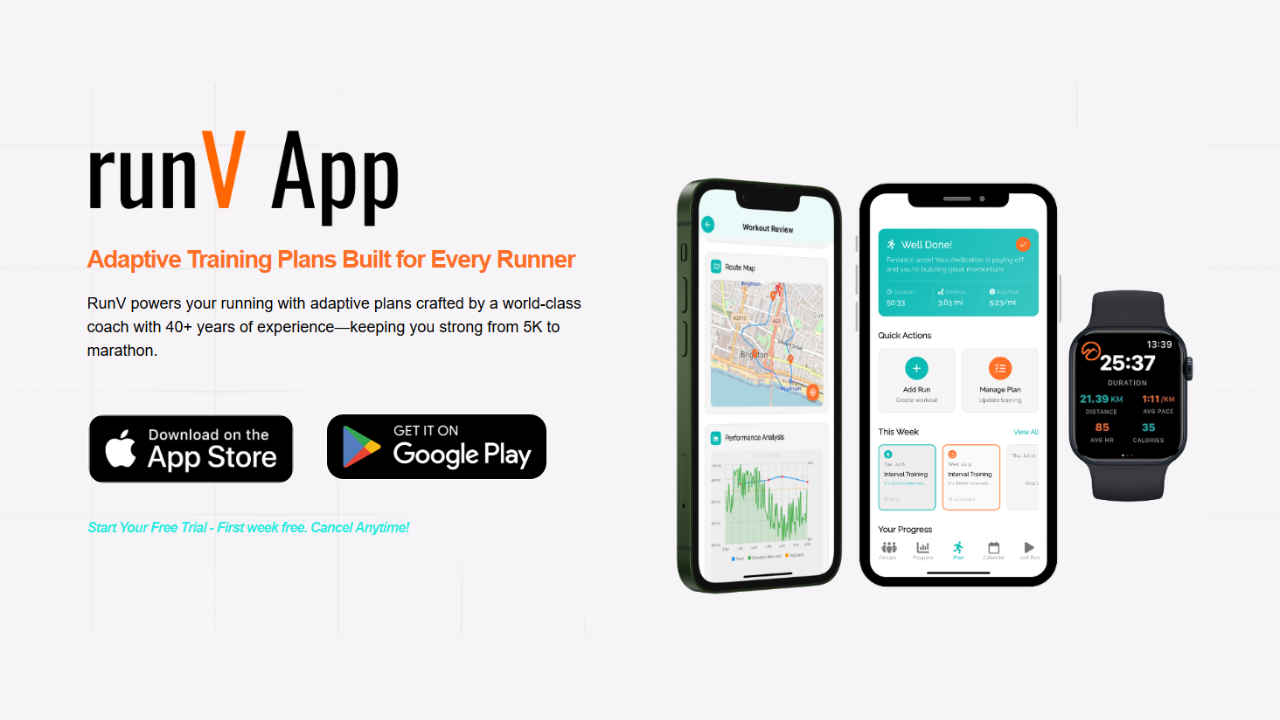
Consider using a platform that offers flexible, data‑aware plans and lets you adjust based on sleep, stress, and missed workouts. Pairing that with your new GPS watch can create a powerful loop of feedback and adjustment.
Conclusion and Call‑to‑Action
The latest wave of GPS watches—from Amazfit’s budget‑friendly Active 3 Premium to Huawei’s Kipchoge‑inspired GT Runner 2, Garmin’s software upgrades, Qualcomm’s AI engine, and Apple’s discounted Series 11—shows a clear trend: elite‑style insight is no longer only for elites.
We are squarely in the era of Watches Bringing Pro‑Level Training to everyday runners. Navigation, advanced metrics, race‑specific tools, recovery analytics, and real‑time AI feedback are quickly becoming standard, not special.
To fully capitalize on these tools, don’t just buy a watch—build a system. Choose the device that fits your goals, connect it to a training platform that adapts as you do, and use educational resources to avoid common race‑week mistakes like those outlined in marathon taper explained week by week.
If you’re ready to turn your next season into something more structured, more informed, and more enjoyable, start by pairing your preferred GPS watch with an adaptive training plan. Then, sign up now for a program that turns all that new data into smarter runs, better races, and a healthier, more sustainable running life.