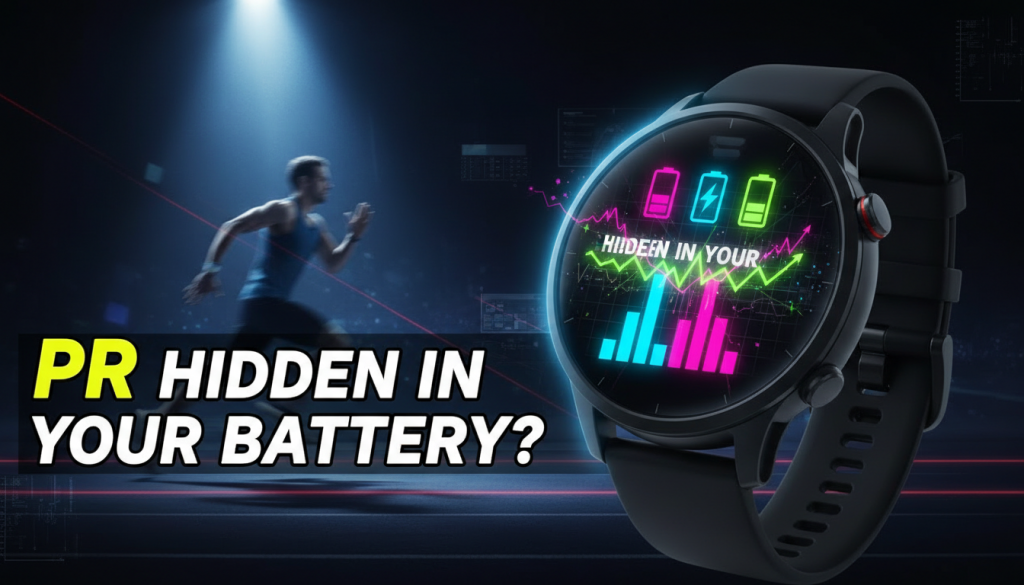
Your training plan might say “10 x 400m,” but Your Next Hiding Your real performance gains may be sitting quietly in your watch’s battery screen, sleep scores, and health alerts. As GPS smartwatches and fitness wearables evolve, they’re no longer just tracking runs—they’re shaping when, how, and how hard you train. The latest news from Garmin and Apple shows that the future of running performance is part data science, part battery management, and part health safeguard.
This running tech news roundup breaks down what these new features actually mean for your next big PR—and how to use them intelligently in your day-to-day training.
Table of Contents
- 1. Battery Anxiety Becomes a Training Metric: Garmin Vivoactive 5 Beta
- 2. Apple Watch Ultra 3: From Gadget to Genuine Training Partner
- 3. Apple Watch Series 11 Hypertension Alerts: Cardio Safety for Runners
- 4. Garmin’s CES 2026 Wins: Fēnix 8 Pro, Forerunner 970 & the Future of GPS Watches
- 5. How to Turn These Wearable Trends into Faster Times
- 6. Conclusion & Call to Action
1. Battery Anxiety Becomes a Training Metric: Garmin Vivoactive 5 Beta
Garmin’s New Battery Usage Tracking Explained
Garmin’s Beta Version 16.11 for the Vivoactive 5 doesn’t just tweak watch performance—it reframes how you think about Your Next Hiding Your long run logistics. Instead of a vague “4 days remaining,” the update lets you see which exact features are draining your battery and by how much.
The beta introduces detailed breakdowns of usage from:
- GPS workouts and mapping
- Always-on display brightness and time-on
- Notifications and connected features
- Music playback and offline playlists
- Continuous health monitoring (HR, SpO₂, stress, etc.)
For runners, that means your watch can move from a rough estimate to a near “fuel gauge” for big workouts, ultramarathons, or race weekends.
Why Battery Data Suddenly Matters for Performance
On the surface, battery tracking sounds like a convenience feature. But Your Next Hiding Your race could hinge on whether your watch survives a marathon or ultra. When GPS drops because of dead battery, you lose pacing, lap splits, and sometimes navigation—key pieces of performance intelligence.
With Garmin’s updated stats, you can now answer questions like:
- How much battery does a 2-hour GPS run in full GNSS cost?
- What if you add music streaming over Bluetooth?
- What’s the impact of always-on display during a night race?
Patterns emerging from these stats will help you build a “battery strategy” just like you would a fueling plan.
Practical Tips: Using Vivoactive 5 Battery Stats Before Race Day
Here’s how to turn this update into real-world gains rather than just nerdy data:
- Do a battery rehearsal: Before a half or full marathon, run a 90–120 minute long run with your intended race settings (GPS mode, display, music). Note % drop. Scale to race duration and tweak settings if needed.
- Build profiles for different run types: For easy runs, cut battery-heavy features (music, max-brightness). For key workouts or race simulations, keep what you need for pacing and safety.
- Use health monitoring strategically: If you’re deep in training, nightly HRV and stress can guide recovery, but turn off what you don’t use regularly to extend life for race weekend.
Combining smarter battery insights with training-planning tools like an AI Dynamic Plan can help ensure your watch and your legs both peak on the same day.
Underrated but Powerful for Everyday Runners
The Vivoactive 5 has often flown under the radar—more lifestyle than hardcore performance in Garmin’s lineup. This beta blurs that line. Your Next Hiding Your performance tweaks might not come from buying a top-end multisport watch, but from squeezing every bit of reliability from a “mid-tier” device that suddenly behaves like a serious training tool.
2. Apple Watch Ultra 3: From Gadget to Genuine Training Partner
Three Months In: What the Ultra 3 Actually Delivers
The Economic Times’ three-month review of the Apple Watch Ultra 3 frames it less as a smartwatch and more as a “full-fledged fitness partner.” That shift matters: Your Next Hiding Your consistency often depends on how seamlessly your tech integrates with your life, not just with your workouts.
Key strengths highlighted:
- Improved workout experience: Better GPS, more robust workout app, and customizable data fields.
- Enhanced sleep tracking: More consistent sleep stage data and readiness context.
- Brighter, more efficient display: Easier to view in direct sun while preserving battery.
- Performance and stability: Fewer bugs, faster interface, more reliable syncing.
For runners entering New Year training blocks, a watch that “just works” reduces friction—one less excuse to skip that run or delay that tempo session.
Can the Ultra 3 Replace a Dedicated Running Watch?
This is the ongoing debate. Historically, Apple Watches were great smart devices but middling running watches. Ultra 3 chips away at that gap. With better battery life and more serious workout tracking, many runners could justify using it as their only wearable.
Still, Garmin and other pure-play GPS brands hold advantages in:
- Battery for multi-day ultras or stage races
- Depth of running metrics and native training load analytics
- Button-first control in wet/cold conditions
Your Next Hiding Your best setup may be hybrid: using something like the Ultra 3 as your everyday and shorter-run companion, while relying on a dedicated GPS tool for long trail, ultra, or race-specific scenarios.
How to Use Ultra 3 as a “Coach on Your Wrist”
To extract real performance from the device, don’t just record runs—build systems around its capabilities:
- Link your runs to structured plans: Pair Ultra 3 workouts with goal-specific training, whether you’re chasing a 5K PB training plan or ramping up for longer races.
- Sleep and readiness as gatekeepers: Use sleep scores and recovery metrics to decide when to push and when to back off, especially in high-mileage weeks.
- Leverage alerts intelligently: Set pace or heart rate alerts for tempo, threshold, or interval work so you can stay locked in on effort instead of constantly staring at your wrist.
Your Next Hiding Your ability to hit consistent training blocks won’t come from more tech features alone—but from aligning those features with a purposeful program and realistic load management.
3. Apple Watch Series 11 Hypertension Alerts: Cardio Safety for Runners
How the New Hypertension Feature Works
Apple’s new hypertension detection system—available on Apple Watch Series 11, and with watchOS 26+ on Series 9, 10, Ultra 2, and Ultra 3—steps directly into cardiovascular health territory. Using PPG sensors and machine learning, the watch looks for patterns suggesting chronically elevated blood pressure.
Early testing reported: (Hiding your running)
- Detection in ~40% of overall hypertension cases
- Detection in >50% of stage-2 hypertension cases
- Some missed elevated readings, underscoring that this is a screening alert, not a diagnostic tool
The feature generates warnings that encourage follow-up with a traditional cuff and doctor—not self-diagnosis.
Why Runners Should Care About Blood Pressure
Runners often assume “I’m fit, so my heart is fine.” That’s not always true. Genetics, stress, poor sleep, and high training load can combine into a cardiovascular risk that runs silently in the background.
For endurance athletes:
- Unchecked hypertension can increase risk of cardiac events.
- It may blunt performance via poor recovery, fatigue, and HR drift.
- It can be masked by good outward performance until late-stage issues develop.
Your Next Hiding Your PR is irrelevant if your heart health is compromised. Features like Apple’s hypertension alerts act as a low-friction safety net—especially powerful for high-mileage or masters runners.
How to Integrate Hypertension Alerts into Your Training Life
Use this feature as a trigger for smarter choices, not constant worry:
- If you get repeated hypertension alerts: Confirm with a home blood pressure cuff and speak with a doctor. Adjust training if medically advised.
- Watch for trends with recovery: Elevated BP flags plus poor sleep and higher resting HR may signal overreaching—back off intensity or volume.
- Combine health data with recovery strategies: Better sleep, hydration, and structured easy days help. Resources like How to Recover Faster: 7 Proven Powerful Session Secrets can guide the non-running side of performance.
Your Next Hiding Your strongest block of training will come from balancing ambition with long-term cardiovascular safety—and this is exactly the kind of tool that can keep that balance in check.
Bonus: Improved Battery Life and Sleep Score
The Prevention review also noted improved battery life and enhanced sleep score features on Series 11. That means:
- Less nightly charging, more continuous health tracking.
- More reliable sleep data to anchor your decisions about tomorrow’s intensity.
- Better alignment between training readiness and session difficulty.
When Your Next Hiding Your decision is “tempo or easy?”, having credible sleep and readiness insight may be the difference between adaptation and burnout.
4. Garmin’s CES 2026 Wins: Fēnix 8 Pro, Forerunner 970 & the Future of GPS Watches
Five Innovation Awards, Two Big Deals for Runners
Garmin’s haul of five CES 2026 Innovation Awards underlines where endurance tech is heading. For runners specifically, two products stand out:
- Fēnix 8 Pro with MicroLED display and inReach satellite/LTE
- Forerunner 970 with AMOLED and integrated flashlight
These devices signal a future where Your Next Hiding Your training watch is also your emergency beacon, headlamp backup, and ultra-bright navigation screen—without sacrificing battery.
Fēnix 8 Pro: Rugged, Bright, and Connected
MicroLED on a smartwatch is a first, and it matters. Compared with OLED/AMOLED, MicroLED promises:
- Higher brightness for sun-blasted trails
- Better energy efficiency
- Less burn-in risk over years of use
Combined with inReach satellite and LTE connectivity, the Fēnix 8 Pro becomes a serious piece of safety gear for trail and ultra runners. When Your Next Hiding Your “run” becomes an all-day mountain effort, this kind of watch can handle navigation, messaging, and emergency SOS without a phone.
Forerunner 970: A Flagship Runner’s Tool
On the road side, the Forerunner 970 looks like Garmin’s statement that AMOLED can coexist with serious endurance performance. Key runner-friendly aspects include:
- AMOLED display: Sharp, clear charts and maps during workouts.
- Built-in flashlight: Safety boost for pre-dawn or dusk runs, plus visibility in emergencies.
- Triathlon-capable GPS: Likely continuing Garmin’s tradition of rich running metrics, training load, and multi-sport tracking.
Your Next Hiding Your data-driven performance leap—things like smarter tapering and more precise tempo pacing—often depends on being able to quickly see and interpret data mid-run. A more legible screen and thoughtful hardware features make that easier.
What This Signals About the Next 2–3 Years of Wearables
Garmin’s awards don’t exist in isolation; they reflect broader trends in running tech: (Hiding your anxiety)
- Displays are becoming brighter and more efficient (MicroLED, AMOLED) without destroying battery life.
- Safety is moving into the core feature set (flashlights, satellite comms, LTE, incident detection).
- Multi-environment durability is now standard—water, cold, altitude, and rough terrain.
As this trickles down the lineup, Your Next Hiding Your choice of watch won’t just be about GPS accuracy—it will be about which combination of display, battery, and safety ecosystem best matches your racing and training ambitions.
5. How to Turn These Wearable Trends into Faster Times
Step 1: Decide What Your Watch Is Actually For
Before diving into features, ask: what role should your wearable play in Your Next Hiding Your training cycle?
- Data recorder only: You sync later, analyze on web or app.
- Real-time pacer: You need clear live metrics, lap averages, and alerts.
- Health guardian: You care about sleep, HRV, hypertension alerts, etc.
- Adventure safety net: For trails, ultras, and remote routes.
Your answer determines whether a Vivoactive-class watch, Apple Watch Ultra, or something like the Fēnix/Forerunner line makes the most sense.
Step 2: Align Battery Strategy with Your Race Strategy
Use the Garmin Vivoactive 5 battery stats as a blueprint even if you’re on another brand:
- Create “modes” for different runs: Long run mode (battery-friendly, minimal extras), workout mode (full data), commute/daily mode (notifications + lighter GPS).
- Practice like you race: Don’t wait until race day to find out your settings kill the battery. Long runs are your rehearsal.
- Respect multi-day events: Back-to-back long runs or stage races require a charging plan—hotel, car, power bank—just like a nutrition plan.
Your Next Hiding Your failure mode shouldn’t be “watch died at mile 20 and I blew up without pacing feedback.”
Step 3: Use Health Features to Guard, Not Govern, Your Training
Hypertension alerts, sleep scores, and recovery metrics are powerful—but they’re inputs, not dictators.
- Set thresholds for action: For example, “If I get 2+ hypertension alerts in a week, I check with a cuff and speak with my doctor.”
- Look for patterns, not single data points: Consistent poor sleep + elevated resting HR + heavy fatigue is a sign to adjust the plan.
- Blend subjective and objective: Use RPE and how you feel alongside the numbers.
Remember: Your Next Hiding Your best race build combines smart tech with honest self-assessment, not blind obedience to watch scores.
Step 4: Pair Your Watch with a Smart Training Framework
A powerful device without a structured training framework is like a race car without a track. To translate live metrics into actual performance:
- Use a specific goal-based plan (e.g., for 5k, 10K, or half marathon) rather than random workouts.
- Adjust intensity based on sleep/recovery and longer-term fatigue trends.
- Refine pacing and race strategy using historic data—negative splits, conservative starts, or even pace based on prior response.
Your Next Hiding Your marginal gains will come from the interaction between plan, execution, and feedback loop—not from features alone.
Step 5: Reconsider Where You Spend Your “Gear Budget”
It’s tempting to drop money on the flashiest watch or latest super shoe. But with wearables evolving this fast, it’s worth rebalancing.
- Ask whether you’d gain more from a training service, a coach, or better recovery gear.
- Revisit whether high-tech footwear (like plated shoes) or smarter data usage gives more long-term benefit; articles like Do You Really Need a Carbon Plate in Your Running Shoes? can help frame that decision.
- Consider whether Your Next Hiding Your true limiter is tech, or consistency, or recovery.
The most advanced watch in the world can’t make up for chronic overtraining or neglected strength and mobility.
6. Conclusion: Your Next PR Might Be Hiding in the Details
Across Garmin’s new battery analytics and CES-award-winning hardware, and Apple’s evolution from slick gadget to serious health and training partner, a pattern emerges: Your Next Hiding Your breakthrough as a runner may come less from a single new device, and more from how thoughtfully you use the ecosystem around your wrist.
Battery stats can shape race-day reliability. Hypertension alerts and sleep scores can protect long-term health. Brighter, more efficient displays and built-in safety tools can make tough sessions safer and more effective. The tech is ready; the question is whether your training approach is ready to match it.
If you want to turn these capabilities into results, pair your watch with a structured, goal-based training framework and consistent recovery habits. Explore race-specific plans, smart scheduling, and adaptive load management so that Your Next Hiding Your best race isn’t left to chance—or to a low-battery warning at mile 22.
Take the next step: connect your current watch, choose a clear goal, and build a plan that uses data to support—not control—your running. If you need guidance on structuring that journey, you can explore tailored options through All Plans and then let your wearables do what they do best: measure, guide, and quietly reveal the performance you’ve been building all along.