Why Adaptive Training Reduces 5 Shocking Guesswork Mistakes (And Makes Every Run Count)
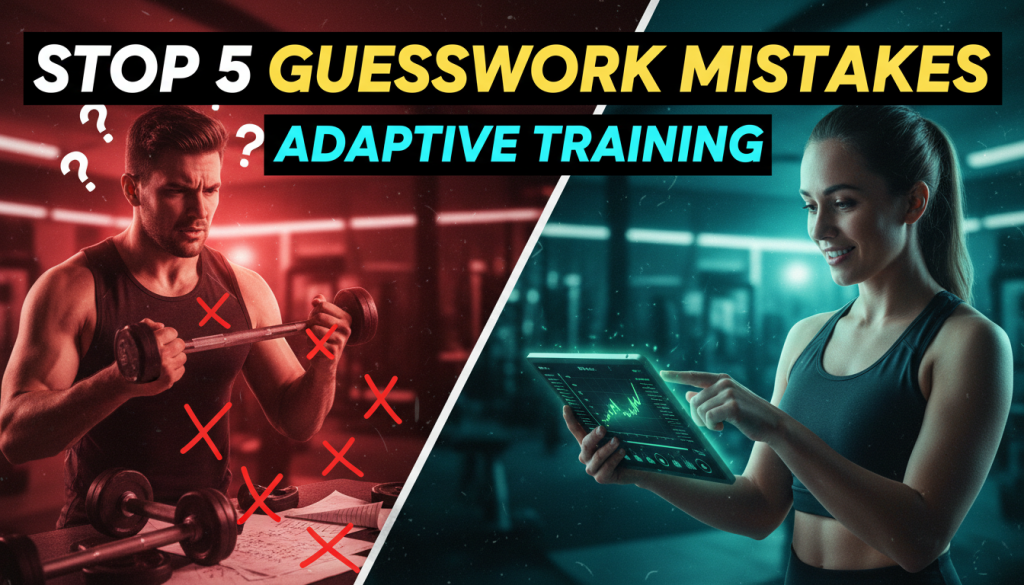
If you’ve ever wondered why your training feels random, plateaued, or injury-prone, you’re not alone. Most runners still rely on gut feeling or generic plans. That’s exactly where adaptive training steps in. When you understand how Adaptive Training Reduces Shocking errors in your day‑to‑day decisions, you stop gambling with your fitness and start progressing with intent.
This article breaks down the five biggest guesswork mistakes most runners make—and how adaptive training technology, data, and smarter planning can eliminate them.
Table of Contents
- What Is Adaptive Training?
- Why Adaptive Training Reduces Shocking Guesswork for Runners
- Mistake #1: Guessing Your Training Load
- Mistake #2: Guessing Your Training Paces
- Mistake #3: Guessing Recovery and Rest Days
- Mistake #4: Guessing Race Prep and Tapering
- Mistake #5: Guessing Gear and Tech Choices
- How Adaptive Training Actually Works (Under the Hood)
- Who Benefits Most from Adaptive Training?
- How to Get Started with Adaptive Training Today
- Final Thoughts: From Guessing to Guided
What Is Adaptive Training?
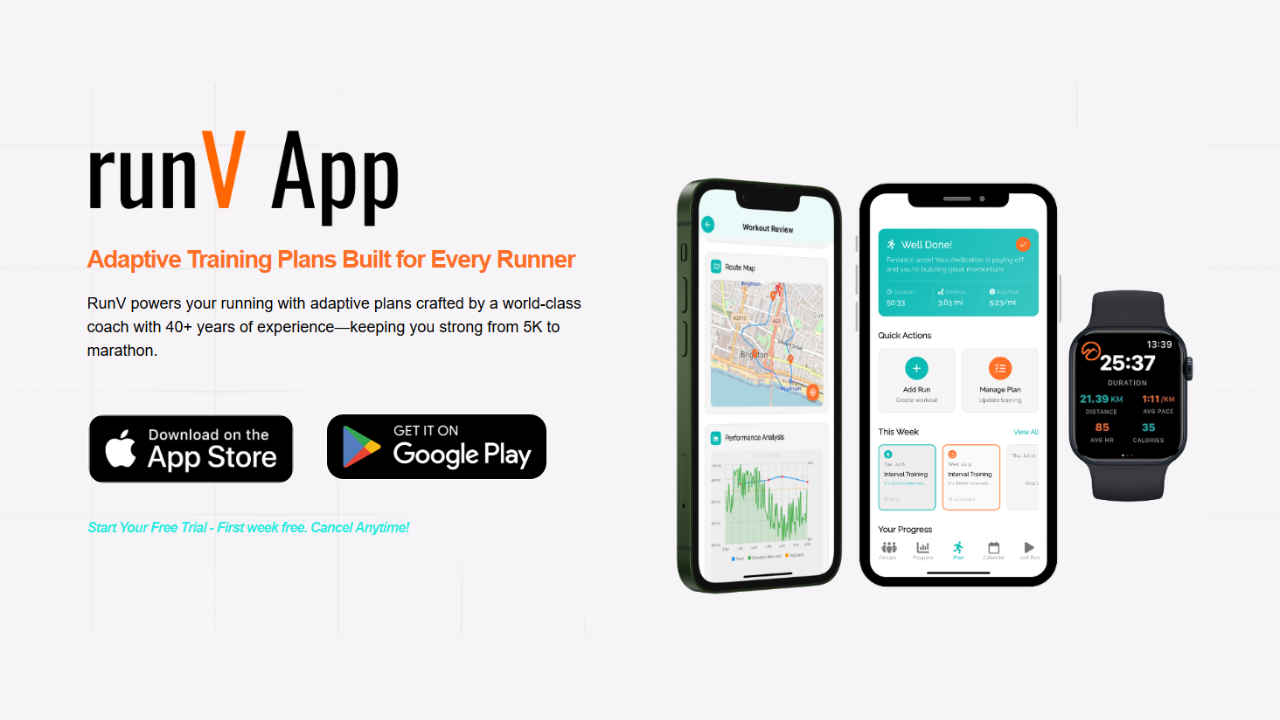
Adaptive training is a training approach where your plan changes automatically in response to your current fitness, fatigue, lifestyle, and goals. Instead of rigid 8‑ or 12‑week plans that assume your life is perfect, adaptive systems react when:
- You miss a workout
- You run faster or slower than planned
- Your heart rate shows unusual stress
- Your sleep or recovery tanks
- You race better (or worse) than expected
Traditional plans are static: they tell you what to do, no matter how you feel, what data says, or what your schedule throws at you. Adaptive training is dynamic: it updates the plan so that each run reflects where you are today, not where a PDF assumed you’d be months ago.
When done correctly, this is how Adaptive Training Reduces Shocking mismatches between your body and your plan.
Why Adaptive Training Reduces Shocking Guesswork for Runners
Most runners don’t fail because they’re lazy. They fail because they’re guessing. They guess:
- How far and how often they should run
- What paces to hit on easy days vs workouts
- When to rest and when to push
- How to taper before a race
- What gear and tech actually matter
This guesswork leads to five big mistakes. Understanding how Adaptive Training Reduces Shocking errors in each of these areas is the key to finally training with confidence.
Mistake #1: Guessing Your Training Load
Why Load Guessing Is So Dangerous
Training load is the total stress your body experiences from running: volume, intensity, frequency, terrain, and even life stress. Most runners misjudge this in one of two ways:
- Too much, too soon: big weekly jumps, new speedwork, longer long runs
- Too little, too often: never pushing enough to create adaptation
The result? Injury, burnout, stalled progress, or feeling “tired but unfit” all the time.
How Adaptive Training Reduces Shocking Load Spikes and Plateaus
A good adaptive system tracks your load and reacts. It looks at:
- Recent weekly mileage and intensity
- Day‑to‑day performance (pace vs effort, heart rate trends)
- Fatigue markers (RPE, soreness, sleep if available)
Then it adjusts upcoming sessions, long runs, or rest days to smooth out dangerous spikes. If you want to go deeper on this specific topic, How Adaptive Training Prevents 5 Shocking Workload Spikes breaks it down with workload examples and scenarios.
Real‑World Example: The 30% Jump That Breaks You
Imagine you’re running 25 km per week and feel strong. You jump straight to 35–40 km because a half marathon is coming. On paper, it looks harmless. In reality, your bones, tendons, and muscles see a 40–60% jump in stress.
An adaptive plan would likely:
- Increase your load by ~5–10% per week, not 40–60%
- Flag higher post‑run fatigue and keep the next day easy
- Reduce intensity if you add more distance
That’s how Adaptive Training Reduces Shocking jumps in workload that so often lead to shin splints, IT band pain, or plantar fasciitis.
Key Takeaways on Load
- Use adaptive tools to monitor not just distance, but intensity and frequency.
- Expect gradual increases, with deliberate step‑back or recovery weeks.
- Let the plan get easier when life gets harder (stress, sickness, travel).
Mistake #2: Guessing Your Training Paces
The Classic Pace Problem
Many runners:
- Run easy days too fast
- Run workouts too hard at first, then fade
- Use a friend’s paces or a random online chart
This “all‑gray‑zone” approach makes every run feel medium‑hard. You never fully recover, but you also rarely touch true quality training zones.
How Adaptive Training Reduces Shocking Pace Errors
Adaptive systems individualize your paces using:
- Recent race times or time trials
- Daily performance changes (you getting faster or slower)
- Heart rate and effort feedback
Many traditional plans use pace tables based on one race from six months ago. Adaptive training adjusts your recommended pace as you improve (or regress). If your 10K pace drops by 15–20 seconds per kilometer, your tempo and interval paces shift with you.
Example: The Runner Who Outgrew Her Plan
Suppose your recent 5K time indicates a 6:00/km tempo pace. You train consistently for six weeks, and now you can run 5K at 5:30/km. A static plan still asks you to tempo at 6:00/km—no longer tempo; it’s just a sloggy easy run.
An adaptive system recognizes you’re ahead of schedule and recalculates all key paces based on your new performance. That’s one way Adaptive Training Reduces Shocking mismatches between your fitness level and your day‑to‑day workouts.
How Your Tech Helps (and How It Can Mislead You)
Modern wearables estimate VO₂ max, threshold, and suggested workouts. These can be helpful, but they’re still often static and don’t always consider context like illness, sleep, or multi‑day fatigue.
Adaptive training platforms that integrate data from watches, phones, and sometimes even “smarter” budget devices (yes, many truly are) can refine paces more intelligently. If this intersection of tech and training interests you, you may want to read Are Budget Wearables Quietly Getting Smarter Than Your Watch? for a closer look at where this tech is headed.
Key Takeaways on Pace
- Use adaptive systems that recalculate paces as your fitness changes.
- Respect easy paces—they should truly feel easy.
- Trust effort and heart rate alongside pace, not pace alone.
Mistake #3: Guessing Recovery and Rest Days
The “I’ll Rest When I’m Injured” Mindset
Recovery is where the actual fitness improvements happen. Yet runners frequently:
- Ignore signs of overreaching (“just tired”)
- Stack hard days back‑to‑back
- Sleep poorly but train as if everything is normal
They don’t realize they’re training on half‑recovered legs and a stressed nervous system.
How Adaptive Training Reduces Shocking Recovery Mistakes
An adaptive system can: (Adaptive cycling training)
- Shift or downgrade hard workouts when your fatigue is high
- Replace an interval session with an easy run or rest day
- Insert a cut‑back week if your metrics show accumulating stress
When a plan changes automatically because you reported tired legs, had a poor night’s sleep, or showed elevated heart rate at easy pace, you protect your long‑term progress instead of clinging to a rigid schedule.
Smarter Signals of Fatigue
Here’s what an adaptive system might track:
- Unusually high resting heart rate
- Higher heart rate than normal at a familiar easy pace
- Worsening perceived effort on routine routes
- Missed or shortened key workouts
When those patterns accumulate, you want your training to adapt—shorter workouts, more easy mileage, or an extra rest day—without you having to self‑diagnose perfectly.
Key Takeaways on Recovery
- Recovery isn’t weakness; it’s where the gains happen.
- Use adaptive tools that listen to your body’s signals.
- A flexible plan will often speed up your long‑term progress, not slow it.
Mistake #4: Guessing Race Prep and Tapering
Why the Last 2–3 Weeks Matter So Much
You can train perfectly for months and still sabotage your race with a poor taper. Common guesswork errors include:
- Cutting mileage too aggressively (losing sharpness)
- Not cutting enough (carrying fatigue into race day)
- Adding panic workouts (“I need one more long run!”)
Each race distance—5K, 10K, half, full marathon—responds best to a slightly different taper structure.
How Adaptive Training Reduces Shocking Taper Errors
Adaptive systems adjust your taper according to:
- Your recent training consistency and total volume
- Your racing distance and performance goals
- Signs of fatigue or freshness in the final weeks
If you’ve missed long runs or been inconsistent, the system may reduce your taper a little, keeping enough training stimulus to avoid feeling flat. If you’ve nailed every session and are showing fatigue, it may ramp down a bit more aggressively.
Example: The Late‑Cycle Illness or Trip
Two weeks before your goal 10K, you get sick or have to travel. A static plan just… keeps going, pretending everything is fine. You either try to “make up” missed workouts or simply skip them with no adjustments.
An adaptive approach will:
- Drop or shorten missed workouts instead of shifting them all forward
- Preserve key sharpening sessions while trimming volume
- Re‑forecast an achievable race pace based on your updated training
If you’re targeting a 10K specifically, you’ll find detailed progression examples and pace tweaks in the article How to Build Endurance: 7 Proven, Powerful 10K Secrets, which complements these adaptive ideas nicely.
Key Takeaways on Race Prep
- You can’t “cram” fitness in the last 10–14 days.
- A good taper is individualized, not copied from a generic chart.
- Adaptive training keeps your plan realistic when the final weeks get messy.
Mistake #5: Guessing Gear and Tech Choices
The Gear Guessing Game
Runners love gear: shoes, watches, bands, apps, headphones. But many still guess:
- Which shoe is right for their training load and surface
- Which metrics are actually worth tracking
- What kind of tech (screen, no screen, smartwatch, band) fits their habits
The result: over‑spending, under‑using, or relying on the wrong signals.
How Adaptive Training Reduces Shocking Gear Mismatches
While adaptive training is mostly about your plan and data, it indirectly improves gear decisions by making your needs clearer:
- You see exactly how many weekly kilometers you run (affects shoe durability).
- You know whether you truly use advanced metrics (or just need basics).
- You understand your typical terrain, weather, and pace ranges.
Once you know what you actually do—not what you think you do—you can choose gear that supports those patterns. For example, if you run mostly by feel and hate screens, a screen‑less band or stripped‑down app can integrate beautifully with an adaptive platform without overwhelming you.
Tech That Serves the Plan (Not the Other Way Around)
There’s a growing class of wearables designed to be less distracting but still smart. They pair incredibly well with adaptive training, offloading the number‑crunching to algorithms while you just run. If you’re curious about this quiet trend, check out Are Screenless Fitness Bands the Future of Smarter Running? to explore how these devices might fit into your adaptive setup.
Key Takeaways on Gear
- Let your training habits drive your gear choices, not hype.
- Use tech to collect consistent data, then let adaptive systems interpret it.
- Less noise, more relevance: that’s the real power combo.
How Adaptive Training Actually Works (Under the Hood)
Core Inputs: What the System Looks At
While different platforms vary, most adaptive systems blend several inputs:
- Baseline data: current fitness, recent race times, training history
- Constraints: how many days per week you can run, key life commitments
- Goal: distance, date, and desired performance
- Daily data: pace, distance, heart rate, RPE, completion or non‑completion
- Context: illness, travel, poor sleep (often self‑reported)
Core Outputs: What the System Changes
From there, the adaptive engine adjusts:
- Workout type (easy, interval, tempo, long run, rest)
- Workout length (time or distance)
- Intensity (pace, heart‑rate zones, effort targets)
- Weekly progression (load increases, cut‑back weeks)
- Taper structure leading into race day
Feedback Loops: The Heart of “Adaptive”
What makes this approach truly different is the feedback loop. Every time you:
- Complete a workout faster or slower than planned
- Shorten, skip, or replace a workout
- Report a high or low effort level
…the system uses that information to re‑forecast your likely fitness on race day and adjust the plan. This is how Adaptive Training Reduces Shocking misalignments between the original plan and your evolving reality. (Adaptive training Q&A)
AI vs Simple Rules
Some platforms use straightforward rule‑based logic (“if missed workout, then reduce weekly load by X%”). Others use more advanced models that learn from thousands of training histories. The more nuanced the system, the better it can balance risk (injury, burnout) and reward (performance, progression).
Who Benefits Most from Adaptive Training?
Beginners Who Don’t Know Where to Start
New runners often have:
- No idea how many days per week they can handle
- Random goals like “run a 5K someday”
- Minimal understanding of pace, heart rate, or recovery
Adaptive training gives beginners a gentle, responsive structure. If those first 2–3 weeks are tough, the system slows down. If they go better than expected, it builds a little faster. This avoids the all‑too‑common boom‑and‑bust cycle.
Intermediate Runners Stuck on Plateaus
Intermediate runners usually already run 3–5 times per week but feel stuck. They’ve hit a ceiling in 5K or 10K times and don’t know what to change. Adaptive training systematically:
- Shifts the balance of easy vs hard days
- Adjusts intensity based on real‑time progress
- Improves timing of race‑specific workouts
It makes their training more strategic, not just more frequent.
Time‑Crushed Athletes
Parents, shift workers, and busy professionals rarely follow a static plan perfectly. They need flexibility without manually redesigning their plan every week. Adaptive training is ideal here because:
- Missed workout? The system adapts.
- Unexpected free day? It can insert a key session.
- Stressful week? It scales things down intelligently.
How to Get Started with Adaptive Training Today
Step 1: Define a Concrete Goal
Adaptive systems still need a clear direction. Choose:
- Distance (5K, 10K, half, marathon)
- Target date or race window
- Realistic performance goal (finish, PR, or specific time)
If you’re unsure what kind of race plan you need, you can explore structured options through resources like the All Plans overview to see how different goals and distances are typically supported.
Step 2: Gather Your Baseline Data
Before starting, collect:
- Recent race or time‑trial performances
- Typical weekly mileage and frequency
- Any injury history or recurring issues
The more accurate your baseline, the better the system can scale your plan.
Step 3: Connect or Choose Your Tech
Sync your watch or phone, or pick a simple tracking method you’ll actually use consistently. Consistency beats complexity. Adaptive plans don’t need every metric under the sun, but they do need reliable distance, pace, and ideally heart rate and RPE.
Step 4: Commit to Honest Feedback
Adaptive training works best when you:
- Log how workouts actually felt (easy, moderate, hard)
- Note key life events (illness, travel, exceptionally bad sleep)
- Resist the urge to override every adjustment and “prove it wrong”
Think of it as a partnership: your body sends signals, your tools read them, the plan adapts.
Step 5: Review Progress Every 2–4 Weeks
Don’t micromanage the plan every day. Instead, zoom out every few weeks to ask:
- Am I trending faster at similar effort?
- Do my easy runs feel easier at the same pace?
- Am I recovering better between hard sessions?
Over longer periods, these trends should be clearly positive if the system and your inputs are working well together.
Final Thoughts: From Guessing to Guided
Most runners don’t need more motivation; they need better guidance. Guesswork around training load, paces, recovery, tapers, and gear is what quietly sabotages progress and causes those “out of nowhere” injuries and burnout episodes.
By embracing systems where Adaptive Training Reduces Shocking mismatches between your plan and your real life, you turn every run into a data point that shapes a smarter future workout. Over weeks and months, that compounding intelligence is what transforms “I hope this works” into “I know why this is working.”
Use adaptive training to remove the big five guesswork mistakes, and you’ll finally give your fitness the one thing it’s been missing all along: a plan that learns as fast as you do.