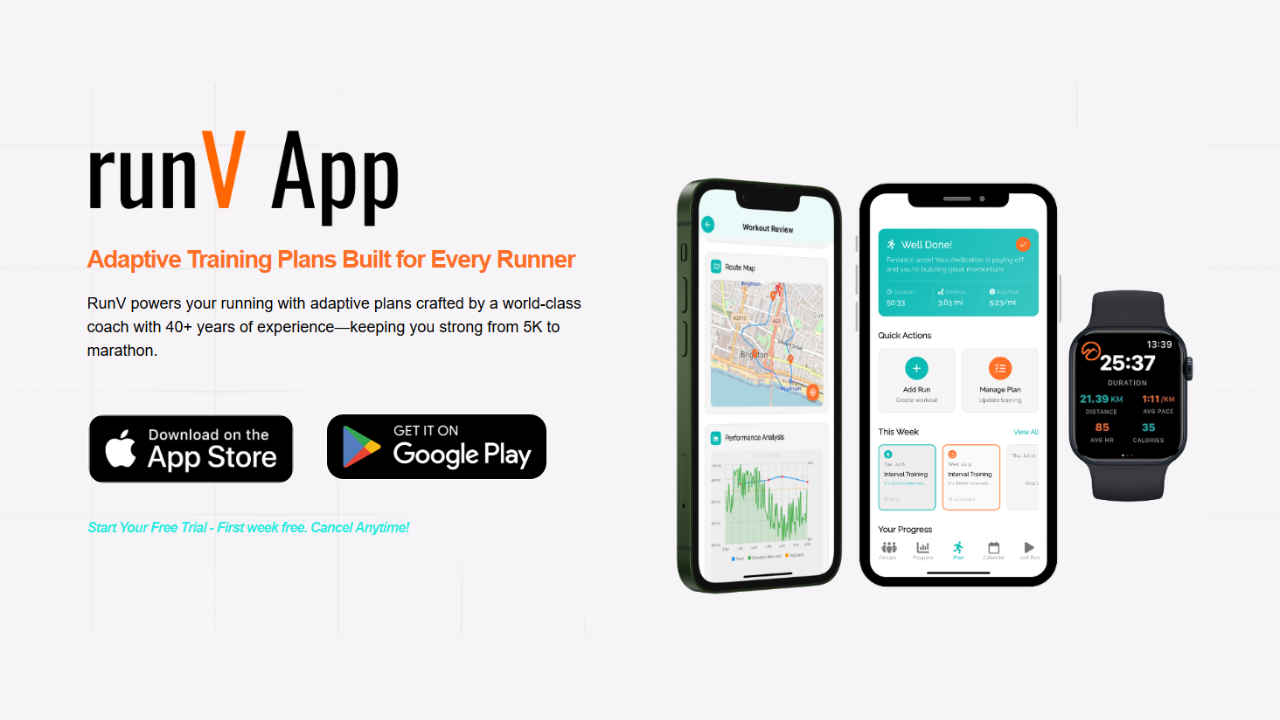

If you run with a watch, phone, or app, you’re already collecting data. But the real breakthrough happens when that data actually coaches you while you move. That’s where real‑time feedback comes in—and where Real Time Training Delivers some of the most powerful performance and health benefits modern runners have ever had access to.
This article unpacks exactly what real‑time training is, how it works with your gear and apps, and the five biggest, proven benefits it can bring to your running and overall fitness.
—
Table of Contents
1. What Is Real‑Time Training for Runners?
2. How Real‑Time Training Works With Modern Running Tech
3. Benefit 1: Real Time Training Delivers Faster Progress and Smarter Workouts
4. Benefit 2: Real Time Training Delivers Better Injury Prevention and Recovery
5. Benefit 3: Real Time Training Delivers a Stronger Mental Game and Motivation
6. Benefit 4: Real Time Training Delivers Sharper Race‑Day Execution
7. Benefit 5: Real Time Training Delivers Long‑Term Consistency and Lifestyle Change
8. How to Get Started With Real‑Time Training Today
9. Common Mistakes When Using Real‑Time Training (And How to Avoid Them)
10. Choosing Tech and Apps That Make Real‑Time Training Work for You
11. Putting It All Together: Building Your Real‑Time Training Week
12. Final Thoughts
—
What Is Real‑Time Training for Runners?
Real‑time training means you get coaching, feedback, and adjustments while you’re running—not just after you upload your workout. It’s the difference between a static plan printed on paper and a coach riding next to you on a bike, telling you to back off, push harder, or adjust your form in the moment.
When we say “Real Time Training Delivers” results, we’re talking about systems where your watch, phone, or earbuds respond to:
– Your live heart rate
– Current pace and cadence
– Power output (if you use running power)
– Terrain changes, weather, or route profile
– How you’ve been training in the last few days
Instead of guessing whether you’re doing your workout correctly, your tech responds as you go. That feedback can be as simple as a pace alert, or as complex as an AI‑driven coach adjusting your interval targets on the fly.
—
How Real‑Time Training Works With Modern Running Tech
Real‑time training sits at the intersection of data and coaching. In practice, it usually consists of three layers working together during your run:
1. Sensors:
– GPS and accelerometers for distance, pace, and cadence
– Optical or chest‑strap heart‑rate monitors
– Sometimes power meters or foot pods for extra precision
2. Algorithms and training logic:
– Training zones based on heart rate, pace, or power
– Models that track fatigue, fitness, and recovery
– Rules for how quickly to adjust targets when you’re struggling or cruising
3. Feedback delivery in real time:
– Watch alerts (vibration, tones, on‑screen prompts)
– Audio cues in earbuds (“speed up 10 seconds per km” / “ease down to easy effort”)
– On‑screen guidance in apps while you run
The more tightly integrated these pieces are, the more effectively Real Time Training Delivers the right nudge at exactly the right moment. That makes every minute of training more purposeful.
—
Benefit 1: Real Time Training Delivers Faster Progress and Smarter Workouts
Precision Over Guesswork: Hitting the Right Training Zone Every Time
Most runners either run too hard on easy days or too easy on hard days. Real‑time training fixes this by enforcing the right effort in the moment. If your “easy” run drifts into threshold pace, your watch can alert you to drop back. If your interval session is supposed to be at 5K effort and you’re jogging through it, you’ll know immediately.
This precision matters because training adaptations depend on consistently spending time in the right physiological zones. Over weeks and months, Real Time Training Delivers faster VO₂max gains, better lactate threshold, and improved running economy simply by tightening the execution.
Adaptive Workouts: Adjusting Mid‑Run to Your Actual Capacity
Real progress isn’t linear. Some days you’re tired, under‑fueled, or stressed. Others you feel incredible. Static plans can’t see that, but real‑time systems can.
If you’re struggling to hit target paces, an adaptive system might:
– Slightly lengthen your recoveries
– Reduce the number of reps
– Switch a threshold session to a tempo‑effort cruise
– Or, on a great day, extend quality work by a few minutes
This is how Real Time Training Delivers more effective overload without pushing you into exhaustion. It keeps workouts challenging but sustainable, tailored to your body’s actual state today, not the ideal version on paper.
Making Every Minute Count for Busy Runners
If you’re juggling work, family, and training, you can’t afford junk miles. Real‑time feedback makes short workouts more potent by:
– Eliminating dead zones where you’re neither truly easy nor truly hard
– Making intervals precise—even on treadmills or busy city routes
– Ensuring warm‑ups and cool‑downs are at the right intensity
Over a training cycle, 30–40 minutes saved per week from more targeted sessions can translate into meaningful performance gains without extra time.
—
Benefit 2: Real Time Training Delivers Better Injury Prevention and Recovery
Stopping Overtraining Before It Starts
Overuse injuries usually start as small warning signs: heart rate creeping up at normal paces, feeling unusually heavy on easy runs, or needing longer to recover between efforts. Real‑time systems can spot these patterns mid‑run.
For example, if your heart rate is higher than usual for a given pace early in the run, your app might:
– Prompt you to slow down
– Suggest cutting the workout length
– Or flag the session as “reduced” to protect the rest of your week
That’s one way Real Time Training Delivers preventative care before pain or injury forces you to stop completely.
Protecting Easy Days So They Stay Truly Easy
Many injuries come from chronic under‑recovery, not one bad workout. Real‑time training keeps easy runs honestly easy with automatic guardrails:
– Heart‑rate alerts if you climb out of zone 1–2
– Pace caps on recovery days after hard workouts or long runs
– “Back off” prompts if your breathing or perceived exertion is too high
Combined with a sensible plan, this reduces cumulative stress on tendons, joints, and connective tissues—allowing you to stay consistent instead of cycling between injury and comeback.
For more ideas on staying healthy, pair real‑time guidance with smart habits from resources like Running Injury Prevention Strategies: 7 Proven, Powerful Tips to build a long‑lasting base.
Real‑Time Adjustments During Comebacks
When you’re returning from injury or a long break, it’s easy to do too much, too soon. Real‑time training can:
– Set conservative pace or heart‑rate caps for comeback weeks
– Cut sessions short if form deteriorates or heart rate jumps unexpectedly
– Ease you into hills and speed with progressive constraints
This is where Real Time Training Delivers a safer pathway back to fitness, especially if you’re building toward a goal race like a half marathon or marathon and want to avoid another setback.
—
Benefit 3: Real Time Training Delivers a Stronger Mental Game and Motivation
Instant Feedback That Builds Confidence
Seeing metrics update in real time creates a powerful feedback loop. You learn:
– What “easy,” “steady,” or “hard” actually feel like
– How small pace changes affect your breathing and heart rate
– How terrain, weather, and fatigue impact performance
When Real Time Training Delivers immediate proof that you can hold a target pace or effort, it turns vague goals into something tangible. That builds race‑day confidence: you’ve already rehearsed the exact effort you’ll need.
Breaking Big Workouts Into Manageable Chunks
Long tempos, threshold blocks, and big long runs are mentally intimidating. Real‑time audio or watch prompts can:
– Break a 40‑minute tempo into smaller, focused segments
– Coach you through the toughest minutes with “just get to the next beep”
– Provide countdowns that keep you locked into the current rep, not the total time
This micro‑chunking effect is one of the underrated ways Real Time Training Delivers mental toughness. You train your brain to stay present and process discomfort in small, manageable doses.
Gamification and Micro‑Goals
Many platforms add gamified elements:
– Staying in the “green zone” for heart rate
– Hitting a cadence range for a full interval
– Earning badges for perfectly executed workouts
Used wisely, this makes training more fun and keeps motivation high, especially on days when heading out the door feels like a chore. The key is to treat gamification as support, not pressure.
—
Benefit 4: Real Time Training Delivers Sharper Race‑Day Execution
Dialed‑In Pacing From the First Kilometer
The biggest race‑day mistake is going out too fast. Months of smart training can be blown in the first 1–2 km. Real‑time pacing guidance dramatically reduces that risk.
Because you’ve trained with live pace and effort feedback, you know:
– What your goal pace feels and looks like on the watch
– How conservative the first third of the race should feel
– How your heart rate should trend in the opening miles
On race day, Real Time Training Delivers guardrails like:
– Alerts if you exceed your pre‑planned opening pace
– Effort‑based prompts in heat, wind, or hills
– Progressive adjustments if the course is harder than expected
This shifts you from winging it to executing a rehearsed, data‑backed plan.
Managing Effort on Hills and Tough Sections
Most runners attack hills by pace and burn out. Intelligent real‑time guidance transitions you to effort‑based pacing instead:
– Slowing on uphills to keep heart rate or power within range
– Letting pace naturally increase on downhills without overstriding
– Keeping your average effort consistent to avoid red‑lining
Over a 5K, 10K, or half marathon, this is exactly how Real Time Training Delivers stronger later splits and fewer walk breaks.
If you’re targeting a 5K PR, combining race‑day pacing prompts with the strategy insights in 5K Race Pacing Strategy: 7 Proven Tips for Powerful Starts can help convert fitness into real results.
Fueling and Hydration Reminders in Real Time
Even experienced runners forget to eat and drink during long races. Real‑time prompts can:
– Remind you to take gels or sips every 20–30 minutes
– Adjust recommendations on hot or humid days
– Alert you if heart rate trends too high on inadequate fueling
When Real Time Training Delivers structured fueling cues along with effort guidance, you’re less likely to hit the wall late in a half or full marathon.
—
Benefit 5: Real Time Training Delivers Long‑Term Consistency and Lifestyle Change
Transforming Data Into Habit
The biggest win isn’t one race PR—it’s years of consistent running. Real‑time training supports that by:
– Making every run purposeful, even if short
– Turning subjective “I think I ran easy” into objective truth
– Reducing the decision fatigue of constant guessing
Over time, you develop internal sensors that mirror your external ones. You’ll start to intuitively know when you’re in the right zone, even without looking at your watch. That’s how Real Time Training Delivers lasting habit change.
Reducing Burnout by Balancing Push and Protect
Too many runners either go hard all the time or never challenge themselves enough. Real‑time systems, especially when paired with adaptive training, help you navigate that middle ground:
– You’re nudged to push on days when you can
– You’re given permission to ease off on days when you shouldn’t force it
The result: fewer boom‑and‑bust training cycles, more steady progress, and a running lifestyle you can sustain through different life phases.
Supporting Big Goals Like Half and Full Marathons
When you scale up to serious goals, like a first half marathon, long‑term structure matters. Real‑time feedback keeps you progressing week by week:
– Gradually extending long runs without sudden jumps
– Carefully layering tempo and threshold work
– Catching fatigue before it derails the plan
You can pair these live adjustments with higher‑level strategy from resources such as Half Marathon Training Plan: 7 Proven Ways to Bounce Back to shape entire training blocks around your life and goals.
—
How to Get Started With Real‑Time Training Today
Step 1: Clarify Your Primary Metric (Pace, Heart Rate, or Power)
Start by deciding what you want real‑time feedback to focus on:
– Pace‑based training: Simple and intuitive, best for flat routes, cooler weather.
– Heart‑rate‑based training: Great for easy runs, beginners, and varying conditions.
– Power‑based training: Most precise in hills and wind, but requires extra gear.
You can combine them, but pick one primary to avoid overload. For many runners, heart rate for easy days and pace for workouts is a strong starting combo.
Step 2: Define Your Training Zones Properly
Real‑time feedback is only as good as the zones behind it. Avoid relying solely on “220 – age” formulas. Instead:
– Use a recent race (5K or 10K) to estimate threshold
– Or perform a structured field test guided by your app or watch
– Calibrate heart‑rate zones around lactate threshold or functional threshold pace
Revisit zones every 6–8 weeks as fitness improves. This ensures Real Time Training Delivers appropriate targets instead of holding you back or pushing you too far.
Step 3: Set Up Alerts and Prompts Thoughtfully
Resist the urge to turn on every alert:
– Start with simple upper and lower limits for easy‑run heart rate
– Add pace targets for key workouts only
– Use vibration or gentle tones; avoid constant beeping that creates anxiety
You want your system to feel like a coach, not a nag. Adjust alert sensitivity if you’re constantly getting buzzed for minor fluctuations.
—
Common Mistakes When Using Real‑Time Training (And How to Avoid Them)
Mistake 1: Obsessing Over Every Second or BPM
Real‑time doesn’t mean millisecond accuracy. Trying to stay locked at one exact pace or heart rate is frustrating and unrealistic. Instead:
– Aim for ranges, not single numbers
– Accept normal variation with hills, wind, and terrain
– Check in every minute or two, not every few seconds
Real Time Training Delivers its best results when you use it as a guide, not a leash.
Mistake 2: Ignoring How You Actually Feel
Data is powerful, but it’s not perfect. Sometimes your watch is wrong; sometimes your body is sending signals the metrics can’t fully capture (like an oncoming cold, or poor sleep).
Avoid:
– Forcing target paces when you feel clearly awful
– Ignoring pain because your numbers look “fine”
– Letting a glitchy GPS track ruin a good run mentally
Use real‑time data as a second opinion alongside perceived effort and body awareness.
Mistake 3: Skipping the Big‑Picture Plan
Even the smartest real‑time adjustments can’t fix a bad overall program. If your weekly structure is chaotic—no clear hard/easy pattern, sudden mileage spikes, random long runs—real‑time help is just band‑aids.
Study your bigger picture:
– Are you progressively building volume, then backing off for recovery weeks?
– Do you have 1–3 structured quality sessions per week with easy days around them?
– Are long runs paced sanely and supported with fueling?
To understand the high‑level structure and avoid common pitfalls, resources like Performance Training Mistakes That 7 Powerful Secrets Expose can complement your real‑time setup with smarter overall planning.
—
Choosing Tech and Apps That Make Real‑Time Training Work for You
Key Features to Look For
When evaluating watches and apps, prioritize:
– Accurate sensors: Solid GPS, reliable heart rate (or support for chest straps).
– Customizable alerts: The ability to set your own pace, heart rate, or power zones.
– Workout builder: So you can create intervals, tempos, and long‑run structures.
– Adaptive options: Systems that adjust plans and targets automatically.
– Audio coaching: Helpful if you prefer prompts in your ears rather than on screen.
If you’re curious about the broader tech landscape and which tools can genuinely make you faster, check out gear‑focused guides like How to Choose Running Tech That Actually Makes You Faster alongside reviews of watches, shoes, and sensors.
Balancing Simplicity and Complexity
More features aren’t always better. Match your setup to your personality:
– If you’re data‑averse, start with one or two simple alerts and build from there.
– If you love numbers, be careful not to overload yourself mid‑run.
Consider creating different watch or app profiles:
– A “minimal” screen for easy days (time, distance, heart rate).
– A “detailed” screen for workouts (lap pace, heart rate, cadence, time).
That way, Real Time Training Delivers only the information you actually need in each context.
Compatibility With Your Existing Gear
Before switching platforms:
– Check if the app supports your specific watch, strap, or foot pod.
– Make sure it can import your historical data if that matters to you.
– Confirm you can export workouts to your preferred analysis tools if desired.
Smooth integration makes it far more likely you’ll stick with your new real‑time system long enough to see meaningful results.
—
Putting It All Together: Building Your Real‑Time Training Week
Here’s an example of how Real Time Training Delivers structure and feedback across a balanced training week for a 10K‑focused runner:
Day 1 – Easy Run With Heart‑Rate Guardrails
– 40 minutes easy
– Real‑time target: Stay in zone 1–2 heart rate
– Alerts if heart rate creeps into zone 3
– Goal: True aerobic recovery and base building
Day 2 – Interval Workout With Pace Targets
– Warm‑up: 10–15 minutes easy
– Main set: 6 x 3 minutes at 10K pace with 2 minutes easy jog between
– Real‑time targets: Pace range for each rep; optional cadence cue
– Adaptive element: If you can’t hold pace after rep 4, system shortens to 5 reps
This is where Real Time Training Delivers better quality control—no more half‑hearted intervals.
Day 3 – Recovery Jog With Minimal Data
– 30 minutes very easy
– Only time and heart rate visible
– Single upper heart‑rate alert
– Purpose: Let your body and mind decompress
Day 4 – Tempo / Threshold Session
– Warm‑up: 15 minutes easy
– Main set: 20 minutes at comfortably hard (threshold) effort
– Real‑time: Heart‑rate or power‑based zone target; pace as secondary check
– Cool‑down: 10 minutes easy
Over weeks, practicing threshold at the right effort is one way Real Time Training Delivers noticeable performance jumps.
Day 5 – Optional Cross‑Training or Rest
– Light cycling, mobility, or full rest
– If you track HRV or resting heart rate, your app might suggest rest if recovery is poor.
Day 6 – Long Run With Effort and Fueling Prompts
– 75–90 minutes easy–steady
– Real‑time: Keep early miles very easy, then allow gradual progression
– Fueling alerts every 25–30 minutes
– Heart‑rate cap to prevent “long run race pace”
Day 7 – Rest or Short Very Easy Run
– 20–30 minutes shake‑out or full rest
– Minimal data, focus on feel
– Optional: Cadence awareness if working on form
Across this week, Real Time Training Delivers targeted, day‑specific support instead of a one‑size‑fits‑all approach. Each run has a clear role, and the tech reinforces that role as you move.
—
Final Thoughts
Real‑time feedback isn’t just another gadget trend. Used wisely, it’s a fundamental shift in how you train: from guessing to knowing, from rigid plans to responsive coaching, from random effort to intentional progress.
Across thousands of runners, we see the same pattern:
– Real Time Training Delivers faster, more efficient gains by tightening workout execution.
– Real Time Training Delivers fewer injuries by catching fatigue and protecting easy days.
– Real Time Training Delivers a stronger mental game through instant feedback and better pacing.
– Real Time Training Delivers race‑day performance by turning training into detailed rehearsal.
– Real Time Training Delivers long‑term consistency by embedding smart habits into every run.
You don’t need to adopt every feature at once. Start small: one or two well‑chosen alerts, a few structured workouts, and a commitment to listening to both your data and your body. From there, build a system that supports your goals—whether that’s your first 5K, a half marathon PR, or simply a healthier, more enjoyable relationship with running.