

Advanced Fuel Timing Proven, is if you’re chasing a marathon personal record, basic race-day nutrition is no longer enough. You need a system. That’s where Advanced Fuel Timing Proven strategies come in: precise, tested approaches to when and how you take in carbs, electrolytes, and fluids so your training and technology can actually translate into a breakthrough marathon PR.
This guide breaks down science, real-world practice, and gear into a complete, step‑by‑step approach you can apply in your next training cycle and race.
Table of Contents
- Why Advanced Fuel Timing Matters for Marathon PRs
- Foundation: How Your Body Fuels a Marathon
- The 7-Part Advanced Fuel Timing Proven PR Framework
- Integrating Advanced Fuel Timing into Training
- Race Week and Morning-of Timing
- In‑Race Fuel Timing: Mile‑by‑Mile Strategy
- Tech, Gear, and Apps for Precision Fueling
- Troubleshooting Common Fueling Problems
- Sample Fuel Timing Plans for Different Runners
- Putting It All Together for Your Next Marathon PR
1. Why Advanced Fuel Timing Matters for Marathon PRs
Most marathoners already know they “should take gels every 30–45 minutes.” That’s a starting point, not a performance strategy. When we talk about Advanced Fuel Timing Proven methods, we mean dialing in:
- Exact carb amounts per hour
- Timing relative to pace, terrain, and heart rate
- Electrolyte and fluid coordination
- Integration with your training cycles
Two runners can have identical VO₂ max and training, yet the one who paces and fuels precisely in the final 10 miles usually wins. Late‑race fade is often more about fuel and sodium management than fitness.
Advanced timing also reduces GI distress because you’re no longer guessing. Instead, you’re matching intake to absorption capacity, gut training, and environmental demands.
2. Foundation: How Your Body Fuels a Marathon
2.1 Carb Tanks: Glycogen and Blood Glucose
Your muscles store glycogen—your premium high‑octane fuel. Even well‑trained runners only carry about 1,600–2,000 calories of glycogen. A marathon at race pace can burn 2,800–3,500+ calories. The gap between what you store and what you burn must be bridged with on‑course carbs.
Blood glucose is constantly replenished from liver glycogen and ingested carbs. When this system can’t keep up, you “hit the wall”: pace drops, legs feel concrete, and your brain fights you.
2.2 Fat Oxidation: Helpful, but Not Enough Alone
You burn fat all the time, even at marathon effort. Training improves your ability to use fat at higher paces, sparing glycogen. But fat is a slow fuel. For PR pace, you still need a high rate of carb oxidation, which demands consistent intake from the first minutes of the race.
2.3 The Gut as a Trainable Organ
Your small intestine can absorb roughly 60–90g of carbs per hour when trained and when using multiple transportable carbs (e.g., glucose + fructose). Untrained guts may only tolerate 30–45g/hour. Advanced Fuel Timing is about matching your target intake with your personal absorption ceiling and then raising that ceiling in training.
3. The 7-Part Advanced Fuel Timing Proven PR Framework
These seven pillars form an Advanced Fuel Timing Proven framework you can customize to your physiology, course, and gear.
3.1 PR Pillar #1: Define Your Carb Ceiling
Before picking products, determine how many grams of carbs per hour you can realistically absorb and use. Modern endurance research suggests:
- Baseline: 30–45g/hour (minimal gut training, single carb source)
- Intermediate: 45–60g/hour (some gut training)
- Advanced: 60–90g/hour (mixed carbs, consistent gut training)
Use long runs to test ranges, starting at 40–50g/hour and moving up by 5–10g per week. Watch for GI flags: sloshing, cramps, urgent bathroom stops. Your ceiling is the highest intake you can sustain without symptoms at or near race pace.
3.2 PR Pillar #2: Build a Carb Clock, Not a Gel Count
Instead of “one gel every 5k,” think in terms of carbs per minute. For example:
- Target: 70g/hour at marathon pace
- That’s ~1.17g/minute
- Each 25g gel covers ~21 minutes of running
From this, you build a carb clock: small, consistent doses every 15–25 minutes, synchronized with aid stations. This even distribution keeps blood glucose stable and reduces GI load peaks from big, sporadic boluses of sugar.
3.3 PR Pillar #3: Front‑Load Without Overloading
Your gut absorbs best before stress is maximal. An Advanced Fuel Timing Proven pattern is:
- 0–60 minutes: 60–70% of your hourly target
- 60–120 minutes: 90–100% of your hourly target
- 120+ minutes: 100–110% of your hourly target (if tolerated)
In practice, that might mean a full gel just before the start, another at 20–25 minutes, then settling into your steady timing. The idea: build a stable carb environment early, so your brain and muscles never see large drops later.
3.4 PR Pillar #4: Time Carbs to Terrain and Surges
On hills, into wind, or during surges, your relative intensity increases. That spikes glycogen use and stress hormones, which can upset your stomach if you slam a full gel mid‑climb. Timing principles:
- Take gels or chews 2–3 minutes before climbs or surges, not during.
- Chase every gel with water at the next aid station to aid absorption.
- During downhills, your gut perfusion is slightly better; it’s a safer window for intake.
Map out the course and pre‑plan your intakes relative to major hills and exposure. This is a subtle but powerful Advanced Fuel Timing Proven upgrade.
3.5 PR Pillar #5: Electrolyte Synchronization, Especially Sodium
Most runners think in terms of carbs only, but sodium is central for fluid absorption, nerve conduction, and muscle contraction. Typical needs range from 300–900mg sodium per hour, depending on sweat rate and saltiness.
Key timing rules:
- Spread sodium evenly through the race (capsules, high‑sodium drinks, or gels).
- Pair higher sodium intake with adequate fluid; concentrated sodium without water can worsen GI distress.
- In warm races, start your sodium early—before you feel “salty” or crampy.
3.6 PR Pillar #6: Caffeine: When and How Much
Caffeine can reduce perceived effort and improve performance, but only if used strategically. For many runners, a total race‑day intake of 3–6mg/kg body mass is enough, including morning coffee.
Timing strategies:
- Morning coffee 90–120 minutes pre‑start (not new on race day).
- First caffeinated gel between 45–75 minutes into the race.
- Subsequent doses every 60–90 minutes, finishing 30–40 minutes before expected finish.
Avoid loading all caffeine early; you want the main effect during miles 18–24, when your brain starts to negotiate with you.
3.7 PR Pillar #7: Late‑Race Rescue and Damage Control
No plan survives contact with race day perfectly. A robust Advanced Fuel Timing Proven framework includes late‑race contingencies:
- If you fall behind carb schedule, take ½ gel, wait 10 minutes, then reassess.
- If GI distress spikes, pause intake for 15–20 minutes, sip water only, then restart with small sips or bites.
- Have one “emergency” high‑caffeine, high‑carb gel reserved for mile 20+ if things go sideways.
Practice this in tough long runs so you’re calm and decisive when it matters.
4. Integrating Advanced Fuel Timing into Training
4.1 Long Runs as Fuel Labs
Your 16–22 mile long runs are rehearsal, not just for pace but for fuel timing. Each long run should have a concrete fuel timing goal: target g/hour, specific gel brands, sodium plan, and course‑linked timing if you can mimic race terrain.
Vary conditions: some long runs slightly dehydrated (within reason) in heat, some in cooler temps, to understand how needs change. Keep detailed notes in your training log or running app: time, amount, brand, GI symptoms, and perceived energy.
4.2 Fast Finish and Marathon Pace Blocks
Fast‑finish long runs and long marathon‑pace blocks are ideal to test the upper end of your carb ceiling. Because intensity is closer to race day, GI and energy responses will be more realistic.
If you’re using adaptive plans or tech‑driven coaches, build your fueling experiments into the structure. Resources like How Adaptive Running Plans Deliver 3 Proven Powerful Gains can help you align training stress with fueling demands for better data.
4.3 Midweek Medium‑Long Runs
Don’t reserve fueling practice only for your longest run. Medium‑long and tempo‑heavy days are key gut‑training opportunities. On these sessions:
- Use the same gels and drinks you plan for race day.
- Practice the same time‑based carb clock.
- Test caffeinated vs. non‑caffeinated sequences.
Repetition builds confidence. On race day, your fueling routine should feel automatic, not like a set of complex choices.
(Pre-run fueling timing)
5. Race Week and Morning-of Timing
5.1 Race Week Carbohydrate Availability
Modern carb‑loading is more subtle than the old deplete‑then‑binge method. In the final 48 hours:
- Increase carb % of your overall intake (55–70% of calories).
- Favor low‑fiber, easily digested sources: rice, potatoes, white bread, low‑fiber cereal.
- Reduce heavy, fatty meals that slow gastric emptying.
This sets up your glycogen stores so your Advanced Fuel Timing Proven race plan starts from a full tank.
5.2 The 24 Hours Before the Race
Focus on:
- Consistent carb intake (not a single huge dinner).
- Steady hydration with light electrolytes.
- No experimental foods, supplements, or drinks.
Evening “top‑off” snacks—like a plain bagel with honey or rice cakes with jam—can be more effective and gentler on your stomach than one massive pasta bowl.
5.3 Race‑Morning Fuel Timing
Your pre‑race meal should be 2.5–3.5 hours before the start, depending on your gut. Ideally:
- 1–4g carbs per kg body weight (depending on tolerance).
- Low fiber, low fat, moderate protein.
- Familiar foods: oatmeal with banana, toast with jam, rice and eggs, etc.
Then, 15–20 minutes before the start, take your first gel (or 15–20g of chews) with a few sips of water. This is part of your overall Advanced Fuel Timing Proven carb clock, not extra.
6. In‑Race Fuel Timing: Mile‑by‑Mile Strategy
6.1 The First 10K: Calm and Systematic
The first 6–7 miles feel easy. Adrenaline is high, heart rate might be a bit ahead of plan, and it’s tempting to skip early fueling. Don’t.
Stick to your clock:
- First gel right before the start.
- Next gel around 20–25 minutes in.
- Subsequent doses as per your g/minute target.
Pair gel intake with planned aid stations so you always have water for dilution. Think of this phase as “building the platform” for the back half.
6.2 10K to Halfway: Settle into the Engine Room
By now, you’re in your marathon groove. Continue your Advanced Fuel Timing Proven schedule, but pay attention to:
- Early GI feedback—adjust gel volume or frequency slightly if necessary.
- Temperature—if it’s warmer than expected, favor sports drink and sodium earlier.
- Course—time gels before hills, not on them.
If all feels normal, resist the urge to “save gels for later.” Your brain and muscles need consistency more than hoarding.
6.3 Halfway to Mile 20: The Critical Energy Window
This is where mid‑race mistakes show up. Glycogen is declining, and fatigue hormones rise. Your goals:
- Maintain your target g/hour meticulously.
- Introduce or maintain caffeine doses as planned.
- Keep sodium steady, especially if sweat rate is high.
For many runners, moving up toward the top of their carb ceiling (e.g., from 60 to 75–80g/hour) during this window, if well‑practiced, helps preserve pace for the final 10K.
6.4 Mile 20 to Finish: Executing Under Stress
If you’ve followed your Advanced Fuel Timing Proven plan, this is where you separate from your old PR. Your brain will suggest slowing down; your job is to follow the plan, not the feeling.
Tools for the final stretch:
- One “anchor” gel between miles 18–21, ideally caffeinated.
- Smaller, more frequent sips or bites if your stomach is borderline.
- Short, positive self‑talk linked to fueling cues (“Every gel is free speed”).
Do not attempt to “catch up” by slamming multiple gels if you fell behind. That is a fast route to GI disaster. Make a small correction and keep moving.
7. Tech, Gear, and Apps for Precision Fueling
7.1 GPS Watches and Data Screens
Most modern GPS watches allow custom alerts based on time or distance. Use them:
- Set time‑based alerts for every 15–20 minutes as fueling reminders.
- Add data fields for lap pace, heart rate, and elapsed time to keep context.
Some watches and running platforms now track carb intake events during runs so you can review your timing versus pace afterward, elevating your Advanced Fuel Timing Proven analysis.
7.2 Running Apps and Adaptive Plans
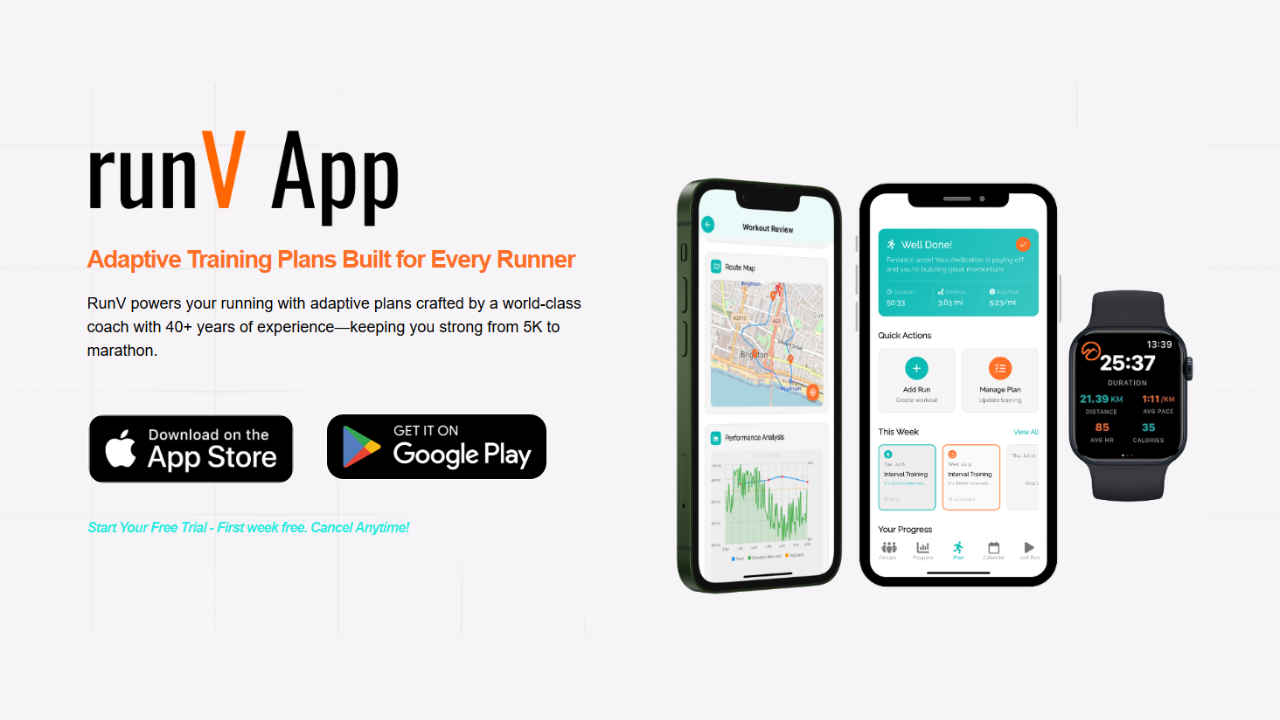
Apps with adaptive training logic can recommend fueling based on session intensity and duration. When combined with your notes on GI responses and performance, they become a powerful feedback loop for refining your plan.
If you’re exploring training tools that sync workload and fueling recommendations, review options that prioritize personalization and tech features. The article Features outlines examples of how modern platforms integrate planning, monitoring, and race‑day strategy in one place.
7.3 Belts, Vests, and Storage Systems
Advanced Fuel Timing is useless if you can’t access fuel easily. Common setups:
- Minimalist race belt with 4–6 gel loops.
- Soft flasks pre‑mixed with carb drink concentrate.
- Lightweight vest for hotter races or less supported courses.
Test your gear in long runs at near‑race pace: zero bounce, quick access, and practice opening gels with sweaty hands while moving.
7.4 Shoe and Sock Choices Affect Fueling Too
Blisters and foot pain can indirectly sabotage your fueling by raising stress and making even simple actions feel hard. High‑stack “super shoes” and modern race socks reduce mechanical stress, buying you more mental bandwidth for pacing and fueling decisions.
(Diet and fuel timing)
For a gear‑focused perspective on long‑run performance and comfort, check out Super Shoes Just Changed the Long‑Run Game and think of footwear as part of your fueling ecosystem, not separate from it.
8. Troubleshooting Common Fueling Problems
8.1 GI Cramps and Nausea
Frequent causes:
- Too high carb load per serving (e.g., 40–50g at once).
- Insufficient water with gels.
- Untrained gut at race intensity.
Fixes:
- Shift to smaller, more frequent doses (e.g., ½ gel every 10–12 minutes).
- Increase water slightly at each gel intake.
- Use long runs to slowly raise carb/hour, not in one leap.
8.2 Sloshing Stomach
Sloshing often indicates that fluid is not leaving the stomach quickly, often due to:
- Overdrinking, especially plain water.
- Very high carb concentration (overly thick drink mixes).
Solutions:
- Switch to sipping smaller amounts more frequently.
- Reduce carb concentration in bottles, separating liquids and gels more clearly.
8.3 Early Fatigue Despite Fueling
If you hit the wall even with a good fueling plan, consider:
- Was pace appropriate, especially in first 10K?
- Was your carb loading sufficient before race day?
- Are you underestimating your actual carb needs (e.g., only 40g/hour when 70g/hour is required)?
Sometimes the solution is a mix of slightly more conservative pacing early plus a modest increase in hourly carb intake, verified in training.
8.4 Cramps (Muscular, Not Gut)
Cramps are multifactorial: neuromuscular fatigue, sodium balance, and pacing all play roles. For marathoners:
- Ensure at least moderate sodium intake (300–600mg/hour).
- Keep carb availability high to reduce neuromuscular stress.
- Train race pace long enough to build specific endurance.
9. Sample Advanced Fuel Timing Plans for Different Runners
9.1 Sub‑3:30 Runner (Target ~70–80g Carbs/Hour)
Example: 70kg runner, 3:25 target, cool conditions.
Pre‑race:
- Breakfast: ~150–200g carbs, 3 hours pre‑start.
- 15–20 minutes pre‑start: 1 gel (25g carbs, no caffeine) + small water.
In race (Advanced Fuel Timing Proven pattern):
- Every 20 minutes: 1 gel (25g), alternating caffeine and non‑caffeine after 45–60 minutes.
- Sodium: 400–600mg/hour via gels + occasional sports drink or salt caps.
- Water: 2–3 mouthfuls at every aid station; more if warm.
Total intake: 9–10 gels (~225–250g carbs over 3.3–3.5 hours).
9.2 Sub‑4:30 Runner (Target ~50–65g Carbs/Hour)
Example: 65kg runner, 4:20 target, moderate temps.
Pre‑race:
- Breakfast: ~120–160g carbs, 3–3.5 hours pre‑start.
- 10–15 minutes pre‑start: ½–1 gel (15–20g) + water.
In race:
- Every 25 minutes: 1 gel (20–25g), mostly non‑caffeinated; introduce caffeine once every hour after 90 minutes if tolerated.
- Supplement with carb sports drink (10–20g carbs/hour) if pace is comfortable and GI is calm.
- Aim for at least 300mg sodium/hour, more in heat.
Total: ~8–9 gels plus sports drink, targeting ~50–60g carbs/hour.
9.3 First‑Time Marathoner (Conservative, 40–55g Carbs/Hour)
Example: 60kg runner, 5:00–5:30 target.
Pre‑race:
- Breakfast: 100–140g carbs, 3 hours before.
- 10–15 minutes pre‑start: ½ gel (10–15g) or a few chews.
In race:
- Every 30 minutes: 1 gel (20–25g) with water.
- Sports drink at alternating aid stations for an additional 10–15g carbs/hour.
- Moderate sodium (250–400mg/hour), tuned to sweat rate.
This is a more conservative Advanced Fuel Timing Proven plan aimed at finishing strong and learning your personal tolerance before pushing higher carb intakes in future races.
10. Putting It All Together for Your Next Marathon PR
Advanced Fuel Timing is about precision and personalization. The core principles are simple:
- Know your carb ceiling and work to raise it in training.
- Build a carb clock, not a vague “take gels sometimes” plan.
- Time fueling around terrain, intensity, and aid stations.
- Synchronize sodium, fluids, and caffeine with your carb plan.
- Use long runs as repeatable experiments, not guesses.
Layer these Advanced Fuel Timing Proven strategies on top of a sensible, progressive training plan. If your focus is broader—improving across distances, building durable habits, and integrating tech, coaching, and recovery—you’ll find related guidance in articles like Advanced Runners Guide to 7 Powerful Club Training Secrets, which complement the fueling approach described here.
Finally, keep a written record: what you ate, when, how much, conditions, performance, and how you felt. Over one or two training cycles, your fueling will become as individualized and dialed in as your pacing strategy, giving you a genuine shot at multiple powerful marathon PRs, not just one lucky day.