Title: How Adaptive Training Prevents 5 Shocking Workload Spikes (Before They Break You)
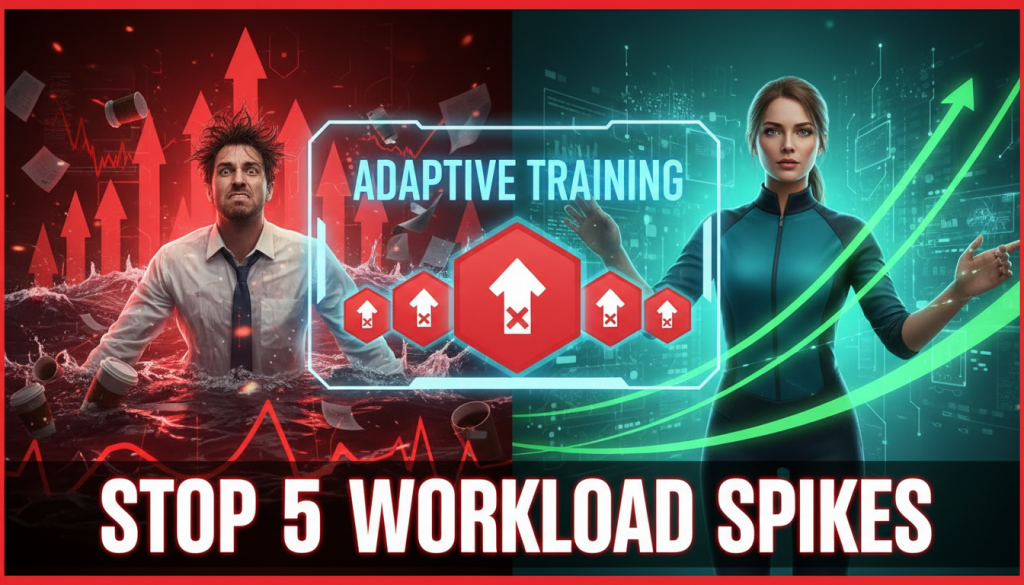
If you’ve ever jumped your weekly mileage, added intervals overnight, or suddenly chased a new PR, you’ve probably felt it: that creeping fatigue, niggling pain, or full-blown injury that seems to come from nowhere. This is exactly where Adaptive Training Prevents Shocking workload spikes and quietly saves your season. Instead of following a fixed plan that ignores your actual fatigue, sleep, and life stress, adaptive training reshapes your plan in real time so those hidden spikes never pile up enough to derail you.
In this guide, we’ll dig deep into how adaptive training works, the five most dangerous workload spikes it prevents, and how to use modern tech (apps, watches, AI-driven plans) to stay healthy, consistent, and progressing.
Table of Contents
- What Is Adaptive Training?
- Why Workload Spikes Are So Dangerous
- 5 Shocking Workload Spikes Adaptive Training Prevents
- How Adaptive Training Actually Works Under the Hood
- Tech and Gear: Tools That Make Adaptive Training Easy
- Real-World Examples: How Adaptive Training Prevents Shocking Spikes
- Building Your Own Adaptive Training System
- Common Mistakes When Using Adaptive Training
- Who Benefits Most from Adaptive Training?
- Key Takeaways: How Adaptive Training Prevents Shocking Spikes and Keeps You Running
What Is Adaptive Training?
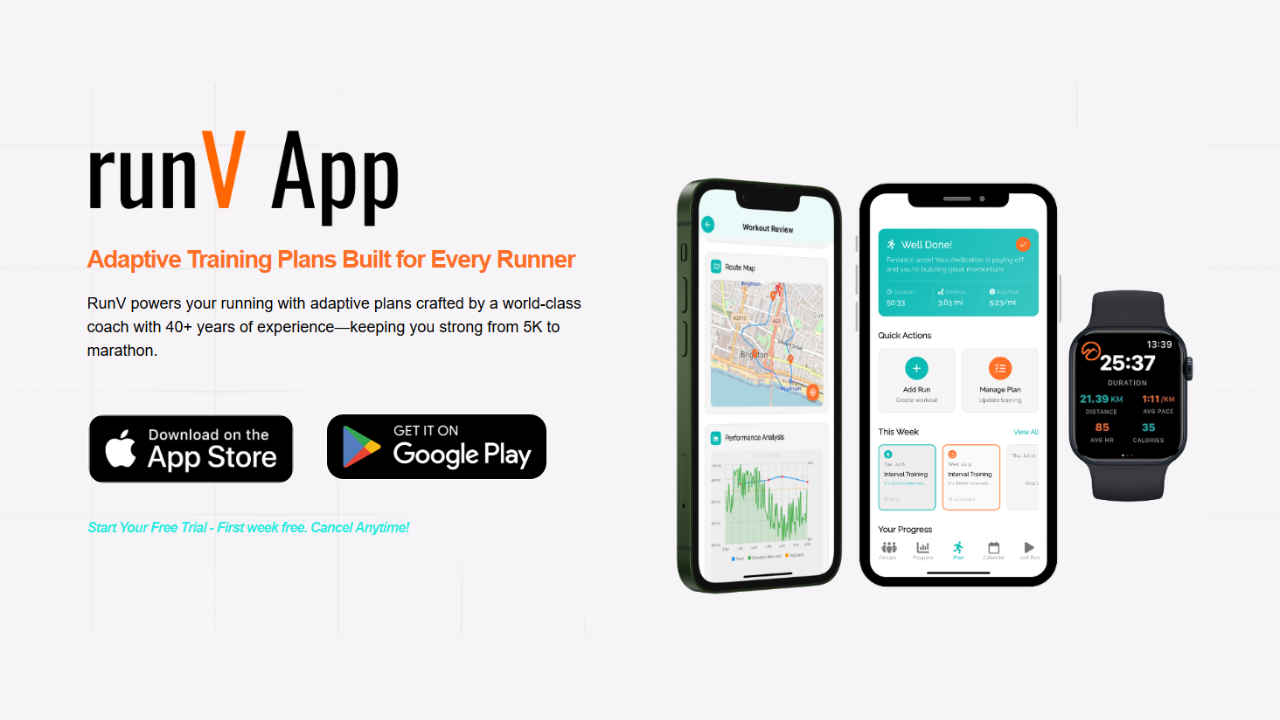
Adaptive training is a dynamic approach to planning your runs where your schedule changes based on real-time feedback: how you feel, how you perform, and how your body responds to stress.
Instead of a static plan printed on a calendar, adaptive systems recalculate each upcoming workout using data such as pace, heart rate, sleep, soreness, and even how tough the last workout felt.
This is where modern AI-driven tools shine. A well-designed AI Dynamic Plan can act like a coach in your pocket, constantly adjusting the training load so you progress—but never in a way that creates sudden, shocking jumps your body isn’t ready for.
In other words: adaptive training isn’t softer; it’s smarter. You can still train hard. The difference is when and how those hard efforts appear.
Why Workload Spikes Are So Dangerous
Most overuse injuries and burnout periods aren’t caused by one single “bad” workout. They’re usually caused by rapid training load changes—often in just one or two weeks.
These spikes can be measured in different ways:
- Mileage spikes: sudden jumps in weekly distance
- Intensity spikes: too many hard sessions packed together
- Time-on-feet spikes: longer durations without gradual build
- Impact spikes: more hills, speedwork, or hard surfaces
- Total stress spikes: life stress plus training, all at once
Research often frames this as the acute-to-chronic workload ratio: when the recent workload is much higher than your average over the preceding weeks, your risk of injury and illness climbs sharply.
This is exactly the landscape in which Adaptive Training Prevents Shocking spikes: not by capping your potential, but by smoothing the path to your peak.
5 Shocking Workload Spikes Adaptive Training Prevents
1. Spike 1 – Mileage Jumps That Shock Your Legs
The classic mistake: feeling good, you add “just a little more” each week. Then suddenly your calf tightens, your shin aches, or your IT band screams.
Even the old “10% rule” is just a rough heuristic. Depending on your background, injury history, and current fitness, 10% can be too much—or not enough.
How Adaptive Training Prevents Shocking Mileage Spikes
Adaptive systems monitor your recent running volume and your response:
- They track weekly and rolling 28-day mileage.
- They look at how your pace and heart rate change at similar efforts.
- They factor in subjective data like RPE (Rate of Perceived Exertion) and soreness.
If pace is slowing at the same heart rate, your HRV is dropping, or you’re flagging workouts as “very hard,” adaptive training reduces the planned jump in mileage—or even pulls you back a bit.
This is one way Adaptive Training Prevents Shocking jumps before they show up as a stress fracture or tendinopathy.
What This Looks Like in Practice
Static plan: 30 km → 33 → 36 → 40, regardless of sleep, soreness, or how you actually handle those weeks.
Adaptive plan: 30 km → 34 (you respond well) → 31 (post-race fatigue) → 36 (rebound after deload).
The overall trend is still upward, but the increases follow your body, not the calendar.
2. Spike 2 – Intensity Surges That Overload Your Heart and Lungs
Intensity spikes are more subtle than mileage jumps, but just as dangerous. You might keep mileage steady yet suddenly stack intervals, tempo runs, and hill sprints into the same week.
Your heart, lungs, and nervous system feel this way sooner than your weekly distance shows it.
How Adaptive Training Controls Intensity
Modern adaptive systems look at the quality and density of your hard sessions:
- How many days since your last hard workout?
- How long did you spend above threshold pace or heart rate?
- Did you hit your target paces comfortably or were you redlining?
If your last session was brutal or your HR stayed elevated longer than expected, the algorithm might:
- Convert your next planned interval day into a steady aerobic run.
- Shorten or reduce the number of reps in your workout.
- Swap in a recovery run with strides instead of full intervals.
This is a key way Adaptive Training Prevents Shocking intensity spikes, especially in competitive runners who love to “race” every session.
Intensity Is More Than Just Pace
Heart rate, perceived effort, and terrain all matter. A 5:30/km pace on a hilly route in heat can be more intense than a 5:00/km pace on a cool, flat loop.
Adaptive systems that integrate GPS and elevation data can flag these disguised hard days and automatically balance them with easier ones.
3. Spike 3 – The Volume + Intensity Combo Spike
The most dangerous spike for many runners is the “double whammy”: you increase mileage and intensity in the same week. Maybe you’re pushing towards a half or full Marathon and get excited after a strong long run.
You add extra volume, then decide it’s also time to start intervals. A few days later, your knees, Achilles, or plantar fascia disagree.
How Adaptive Training Balances the Equation
Adaptive systems treat intensity and volume as part of a single training load picture, not separate dials you can arbitrarily crank together.
When volume goes up:
- Hard sessions might get shorter or less frequent.
- Your long run may be kept at a gentler pace.
- Easy days become truly easy, not “slightly fast.”
When intensity goes up:
- Weekly mileage might stay flat or even drop slightly.
- Non-key days may be downgraded to recovery runs.
This is one of the clearest ways Adaptive Training Prevents Shocking training weeks—where everything feels “go” and nothing feels “recover.”
Why Static Plans Struggle Here
Fixed plans assume a generic runner with predictable adaptation. But real life is messy: work deadlines, illness, travel, poor sleep, and unexpected races all change how you handle volume and intensity.
Without adaptation, a week that looked fine on paper months ago can become a huge overload in real time.
4. Spike 4 – “Invisible” Life-Stress Spikes
Training load doesn’t exist in a vacuum. Your body doesn’t separate “running stress” and “life stress”—it just knows total stress.
You might handle 60 km per week brilliantly when work is calm and sleep is good, but crumble at 45 km during a stressful period at home.
How Adaptive Training Reads Life Stress
Good adaptive systems use both data and self-reporting to infer your ability to absorb training:
- Sleep metrics: duration, quality, consistency
- HRV: overnight heart rate variability trends
- Resting HR: elevated resting heart rate over several days
- Self-reported mood and fatigue
If signs point to high stress, adaptive training typically:
- Scales back intensity before cutting volume dramatically.
- Builds in mini-deloads (e.g., 3–4 easier days) within bigger blocks.
- Shortens long runs slightly while preserving frequency.
In this sense, Adaptive Training Prevents Shocking total-stress spikes by reshaping training load when non-running stress surges.
The Mental Side
When you feel safe to back off without “breaking the plan,” you’re more likely to listen to your body instead of forcing sessions out of guilt.
That psychological flexibility is a hidden superpower of adaptive training, especially for high-achieving runners who tend to push through everything. (Adaptive plans protect runners)
5. Spike 5 – Race-Specific Spikes (Taper, Travel, Heat, and Hills)
Race periods are uniquely spike-prone: you change terrain, add travel, alter sleep, and adjust taper procedures all at once. A poorly managed taper can actually increase injury risk and reduce performance.
Many runners learn this the hard way when they stack last-minute long runs or speed sessions too close to race day. If you want to dig deeper on tapering mistakes, there’s a helpful breakdown in Marathon Taper Mistakes That Ruin 7 Essential Race Results.
How Adaptive Training Steadies Race Phases
Adaptive systems factor in:
- Upcoming race date and target distance
- Recent long run history
- Recent intensity and how you tolerated it
Then they:
- Schedule your final big workouts with enough recovery.
- Adjust taper intensity based on how fresh or fatigued you appear.
- Allow micro-changes if travel or illness affects your final weeks.
This is where Adaptive Training Prevents Shocking race-week overloads, like trying to cram missed sessions or panicking into extra long runs.
Environment Spikes: Heat, Altitude, and Hills
Racing in new conditions (hotter climate, more hills, or higher altitude) can instantly spike effective workload even when mileage and pace stay the same.
Adaptive systems that factor in weather, elevation, and course profile can lower your target paces or reduce session lengths in those conditions to maintain the intended effort level.
How Adaptive Training Actually Works Under the Hood
Different platforms use different algorithms, but most adaptive training models use similar building blocks:
1. Data Collection
Inputs often include:
- GPS data: distance, pace, elevation, route
- Heart rate and HR zones
- Time in different intensity zones
- Sleep duration and quality (if linked)
- HRV (via chest strap or watch)
- Subjective RPE and mood ratings
This combination helps distinguish “easy” from “secretly hard” sessions, which is essential to avoid hidden spikes.
2. Baseline Fitness and Load History
Adaptive systems look at your recent weeks to establish your normal capacity:
- Average weekly volume
- Typical number of hard sessions
- How quickly you usually recover
This “chronic load” baseline is what helps detect sudden acute spikes.
3. Fatigue and Readiness Assessment
Many systems calculate a readiness or training load score, updating daily or weekly. They monitor:
- Are you improving at similar efforts?
- Is your HR recovering normally post-workout?
- Is RPE increasing for the same pace?
When readiness drops, the system pulls back. When it climbs, the plan offers more challenge.
4. Plan Adjustment Logic
Here’s where Adaptive Training Prevents Shocking spikes in a very practical way. Based on readiness and goals, the system tweaks:
- Session type (intervals vs. tempo vs. easy)
- Session length and number of reps
- Weekly mileage targets
- Spacing between key workouts
The goal is to keep you in the “productive training zone”—not undercooked, not overcooked.
5. Continuous Feedback Loop
Every new workout is new data. The system learns:
- How you personally respond to increases.
- Which patterns preceded your best workouts.
- Which patterns correlated with fatigue or niggles.
Over time, this makes the adjustments more personalized than any generic plan off the internet.
Tech and Gear: Tools That Make Adaptive Training Easy
You don’t need to be a data scientist to benefit from adaptive training. Modern gear and apps do the heavy lifting.
1. GPS Watches and HR Monitors
A good GPS watch plus a heart-rate monitor gives you:
- Accurate distance and pace
- Heart rate zones and time in zone
- Recovery time estimates
- Training load metrics
If you’re choosing a watch to support adaptive training, make sure it syncs seamlessly with your preferred app and supports structured workouts. For help choosing, see How to Pick the Right GPS Watch for Your Next Big Goal.
2. AI-Driven Running Apps
These apps are where most of the adaptive magic happens. Look for features like:
- Daily or weekly adaptive workouts
- Integration with your GPS watch and HR sensor
- Options to rate effort and soreness
- Clear explanations for changes to your plan
Some systems specialize in shorter distances (like a 10k focus), while others cover everything from first 5K to marathon-level plans. The key is that the plan changes when your data changes.
3. Wearables for Sleep and HRV
Rings, straps, or advanced watches can track sleep stages and HRV. These metrics help quantify recovery and make your adaptive system smarter about off-the-run stress.
4. Old-School Tools Still Matter
A simple training log—digital or paper—plus honest notes about your mood, soreness, and life events can complement tech-driven systems. Algorithms are powerful, but they can’t read your mind. Your notes help contextualize the numbers.
Real-World Examples: How Adaptive Training Prevents Shocking Spikes
Example 1 – The Beginner Who Nearly Jumped Too Fast
Jess, a new runner, starts a plan to run her first 5K. After three weeks, she feels amazing and decides to double her long run distance “just to see if she can.”
An adaptive app flags that:
- Her weekly mileage would jump by 60%.
- Her average RPE has been trending up.
- Her sleep duration dipped this week.
It shortens her next long run, adds one extra rest day, and preserves her weekly total closer to a 20% bump instead of 60%. Jess runs the 5K healthy instead of sidelined with shin splints.
For more context on early warning signs, see How to Spot Early Shocking Signs: 7 Proven Mileage Risks, which pairs well with adaptive strategies.
Example 2 – The Time-Crunched 10K Runner
Mark is training for a 10k PB. A work crisis means three late nights and low sleep. He still completes his planned interval session, but his heart rate is higher than normal at his usual pace. (GPS watch adaptive coaching)
The next day, his adaptive plan:
- Converts his scheduled tempo run into an easy recovery jog.
- Limits the week’s total hard sessions to two instead of three.
His fitness continues trending up, but without the extra intensity spike that might have tipped him into burnout.
Example 3 – The Marathoner and the Taper Panic
Amira is three weeks out from a marathon. She misses a key long run due to illness and panics, thinking she has to “make it up” by squeezing another 35 km run the following weekend.
Her adaptive system sees:
- Recent illness and lower HRV.
- Already-completed long runs up to 32 km.
- Planned taper window approaching.
The plan adjusts to a moderate long run of 24 km plus sharpened but shorter marathon-pace segments. Her taper stays intact, avoiding both a mileage and intensity spike too close to race day.
Building Your Own Adaptive Training System
Whether you use a sophisticated app or a DIY hybrid, you can apply the principles of adaptive training yourself.
1. Define Your Non-Negotiables
Decide up front:
- Maximum weekly mileage this season.
- Maximum number of hard days per week.
- Minimum rest or recovery days per week.
These guardrails make it easier to spot when enthusiasm is pushing you toward a spike.
2. Track Three Core Metrics
At a minimum, monitor:
- Weekly volume (distance or time)
- Number of hard sessions per week
- RPE for each workout
If you see all three climb at once, that’s a spike risk. Let adaptive logic kick in: reduce one or two factors the next week.
3. Use a Feedback Question After Every Run
After each session, ask:
- “Could I repeat that exact session tomorrow?”
If the honest answer is “definitely not,” you did a true hard workout. Ensure the next 1–2 days match that reality (easy or rest). This simple rule reflects how Adaptive Training Prevents Shocking clusterings of hard efforts.
4. Embrace Micro-Adjustments
Adapting doesn’t always mean huge changes. Often it’s:
- Cutting 10–20 minutes off a long run.
- Dropping one interval rep instead of the whole session.
- Switching a tempo run to a steady aerobic run.
These micro-changes are often enough to smooth spikes while preserving overall progression.
5. Combine Community and Tech
If you train with a group or club, it’s still possible to stay adaptive. Coordinate with leaders or coaches and be willing to adjust your own pace or volume based on your data and how you feel.
If you’re looking to blend group motivation with smart load management, guides like How to Find a Powerful Running Group: 7 Proven Steps can help you choose groups that respect individual pacing and recovery needs.
Common Mistakes When Using Adaptive Training
1. Ignoring Subjective Feedback
Some runners trust the watch more than their body. If every metric looks “green,” but you feel unusually drained, short-tempered, or sore, your perception matters.
Adaptive training works best when you honestly report RPE, soreness, and mood. Don’t skip those check-ins.
2. Overriding Adjustments Too Often
If your app keeps dialing back workouts and you keep manually turning them back up, you’re defeating the purpose.
Occasional overrides are fine; constant overrides mean you’re ignoring the very system that keeps spikes under control.
3. Expecting Linear Progress
Adaptive training will sometimes reduce your workload even when you feel like you should be increasing it. That’s normal.
Progress in fitness is wave-like: stress, recover, adapt. Long-term gains beat short-term hero weeks every time.
4. Using Too Many Metrics
More data isn’t always better if it confuses your decisions. Focus on a few high-impact indicators—volume, intensity, RPE, and basic recovery signals—rather than obsessing over every chart.
5. Failing to Plan the Big Picture
Adaptive training doesn’t mean winging it. You still need macro-goals:
- Key races
- Main training phases (base, build, peak, taper)
- Target distances and performance goals
The adaptation happens inside that big picture, not instead of it.
Who Benefits Most from Adaptive Training?
While every runner can benefit, some groups see especially strong gains when Adaptive Training Prevents Shocking spikes:
- Beginners – who are prone to doing “too much, too soon.”
- Busy professionals – whose life stress fluctuates from week to week.
- Masters runners – who may need more recovery between hard days.
- High achievers – who tend to push too hard and skip rest.
- Comeback runners – returning from injury, illness, or long breaks.
If you’re new and not sure where to start, pairing adaptive tools with foundational advice (like what you’ll find in Beginner Runner FAQs Answered: 7 Proven, Essential Tips) creates a smart, safe entry into the sport.
Key Takeaways: How Adaptive Training Prevents Shocking Spikes and Keeps You Running
Here’s what matters most:
- Workload spikes are the real enemy—not hard training itself. Rapid jumps in mileage, intensity, or total stress dramatically raise injury and burnout risk.
- Adaptive training smooths the curve by adjusting workouts based on real-time performance, recovery, and life stress.
- Five big spikes to avoid are mileage jumps, intensity surges, volume + intensity combo spikes, invisible life-stress spikes, and race-specific spikes around taper and environmental changes.
- Tech helps, but honesty is crucial. GPS watches, HR monitors, HRV, and AI plans are powerful tools—but only if you also respect what your body is telling you.
- Micro-adjustments beat major setbacks. Small, frequent tweaks keep you moving forward instead of swinging between boom and bust.
- Adaptive Training Prevents Shocking overload by making your plan flexible, not fragile. When life changes, the plan changes instead of breaking.
If you embrace adaptive training as a philosophy—listening, adjusting, and thinking in terms of trends instead of single workouts—you’ll run more consistently, hit more starting lines healthy, and unlock more of your real potential over months and years.