

How to Choose the 5 Best Running Groups for Incredible Results
If you want faster times, better consistency, and more fun while you train, learning how to Choose Best Running Groups for your goals can be one of the biggest performance upgrades you’ll ever make. The right group gives you structure, accountability, expert guidance, and access to runners who share your love of training, racing, gear, and tech. The wrong one can leave you frustrated, overtrained, or bored.
This guide walks you through exactly how to identify, evaluate, and commit to the 5 best running groups for your needs—whether you’re chasing a first 5K or a Boston qualifier.
Table of Contents
- Why Running Groups Matter So Much for Results
- The Main Types of Running Groups (And Who They’re For)
- 10 Essential Criteria to Choose Best Running Groups
- Step‑by‑Step Process to Choose the 5 Best Running Groups
- Matching Groups to Your Goals and Experience Level
- Using Tech and Gear to Get More From a Running Group
- How to Evaluate a Group After the First Few Sessions
- Online & Hybrid Groups: When Virtual is Actually Better
- Red Flags: Groups You Should Avoid
- Integrating Group Runs Into a Smart Training Plan
- FAQ: Common Questions About Choosing Running Groups
1. Why Running Groups Matter So Much for Results
Joining a group is not just about having company. When you deliberately Choose Best Running Groups for your situation, you gain hidden performance advantages most solo runners never tap into.
Key benefits runners actually feel:
- Accountability: It’s much harder to skip a tempo session when five people expect you there.
- Pacing support: Training with others at your target pace pulls you to better, more consistent efforts.
- Structured training: Many groups follow periodized plans leading into race seasons.
- Feedback & coaching: Coaches and experienced runners can immediately spot errors in form or pacing.
- Motivation: Group energy on long runs and intervals turns “I can’t” into “I just did.”
- Learning hub: You’ll hear about races, shoes, GPS watches, and fueling strategies you’d never find alone.
For fitness‑focused runners, groups also make intensity feel safer and more manageable. You can experiment with speed, hills, and longer distances knowing experienced people are there to help.
2. The Main Types of Running Groups (And Who They’re For)
To Choose Best Running Groups intelligently, you first need to understand the main formats and what type of runner they serve best.
2.1 Local Running Clubs
These are community‑based, often volunteer‑run organizations that meet several times per week.
Best for:
- Runners who want consistency, low costs, and mixed ability levels.
- People new to a city who want social connections.
Pros: Affordable, inclusive, regular sessions, wide pace ranges.
Cons: Coaching quality varies; sessions may not be individually tailored.
2.2 Coach‑Led Training Groups
These are structured programs, often seasonal (e.g., 12‑week 10K or marathon build). A coach designs the workouts and usually attends key sessions.
Best for:
- Runners chasing PRs or distance milestones.
- Those who want technique feedback and planned progressions.
Pros: Professional guidance, progression, race‑specific focus. (Find ideal running group)
Cons: Higher fees, more rigid schedules.
2.3 Store‑Based and Brand‑Sponsored Groups
Many specialty running stores, and even big brands, host weekly runs, shoe demos, or workout series.
Best for:
- Gear‑curious runners who like trying new shoes and tech.
- Runners who want casual, low‑commitment social runs.
Pros: Free or cheap, access to demos, discount nights, expert staff.
Cons: Structure can be limited; pace groups may be inconsistent. (Find a running group)
2.4 Online and Hybrid Running Groups
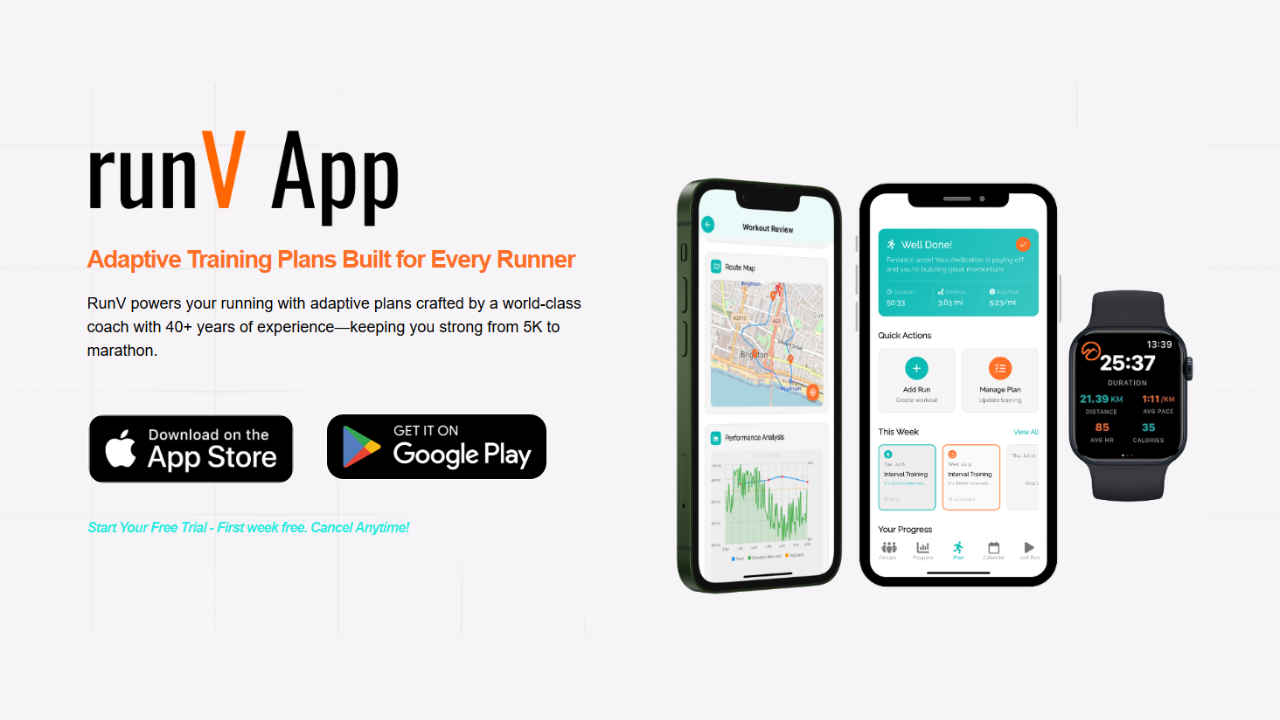
These use apps, platforms, or coaching services combined with occasional in‑person meetups. They’re powerful when you choose them carefully.
Best for:
- Runners with tight schedules or limited local group options.
- Tech‑savvy runners who enjoy data and adaptive planning.
Pros: Flexible scheduling, global community, data‑driven training.
Cons: Less day‑to‑day in‑person social contact; self‑motivation still required.
2.5 Niche & Specialty Groups
Examples: trail‑only groups, ultra teams, women‑only crews, masters groups, or performance squads focused on specific distances.
Best for:
- Runners with very specific goals (trail ultras, track 5Ks, age‑group podiums).
- People seeking a particular social vibe or identity‑affirming space.
The key is matching the group’s mission to where you actually want to go, not just what sounds fun today.
3. 10 Essential Criteria to Choose Best Running Groups
When you want to Choose Best Running Groups for major results, emotion and convenience aren’t enough. Use these criteria to evaluate any group you’re considering.
3.1 Training Philosophy and Structure
Ask: How does this group structure training? Is there a seasonal plan? Do they balance easy days, workouts, and rest?
Look for:
- Periodized cycles (base, build, peak, taper).
- Clear purpose for each session (tempo, intervals, long run, recovery).
- Evidence they respect recovery and avoid chronic overreaching.
Groups that follow sound principles similar to the guidance in Complete Guide to Performance: 7 Powerful Secrets for Runners are more likely to support long‑term progress, not just short‑term fatigue.
3.2 Coach and Leadership Quality
Coaches don’t need elite credentials, but they do need experience and a clear approach.
Ask:
- Do leaders have coaching certifications or significant race experience?
- Do they adapt workouts by pace and ability?
- How do they handle injury concerns or fatigue complaints?
Good leaders ask about your history, race plans, and time constraints. Mediocre leaders just shout splits.
3.3 Pace Group Organization
To Choose Best Running Groups for improvement, you need runners roughly your pace—ideally slightly faster on hard days and slightly slower on easy days.
Look for:
- Multiple, clearly defined pace groups (e.g., 8:00–8:30/mile, 9:00–9:30/mile).
- Leaders assigned to each pace range.
- Flexibility to move groups as your fitness changes.
If you’re constantly alone off the back or towing everyone at the front, you’ll either overwork or under‑stimulate yourself.
3.4 Safety Standards and Culture
Safety is non‑negotiable. Your group should have clear rules for:
- Road crossing and traffic awareness.
- Night running (lights, visibility, routes).
- Hydration, weather checks, and handling heat/cold stress.
A group that normalizes running through lightning storms, ignoring injuries, or skipping warm‑ups is not where you want to be.
3.5 Inclusivity and Social Vibe
You’re more likely to stick with a group you enjoy. Notice:
- How leaders greet newcomers.
- Whether different paces and body types are welcomed.
- If conversations are supportive or cliquish and competitive in a negative way.
You should feel you belong—even if you’re new or slower right now.
3.6 Schedule Compatibility
Brilliant programming is useless if you can’t attend reliably. Look at:
- Days and times of key sessions (workouts, long runs).
- Distance from home or work.
- Seasonal variations (winter vs summer).
Commit to groups whose schedules you can respect at least 70–80% of the time.
3.7 Race and Goal Alignment
To Choose Best Running Groups for results, match their race calendar and priority distances to yours.
- If they’re marathon‑centric and you’re on a 5K‑speed kick, there may be misalignment.
- If they peak for your target event, you’ll benefit from shared focus and taper timing.
If your ambitions are mixed (e.g., transitioning from 5K to 10K while also training for a half), you may need multiple groups—track‑focused, distance‑focused, and social‑easy.
3.8 Cost vs. Value
Some groups are free; others charge monthly or per season. Evaluate value, not just price.
Worth paying for if they provide:
- Detailed training plans.
- Regular feedback and access to a coach.
- Workshops on topics like fueling, cadence, or strength.
Compare the structure and support to what’s offered in an AI Dynamic Plan or other smart training services; a strong in‑person group combined with intelligent digital planning can be a powerful hybrid.
3.9 Integration With Your Tech and Gear
For tech‑oriented runners, groups that embrace data are far more satisfying.
Ask:
- Do they use platforms where workouts are shared or analyzed?
- Are coaches comfortable discussing VO2, thresholds, or training load?
- Do they encourage heart‑rate or power‑based pacing for appropriate sessions?
If you love exploring VO2 and performance metrics, aligning with a group that understands concepts similar to those in The Role of VO2: 7 Proven Ways to Boost Performance can multiply your gains.
3.10 Long‑Term Sustainability
Finally, ask yourself: Can I do this for a year? Not just a month.
Consider:
- Travel time and lifestyle stress.
- Whether the training is balanced enough to avoid burnout.
- If the group gives you space to adjust when work and life get busy.
A group that encourages flexibility, not perfectionism, is more likely to support years of steady progression.
4. Step‑by‑Step Process to Choose the 5 Best Running Groups
Here’s a simple, practical process to Choose Best Running Groups rather than jumping into the first option you find.
4.1 Step 1: Clarify Your Next 12–18 Months of Goals
Before you compare groups, get clear about what you’re actually chasing:
- First 5K or 10K finish?
- Breaking a specific time barrier?
- Building durability for marathons or ultras?
- General fitness and social enjoyment?
If you’re building toward new race distances, resources like How to Transition From 5K to 10K: 7 Proven, Powerful Tips can help you understand what type of workouts and group support you’ll need.
4.2 Step 2: Map Your Week
Write down your typical week:
- Work hours and commute.
- Family or social commitments.
- Other training (gym, cross‑training).
Now identify 3–4 windows where you can realistically meet others. These become your ideal group session slots.
4.3 Step 3: Build a Shortlist of 8–10 Groups
Find candidates by:
- Searching local running stores and clubs.
- Checking social media for local crews.
- Asking at races and in online communities.
Create a simple table with:
- Group name
- Location
- Meeting days
- Primary focus (distance, race season, level)
4.4 Step 4: Initial Filter Using Non‑Negotiables
Quickly eliminate groups that fail your essentials:
- Safety practices missing.
- No paces near yours.
- Schedule completely incompatible.
Aim to narrow down to 5–7 solid contenders.
4.5 Step 5: Test‑Run Each Group at Least Twice
To truly Choose Best Running Groups, you must experience them. One session can be misleading—weather, turnout, and your mood vary week to week.
When visiting:
- Arrive early and talk to leaders about your goals.
- Note how they handle warm‑up, main set, and cool‑down.
- Pay attention to group dynamics: chatter, support, and respect.
Try at least:
- One workout or tempo session.
- One easy or long run, if offered.
4.6 Step 6: Score Each Group
Use a simple 1–5 scale for each criterion:
- Training structure
- Coach quality
- Pace match
- Safety
- Social fit
- Schedule match
- Tech/gear alignment
Add a “gut feel” score. Sometimes your body knows what your brain is slow to admit.
4.7 Step 7: Select Your Core 2–3 Groups
From your top five, choose:
- 1 primary performance group (workouts, structured training).
- 1–2 secondary groups (social runs, long relaxed runs, trail variety).
You don’t need to belong “fully” to all five; some may be monthly drop‑ins or seasonal. The key is diversity that still fits your life.
5. Matching Groups to Your Goals and Experience Level
The best way to Choose Best Running Groups is by matching each group to a specific purpose in your training.
5.1 Beginners: Building Consistency and Confidence
If you’re new or returning from a long break, look for:
- Beginner‑specific pace groups or couch‑to‑5K programs.
- Shorter distances with walk‑run options.
- Emphasis on form, gradual progression, and injury prevention.
Avoid groups that:
- Make intensity the center of every session.
- Dismiss walk breaks or modifications.
As your base builds, you can layer in a performance‑oriented group for one harder workout per week.
5.2 Intermediate Runners: From “I Run” to “I Train”
If you’ve already run some races and want PRs:
- Choose a group with structured intervals, tempos, and race‑specific workouts.
- Look for training cycles targeting your race distances.
- Seek coaches who talk about pacing, nutrition, and tapering.
Your ideal blend:
- 1 hard session with a performance‑oriented group.
- 1–2 easy/social runs.
- 1 long run (solo or with a compatible pace group).
5.3 Advanced and Competitive Runners
For serious time goals, the bar rises:
- Choose groups with other runners near your performance level.
- Seek coaches who understand advanced topics like VO2 max intervals, threshold blocks, and periodization.
- Look for race‑data reviews, race‑specific strategy sessions, and deload weeks.
You may use a group primarily for key workouts and do much of your easy mileage solo to protect recovery.
5.4 Trail, Ultra, and Adventure Runners
If you love dirt and vert:
- Find trail‑specific crews familiar with local routes.
- Look for practices that emphasize safety, navigation, and terrain‑appropriate pacing.
You can still benefit from a road‑based speed group once a week to keep your leg turnover sharp.
6. Using Tech and Gear to Get More From a Running Group
Tech doesn’t replace a group—but it can enhance how you train within one.
6.1 GPS Watches and Data Sharing
Most groups now assume you’ve got some kind of GPS watch or phone app:
- Upload workouts to compare splits with teammates.
- Track trends in pace, heart rate, and training load.
- Spot overtraining or lack of progression early.
If you’re upgrading watches or considering advanced features like training load and power, articles such as New GPS Watches Are Bringing Pro‑Level Training to Everyday Runners can help you choose tech that matches how your group trains.
6.2 Using Data to Guide Group Workouts
Within a group:
- Use heart‑rate or pace zones to prevent being dragged too fast on recovery days.
- Set custom workouts on your watch so you can follow prescribed intervals even if others improvise.
- Watch your cadence, especially in track or tempo sessions, to refine efficiency.
Data gives you an anchor when competitive instincts tempt you to race every rep.
6.3 Gear: Shoes, Apparel, and Accessories
Running groups are informal gear labs:
- Compare notes on daily trainers, super shoes, and trail options.
- Try demo events hosted by stores or brands.
- Stress‑test items like hydration vests, belts, and lights during long runs.
Just remember: what works for the fastest runner in your group isn’t automatically right for you; consider your biomechanics, mileage, and race plans.
7. How to Evaluate a Group After the First Few Sessions
Even after you’ve used all the objective criteria, lived experience matters when you Choose Best Running Groups for ongoing membership.
7.1 Training Load vs. Recovery
After 3–4 weeks, ask:
- Am I constantly sore or exhausted?
- Are my easy days truly easy, or does the group push the pace?
- Is there space in the schedule for rest or adaptation weeks?
If your group encourages you to hammer every run, your risk of injury and burnout rises sharply.
7.2 Performance Markers
Look for early signals like:
- Improved ability to hold target paces.
- Lower heart rate at the same pace.
- Better control during intervals (not dying on the last reps).
These indicate the group’s structure and pace are working for you.
7.3 Emotional and Social Fit
Finally, check the “soft” metrics:
- Do you look forward to group days?
- Do you feel supported when you have an off day?
- Can you admit when you’re tired without being mocked or pressured?
If your stress level goes up every time group day appears on the calendar, it may be time to switch.
8. Online & Hybrid Groups: When Virtual is Actually Better
Sometimes the best answer when you Choose Best Running Groups isn’t purely local.
8.1 Advantages of Online and Hybrid Groups
These can offer:
- Customized, adaptive plans that adjust to your schedule and fatigue.
- Connection to runners worldwide at your pace and level.
- Access to expert coaches you’d never find locally.
You might combine:
- A local group for 1–2 runs per week.
- A data‑driven virtual group or platform for the rest of your training plan.
8.2 Making Virtual Groups Work
To get the most from them:
- Engage in forums, chats, or weekly check‑ins.
- Share race reports and training questions.
- Coordinate local meetups with others in your city who use the same service.
Virtual groups demand self‑discipline, but they offer unparalleled flexibility and personalization.
9. Red Flags: Groups You Should Avoid
Not every group is healthy. When trying to Choose Best Running Groups, watch for these warning signs.
9.1 “No Pain, No Gain” as the Core Motto
If every session is intense and recovery is mocked:
- You’ll see frequent injuries and dropouts.
- Beginners will be pushed beyond safe limits.
- Long‑term progress will stall despite huge effort.
Smart groups understand how recovery, easy days, and step‑back weeks drive performance.
9.2 Lack of Safety Awareness
Red flags include:
- Running in dark roads without lights or reflective gear.
- Ignoring extreme heat or storms.
- No protocol for medical issues or emergencies.
Your well‑being is more important than any workout.
9.3 Toxic Competition and Elitism
Avoid groups where:
- Slower runners are mocked or ignored.
- Only PRs and podiums are celebrated.
- Relentless comparison leaves you feeling inadequate.
Healthy competitiveness is fine; contempt is not.
9.4 Rigid, One‑Size‑Fits‑All Training
If the group insists everyone follow exactly the same mileage and intensity regardless of:
- Experience
- Age
- Injury history
- Race goals
it’s a sign they’re not serious about individual health and performance.
10. Integrating Group Runs Into a Smart Training Plan
Once you Choose Best Running Groups for your life, the next challenge is using them wisely within your overall training.
10.1 Decide Which Group Sessions Are “Key Workouts”
Key workouts are the high‑impact sessions your week is built around:
- Intervals or track sessions.
- Tempo or threshold runs.
- Long runs (especially near race distance).
Ensure only 2–3 of these per week, total, across all groups. Everything else should be genuinely easy.
10.2 Protect Recovery and Easy Days
The biggest risk of multiple groups is that every meetup becomes a mini‑race.
Strategies:
- Commit to running one group day deliberately at a conversational pace.
- Start at the back of the pack on easy runs to avoid getting pulled too fast.
- Use heart‑rate or pace caps to enforce recovery intensity.
10.3 Coordinate With a Personalized Plan
Think of groups as “overlays” on top of your primary plan:
- Slot group workouts where your plan calls for speed or tempo.
- Use group long runs during your build‑up weeks.
- Skip or modify group sessions during deloads or taper weeks.
If in doubt, prioritize the structure of a well‑designed plan and adapt how you use groups, not the other way around.
11. FAQ: Common Questions About Choosing Running Groups
11.1 How many running groups should I join at once?
For most runners, 2–3 is ideal:
- 1 primary performance or coach‑led group.
- 1–2 secondary groups for social runs, trails, or long runs.
More than that often leads to too many hard sessions and calendar overload.
11.2 How long should I give a group before deciding if it’s right?
Aim for at least 3–4 weeks, attending a mix of session types if possible. This lets you experience different workouts, attendance levels, and social dynamics.
If safety or blatant toxicity are issues, leave immediately.
11.3 What if there are no good local groups near me?
Then lean harder into:
- Virtual or hybrid groups.
- Online coaching and adaptive plans.
- Occasional races and events as your “group days.”
You can still apply all the principles used to Choose Best Running Groups when selecting online communities and services.
11.4 Can I still improve if I only attend a group once per week?
Absolutely. One high‑quality group session can:
- Anchor your week with structured intensity.
- Keep you accountable and motivated.
- Provide pacing support for your toughest workout.
Many strong runners do exactly this, handling the rest of their mileage solo or with one training partner.
11.5 How do I handle being the slowest person in the group?
First, remember: someone has to be last, and your effort is equal regardless of pace.
To make it work:
- Communicate with leaders about your pace and needs.
- Ask if there’s a slower group or if routes allow people to shorten loops.
- Use the group for interval workouts where everyone regroups between efforts.
If you consistently feel unsafe or abandoned, this is a sign to find another group.
11.6 How do I avoid overtraining with multiple groups?
Use these guidelines:
- No more than 2–3 hard sessions per week total.
- At least one full rest day weekly.
- Every 3–4 weeks, reduce either intensity or volume for a recovery week.
Check in with your energy, mood, and sleep quality; when these slide, pull back on group intensity.
Putting It All Together
When you deliberately Choose Best Running Groups instead of drifting into whatever’s closest or most popular, you give yourself a powerful training ecosystem:
- A performance‑oriented group to sharpen your workouts.
- Social or trail groups to keep running fun and varied.
- Flexible, data‑aware structures so you improve without burning out.
Use the criteria in this guide, test multiple options, and be honest about how each group affects your body, mind, and schedule. Done well, the five groups you commit to over the next year can deliver more than just PRs—they can give you a sustainable, enjoyable running life that keeps progressing for years.