

Finding the right people to run with can completely transform your fitness, motivation, and long‑term consistency. If you’ve ever wondered how to Find Powerful Running Group: dynamics that make you faster, happier, and more resilient, you’re in exactly the right place.
A powerful running group isn’t just a handful of people who meet at a trailhead. It’s a system of support, accountability, knowledge, and shared goals that accelerates your progress whether you’re running your first 5K, chasing a marathon PR, or simply trying to stay healthy.
This guide walks you step‑by‑step through how to identify, test, and commit to the running group that fits you best—plus how to use modern gear and technology to get even more out of it.
—
Table of Contents
- Why Group Running Is So Powerful
- The 7 Proven Steps to Find a Powerful Running Group
- Step 1 – Clarify Your Running Goals and Identity
- Step 2 – Search Locally and Digitally for Running Groups
- Step 3 – How to Find Powerful Running Group: Key Traits to Look For
- Step 4 – Test Run: Try Multiple Groups Before Committing
- Step 5 – Use Tech, Apps, and Wearables to Amplify Group Training
- Step 6 – Check for Training, Social, and Schedule Fit
- Step 7 – Commit, Contribute, and Grow With the Group
- Gear, Shoes, and Safety for Group Running
- Group Run Etiquette and Unwritten Rules
- Troubleshooting: When a Group Isn’t Working for You
- FAQ: Powerful Running Groups and Your Training
—
Why Group Running Is So Powerful
Running is simple, but staying consistent is not. That’s where a powerful running group changes everything.
You get:
– Built‑in accountability: others expect you to show up.
– Social support: people understand your weird love of 5 a.m. miles.
– Shared knowledge: training, injury prevention, racing tips.
– Safer routes: more people, more visibility.
– Motivation: you run harder when others are beside you.
– Joy: miles pass faster when you’re laughing and talking.
A strong group can help you train smarter, not just harder. Combined with smart structure—like proper training structure that cuts injury risk—a good group is one of the most powerful performance “hacks” you can use.
—
The 7 Proven Steps to Find a Powerful Running Group
Here are the seven steps we’ll cover in depth:
1. Clarify your goals and what type of runner you are.
2. Search locally and digitally for candidate groups.
3. Evaluate group quality and identify truly powerful dynamics.
4. Test multiple groups with low‑pressure “trial runs.”
5. Use tech, apps, and wearables to enhance group training.
6. Confirm training, social, and schedule fit.
7. Commit, contribute, and continually grow with the group.
Throughout, we’ll circle back to how to Find Powerful Running Group: environments that align with your goals and personality.
—
Step 1 – Clarify Your Running Goals and Identity
Before you search for any group, you need clarity: what do you actually want from your running?
Ask yourself:
– Are you training for a distance (5K, 10K, half, marathon, ultra)?
– Do you care most about performance, health, weight loss, stress relief, or social time?
– How many days per week can you realistically run with others?
– Do you prefer early mornings, lunchtime, or evenings?
– Are you introverted, extroverted, or somewhere in between?
This shapes what “powerful” means to you. For a new runner, power might mean encouragement and education. For an experienced marathoner, it might mean structured workouts and pace‑matched partners.
If your big goals include major races, reading about events like the World Marathon Majors can help you visualize the next level. For example, Marathon Majors Are Heating Up: Records, Rivalries & You shows how elite‑level competition can inspire your own training dreams.
—
Step 2 – Search Locally and Digitally for Running Groups
Once you know what you want, you can cast a targeted net. To Find Powerful Running Group: options in your area, start with a mix of offline and online methods.
Local In‑Person Sources
Check:
– Running specialty stores (often host weekly group runs).
– Gyms and fitness studios (some have run clubs).
– Community centers and university recreation programs.
– Notice boards in parks, tracks, and trails.
Ask staff or coaches if groups match your pace and goals. Most stores know exactly which group fits which type of runner.
Online and App‑Based Sources
Use:
– Meetup, Facebook groups, and local running forums.
– Strava clubs and Garmin/Coros communities.
– City‑ or region‑specific running websites.
Look for:
– Clearly described paces and workout types.
– Regularly scheduled runs (not “maybe” meetups).
– Recent activity and engagement, not just old posts.
Virtual communities can supplement local groups too, especially if your schedule is unusual.
—
Step 3 – How to Find Powerful Running Group: Key Traits to Look For
Not every running group is powerful. Many are casual social jogs, which might be perfect—or not. When you’re trying to Find Powerful Running Group: characteristics that truly move you forward, evaluate these core traits.
1. Structure and Consistency
Powerful groups:
– Meet on specific days and times.
– Use repeatable meeting spots.
– Have leaders or captains responsible for communication.
– Show up in all seasons, not just “when it’s nice.”
Consistency builds trust. If a group constantly cancels or changes plans last minute, it’s harder to build momentum.
2. Pace Range and Inclusivity
Check:
– Is the pace range clear (e.g., 8:00–9:00 / mile, run‑walk, etc.)?
– Are there multiple pace groups?
– Are slower runners supported, not mocked or abandoned?
An inclusive but honest pace description is a very good sign. Vague phrases like “all levels welcome” without any pace guidance can be red flags if nobody actually leads slower groups.
3. Training Philosophy
Ask about:
– How often they do speedwork vs easy runs.
– Whether they follow a plan (e.g., marathon cycle).
– Their attitude toward rest and injury.
Groups that respect recovery and easy days tend to keep members healthy longer. If they glorify “no days off” and constant hard efforts, be cautious. You want a group whose culture supports sustainable progress and intelligent training.
—
4. Leadership and Communication
Strong groups usually have:
– One or more designated leaders.
– A primary communication channel (WhatsApp, email, Facebook, Slack).
– Clear info about routes, distances, and cancellations.
Leaders don’t need to be certified coaches, but they should be organized, approachable, and safety‑oriented. Groups that communicate well tend to train well.
5. Culture, Vibes, and Values
Ask yourself during and after a trial run:
– Do people greet newcomers?
– Is the vibe competitive, supportive, or cliquish?
– Do they celebrate everyone’s wins, or only the fast few?
A powerful running group should leave you feeling capable and energized, not inferior or ignored. The strongest performers often lift others up; if they only brag, it’s not a healthy culture.
—
Step 4 – Test Run: Try Multiple Groups Before Committing
To really Find Powerful Running Group: synergy that fits you, you’ll probably need to test more than one option. Think of it like test‑running shoes: you rarely nail the perfect pair on the first try.
How to Approach Your First Visit
– Introduce yourself to the leader and mention your typical pace and distance.
– Start conservatively—aim for a slightly slower group at first.
– Focus on observing, not proving yourself.
– Ask about their regular schedule and how workouts are chosen.
Afterward, note:
– Did you feel safe and welcomed?
– Did the route and pace fit you?
– Did anyone check on you mid‑run?
– Would you look forward to returning?
If your first group isn’t a match, don’t quit on the idea of group running. Just try another. Many runners need 2–4 attempts to find their long‑term crew.
—
Dealing With Nerves and Imposter Syndrome
Feeling intimidated is incredibly common:
– “What if I’m too slow?”
– “What if I hold people back?”
– “What if I look like I don’t belong?”
Remember:
– Most group members once felt exactly how you feel.
– Leaders usually want more people to join, not fewer.
– You are not “wasting” anyone’s time; you’re adding energy and diversity.
Give yourself at least two or three attendances before deciding. The first visit is often the most awkward, and it gets easier fast.
—
Step 5 – Use Tech, Apps, and Wearables to Amplify Group Training
Today’s technology makes it easier than ever to coordinate, analyze, and optimize group running. If you want to Find Powerful Running Group: setups that leverage modern tools, look for those that integrate apps and wearables.
Apps and Training Platforms
Running apps can:
– Share routes and workouts.
– Track group challenges.
– Allow friendly leaderboard competition.
– Sync with watches and heart‑rate monitors.
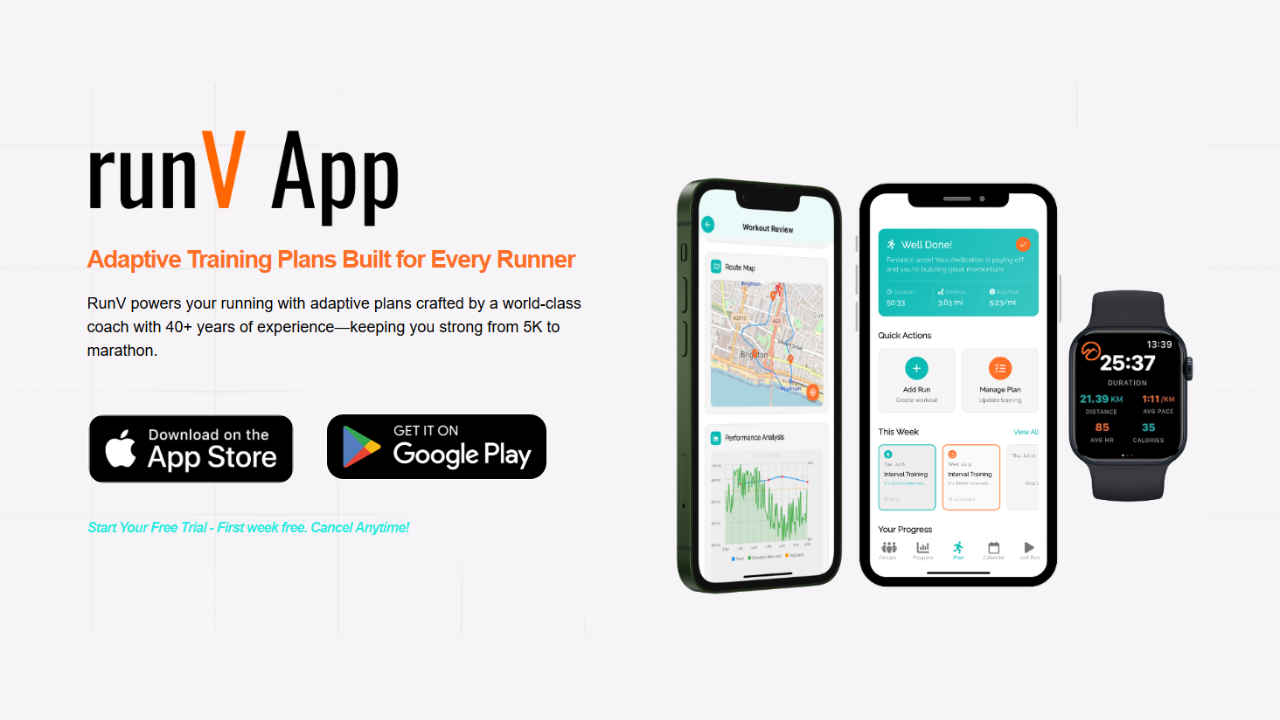
If you’re choosing an app, look for ones with adaptive, flexible plans that work well alongside group sessions. Reviews like Best Running Apps With 7 Powerful Adaptive Training Plans can help you compare features and pick something that supports both solo and group training.
Wearables and Data
Smartwatches and heart‑rate trackers give you:
– Real‑time pace and distance.
– Heart‑rate zones to manage effort.
– Post‑run analysis of load and recovery.
In a group, these tools help you:
– Avoid overcooking workouts by chasing others.
– Hold proper easy‑run intensity even when chatting.
– Track consistency across weeks and months.
A powerful running group respects individual data. People understand that if your watch says “easy day,” you honor that—even if others are doing intervals.
—
Step 6 – Check for Training, Social, and Schedule Fit
To truly Find Powerful Running Group: alignment, you need three fits to line up: training fit, social fit, and schedule fit.
Training Fit
Ask:
– Does the group’s typical weekly structure complement your goals?
– Are there runs at your current and target paces?
– Do they offer long runs if you’re training for longer races?
For example, if you’re focused on 10K or half‑marathon speed and the group only jogs slow 5Ks, it might be fun but not ideal for performance. Conversely, if every session is a race, you’ll burn out or get injured.
Social Fit
Consider:
– Do conversations feel natural and respectful?
– Are there people in similar life stages (not required, but helpful)?
– Do you leave feeling more relaxed and positive?
The right social environment makes it easier to show up on days when motivation is low. If you dread the group dynamic, you won’t stick with it.
Schedule Fit
A great group is useless if you can’t attend. Check:
– Typical days and times.
– Locations relative to home or work.
– Flexibility for early/late options.
Ideally, you’ll find at least one group run you can attend every week, and maybe a second you can attend most weeks.
—
Step 7 – Commit, Contribute, and Grow With the Group
Once you’ve managed to Find Powerful Running Group: synergy that suits your goals, it’s time to go from “visitor” to “member.”
Commitment: Show Up and Communicate
– Put group runs in your calendar as non‑negotiable appointments.
– Let leaders know if you’re not coming to special sessions.
– Sign up for shared races and events.
Consistency benefits both you and the group. As you become a regular, you’ll naturally get more value: deeper friendships, better pace matching, and more tailored support.
Contribution: Be the Kind of Runner You’d Want to Run With
You don’t need to be the fastest or most experienced to contribute. You can:
– Welcome new runners and introduce yourself.
– Share reliable information or resources when asked.
– Offer encouragement during tough workouts.
– Volunteer as a route leader or hydration organizer.
The more you give, the more powerful the group becomes—and the more you get back.
Growth: Use the Group as a Launchpad, Not a Crutch
And finally:
– Let the group push you, but don’t depend on it for every run.
– Keep some solo runs for mental space and self‑awareness.
– Periodically reassess your goals and whether the group still fits.
As your fitness evolves, you might move pace groups, take on leadership, or help start new sessions. A powerful running group should have room for you to grow.
—
Gear, Shoes, and Safety for Group Running
Being well equipped makes group running smoother, safer, and more enjoyable—especially when pace and terrain vary.
Shoe Choices for Group Training
Group runs typically include:
– Easy miles on roads or paths.
– Occasional tempo or interval sessions.
– Long runs over mixed terrain.
That often calls for a versatile daily trainer: cushioned enough for longer, easier miles, but responsive enough for moderate speed. If you’re considering an update, it’s worth looking at new models like the Brooks Glycerin Flex to see how softer foams and updated designs might support your mix of group sessions and solo days. For more detail, see Is the New Brooks Glycerin Flex Your Next Daily Trainer? which dives into how that shoe handles both comfort and performance.
Consider a rotation:
– One cushioned daily trainer.
– One lighter, snappier shoe for workouts.
– Optional trail shoes if your group frequently goes off‑road.
Essential Group Run Gear
Useful items include:
– Reflective vest and front/back lights for dark runs.
– GPS watch or phone with tracking.
– Weather‑appropriate layers (hat, gloves, rain shell).
– Small handheld or belt for water, especially in heat.
– ID, phone, and a bit of cash or card.
Your group may share hydration stops, but having your own capacity is wise, especially if you’re new and not yet sure of the logistics.
Safety Considerations
Powerful groups prioritize safety:
– Clear route explanations.
– Road‑crossing protocols (no darting through traffic).
– “No one left behind” practices.
– Respect for trail rules and other path users.
You should also be willing to speak up if something feels unsafe. Groups grow stronger when members look out for each other.
—
Group Run Etiquette and Unwritten Rules
You’ve worked to Find Powerful Running Group: now you want to be a great member. Etiquette helps everything run smoothly.
Pace and Position
– Don’t surge or slow unpredictably.
– Hold your line on narrow paths.
– If you’re struggling, communicate and fall back to a more comfortable pace group if needed.
– If you feel strong, don’t drag the entire group faster than the agreed pace.
Conversation and Culture
– Be inclusive in chats; don’t form tight cliques mid‑run.
– Avoid monopolizing or dominating conversations.
– Respect that some days, people want quiet miles.
Positive, supportive talking—especially to those newer or slower—goes a long way.
Listening to Leaders
Leaders are usually volunteers balancing pace groups, safety, and logistics. Help them by:
– Following instructions about turns and regrouping.
– Not starting interval sets early or late.
– Sharing concerns privately, not undermining them in front of the group.
When everyone respects structure, workouts become more effective and safer.
—
Troubleshooting: When a Group Isn’t Working for You
Even if you’ve tried to Find Powerful Running Group: that fits, sometimes things change—or you discover a mismatch over time.
Common Problems
– Pace drift: “easy” runs become tempo runs.
– Negativity: gossip, ego battles, or body‑shaming.
– Injury culture: glorifying running through pain.
– Logistics: schedule changes that no longer work for you.
If one or two issues can’t be resolved with a conversation, it might be time to step back.
When to Leave a Group
Consider moving on if:
– You consistently feel anxious before group runs.
– Your training goals are repeatedly compromised.
– Your physical or mental health worsens due to group habits.
It’s okay to say, “This was great for a season, but I need something different now.” You’re not betraying anyone; you’re protecting your long‑term running journey.
Transitioning to a Better Fit
You can:
– Shift to different pace groups within the same club.
– Try new days/times with a different crowd.
– Combine club sessions with personalized coaching or plans tailored to your needs.
If you like the structure of guidance, consider how adaptive plans or custom training structures mesh with group running. Articles like Custom Running Training Plan: 7 Proven, Powerful Recovery Secrets can help you see how structured coaching and group runs can complement, not compete.
—
FAQ: Powerful Running Groups and Your Training
How many days per week should I run with a group?
For most runners, 1–3 group sessions per week is ideal. A common pattern:
– 1 key workout (tempo, intervals, or hill session).
– 1 long run with pace support and company.
– Optional: 1 easy social run.
The rest of your runs can be solo, focused on recovery and listening to your body.
Can beginners join powerful running groups?
Yes—if the group is truly inclusive and organized. Many powerful groups:
– Offer run‑walk options.
– Have dedicated leaders for beginners.
– Teach basics of pacing, breathing, and form.
If the group doesn’t clearly support beginners, ask the leader before joining. You deserve a space that respects where you are now, not just where you’re going.
What if I’m slower than everyone?
Slower does not mean less worthy. It just means:
– You may need a beginner‑friendly sub‑group.
– Leaders should either run with you or assign someone to stay with you.
– You might start slightly ahead of faster groups on out‑and‑back routes.
If you’re repeatedly left alone or made to feel like a burden, that’s not a powerful running group—it’s just a fast clique.
How do I balance my ego in group runs?
Group runs can tempt you to prove yourself, which risks burnout. You’ll get more long‑term gains by controlling effort and letting your ego relax. For detailed strategies, see How to Balance Ego: 7 Powerful, Proven Group Run Tips, which focuses specifically on staying smart and grounded during group sessions.
Should I change my shoes or gear once I join a group?
Not necessarily, but:
– You may need better lights/reflective gear for early or late runs.
– If distances increase, more cushioned trainers can help.
– If you add speedwork, a lighter shoe for workouts might be helpful.
Prioritize comfort and injury prevention over trends. Let your feet and legs be the judge.
Can a virtual group really be “powerful”?
Yes—if:
– People show up consistently (virtually) and interact.
– There are shared challenges, goals, and check‑ins.
– Members support each other in comments, messages, and meetups when possible.
Many runners combine a virtual group with a small local crew for the best of both worlds.
—
Bringing It All Together
To Find Powerful Running Group: you’re not just looking for people who run. You’re looking for:
– Structure and consistency.
– Thoughtful training and respect for recovery.
– Inclusive pacing and welcoming culture.
– Good communication and safety practices.
– Alignment with your goals, schedule, and personality.
– A space where you can both grow and give back.
If you work through the seven steps—clarify your goals, search widely, evaluate carefully, test multiple groups, leverage technology, check for fit, then commit and contribute—you’ll dramatically increase your odds of finding a group that transforms your running.
The miles are going to pass anyway. Sharing them with the right people can make them more meaningful, more fun, and far more powerful—for your fitness, your racing, and your life outside the run.