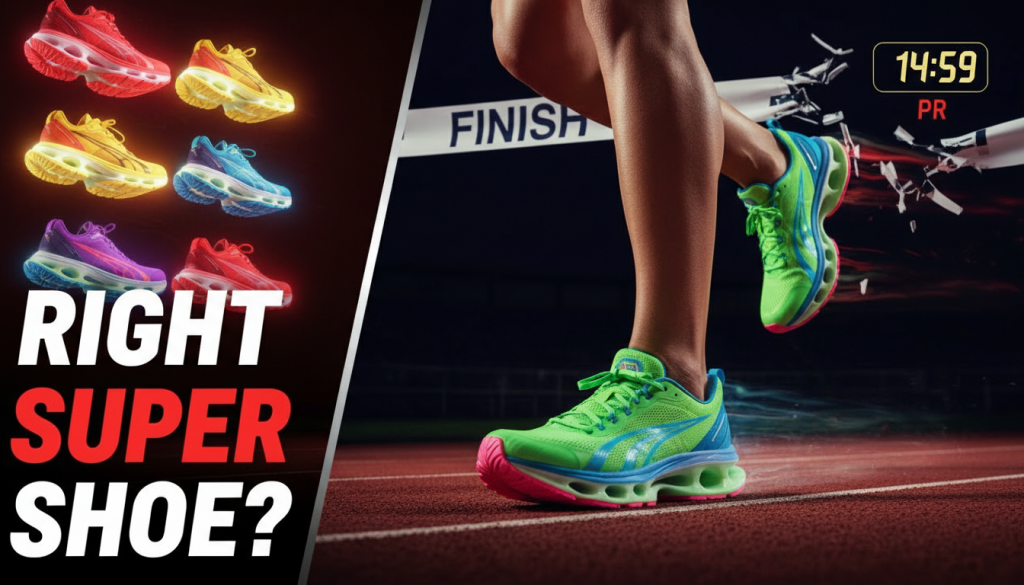
Trying to Pick Right Super Shoe for your next 5K, half, or marathon can feel overwhelming. Every week seems to bring a new “fastest ever” model, more foam stacks, and bolder carbon plates. The latest wave of releases from Hoka, Adidas, On, and Nike shows how quickly the landscape is shifting—and how much is at stake when you’re chasing a PR.
This running news blog pulls together the most important shoe launches from the past week and explains how they actually matter for your training and racing, not just for marketing hype. You’ll learn what kind of runner each shoe is best for, how to decide if it belongs in your rotation, and how to match the right super shoe to your goals.
Table of Contents
- The New Super-Shoe Landscape: What’s Changing?
- Hoka Cielo X1 3.0: Hoka’s Fastest Road Racer Yet
- Inside the Official Cielo X1 3.0 Launch: Who It’s Really For
- Adidas Terrex Agravic TT: Super-Shoe Thinking for Technical Trails
- On × Sky High Farm Goods SS26: Style, Purpose, and Everyday Performance
- Nike Structure Plus: A Softer Future for Stability Runners
- How to Pick Right Super Shoe for Your Next PR
- RunV Tips: Turning New Shoes into Real-World PRs
- Conclusion & Call to Action
The New Super-Shoe Landscape: What’s Changing?
Five years ago, carbon plates and PEBA foams were niche, elite tools. Now, if you want to Pick Right Super Shoe, you’re choosing from a dense field of race-day rockets, plated trainers, and highly cushioned stability models that feel more like super shoes than bricks.
This week’s launches show three big shifts:
- Super-shoe tech is normal now – Hoka’s Cielo X1 3.0 and Adidas’s Agravic TT bring race-level foam and plates to both roads and trails.
- Stability is getting faster – Nike Structure Plus blends ZoomX with support, signaling the end of clunky stability tanks.
- Style and purpose matter – On × Sky High Farm Goods proves that runners want performance plus aesthetics and social impact.
If you want to Pick Right Super Shoe rather than just the newest one, you need to understand where each of these products sits: pure racing, trail speed, daily trainer, or lifestyle/performance hybrid.
Hoka Cielo X1 3.0: Hoka’s Fastest Road Racer Yet
What’s New in the Cielo X1 3.0?
Hoka quietly revealed the Cielo X1 3.0 through early coverage, hinting at a major step forward in their racing line. The shoe is built for 5K through marathon, and its feature list is clearly aimed at runners chasing aggressive personal bests.
Key upgrades include:
- Enhanced carbon plate – Tuned for snappy propulsion without making the ride too harsh.
- Refined MetaRocker geometry – A smoother rolling sensation from midfoot to toe-off, helping maintain form as fatigue sets in.
- PEBA-based superfoam – High energy return and low weight, Hoka’s answer to the top-tier racing foams from Nike and Adidas.
- Contoured heel and asymmetric lacing – More locked-in feel and lateral stability, key for holding pace late in races.
If you want to Pick Right Super Shoe specifically for road races, these changes matter more than small weight savings. The blend of rocker, foam, and plate is what determines whether the shoe feels “alive” under race pace, or just like a tall, wobbly stack.
Who Should Consider the Cielo X1 3.0?
This shoe targets runners who:
- Regularly train with tempo runs and intervals at or near race pace.
- Can handle a higher stack and stiff plate without form breaking down.
- Want a single super shoe that can cover everything from 5K to marathon.
For newer runners or those with a history of calf, Achilles, or plantar issues, jumping straight into a very stiff, high-stack racer can be risky. This is where smart training and gradual transitions matter as much as which model you buy. If you’re unsure whether a carbon shoe is appropriate, it’s worth reading guides like Do You Really Need a Carbon Plate in Your Running Shoes? before you Pick Right Super Shoe for a big goal race.
Performance Context: What Kind of PR Gains Are Realistic?
For trained runners who’ve never raced in a true super shoe, gains of 1–3% in finish time are realistic. That can mean:
- 20–40 seconds in a 5K.
- 1–3 minutes in a half marathon.
- 2–5+ minutes in a marathon.
However, those gains only appear if your training, pacing, and recovery are dialed in. A shoe like the Cielo X1 3.0 amplifies fitness; it doesn’t create it. To Pick Right Super Shoe and actually cash in on performance, match it with a plan that manages load and fatigue.
Inside the Official Cielo X1 3.0 Launch: Who It’s Really For
Lighter, Flatter, and “Canoe-Like” Rocker
The official launch confirmed the Cielo X1 3.0 as Hoka’s lightest, fastest carbon-plated racer to date. The “canoe-like” rocker is flatter than some competitors, aiming for controlled roll rather than an extreme tip-forward feel.
Detailed updates include:
- Lighter midsole and plate – Shaving grams makes high cadence racing more efficient.
- Compression-molded PU outsole layer – Better wet and dry grip, a common weakness in some early super shoes.
- Leno weave upper – Breathable, supportive, and less prone to stretching than traditional mesh.
The shoe’s performance pedigree is underscored by Alex Masai’s 2:04:37 marathon in an earlier iteration, but the tuned geometry and grip are clearly aimed at making this model more accessible to sub-elite and serious recreational runners as well.
Accessibility: Is This Super Shoe Only for Elites?
None of the new racers launching now are truly “elite only.” What matters more: your training volume, technique, and foot/ankle robustness. The Cielo X1 3.0 should feel great for runners who:
- Can comfortably run weekly intervals in the 5–10K pace range.
- Have already adapted to lighter performance shoes in workouts.
- Want to Pick Right Super Shoe that will last a full racing season of key events.
If you’re just stepping up from heavier trainers, spend 2–4 weeks using the shoe only for short tempo blocks and strides before racing. This “on-ramp” lets your calves and Achilles adjust to the rocker and plate, reducing injury risk.
Adidas Terrex Agravic TT: Super-Shoe Thinking for Technical Trails
Why a Trail “Super Shoe” Is Different
Adidas’s new Terrex Agravic TT brings race-focused design to technical trail racing, but it solves a different problem than road super shoes. On trails, your ability to push pace is often limited by stability and grip rather than pure cushioning or energy return.
Key features include:
- Wide base – Extra platform width for stability on uneven surfaces and off-camber turns.
- Dual-layer midsole – Lightstrike Pro for responsiveness and Lightstrike+ for a more stable, protective ride.
- Rock plate – Shields from sharp rocks and roots, letting you stay aggressive on descents.
- Multi-directional lug outsole – Designed for both climbing traction and braking control.
For trail runners trying to Pick Right Super Shoe for mountain races or technical ultras, the Agravic TT offers a compelling middle ground between minimal fell shoes and soft, high-stack trail cruisers.
Who It Suits Best
You’ll benefit most from the Agravic TT if you: (Super shoes performance)
- Race or train on rocky, rooty, or steep terrain where agility and confidence matter.
- Find road super shoes too unstable off-road.
- Want one “race-ready” trail shoe that can still handle serious training mileage.
While few trail shoes are true super shoes in the road sense, the Agravic TT’s dual-foam midsole nods to the same principle: protect the legs while preserving speed. If your big goal is a trail PR rather than a road marathon, this is a strong candidate as you Pick Right Super Shoe for the year ahead.
On × Sky High Farm Goods SS26: Style, Purpose, and Everyday Performance
Wildflower Aesthetics Meets Functional Design
On and Sky High Farm Goods return with a wildflower-inspired collection for Spring/Summer 2026 across three silhouettes:
- Cloud 6 SHFG – Everyday trainer with On’s signature CloudTec pods.
- Cloudplay SHFG (kids) – Youth model with playful styling and cushioned support.
- Cloudrock Low WP SHFG – Rugged, waterproof trail and hiking crossover.
The vibrant colorways and floral motifs are designed to stand out, but the collaboration also supports Sky High Farm Goods’ food equity mission. That makes this drop relevant for runners who care about combining performance gear with social impact.
Performance vs. Lifestyle: Where This Fits in Your Rotation
These aren’t super shoes in the racing sense, but they can play key roles around your big race goals:
- Cloud 6 SHFG – Ideal for easy days, commutes, or casual wear that still supports good foot mechanics.
- Cloudrock Low WP SHFG – Great for off-season hiking, winter base building on trails, or run-walk adventures.
When you Pick Right Super Shoe for race day, remember that your non-race footwear still influences fatigue and injury risk. A comfortable, supportive everyday trainer can help keep legs fresh between hard sessions—especially if you’re logging higher mileage blocks.
Nike Structure Plus: A Softer Future for Stability Runners
Stability Shoes Are No Longer Bricks
The Nike Structure Plus, launching February 5, 2026, is a significant signal: stability can be soft, springy, and modern. For runners who overpronate or prefer guidance, this may be one of the most important launches of the season.
Key specs:
- ZoomX foam on top – Plush, high-energy cushioning under the foot.
- ReactX foam underneath – Firmer, more supportive layer to guide motion.
- Wide supportive base – Natural stability without intrusive medial posts.
- 10 mm drop, 309 g (men’s US 10) – Traditional drop with moderate weight for a stability trainer.
This combination aims to make daily miles feel more like a super shoe ride while still providing structure for those who need it.
Who Should Put the Structure Plus on Their Radar?
Consider the Structure Plus if you:
- Have a history of overuse issues linked to overpronation.
- Found past Structure models too firm or clunky.
- Want a daily trainer that feels forgiving for long runs and recovery days.
Think of it as the workhorse that supports your super shoe. You might Pick Right Super Shoe like the Cielo X1 3.0 for race day, then use the Structure Plus for 70–90% of your weekly mileage to reduce strain while still feeling lively underfoot.
How to Pick Right Super Shoe for Your Next PR
Step 1: Match the Shoe to Your Race Distance and Surface
Before you Pick Right Super Shoe, decide where and how you’ll use it:
- 5K–10K road – Prioritize lightweight, aggressive rockers, and snappy plates. Cielo X1 3.0-style shoes excel here.
- Half marathon–marathon road – Comfort and stability become as important as raw speed. Look for secure heel fit and consistent cushioning.
- Technical trail races – A shoe like the Agravic TT, with rock plate and wide base, usually beats road super shoes for control and safety.
If you’re training for a specific distance, pairing your shoe choice with a targeted program—such as a dedicated 5k or Marathon plan—makes it much easier to test how the shoe feels at race pace throughout the training block.
Step 2: Understand Your Stability Needs
A common mistake when trying to Pick Right Super Shoe is ignoring your own biomechanics. Ask:
- Do you overpronate significantly or have a history of medial shin, knee, or hip issues?
- Do high-stack, soft shoes make you feel wobbly or unstable at pace?
If the answer is yes to either, consider:
- A more stable racer or lower-stack super shoe.
- A supportive trainer like the Nike Structure Plus for most mileage and a super shoe only for key sessions and races.
Step 3: Prioritize Fit and Comfort Over Marketing Claims
Even the best-reviewed model won’t help if it doesn’t fit your foot. When you Pick Right Super Shoe, look for: (Carbon super shoe guide)
- Secure heel lock – No slipping when you jog or do short strides.
- Enough forefoot room – Toes can splay without being crushed on descents or late in a marathon.
- Midfoot wrap – Snug but not constricting, especially important with asymmetric lacing systems like in the Cielo X1 3.0.
Try the shoe for at least 1–2 short runs before racing. If you notice hot spots, numbness, or excessive calf fatigue, reconsider before committing it to a goal event.
Step 4: Consider Your Training Volume and Injury History
Runners with higher weekly mileage or a history of overuse injuries need to be more cautious when they Pick Right Super Shoe. The stiffer, more dynamic ride can stress tissues differently than traditional trainers.
If you’ve struggled with Achilles, calf, or plantar issues, work on strength and mobility while introducing a new racer gradually. Resources like Understanding Overuse Injuries in 7 Powerful, Proven Ways can help you spot red flags early and adjust workload before they become full-blown problems.
RunV Tips: Turning New Shoes into Real-World PRs
Tip 1: Use Super Shoes Strategically
To get the most from any shoe you Pick Right Super Shoe for, reserve it for:
- Race-specific workouts (e.g., marathon pace tempos, 5K intervals).
- Dress rehearsals (long runs at or near race pace in the last weeks).
- Race day itself.
This approach protects the foam’s lifespan and ensures your legs associate that shoe with faster, focused effort.
Tip 2: Respect Recovery as Performance Gear
New shoes often tempt runners to overdo it. The lighter feel and bounce can hide fatigue until it’s too late. Balancing hard days with low-intensity, low-stress training days is crucial—no matter how advanced your footwear is.
If you’re adopting high-tech shoes and more demanding workouts, understanding why recovery is part of your “equipment strategy” matters as much as the shoe itself. Articles like Why Recovery Is a Powerful Training Tool: 5 Essential Facts can help you structure rest so your PR goals stay on track rather than sidelined by burnout.
Tip 3: Combine Smart Tech with Smart Shoes
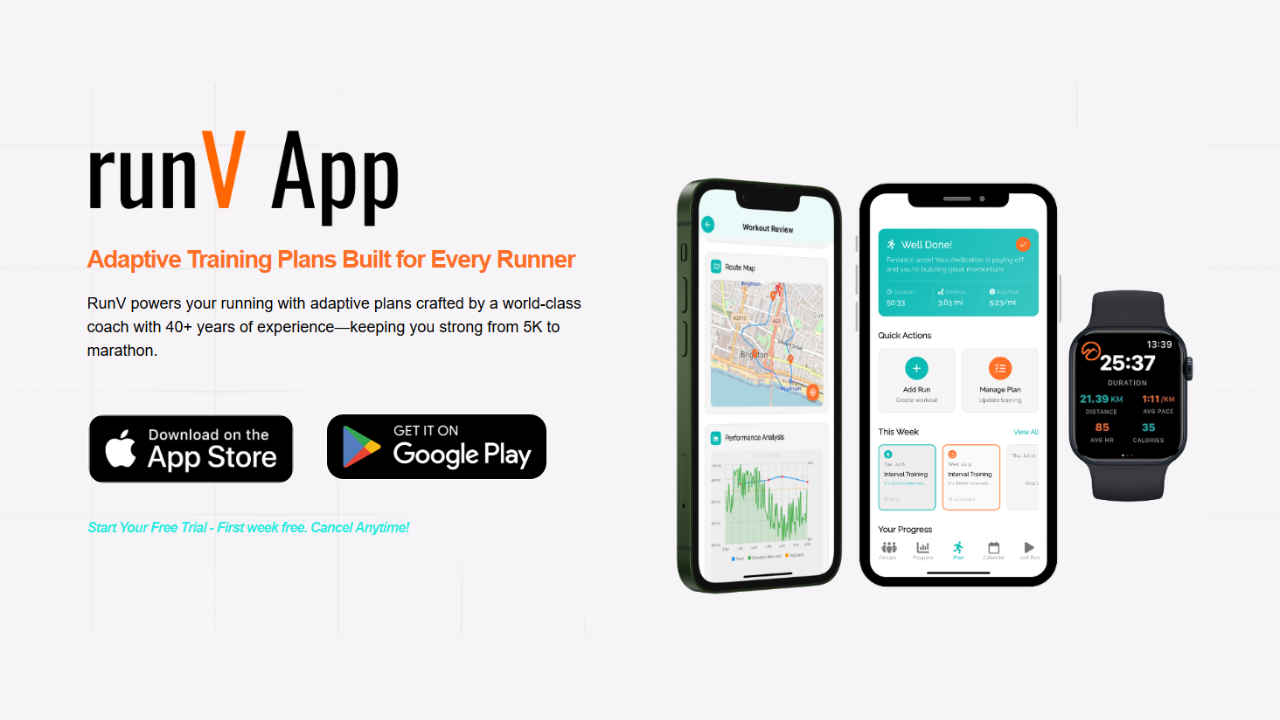
Many of the newest super shoes, from the Cielo X1 3.0 to the Agravic TT, are designed around specific paces and use cases. Pairing them with good data—accurate GPS, pacing strategies, and adaptive scheduling—makes it easier to judge whether they’re helping you or just feeling flashy.
Before your next racing season, audit not just your footwear but your digital toolkit as well. Ask whether your current apps and wearables are helping you control intensity, track shoe mileage, and adapt sessions to how your legs actually feel. If you’re curious how next-gen tools might fit alongside your shoe choices, it’s worth reading Are New Pro Wearables About to Change How You Train? as you map out the season.
Tip 4: Rotate Shoes for Longevity and Health
Even once you Pick Right Super Shoe, it shouldn’t be the only pair you run in. A healthy rotation might look like:
- Daily trainer – e.g., Nike Structure Plus for easy days and long aerobic runs.
- Super shoe – e.g., Hoka Cielo X1 3.0 for workouts and races.
- Trail shoe – e.g., Adidas Terrex Agravic TT for technical or off-road days.
- Lifestyle/easy-use shoe – e.g., On Cloud 6 SHFG for walking, commuting, and casual miles.
Rotating footwear changes loading patterns on your muscles and tendons, which can lower the risk of overuse injuries while extending the life of each shoe.
Tip 5: Don’t Chase Every New Launch
With weekly announcements, it’s tempting to buy every new model. But to Pick Right Super Shoe for your goals, pick strategically:
- Upgrade when your current race shoe has lost its pop (often 150–250 racing miles).
- Target gaps in your rotation, like trail stability or modern stability trainers.
- Focus on models that clearly solve a problem for you: fit, stability, grip, or distance-specific comfort.
Conclusion & Call to Action
The latest wave of launches—from Hoka’s Cielo X1 3.0 and Adidas’s Terrex Agravic TT to Nike’s Structure Plus and On’s Sky High Farm Goods collab—shows that performance running shoes are more diverse and specialized than ever. You can Pick Right Super Shoe for 5K road speed, technical trail racing, or long, stable training miles without settling for outdated, uncomfortable designs.
To make these innovations work for you:
- Define your primary race goals and surfaces.
- Match shoe tech (plate, foam, stability) to your biomechanics and training volume.
- Use super shoes sparingly but strategically in key sessions and races.
- Support your footwear choices with smart training, recovery, and data-driven adjustments.
Your next PR won’t come from foam and carbon alone, but the right shoe can absolutely turn great training into a breakthrough performance. Start by auditing your current rotation, identify where a new racer or trainer would make the biggest difference, and then Pick Right Super Shoe that aligns with your real-world needs—not just the latest headline.