Coaching 7 min
How to read your training load and avoid overtraining

Training load is the cumulative stress your body absorbs from running—volume, intensity, and frequency combined. By tracking it accurately and recognising early warning signs, you can push hard without sliding into overtraining, which stalls progress and raises injury risk.
What is training load?
Training load measures the total physical demand placed on your system each week. It's not just kilometres run; it includes pace, effort, hill work, and how close runs are to each other. A low-mileage week of threshold repeats carries more load than an easy high-mileage week.
Why monitoring load matters
Your body adapts to load through rest and nutrition. Load without adequate recovery triggers overtraining—a state where fatigue piles up, performance drops, illness creeps in, and injury risk climbs. Knowing your load helps you balance stress and recovery intentionally.
How to calculate and track training load
The simplest method is acute training load (ATL): sum the difficulty of each run over seven days. Most apps and watches score runs by effort, distance, and pace automatically. Track these week to week; a safe progression is no more than a 10 per cent increase from one week to the next.
- Easy runs count as lower load; recovery runs absorb minimal stress.
- Tempo and threshold work multiplies load per kilometre.
- Back-to-back high-intensity days compound load quickly.
- Cross-training (cycling, strength) adds cumulative load too.
Early signs you are exceeding your load tolerance
- Persistent heaviness in legs, even on easy runs.
- Resting heart rate elevated by 5–10 bpm above your baseline.
- Sleep quality dips or you need significantly more sleep.
- Mood changes: irritability, lack of motivation, or low mood.
- Repeat colds, sore throats, or lingering infections.
- Unusually slow times on key workout efforts.
- Joint or muscle niggles that don't settle after two or three days.
How to adjust load when warning signs appear
The moment you spot overtraining markers, dial back immediately. Don't push through; a three to five-day reduction in volume or intensity—or even a complete rest day—prevents weeks of setback later.
- Drop your target weekly kilometres by 20–30 per cent.
- Replace one hard workout with an easy run or rest day.
- Extend recovery between hard sessions to 48 hours minimum.
- Prioritise sleep and nutrition; dehydration and low fuel amplify load stress.
- Return to normal load only when symptoms clear and resting heart rate normalises.
The role of data-driven coaching in load management
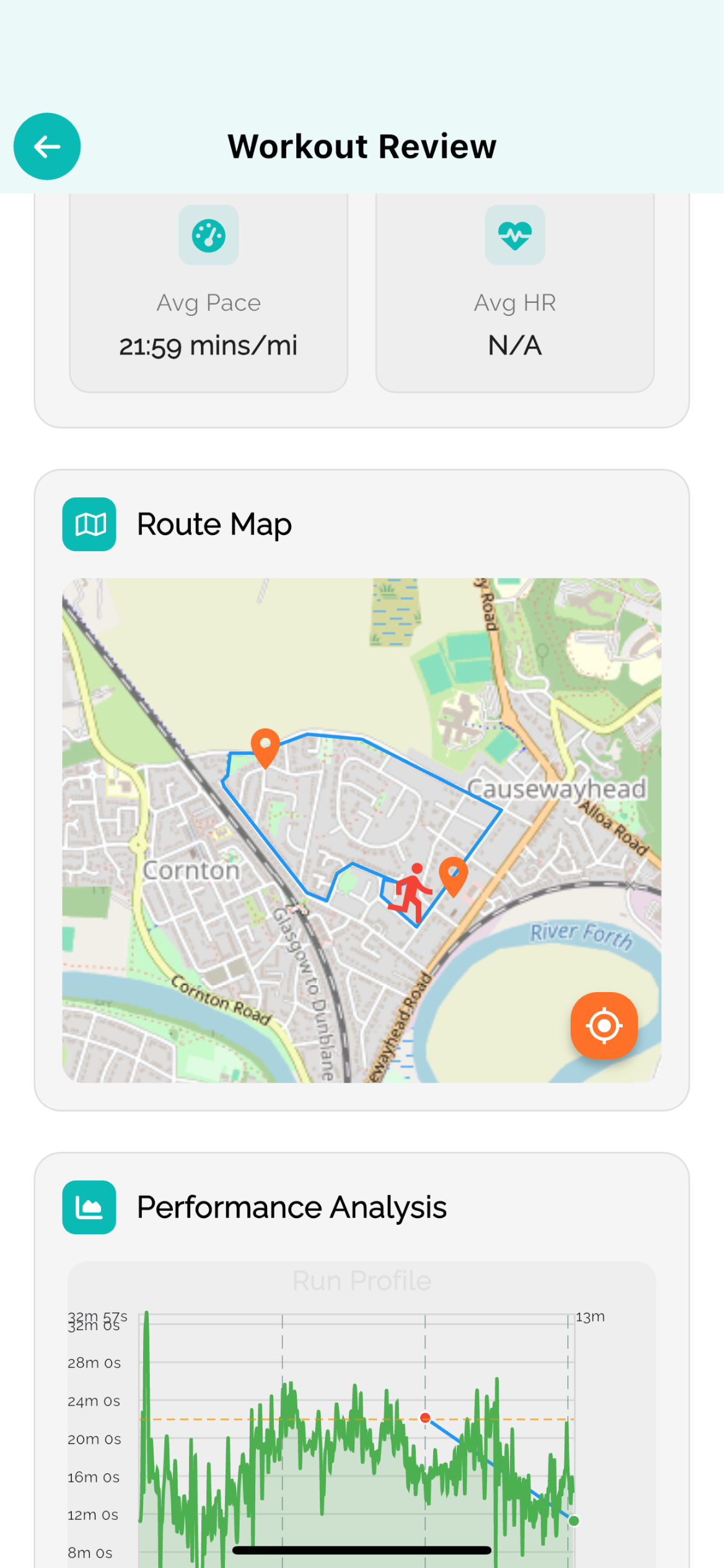
Smart coaching apps now integrate load tracking with your workout history and recovery metrics, flagging dangerous spikes automatically and suggesting adjustments before overtraining takes hold. This data-first approach removes guesswork: instead of intuition alone, you base load decisions on your actual physiology and trends, enabling sustainable progress and fewer setbacks.
FAQ
- What is a safe weekly training load increase?
- Aim for no more than a 10 per cent increase from one week to the next. Larger jumps, especially when introducing new intensity, overwhelm adaptation capacity and trigger injury.
- Can I overtrain on low mileage?
- Yes. High intensity without adequate recovery—say, three hard sessions in four days on just 20 km per week—can trigger overtraining. Load is intensity plus volume; intensity alone can cause harm.
- How long does it take to recover from overtraining?
- Minor overtraining usually resolves in one to two weeks of reduced load. Persistent overtraining syndrome can take several months of easy running or active rest to resolve. Prevention is far simpler than recovery.
Train smarter
RunV turns this thinking into your plan — adaptive coaching that rebuilds after every run.
Keep reading