Racing 5 min
How to recover after a marathon

Marathon recovery typically takes 2–4 weeks and involves active rest, strategic nutrition, and gradual return to training. The first 48 hours are critical for managing inflammation and replenishing glycogen stores. Rushing back to hard training risks injury and burnout.
What happens to your body after a marathon
Running 26.2 miles depletes muscle glycogen, creates micro-tears in muscle fibres, and triggers inflammation as part of the adaptation process. Your central nervous system is also fatigued, and your immune system is temporarily suppressed. Understanding this means you'll respect the recovery process rather than treat it as laziness.
The first 48 hours: immediate post-race care
- Cool down gently with a 10-minute walk after crossing the finish line
- Consume carbohydrates and protein within 30 minutes (aim for 1g carbs per kg bodyweight, plus 20–30g protein)
- Rehydrate with water and electrolytes; drink steadily over several hours
- Ice baths are optional and not essential; contrast therapy or cold shower may help if inflammation feels severe
- Get elevation and compression if your legs feel swollen
- Sleep as much as possible—recovery happens during rest
Days 3–7: active recovery and nutrition
This is the window for easy movement. Walk for 20–30 minutes most days, do gentle yoga, or swim if comfortable. Soreness will peak around day 2–3 (DOMS); light activity accelerates blood flow and clears metabolic waste without adding stress.
Nutrition remains critical. Eat regular, balanced meals with adequate protein (1.6–2g per kg bodyweight daily for the first week) to support muscle repair. Don't cut calories aggressively; your body needs fuel to rebuild.
Weeks 1–4: gradual return to structured running
- Weeks 1–2: easy running only, 3–4 times per week, 30–40 minutes max
- Week 3: introduce one steady-state run; keep others easy
- Week 4: add one short interval or tempo session if feeling strong; monitor how your legs respond
- Avoid speed work, long runs, and racing for at least 3–4 weeks
Signs you are recovering well
- Resting heart rate returns to normal after 5–7 days
- Soreness diminishes steadily; you can walk stairs comfortably by day 7
- Energy levels improve and sleep quality normalises
- You feel mentally eager to run again, not resentful
- No signs of persistent injury pain or swelling
Red flags that warrant extra caution
- Sharp pain in a specific joint or muscle that doesn't improve by day 10
- Swelling that worsens after day 3
- Extreme fatigue or persistent low mood (may signal overtraining or illness)
- Loss of appetite or persistent nausea
Use data to guide your recovery
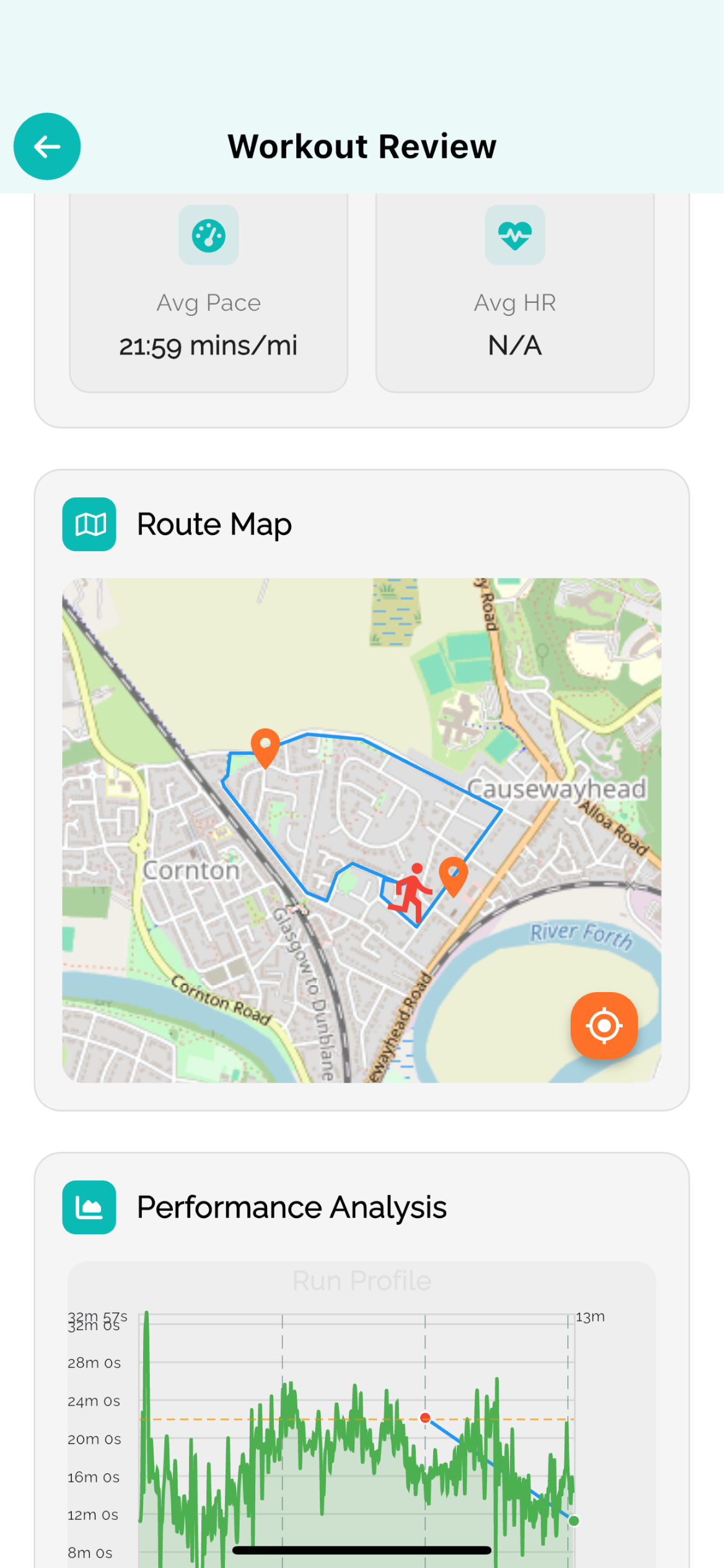
Tracking your recovery metrics—resting heart rate, heart rate variability, sleep duration, and perceived exertion—removes guesswork from the return-to-training timeline. Apps that log how you feel each day, combined with honest pace data, show when your nervous system and muscles are truly ready for intensity. Adaptive coaching tools can flag when you're still in recovery mode and suggest easy runs over tempting tempo efforts, keeping you injury-free and building momentum for your next training block.
FAQ
- How soon can I run after a marathon?
- Rest completely or do only easy walking for 24–48 hours. From day 3 onwards, easy-paced running for 20–30 minutes is fine, but avoid speed work for at least 3–4 weeks.
- Why am I so sore 2–3 days after the race?
- Delayed-onset muscle soreness (DOMS) peaks 48–72 hours after intense exertion as inflammation naturally increases. It is not harmful and improves with gentle movement, massage, and time.
- Do I need to change my diet during recovery?
- Yes. Eat adequate carbohydrates and protein (1.6–2g protein per kg bodyweight daily) for the first 1–2 weeks to support muscle repair. Stay hydrated and do not restrict calories.
Train smarter
RunV turns this thinking into your plan — adaptive coaching that rebuilds after every run.
Keep reading