Training 5 min
How to structure a running week around shift work

Shift work throws training plans out the window, but you can still run consistently by treating shift patterns as fixed constraints and building your week around recovery days rather than calendar days. The key is flexibility with intensity, not distance—run when you're rested, not when the schedule says you should.
Map your shifts first, then plan runs
Before writing any training plan, write out your shift rota for 4–6 weeks. Identify which days you finish early, which you finish late, and which give you a full recovery day. Your long run should land on a day when you have minimal fatigue carryover and time afterwards to recover properly.
Use rest days as your anchor, not training days
Traditional plans build around Monday–Sunday. Instead, build around your actual rest periods. If you have two consecutive days off mid-week, put your long run on day one and an easy run or rest on day two. If your days off are scattered, cluster your harder efforts around them.
Run easy after long shifts, skip if fatigued
A night shift or 12-hour day shift leaves you depleted. Don't force a workout plan—run easy for 20–30 minutes if you feel able, or take the day off without guilt. One missed session never derailed fitness; chronic fatigue and injury will.
- Post-night shift: wait 6–8 hours before running, sleep first if possible
- Early morning shift: an easy evening run works better than forcing it before work
- Double shifts or back-to-back lates: move intensity to your next rest day instead
Build your weekly structure around intensity, not days
Instead of 'Monday tempo, Wednesday intervals,' plan: 'one hard session per week, two easy runs, one long run.' Then slot them into gaps in your rota. Hard sessions need 24–48 hours recovery either side, so put them between easier days or after a rest day.
- Identify your most recovered day each week—schedule hard work then
- Place easy runs on moderate-fatigue days (short shifts, late finishes)
- Long runs go on full rest days with time to eat and recover after
- Fill gaps with extra easy runs or rest as energy allows
Accept that your week won't look like anyone else's
Your training 'week' might run Wednesday to Tuesday, or Thursday to Wednesday. That's fine. Use whatever time window contains your actual recovery pattern. Tracking your runs and energy over 2–3 rotas will show you where your threshold sits and when you're strongest.
Monitor effort over pace
Shift work disrupts sleep and nutrition, which flatten your pace even on rested days. Track perceived effort and how you feel, not splits. If a usually easy run feels hard, you're under-recovered—take the next day off. Apps that log effort alongside pace reveal these patterns far better than pace alone.
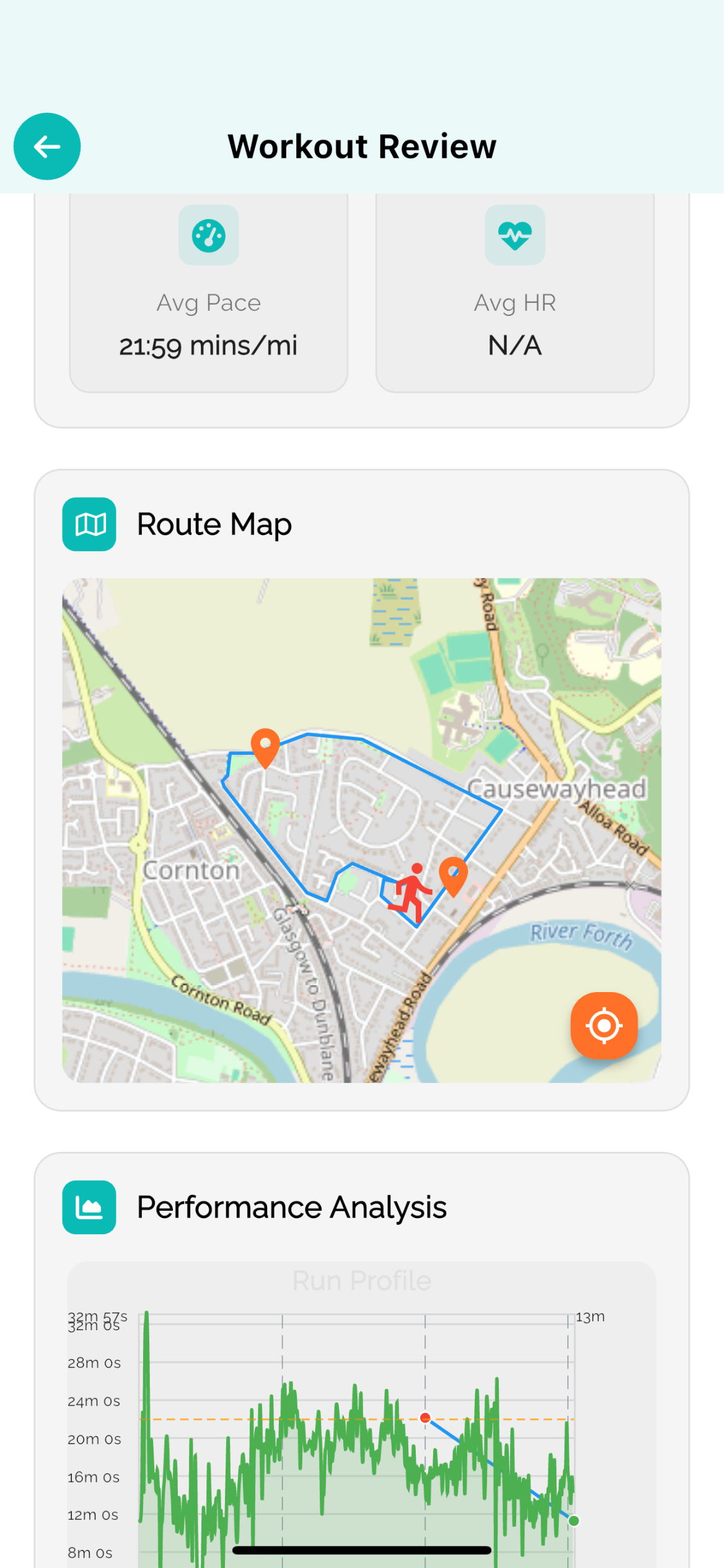
Adaptive training tools like RunV let you flag shift patterns and fatigue levels so the plan adjusts automatically. Rather than fighting a fixed schedule, you're coaching around your real life—which is exactly what sustainable running looks like.
FAQ
- How many runs should I aim for per week with shift work?
- Three to four runs is realistic for most shift workers. Prioritise one hard session, one long run, and one or two easy runs. Missing a fourth run won't hurt; consistency across rotas matters more than hitting a number each calendar week.
- Should I run on night shifts?
- Not usually. Night shifts cut into sleep and spike cortisol. If you must run, wait until after sleep and keep it very easy. Most shift workers find better gains by resting during the shift cycle and running on their next rest day instead.
- How do I stop my long run from moving around constantly?
- Pick the same day of your shift pattern each cycle—e.g. always on your first full rest day—rather than the same calendar day. Once you've done 2–3 rotas, you'll have a reliable slot. Consistency in your *rota position* beats consistency in the calendar date.
Train smarter
RunV turns this thinking into your plan — adaptive coaching that rebuilds after every run.
Keep reading