Training 7 min
Sub 25 5K

Breaking 25 minutes for 5K requires consistent speed work, race-specific aerobic capacity, and structured progression over 8–12 weeks. Most runners targeting this pace need a foundation of 30–35 miles per week and the discipline to balance hard efforts with adequate recovery.
What fitness level do you need for sub 25 5K?
A sub 25-minute 5K is an 8:02 per mile pace. To sustain this, you'll typically need a weekly mileage base of at least 30 miles, a recent half-marathon time under 1:45, or a 10K PB around 33–34 minutes. If you're currently running 28–30 minute 5Ks, you're in realistic striking distance.
How should you structure your training week?
Dedicate three focused sessions per week to speed development: a tempo run, an interval session, and a longer easy run. The remaining days should be easy-paced recovery runs or rest. This mix builds lactate threshold, VO₂ max, and aerobic power without overtraining.
- Monday: easy run, 4–6 miles
- Tuesday: tempo run, 10–12 minutes at goal 5K pace or slightly faster
- Wednesday: easy recovery run, 4–5 miles
- Thursday: interval session, 6–8 × 800m at 5K pace with 90–120 seconds rest
- Friday: easy run or rest day
- Saturday: long run, 8–10 miles at conversational pace
- Sunday: rest or very easy 3 miles
What pace should your speed work be?
Target tempo efforts at 8:15–8:25 per mile (just above 5K goal pace) and intervals at 7:50–8:00. Tempo runs build sustained speed; intervals sharpen your finishing kick and raise your lactate threshold. Both are essential for sub 25.
How do you peak for race day?
In the final 2–3 weeks, reduce overall volume by 15–20% but maintain intensity. Run a short 5–6 mile session with 3–4 × 400m repeats at goal pace 10 days before the race, then ease back. Sleep and fueling become as critical as the workouts themselves.
What mistakes should you avoid?
- Starting too fast in the race; settle into your target pace by mile 0.5 and hold it steady
- Doing all runs at race pace; easy runs must stay genuinely easy to support recovery
- Neglecting strength and mobility work; glute and core stability prevents injury
- Skipping workouts due to fatigue without distinction; some sessions you can dial down; others are non-negotiable
- Increasing mileage and intensity simultaneously; add one variable at a time
How data and adaptive coaching helps
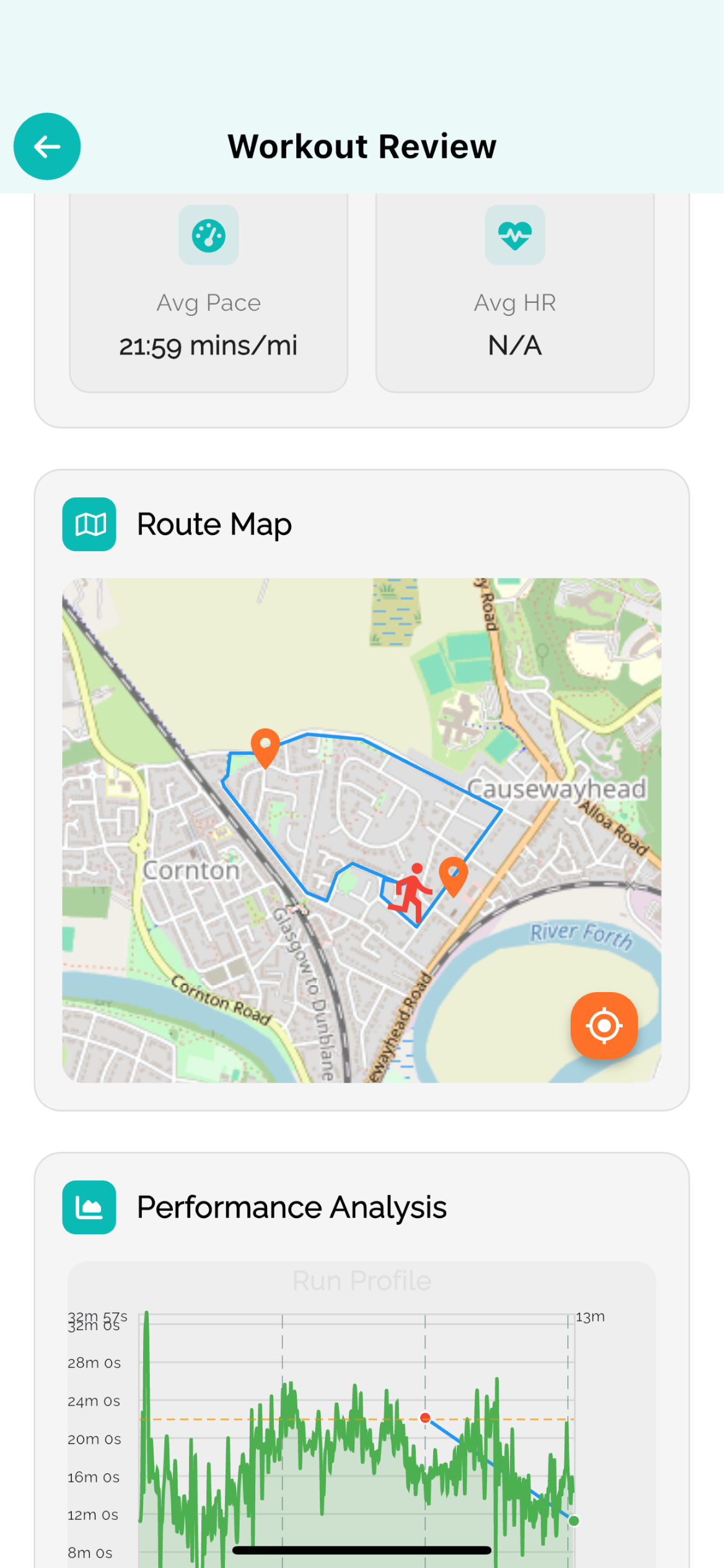
Sub 25 is achievable only with precision. Apps like RunV track your pace, heart rate, and effort across every session, flagging when you're running easy days too hard or missing the target window on speed work. By logging real data—your actual splits, recovery metrics, and how you felt—you can adjust intensity and volume week to week rather than following a generic plan. This adaptive approach reduces injury risk and ensures you're building toward race day with confidence, not guesswork.
Summary
A sub 25-minute 5K demands a solid aerobic base, three focused speed sessions per week, and strict discipline on pacing. Eight to twelve weeks of consistent training, combined with proper recovery and race-day execution, will get you there. Track your efforts, listen to your body, and trust the process.
FAQ
- How long does it take to train for sub 25 5K?
- Most runners need 8–12 weeks of structured training with adequate mileage and speed work. If you're starting from 28–30 minute fitness, aim for 12 weeks; if you're already sub 26, 8–10 weeks may suffice.
- Can I do cross-training alongside 5K training?
- Yes, low-impact activities like swimming or cycling on easy days can boost aerobic fitness and reduce injury risk. Keep them easy; they're supplements, not replacements for running workouts.
- What if I miss a speed session due to illness or fatigue?
- Don't panic. Skip it, recover fully, and return to the plan. One missed session won't derail your goal, but forcing through genuine illness or overtraining will. Use data from RunV to assess fatigue levels and make smart calls.
Train smarter
RunV turns this thinking into your plan — adaptive coaching that rebuilds after every run.
Keep reading