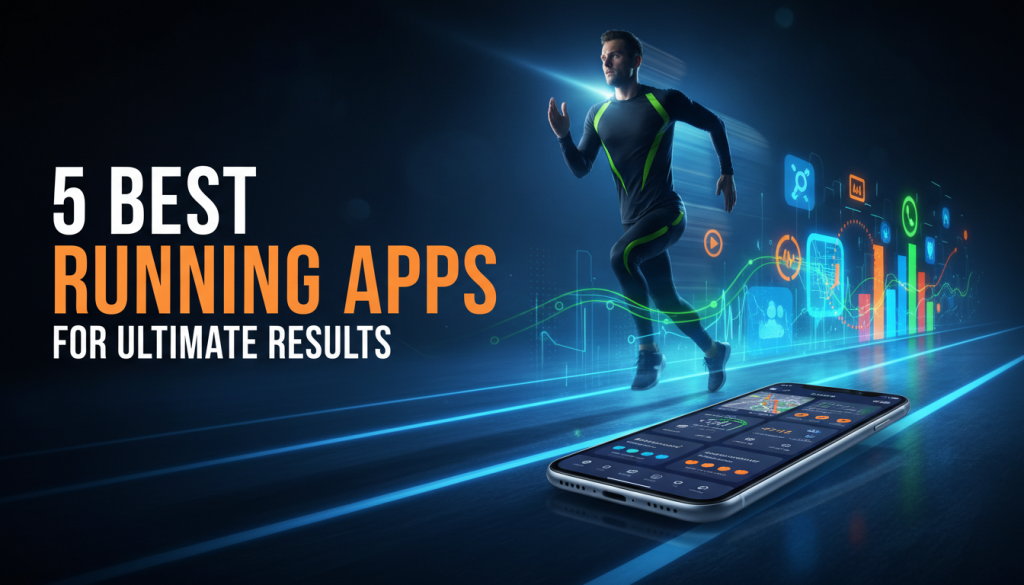
If you want to break PRs, stay consistent, or simply enjoy running more, the apps you use matter. But with thousands of options, how do you actually Choose Best Running Apps for real, long-term results—not just pretty dashboards and social kudos? This guide walks you step by step through what to look for, how to match features to your goals, and how to narrow the field to your personal top five.
We’ll cover training science, motivation, data, wearables, and even how to test apps in the real world so you don’t waste months on the wrong tools.
Table of Contents
- Why Running Apps Matter More Than You Think
- Core Principles: How to Choose Best Running Apps for You
- Step 1: Define Your Running Goals Clearly
- Step 2: Evaluate Training Intelligence, Not Just Features
- Step 3: Pick the Right Metrics and Data Depth
- Step 4: Integration With GPS Watches, Sensors, and Platforms
- Step 5: Motivation, Community, and Accountability
- Step 6: Safety, Health, and Injury-Prevention Features
- Step 7: Usability, Design, and Everyday Experience
- Step 8: Pricing, Monetization, and Real Value
- How to Choose Best Running Apps to Form Your Top 5 Stack
- How to Test and Compare Apps for Ultimate Results
- Sample App Stacks for Different Types of Runners
- The Future of Running Apps: AI, Sensors, and Smarter Coaching
- Final Checklist: Your 10-Point Framework to Choose Best Running Apps
Why Running Apps Matter More Than You Think
Most runners think of apps as simple GPS trackers. You hit start, you run, you get pace, distance, and a map. But when you try to Choose Best Running Apps for actual performance gains, you’re really choosing a long-term training partner.
The right apps help you:
- Plan progressive training that fits your life
- Monitor fatigue and reduce injury risk
- Stay consistent, even when motivation dips
- Translate data into clear decisions—rest, push, or maintain
The wrong apps do the opposite: overload you with data, push you into ego-driven races every run, and ignore recovery. Over months and years, that difference is massive.
Core Principles: How to Choose Best Running Apps for You
Before you even download another app, you need a framework. To Choose Best Running Apps, think in terms of three big questions:
- Does this app help me train smarter, not just harder?
- Does it fit my real life schedule and personality?
- Does it reduce friction or add friction to my routine?
Your best five apps should cover a balanced set of roles:
- Training planning and periodization
- Real-time guidance and monitoring
- Performance and health analytics
- Motivation and accountability
- Recovery, strength, and mobility support
You don’t need five separate apps for each role, but your chosen stack should address all of them.
Step 1: Define Your Running Goals Clearly
You can’t Choose Best Running Apps without knowing exactly what you want out of running in the next 6–12 months.
Ask yourself:
- Are you training for a specific distance (5K, 10k, half, marathon)?
- Is your priority speed, endurance, weight loss, or overall health?
- How many days per week can you realistically run?
- Do you prefer to run solo, with a club, or with a coach?
Your goals drive app requirements:
- Beginners need simple structure, safety, and motivation.
- Intermediate runners need progressive overload and smart scheduling.
- Advanced runners need detailed metrics, race-specific planning, and nuanced feedback.
Make a simple note: “My primary goal this year is ______.” Use that as your decision filter.
Step 2: Evaluate Training Intelligence, Not Just Features
When you Choose Best Running Apps, the core question isn’t “What can this track?” but “How smartly does it guide my training?”
Static vs Dynamic Training Plans
Many apps offer prebuilt plans that never adapt. They’re fine if:
- Your schedule never changes
- You never get sick, injured, or overly tired
In reality, life happens. The most effective apps now use adaptive or dynamic plans that shift based on your workouts, fatigue, and performance trends. Articles like How Adaptive Running Plans Deliver 7 Proven, Powerful Gains show how personalization outperforms generic plans over time.
Look for:
- Adaptive weekly mileage based on your recent load
- Adjustments when you miss workouts
- Automatic recovery weeks and tapering logic
Coaching Logic and Training Philosophy
Every app encodes a training philosophy, even if it doesn’t say so. Some are all about “more miles,” some push hard workouts, others prioritize balance.
When comparing apps:
- Read how they explain workouts (zones, RPE, power, pace)
- Check if easy runs are truly easy, not disguised as tempo
- See whether they emphasize recovery and rest days
Your long-term results depend on this hidden logic far more than on color schemes or social features.
AI, Machine Learning, and “Smart” Features
Buzzwords are everywhere: AI coaching, predictive analytics, dynamic loading. Ignore the marketing and ask:
- Does the app change your upcoming workouts based on how you actually perform?
- Does it adjust for heart rate, pace, sleep, or RPE trends?
- Can it handle setbacks—illness, travel, missed weeks—without breaking?
If an app claims to be “dynamic” but never updates your schedule, it’s not intelligent coaching; it’s just a calendar.
Step 3: Pick the Right Metrics and Data Depth
To Choose Best Running Apps, you need to decide which metrics truly matter for you. Collecting everything but using nothing just clutters your mind.
Essential Metrics for Most Runners
Nearly every runner benefits from:
- Distance and time for volume tracking
- Pace and splits for intensity control
- Heart rate for effort and recovery
- Elevation for load and route comparison
If an app can’t handle these cleanly and reliably, it’s not a serious training tool.
Advanced Metrics: When You Actually Need Them
Advanced runners or data fans might want:
- Running power (from Stryd or some watches)
- Ground contact time, vertical oscillation, cadence details
- Training load and recovery scores
But advanced metrics only matter if the app:
- Explains what they mean in plain language
- Connects them to actionable advice (e.g., slow down, rest, increase cadence)
- Helps you spot overtraining before it becomes injury
Resources like Garmin Training Load Explained: 7 Essential Proven Tips can help you interpret such data—but your app should still do the heavy lifting.
Data Visualization and Clarity
Metrics are only as useful as their presentation. Look for:
- Clear weekly and monthly load trends
- Easy comparison of similar workouts
- Simple color-coding for intensity zones
If you feel overwhelmed or confused every time you open the analytics screen, that app isn’t supporting you; it’s distracting you.
Step 4: Integration With GPS Watches, Sensors, and Platforms
To Choose Best Running Apps that will actually last in your routine, integration is non-negotiable. Manually entering workouts gets old fast.
GPS Watches and Wearables
Check whether the app:
- Syncs with your Garmin, Coros, Polar, Suunto, Apple Watch, or WearOS device
- Imports full workout details (splits, HR, intervals, laps)
- Can send structured workouts to your watch (intervals, tempo runs, etc.)
If you’re in the market for a watch and want it to pair perfectly with your chosen apps, guides like How to Pick the Right GPS Watch for Your Next Big Goal can help you avoid mismatched ecosystems.
Footpods, Chest Straps, and Power Meters
Serious runners may use:
- Chest HR straps for accuracy
- Footpods for indoor and cadence tracking
- Power meters like Stryd
Confirm compatibility before committing to an app. Also verify whether the app supports:
- Custom heart rate or power zones
- Structured workouts based on power or HR
Third-Party Platforms
Many runners rely on multiple platforms: Strava, Apple Health, Google Fit, TrainingPeaks, or similar. When you Choose Best Running Apps for your top five, consider:
- Does this app push data out to my preferred ecosystem?
- Can I back up or export my data easily?
- Does it lock my data in or play nicely with others?
Being locked into a closed system can make it painful to switch later.
Step 5: Motivation, Community, and Accountability
Even the smartest training plan fails if you don’t follow it. So when you Choose Best Running Apps, test how they keep you coming back on low-motivation days.
Gamification and Streaks
Badges, streaks, and challenges can be powerful—until they turn toxic. Look for systems that:
- Encourage consistency, not overtraining
- Recognize rest and recovery as part of winning
- Let you set realistic weekly targets
A good app gently nudges you; a bad one makes you feel guilty and pushes you to train through fatigue.
Social Features and Clubs
Community can be a game-changer, especially if you:
- Enjoy sharing runs and cheering others
- Train with local clubs or friends
- Need external accountability to show up
However, the “race every run” social effect is real. Make sure:
- You can hide pace if you want
- The app doesn’t constantly push comparison
- You can control who sees your data
Resources like How to Find a Powerful Running Group: 7 Proven Steps can complement app-based communities with real-world connections.
Coaches and Expert Support
Some apps offer direct access to human coaches, while others provide AI-only guidance. If you value expert input, look for:
- Access to certified Coaches or support channels
- Clear information on who designs the training logic
- Options for feedback on your training history
Even if you don’t need a full-time coach, occasional guidance for goal-setting or race strategy can dramatically increase your chances of success.
Step 6: Safety, Health, and Injury-Prevention Features
Your best running app stack should help you train hard enough to grow, but not so hard that you break. This is often where great apps quietly outperform trendy ones.
Load Management and Fatigue Monitoring
Look for features that:
- Warn you when weekly mileage spikes too fast
- Flag too many hard sessions in a short window
- Encourage cutback weeks and rest days
Tools that highlight early red flags mirror the warnings discussed in resources like How to Spot Early Shocking Signs: 7 Proven Mileage Risks. If your app simply cheers every mileage increase without context, be cautious.
Recovery and Cross-Training Guidance
Many running injuries come from too much running and too little everything else. Better apps:
- Include optional strength or mobility sessions
- Suggest cross-training when impact needs to drop
- Factor sleep and resting HR into training suggestions, if connected
If an app never once mentions recovery, it’s not designed for sustainable progress.
Safety Features
For outdoor runners, safety features matter:
- Live tracking or emergency contact notifications
- Route sharing with approximate time of return
- Color-coded maps showing pace changes or HR spikes
These small features can provide peace of mind for both you and your loved ones.
Step 7: Usability, Design, and Everyday Experience
You’ll open your running app hundreds of times per year. If using it feels like a chore, you won’t stick with it. When you Choose Best Running Apps, pay close attention to the day-to-day details.
On-the-Run Experience
During a run, you need clarity, not clutter. Check:
- Can you easily read pace, distance, and time at a glance?
- Are screen layouts customizable?
- Do audio cues give the right information at the right time?
Interval workouts should be especially smooth: clear countdowns, lap alerts, and recovery periods without confusion.
Post-Run Workflow
After a run, you should be able to:
- See key metrics in one screen
- Log how you felt (RPE, mood, soreness)
- Add quick notes about weather, shoes, or injuries
The best apps make this reflection stage quick yet meaningful. Over time, those notes become a powerful personal log.
Learning Curve and Support
Some powerful apps have steep learning curves. That’s fine, as long as:
- Onboarding explains the main concepts
- Help articles and FAQs are easy to find
- There’s responsive Support when things break
If you spend more time troubleshooting than training, move on.
Step 8: Pricing, Monetization, and Real Value
Running apps range from free ad-supported trackers to premium coaching platforms. To Choose Best Running Apps, think in terms of long-term value, not just cost.
Free vs Paid Features
Free versions often include:
- Basic GPS tracking
- Simple history and summaries
- Basic community features
Paid tiers usually unlock:
- Structured and adaptive training plans
- Advanced analytics and long-term trends
- Coach messaging, deeper insights, or strength plans
Ask yourself: “Will this upgrade help me train better, stay consistent, or stay healthy enough to hit my goals?”
Subscriptions vs One-Time Purchases
Subscriptions make sense if:
- The app offers ongoing value (dynamic plans, coaching, evolving features)
- You can pause and resume easily around life events
One-time apps suit runners who:
- Only need tracking and basic stats
- Prefer to manage training plans manually
Whatever you choose, avoid paying for multiple apps that do the exact same job.
How to Choose Best Running Apps to Form Your Top 5 Stack
Now let’s put it all together. When you Choose Best Running Apps for ultimate results, think in terms of a “stack” where each app has a clear job.
Role 1: Training Brain (Planning and Periodization)
This is your primary “coach” app. It should:
- Create a plan that matches your goal, time frame, and schedule
- Adjust as you go, ideally with adaptive logic
- Balance hard, easy, and rest days intelligently
This is the most critical role. Many runners now favor AI-enhanced planning tools that adjust to their real-world life and performances.
Role 2: Real-Time Execution (On-the-Run Guidance)
Sometimes the same app handles both planning and execution. In other cases:
- Your watch app gives real-time data and alerts
- Your phone app handles live maps, music control, and audio coaching
Make sure interval workouts are easy to follow and that alerts are loud and clear enough to guide your pacing.
Role 3: Analytics and Progress Tracking
This role is about understanding whether training is working. The analytics app should:
- Track PRs, VO2 max estimates, and key milestones
- Show you improvement in pace at similar effort
- Highlight long-term consistency and load patterns
It doesn’t need to be flashy; it needs to make trends obvious.
Role 4: Motivation and Community
Your social or community app might be:
- A public sharing platform
- A club-based app with group events
- A team or coaching community with leaderboards
Ensure this app supports your mindset rather than fueling unhealthy comparison.
Role 5: Recovery, Strength, and Mobility
Finally, your fifth app can cover:
- Strength training routines for runners
- Mobility and stretching sessions
- Sleep tracking or meditation support
The goal is to complete your training ecosystem so that nothing crucial—like recovery or strength—falls through the cracks.
How to Choose Best Running Apps: Testing and Comparing for Ultimate Results
Even with a clear framework, you won’t know if an app truly fits until you live with it. To systematically Choose Best Running Apps, test them with a structured approach.
Run Real-World Trials
Instead of casually trying a new app on one random run:
- Commit to a 2–4 week test period
- Use the app for all runs in that period
- Follow at least a mini-plan or set of suggested workouts
This lets you see how it handles fatigue, missed sessions, and variability in your schedule.
Evaluate with Clear Criteria
After your test period, grade each app on:
- Training quality: Did it guide you well?
- Ease of use: Did it get out of your way?
- Motivation: Did it make you want to run more?
- Safety and recovery: Did it respect your limits?
Use a simple 1–5 score in each category. Your top five apps will stand out quickly.
Use a Proven Testing Framework
If you want to be even more systematic, frameworks like those described in How to Test a Running App: 7 Proven, Essential Steps can help you evaluate apps without bias or guesswork. This structure helps you avoid being swayed only by design or hype.
Sample App Stacks for Different Types of Runners
To make all this concrete, here are examples of how different runners might Choose Best Running Apps for a five-app setup.
1. Beginner Runner Focused on a First 5K or 10K
Goals: Build habit, avoid injury, finish the race feeling strong.
App Roles:
- Training Brain: Simple structured plan with walk-run options
- Execution: Watch or phone app with clear interval cues
- Analytics: Basic progress charts (weekly distance, pace)
- Motivation: Friendly community, low-pressure sharing
- Recovery: Guided stretching or beginner strength app
Key features to prioritize:
- Beginner-friendly language and realistic weekly mileage
- Strong emphasis on recovery and walk breaks
- Positive, non-competitive social features
2. Intermediate Runner Targeting a PR
Goals: PR at a 10k, half marathon, or marathon within 3–9 months.
App Roles:
- Training Brain: Adaptive goal-based training plan
- Execution: Watch integration with structured workouts
- Analytics: Load progression, pace improvements, HR trends
- Motivation: Challenge participation, club features
- Recovery: Strength and mobility tailored to runners
Key features to prioritize:
- Dynamic plans that respond to your actual performances
- Accessible HR or power-based guidance
- Tools to maintain consistency across busy weeks
3. Advanced Runner Chasing Big Goals
Goals: Boston qualifier, large PR, or multi-race season.
App Roles:
- Training Brain: Highly customizable plan or coach-guided system
- Execution: Watch with power/HR guidance, multi-screen data
- Analytics: Deep performance and fatigue insights
- Motivation: Competitive club or team leaderboard
- Recovery: Sleep and HRV tracking plus strength routines
Key features to prioritize:
- Fine-grained control over periodization and race build-up
- Detailed post-workout analysis tools
- Advanced integration with multiple devices and platforms
The Future of Running Apps: AI, Sensors, and Smarter Coaching
The next generation of running apps is moving beyond simple logging toward proactive coaching. To Choose Best Running Apps that will stay relevant for years, watch for these trends:
- More adaptive intelligence: Plans that change daily based on recovery, sleep, and life stress.
- Better cross-discipline integration: Combining strength, mobility, and running into unified plans.
- Context-aware recommendations: Adjusting runs based on weather, terrain, and race calendar.
- Health-first design: Integrating proven strategies like those in How to Train for 7 Powerful, Proven Speed and Endurance Gains, where gains come from structured, sustainable work, not reckless volume.
As AI improves, expect apps to become more like adaptable, always-on coaches—making your choice today even more important.
Final Checklist: Your 10-Point Framework to Choose Best Running Apps
Use this checklist to narrow down and Choose Best Running Apps for your personal top five:
- Goal Fit: Does the app clearly support your current goals (distance, PR, health, or habit)?
- Training Intelligence: Are plans adaptive and grounded in sound training principles?
- Metrics: Does it track the metrics you actually need without drowning you in noise?
- Integration: Does it sync cleanly with your watch, sensors, and preferred platforms?
- Motivation: Does it help you stay consistent without pushing unhealthy comparison?
- Safety & Recovery: Does it account for rest, load management, and injury risk?
- Usability: Is it intuitive during runs and clear after runs?
- Support & Education: Are help resources and, if needed, coaches accessible?
- Pricing Value: Does the paid tier (if any) provide real, ongoing value to your training?
- Long-Term Partner: Can you imagine using it for at least a season or full training cycle?
If an app rates highly on most of these points, add it to your top-five stack. If it fails more than three, it’s probably not worth your time—no matter how attractive the interface or how many people are talking about it.
When you Choose Best Running Apps with this kind of intentionality, your phone and watch stop being distractions and start becoming the most reliable tools in your training toolkit. Over months and seasons, that difference shows up where it matters most: in your health, your consistency, and your results on race day.