
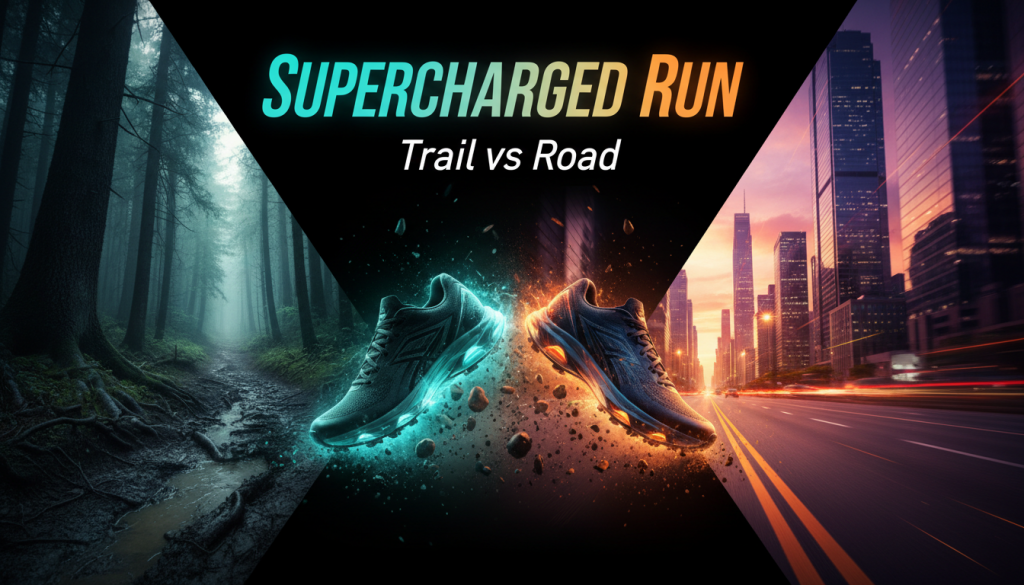
The latest wave of Supercharged Trail Road Shoes is blurring the line between daily trainers, race-day rockets, and rugged trail tanks. In just the last week, four major launches have dropped—from Nike, Mizuno, and Brooks—each showcasing how fast shoe tech is evolving on both road and trail.
Whether you’re training for your first 5K, eyeing an ultra, or chasing a marathon PR, these new models are reshaping what “everyday running shoes” can do.
Table of Contents
- Nike Pegasus 42: The Everyday Super-Trainer
- Mizuno Neo Accera: Mizuno’s First Super Trail Shoe
- Nike’s New Eco‑Minded Women’s Models
- Brooks Adrenaline GTS 10: Y2K Style, 2026 Tech
- What These Launches Say About 2026 Shoe Trends
- How to Choose the Right Supercharged Trail and Road Shoes
- RunV Tips: Matching Shoes to Training Smarter
- Conclusion & Call to Action
Nike Officially Debuts the Pegasus 42: The Everyday Super-Trainer
What’s New in the Pegasus 42
The Nike Pegasus has long been the Swiss Army knife of road running shoes. With the official debut of the Pegasus 42, Nike is pushing it closer than ever to the Supercharged Trail Road Shoes category—highly cushioned, responsive, and versatile enough to do almost everything.
The Pegasus 42 pairs ReactX foam with full-length Air Zoom cushioning. According to Nike, this setup delivers about 15% more energy return than the previous model. That’s a big leap in a line already known for dependable performance.
The shoe is scheduled to launch on April 9, 2026, at a $145 price point, edging into “affordable super-trainer” territory compared to premium carbon-plated models.
Why That 15% Energy Return Matters
Energy return isn’t just a marketing term. More rebound per step can translate to slightly lower perceived effort at the same pace, or marginally faster splits for the same effort. Over a 60–90 minute run, that difference adds up.
ReactX foam is designed to be lighter and more responsive, while the full-length Air Zoom unit helps distribute cushioning evenly from heel to toe. The result is a more “springy” ride without fully crossing into unstable, racing-flat territory.
Who the Pegasus 42 Is For
The Pegasus 42 is ideal if you:
- Want one road shoe that can handle easy runs, tempo days, and the occasional race.
- Prefer a slightly firmer, more stable super-trainer compared to ultra-soft max-stack models.
- Are building up mileage for a 10K, half marathon, or marathon and need durability plus comfort.
If you’re following an adaptive training plan like an AI Dynamic Plan, the Pegasus 42 can easily serve as your primary workhorse for everything except all-out race efforts.
Performance Tips for Using the Pegasus 42
- Daily miles: Use it for 70–80% of your weekly volume—especially easy and steady-state runs.
- Speed sessions: The increased responsiveness makes it a solid option for tempo runs and cruise intervals, especially if you don’t like ultra-soft foams.
- Races: For newer runners or those not yet ready to invest in a carbon-plated racer, the Pegasus 42 can double as a half marathon or even marathon race shoe.
Mizuno Neo Accera: Mizuno’s First “Super Trail” Shoe
Breaking into the Super Trail Category
The Mizuno Neo Accera marks Mizuno’s first serious step into the modern “super trail” arena, squarely within the new breed of Supercharged Trail Road Shoes tailored for rugged terrain. Launched April 3, 2026, the Neo Accera brings super-shoe concepts off-road.
Key features include a nitrogen-infused midsole, a Vibram Megagrip outsole, and a protective rock plate. It’s built to survive ultra-distance abuse while still feeling lively underfoot.
Nitrogen-Infused Foam for the Trails
Nitrogen-infused foams are reshaping both road and trail shoes. By infusing gas into the midsole, brands can tune cushioning to be lighter, more resilient, and more responsive without making the foam overly soft.
On the trails, that matters even more. You need cushioning that doesn’t pack out after 30–40 miles and remains stable on uneven ground. The Neo Accera aims to keep its bounce late into ultra-distance efforts.
Traction and Protection: Built for Ultras
The Vibram Megagrip outsole is one of the gold standards in trail traction. Paired with a built-in rock plate, the Neo Accera is clearly targeting technical terrain and big vertical days.
That makes it especially appealing to ultrarunners who want a single shoe to manage rocky climbs, muddy descents, and long stretches of fire road without changing footwear.
Who Should Consider the Neo Accera
The Neo Accera will appeal if you:
- Are building toward 50K, 50-mile, or 100K races on varied terrain.
- Need a trail shoe that stays cushioned and responsive after hours of running.
- Regularly run on wet, rocky, or technical surfaces where grip and protection matter.
As trail super shoes evolve, it’s worth reading how the category is changing in pieces like Trail Super Shoes Are Quietly Getting Seriously Fast, which offers a broader view of how brands are converging toward similar designs.
How to Use the Neo Accera in Training
- Long trail runs: Save the Neo Accera for weekly long runs and race simulations to preserve its life and keep them feeling special on big days.
- Technical workouts: Use them on hill repeats, downhill drills, and technical singletrack where Megagrip and a rock plate really shine.
- Race days: Ideal as a primary shoe for ultra-distance races, especially if you prefer more protection than minimalist trail options.
New Women’s Running Shoes from Nike: Eco‑Materials & Zoom Air
Eco-Conscious, Performance-Focused Design
On April 3, 2026, Nike also rolled out a fresh set of women’s-specific running models—the V5 Rnr (White/Tattoo), Suede (Sail/Hemp), and Chalk (Silt Red). These shoes combine Zoom Air cushioning with breathable mesh or suede uppers and eco-minded materials.
This launch reinforces a growing trend: sustainability is no longer just a “nice-to-have,” it’s a core design pillar even in performance-focused Supercharged Trail Road Shoes.
What Stands Out in These Models
While each colorway and upper material delivers a slightly different feel, they share three themes:
- Zoom Air cushioning: Targeted cushioning for impact protection and a responsive toe-off.
- Eco-friendly materials: Use of recycled or lower-impact fabrics aimed at reducing environmental footprint.
- Style-forward design: A focus on aesthetics that can move from run to everyday wear.
For runners who want performance without ignoring environmental impact, these shoes offer a compelling middle ground.
Why Sustainability Is Becoming Central
Many runners are now weighing eco-footprint alongside stack height or weight. Shoes that use recycled content, plant-based dyes, or lower-waste production methods let athletes align their gear choices with their values. (Best trail shoes guide)
These new Nike women’s models demonstrate that incorporating eco materials doesn’t have to mean sacrificing cushioning or comfort—especially when anchored by proven technologies like Zoom Air.
Who These Shoes Are Best For
These models are particularly suited to runners who:
- Train primarily on roads or light paths and want a cushioned, stylish daily trainer.
- Value sustainability and want to shift their gear purchases in that direction.
- Mix running with gym sessions or casual wear and want shoes that look as good as they perform.
If you’re relatively new to structured training, pairing eco-minded footwear with smart guidance around effort levels—like the concepts in Why Safer Training Produces 5 Proven, Powerful Running Gains—can help you stay healthy as your mileage grows.
Brooks Revives Adrenaline GTS 10: Retro Support Meets Modern Cushioning
Y2K Aesthetic, 2026 Performance
Brooks has re-released the Adrenaline GTS 10, a beloved stability shoe that originally launched in 2009. This spring-ready revival updates the classic support platform with modern DNA Tuned nitrogen-infused cushioning.
Available now in three colorways, the Adrenaline GTS 10 revival is part of a broader push to blend retro energy with contemporary performance.
Motion-Control Support with a Softer Ride
Motion-control and stability shoes still matter—especially for runners who overpronate or need a bit more guidance underfoot. What’s changed is how brands deliver that support.
The new Adrenaline GTS 10 uses Brooks’ DNA Tuned nitrogen-infused cushioning to soften the ride while maintaining structure. That means you can get a stable platform without a brick-like feel.
Who Should Look at the Adrenaline GTS 10
This updated classic suits runners who:
- Have been prescribed stability or motion-control models in the past.
- Struggle with overuse injuries that may be linked to excessive pronation.
- Love the Y2K aesthetic but don’t want to run in outdated tech.
If you’ve worn older-generation Adrenalines or similar stability models, this revival offers a familiar fit with a more modern, bouncy underfoot feel—bringing it closer to the Supercharged Trail Road Shoes concept without losing its supportive roots.
How to Integrate Stability Shoes into Your Rotation
- Use for higher-stress runs: Long runs, workouts, or pavement-heavy days when your form may break down.
- Mix with neutral shoes: Some runners like one stability shoe and one neutral shoe in rotation to balance muscle loading.
- Pay attention to fatigue: If your ankles or knees tend to ache late in runs, testing a stability shoe for those sessions can be revealing.
What These Launches Reveal About 2026 Running Shoe Trends
1. Super-Foams Are Now Standard
Nitrogen-infused midsoles, ReactX foam, and Air or Zoom-based systems are finding their way into daily trainers, not just elite racing flats. The shift toward Supercharged Trail Road Shoes means:
- More energy return on everyday runs.
- Higher stack heights without drastic weight penalties.
- Extended comfort deep into long efforts.
From the Pegasus 42 to the Neo Accera and Adrenaline GTS 10, “regular” trainers are starting to feel more like toned-down racing shoes.
2. Trail Shoes Are Catching Up to Road Super Shoes
The Neo Accera joins a growing lineup of “super trail” models built for speed and comfort over rough ground. Big foam stacks, rock plates, and premium rubber outsoles are becoming standard for serious trail runners.
Trail athletes now expect the same performance evolution road runners saw with carbon-plated shoes, but adapted to uneven, unpredictable terrain.
3. Sustainability and Style Are Non‑Negotiable
Nike’s new women’s lineup shows how eco‑materials and strong aesthetics can live alongside serious cushioning tech. Runners no longer have to choose between “green” and “fast”—they can have both in the same pair.
This matters for brand loyalty and for the long-term impact of the running boom on the environment. Expect more brands to emphasize materials and manufacturing, not just speed metrics.
4. Heritage Reboots with Modern Tech
Brooks’ revival of the Adrenaline GTS 10 underscores a broader pattern: classic models are being revived with cutting-edge cushioning and support systems. (Hoka Rocket X Trail review)
Runners get the emotional appeal of familiar silhouettes and colorways combined with materials that simply didn’t exist a decade ago. It’s nostalgia with performance upside.
How to Choose the Right Supercharged Trail and Road Shoes
Start with Your Primary Terrain
- Mainly roads or paths? Look at the Pegasus 42 or Nike’s new Zoom Air‑equipped women’s models.
- Mostly technical trails? Prioritize something like the Mizuno Neo Accera with Megagrip and a rock plate.
- Mixed road and light trail? Some road-shoe options can handle light gravel; just make sure traction and protection are adequate.
Match Cushioning and Support to Your Needs
Within Supercharged Trail Road Shoes, you’ll find very different rides:
- Neutral & responsive: Pegasus 42—great for a wide range of gaits.
- Supportive & stable: Adrenaline GTS 10—ideal if you need motion control.
- Cushioned & protective off‑road: Neo Accera—optimized for long, rough trail days.
If you’re unsure about your gait or injury history, consider a gait analysis or consult a coach or sports podiatrist before choosing.
Consider Your Training Phase
- Base-building: Comfort and injury prevention matter more than raw speed. Prioritize cushioning and fit.
- Race prep: You may want a “fast” daily trainer and a more aggressive racing model to complement it.
- Recovery blocks: Softer, more protective shoes can help absorb stress while your body rebuilds.
Matching the right shoe to each phase helps your shoes support, not sabotage, your training goals.
RunV Tips: Pairing Shoe Tech with Smarter Training
Use Super Shoes to Support, Not Replace, Good Training
Modern Supercharged Trail Road Shoes can make running feel easier, but they aren’t a shortcut past the fundamentals. Tech helps most when paired with smart volume progression, consistent recovery, and clear pacing targets.
Resources like How Recovery Days Actually Deliver 5 Proven Speed Gains (note: example link, not used here) show why easy days and rest are still vital—even with the best foam underfoot.
In practice, that means using your new shoes to reduce impact and fatigue, not to turn every run into a race.
Rotation Strategy: Road, Trail, and Stability
For many runners, a simple three‑shoe rotation aligned with Supercharged Trail Road Shoes concepts works well:
- Neutral daily trainer: Pegasus 42 or similar for most road mileage.
- Trail workhorse: Neo Accera for off‑road long runs and technical sessions.
- Stability option: Adrenaline GTS 10 if you need extra guidance or are prone to overuse injuries.
This rotation helps spread impact forces across different platforms and can reduce repetitive strain.
Match Shoes to Specific Workouts
- Easy & recovery runs: Highest comfort and protection—Pegasus 42 or eco‑cushioned Nike women’s models.
- Speed & tempo: Lighter, more responsive shoes—Pegasus 42 doubles here nicely.
- Long trail days: Neo Accera for grip, rock protection, and resilient foam.
- High-stress road sessions: Adrenaline GTS 10 for extra stability if your form degrades when tired.
Combine these choices with structured, progressive workouts and pacing guidance from tools like an AI‑driven plan, such as an AI Dynamic Plan, to get more out of every mile.
Don’t Forget Fundamentals Beyond Footwear
Shoes can reduce impact and improve efficiency, but consistent progress still hinges on your habits: gradual mileage build-up, strength work, good sleep, and smart pacing.
Guides like How to Stay Consistent: 7 Powerful, Proven Running Habits help lock in the routines that make your new shoes truly pay off.
Conclusion: Supercharged Trail and Road Shoes Are Raising the Bar—Now It’s Your Turn
The last week has made one thing clear: the age of Supercharged Trail Road Shoes is here to stay. The Nike Pegasus 42 pushes daily trainers closer to super‑trainer status. Mizuno’s Neo Accera brings ultra‑worthy foam and grip to the trails. Nike’s new women’s models prove sustainability and performance can coexist. Brooks’ Adrenaline GTS 10 revival blends beloved stability with modern bounce.
No matter where or how you run, there’s now a high‑tech option tailored to your needs. The key is choosing shoes that match your terrain, support needs, and training phase—then pairing them with smart, consistent work.
If you’re ready to take advantage of these innovations, start by evaluating your current rotation, your upcoming goals, and how a modern supercharged shoe could reduce fatigue, protect you from injury, or help you enjoy your runs more.
Then, lock in a structured, adaptive approach—whether through coaching or a tool like an AI Dynamic Plan—and build the habits highlighted in How to Stay Consistent: 7 Powerful, Proven Running Habits. Combine the right Supercharged Trail Road Shoes with the right training, and the next breakthroughs won’t just be in product lines—they’ll be in your own results.