Training 5 min
1:35 half marathon pace

A 1:35 half marathon requires an average pace of 4:30 per kilometre or 7:15 per mile. This is a strong club-level target that demands consistent tempo running, structured speed work and disciplined easy-run pacing to build aerobic capacity and race-day resilience.
What pace do you need to run?
To break 1:35, you must average 4:30/km or 7:15/mile across the full 21.1 kilometres — 4:33/km would bring you home in about 1:36:00, so the seconds matter. Your training paces will sit both faster and slower than this target to build the fitness needed.
Key training paces for 1:35
- Easy runs: 5:30–5:50/km (8:50–9:25/mile) — the foundation of aerobic fitness
- Steady/long runs: 4:50–5:10/km (7:50–8:20/mile) — where you build endurance at a controlled, steady effort
- Tempo runs: 4:15–4:25/km (6:50–7:05/mile) — sustained hard running to improve lactate threshold
- Interval repeats: 3:55–4:05/km (6:18–6:35/mile) for 5–8 × 1km efforts — roughly your current 5K pace — develops VO₂ max and leg speed
A typical week for 1:35 training
Structure your week around one long run, one tempo or speed session, and two to three easy runs. Monday might be recovery easy; Tuesday a tempo block of 3–4 × 4 minutes at 4:15/km; Wednesday easy; Thursday interval repeats at VO₂ max pace; Saturday a long run building to 16–18km at 4:50–5:10/km; Sunday easy or rest.
Why pacing variety matters
Running every session at 1:35 pace will stall fitness gains and invite injury. Easy runs rebuild the body and improve fat adaptation. Tempo work teaches your legs to hold race pace when fatigued. Intervals develop the speed reserves you'll tap on race day. Together, these create a robust aerobic system capable of holding 1:35 for the full distance.
Race-day execution
- Start controlled in kilometres 1–3 at 4:32–4:35/km and settle into rhythm rather than chasing an early buffer
- Hold 4:29–4:30/km from kilometre 4 to 17, resisting the urge to surge
- In the final 4km, hold 4:28/km or faster if you have a kick — this is where mental toughness and aerobic strength converge
- Practise your fuelling and hydration strategy in long runs above 16km so nothing surprises you on race day
Common pacing mistakes
- Starting too fast: many runners are seduced by a quick first mile and pay for it at 15km
- Doing easy runs too hard: this blurs the stimulus and leaves you too tired to run quality sessions
- Neglecting the taper: continuing hard sessions in the final two weeks undermines race readiness
- Ignoring splits: some runners fixate on the gun time and forget that even pacing saves seconds
Data-driven pacing with RunV
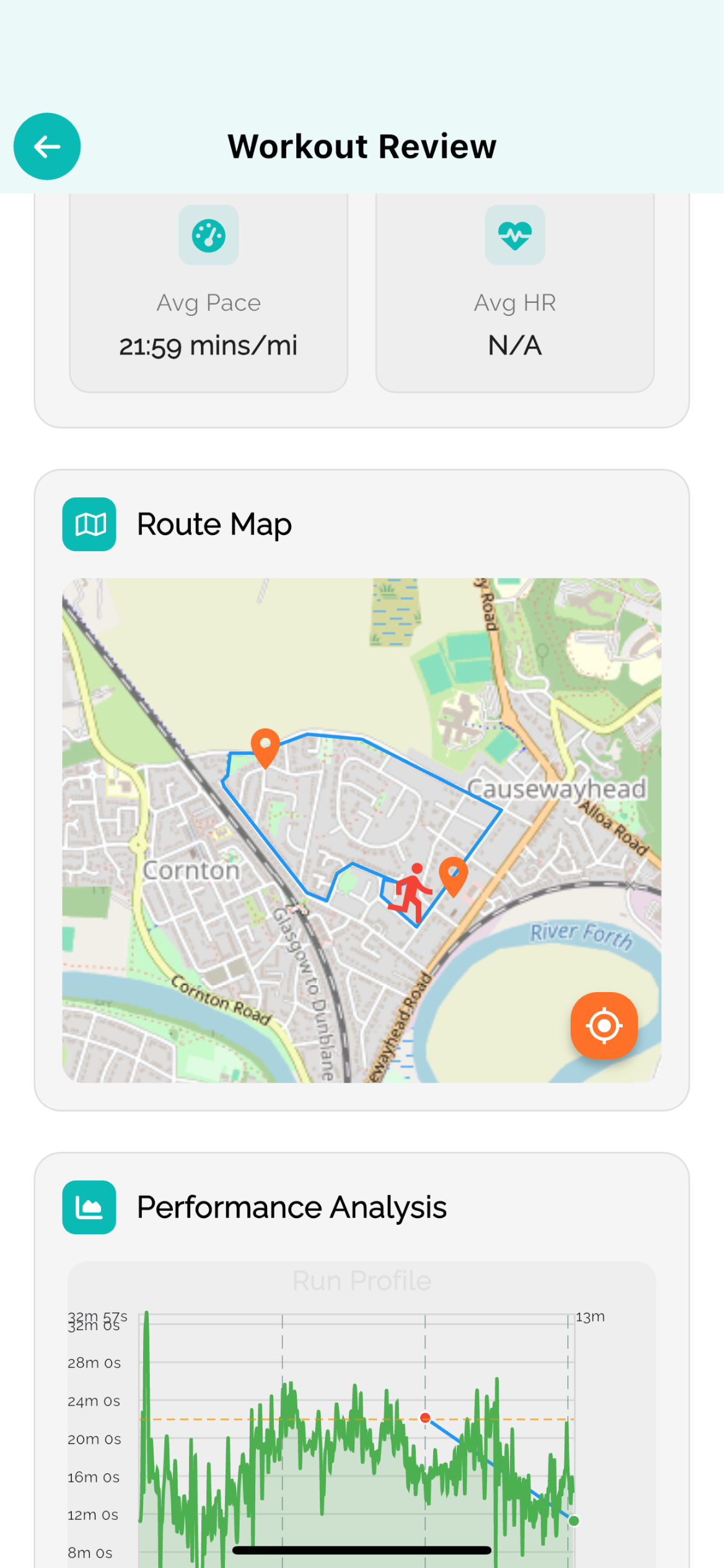
Modern coaching apps like RunV log your actual splits, pace variability and heart-rate data from every session. Over weeks, this reveals whether you're truly holding target paces or drifting, which training blocks drive your fitness forward, and where inconsistency creeps in. Use these insights to adjust your tempos, long-run targets and recovery efforts — turning raw effort into measurable progress towards 1:35.
Final checklist before race day
- Confirm your average target: 4:30/km or 7:15/mile
- Run at least three sessions at or near 1:35 pace in the six weeks before the race
- Complete a full-distance simulation run (or near it) at steady pace
- Taper sharply in the final 10 days: reduce volume by 40–50%, keep some intensity
- Know the race course: hills, headwind sections, and water-station positions shape pacing strategy
FAQ
- Is 1:35 considered a fast half marathon?
- Yes. 1:35 is a strong club-level time, comfortably quicker than the typical finisher at most big half marathons. It requires months of focused training and demands discipline with pacing and recovery.
- How long does it take to train for a 1:35 half marathon?
- Most runners need 12–16 weeks of structured training to build the fitness required for 1:35, particularly if moving up from a slower baseline. Rushing the process increases injury risk and undermines adaptations.
- What should my easy pace be if I'm targeting 1:35?
- Your easy pace should sit 1:00–1:20/km slower than race pace, so 5:30–5:50/km. This allows genuine recovery and aerobic adaptation without bleeding into the training stress zone on days meant for restoration.
Train smarter
RunV turns this thinking into your plan — adaptive coaching that rebuilds after every run.
Keep reading