Training 7 min
10k training plan to go under 50 minutes

Breaking 50 minutes for 10k requires sustained speed work, a structured build, and consistent effort across 8–12 weeks. This plan combines tempo runs, interval sessions and long-distance work at the right intensities to get you there.
What pace do you need to sustain?
To run under 50 minutes over 10k, you need an average pace of 4:59 per kilometre or 8:02 per mile. That pace must hold even when fatigue sets in during the final 2k, so your training paces need to be slightly faster to build a buffer.
The four key training sessions each week
- Tempo run: 20–30 minutes at your threshold pace (approximately 5:05–5:10/km)
- Interval work: 6–8 repetitions of 800m or 1000m at 5k race pace (roughly 4:45–4:50/km)
- Long run: 12–16km at a conversational, easy pace (5:30–5:45/km)
- Easy runs: 2–3 shorter sessions at 5:45–6:00/km to build volume without fatigue
Structuring your 10-week build
Weeks 1–3 form your base phase. Run 35–40km per week with easy runs, one tempo session of 15–20 minutes, and a long run building to 14km. Keep intensity moderate; the goal is consistency and aerobic foundation.
Weeks 4–7 introduce speed. Add interval sessions every 7–10 days, extend tempo runs to 25–30 minutes, and increase your long run to 16km. Total weekly volume rises to 45–50km. This is when you sharpen pace awareness and build the fitness to sustain sub-5:00/km.
Weeks 8–9 are your peak weeks. Maintain both tempo and interval work, but reduce long run volume to 14km and total mileage to 42–45km. You're keeping intensity high whilst managing fatigue before the taper.
Week 10 is your taper. Cut volume by 40–50%, keep one short tempo effort and one short interval session, and rest fully for 2–3 days before race day.
Pacing your long run correctly
Long runs teach your body to run efficiently when tired. For sub-50-minute 10k fitness, your long run pace should sit at 5:30–5:45/km—considerably slower than goal race pace. This builds aerobic capacity and muscular endurance without accumulating excessive fatigue that derails the rest of your week.
Recovery and injury prevention
- Schedule easy days between hard sessions. Never run hard two days in a row.
- Include one rest day per week, ideally after your longest or most intense run.
- Strengthen your core, glutes and hips twice weekly. Single-leg stability work helps prevent common running injuries.
- Stretch and foam-roll after every session for 5–10 minutes, focusing on calves, quads and hip flexors.
Using data to refine your training
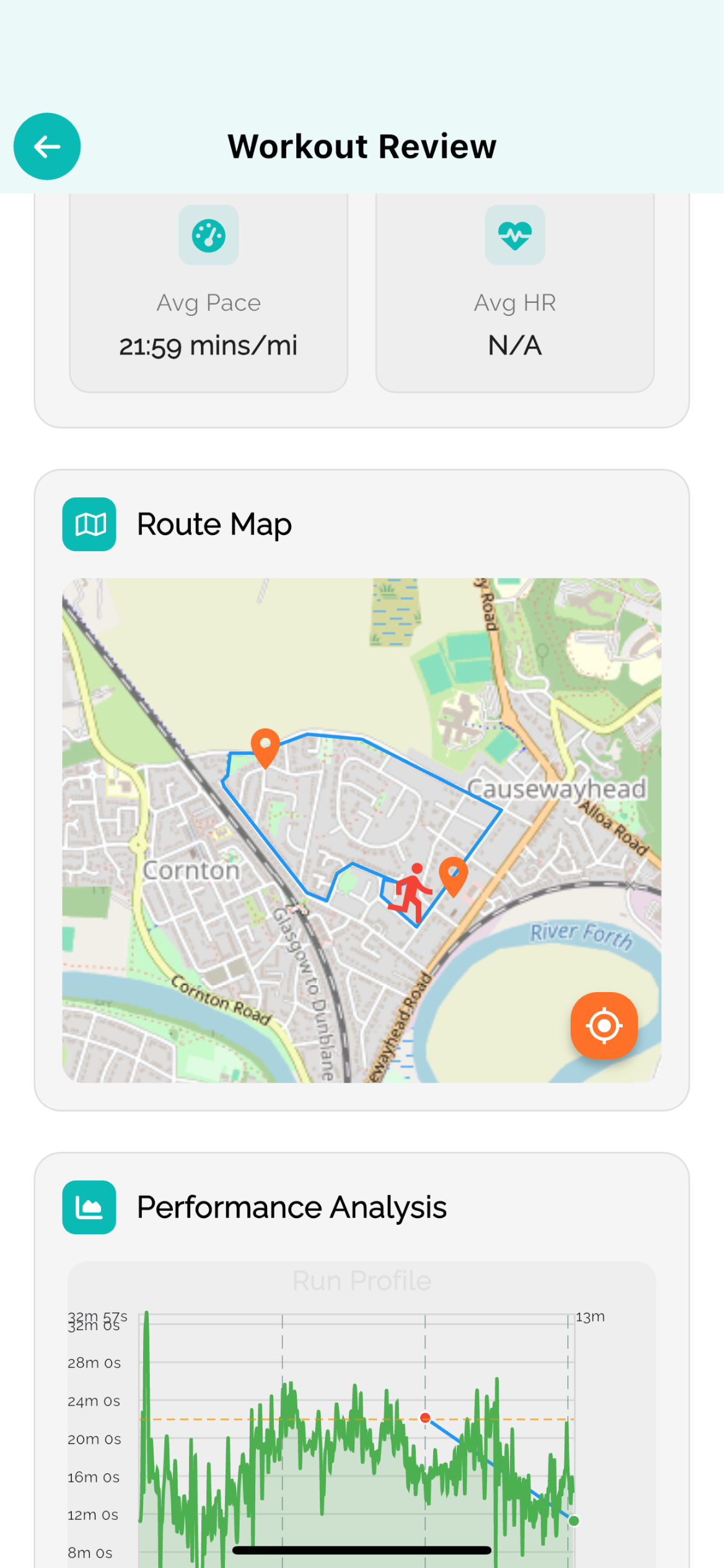
A structured plan works best when you track your effort honestly. Monitor your actual pace on each run—not your goal pace, but what you genuinely achieve at your target effort level. If tempo runs consistently feel too hard at 5:05/km, adjust down to 5:10/km; if they feel easy, you can push slightly faster. Adaptive coaching tools help you log these details, spot patterns in your performance and adjust weekly targets based on how your body is responding. The fastest runners combine a solid plan with real-time feedback, not blind adherence to a generic schedule.
Race-day tactics
- Run the first 2km at 5:05–5:10/km to settle into rhythm and avoid surging with adrenaline.
- Push from km 3 to 7, building to goal pace and holding it steady.
- In the final 3km, focus on leg turnover and mental strength; this is where training pays off.
- Practise your fuelling strategy in training. Most 10k runners need only water or a small sports drink mid-race.
FAQ
- How many weeks of training do I need before attempting a sub-50-minute 10k?
- A solid 10–12 week build from a reasonable fitness base is typical. If you're currently running 50–55 minutes, 8–10 weeks may suffice. If you're above 55 minutes, allow 12–14 weeks and ensure you're already running 25–30km per week consistently.
- Should I do all four key sessions every single week?
- No. Alternate between interval weeks and tempo weeks, or slot in 3–4 hard sessions per week depending on your recovery capacity. Not everyone improves on a 4-hard-day schedule; some runners do better on 2–3 focused hard sessions plus long runs.
- What should I do if I get injured mid-plan?
- Stop the session immediately and take 2–3 easy days. If pain persists beyond a day of rest, scale back to easy running only until it settles. Maintain fitness with pool running or cycling if necessary, but do not push through sharp pain—it usually leads to longer layoffs. Seek advice from a physiotherapist if unsure.
Train smarter
RunV turns this thinking into your plan — adaptive coaching that rebuilds after every run.
Keep reading