Training 5 min
Chicago marathon weather

The Chicago Marathon takes place in early October when temperatures average 10–15°C, with variable winds off Lake Michigan and a genuine risk of rain. Weather conditions can shift significantly from morning to afternoon, making preparation and pacing strategy essential.
What is typical Chicago Marathon weather?
October weather in Chicago is mild but unpredictable. Race day typically starts around 8–10°C and climbs to 12–16°C by mid-afternoon. The lake effect creates gusty winds that can slow your pace, particularly on exposed sections near the lakeshore. Rain is common; the race has experienced anything from dry conditions to heavy downpours in past years.
Morning conditions: what to expect at the start
Early morning temperatures hover just above 10°C. The pre-dawn hours feel cooler, so most runners wear a disposable top layer they shed around miles 2–3. Wind is often lighter at dawn, but freshens as the sun rises and the lake warms. Humidity is typically low compared to summer months, which is a genuine advantage for aerobic efficiency.
Afternoon wind and the lakeshore sections
Miles 15–20 take runners near Lake Michigan where wind gusts regularly exceed 20 km/h. This section is notoriously tough; many runners experience a pacing slowdown of 30–90 seconds per mile. The wind is rarely a tailwind; plan for a combination of crosswinds and headwinds that demand mental discipline and slightly higher effort.
Rain and hydration strategy
Chicago has hosted wet marathons, and October rain can fall steadily without being torrential. Wet roads increase injury risk and slow pace by 1–2 minutes per mile for most runners. If rain is forecast, wear moisture-wicking kit, consider a lightweight waterproof layer, and increase your fluid intake slightly—wet conditions often obscure thirst cues.
- Wear breathable, moisture-wicking layers that shed water without trapping sweat
- Apply anti-chafe balm to feet, thighs and nipples before the race
- Choose shoes with reliable grip; trail shoes are overkill but aggressive road treads help
- Bring a small plastic bag for your phone if weather warnings suggest heavy rain
- Warm up indoors at your hotel rather than standing outside before the gun
Pacing in variable conditions
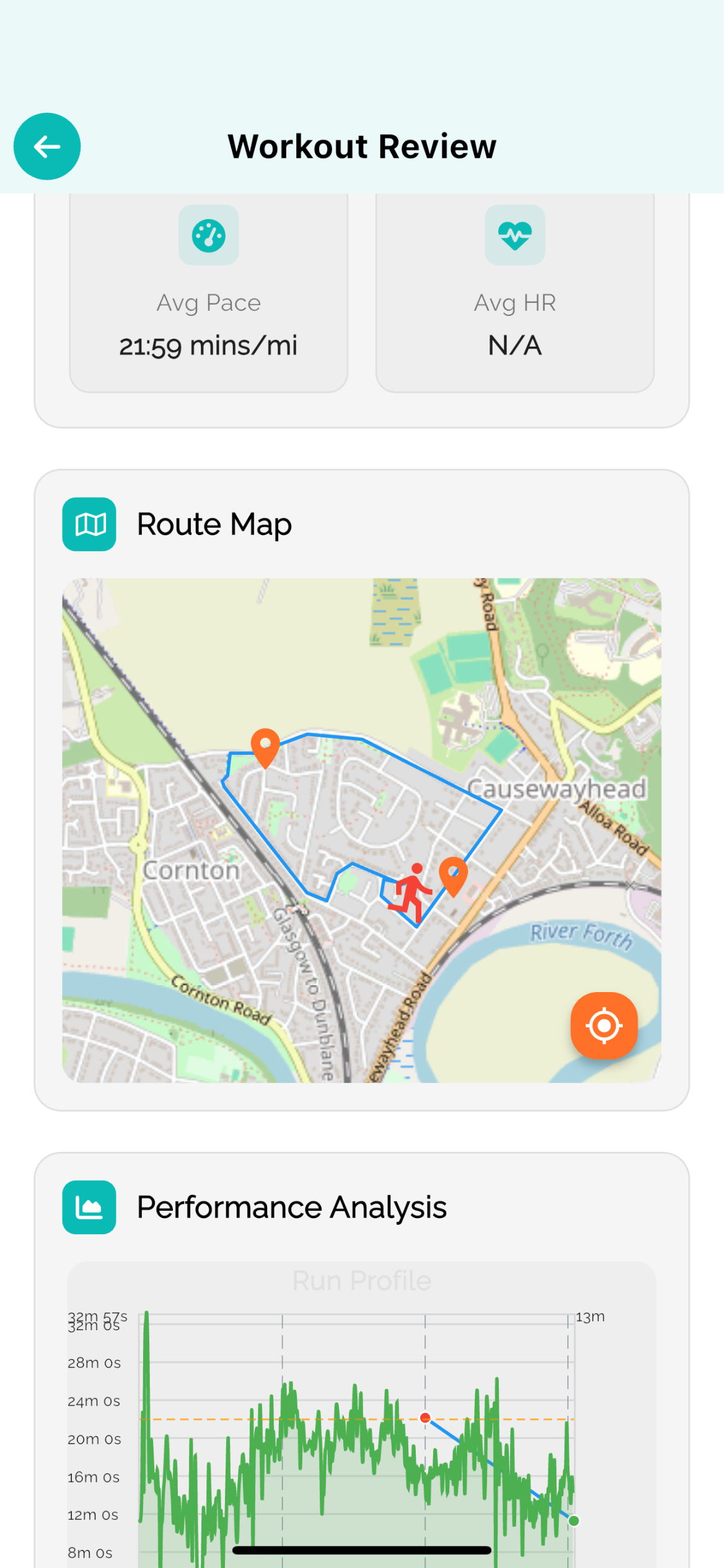
Weather volatility makes even-pacing harder. Your first 5 miles will feel easier than miles 15–20 due to cooler temperatures and lighter winds. A data-driven approach means knowing your zone 2 and zone 3 paces for both calm and windy conditions, then adjusting effort rather than target pace. RunV-style coaching flags when external conditions demand effort adjustments while maintaining aerobic efficiency.
Kit checklist for Chicago October weather
- Base layer and long-sleeve top (both moisture-wicking; plan to shed one
- Shorts or tights suited to 12–16°C
- Gloves if forecast is cold; pack them in your race kit—you can drop them at an aid station
- Hat or headband if rain is likely
- Lightweight windproof shell optional for lakeshore miles
- Socks: merino blend or synthetic; cotton absorbs water and causes blistering
FAQ
- Will it rain at the Chicago Marathon?
- Rain occurs in roughly 40% of recent Chicago Marathons. Early October weather is genuinely variable; always check the 10-day forecast and pack waterproof layers or a throwaway top layer. Wet conditions slow pace and increase injury risk, so adjust effort and pacing expectations if rain arrives.
- How windy is the Chicago Marathon lakeshore section?
- The lakeshore miles (roughly 15–20) often see sustained winds of 15–25 km/h with gusts higher. These are crosswinds and headwinds, not helpful tailwinds. Most runners slow by 30–90 seconds per mile in this section. Mental preparation and realistic pacing are key to managing this section without blowing up later.
- What should I wear for a 12–16°C October race?
- Wear a moisture-wicking base layer, long sleeves optional, shorts or tights, and gloves or a headband if it's windy. Many runners wear a disposable top layer for the first 2–3 miles and drop it at an aid station. Avoid cotton. If rain is forecast, a lightweight waterproof shell or throwaway windbreaker works. Test all kit in training first.
Train smarter
RunV turns this thinking into your plan — adaptive coaching that rebuilds after every run.
Keep reading