Training 7 min
2:15 half marathon

A 2:15 half marathon requires sustained effort at around 6:26 per kilometre, achievable with 12–16 weeks of structured training, consistent tempo work, and disciplined pacing. This pace sits comfortably in the sub-elite amateur bracket—fast enough to demand serious preparation, but realistic for runners with a solid aerobic base.
What fitness level do you need for 2:15?
To run 2:15, you should already be able to comfortably hold 10K at around 38–40 minutes and have completed at least one half marathon within 2:25. A recent long run of 15–18 km done at easy pace is a good baseline. Runners jumping straight into 2:15 training without this foundation risk injury.
Weekly training structure for 2:15
Build towards a weekly volume of 55–70 km over 5–6 runs per week. Your week should include one long run, one tempo session, one interval workout, and 2–3 easy runs. Progression is key: increase long run distance by no more than 10% weekly, and add speed work gradually.
- Long run: build to 18–20 km at easy pace (7:00–7:30/km)
- Tempo run: 8–10 km including 5–6 km at 6:15–6:20/km
- Interval session: 6–8 × 1 km at 5:50–6:00/km with 90 seconds recovery
- Easy runs: 8–12 km at 7:00–7:30/km
- One rest day or cross-training day
Pacing strategy on race day
Run the first 5 km slightly conservatively at 6:30/km to settle into rhythm. Miles 5–15 (roughly km 8–24) are your work zone: hold 6:24–6:28/km steadily. In the final 2 km, push if you have legs left, but avoid the common trap of going out too fast and dying in kilometres 15–20.
Key workouts to nail your target
- 6–8 × 1 km at 5:50–6:00/km: teaches your body to handle sub-target pace and builds confidence
- 5–6 km tempo at 6:15–6:20/km: the bread-and-butter session that builds lactate threshold
- Hill repeats (8–12 × 90 seconds uphill at hard effort): strengthens legs and boosts power without excessive joint stress
- Steady-state 10 km at 6:30/km: race-pace familiarisation without the mental weight of full distance
Nutrition and hydration during training
For any run over 90 minutes, consume 30–60 g carbohydrate per hour via sports drink, gels, or bars. During long runs, practise your race-day nutrition strategy: many runners struggle because they've never tested their fuel plan. On race day itself, aim for 500–750 ml fluid per hour in cool conditions, less in heat.
Recovery and injury prevention
Quality sleep and easy days matter as much as hard sessions. Spend 10 minutes daily on mobility work—calf stretches, hip openers, and glute activation. Running 2:15 is a significant physiological stress; foam rolling and one dedicated strength session (squats, lunges, step-ups, planks) weekly will keep you injury-free.
Using data and adaptive coaching to stay on track
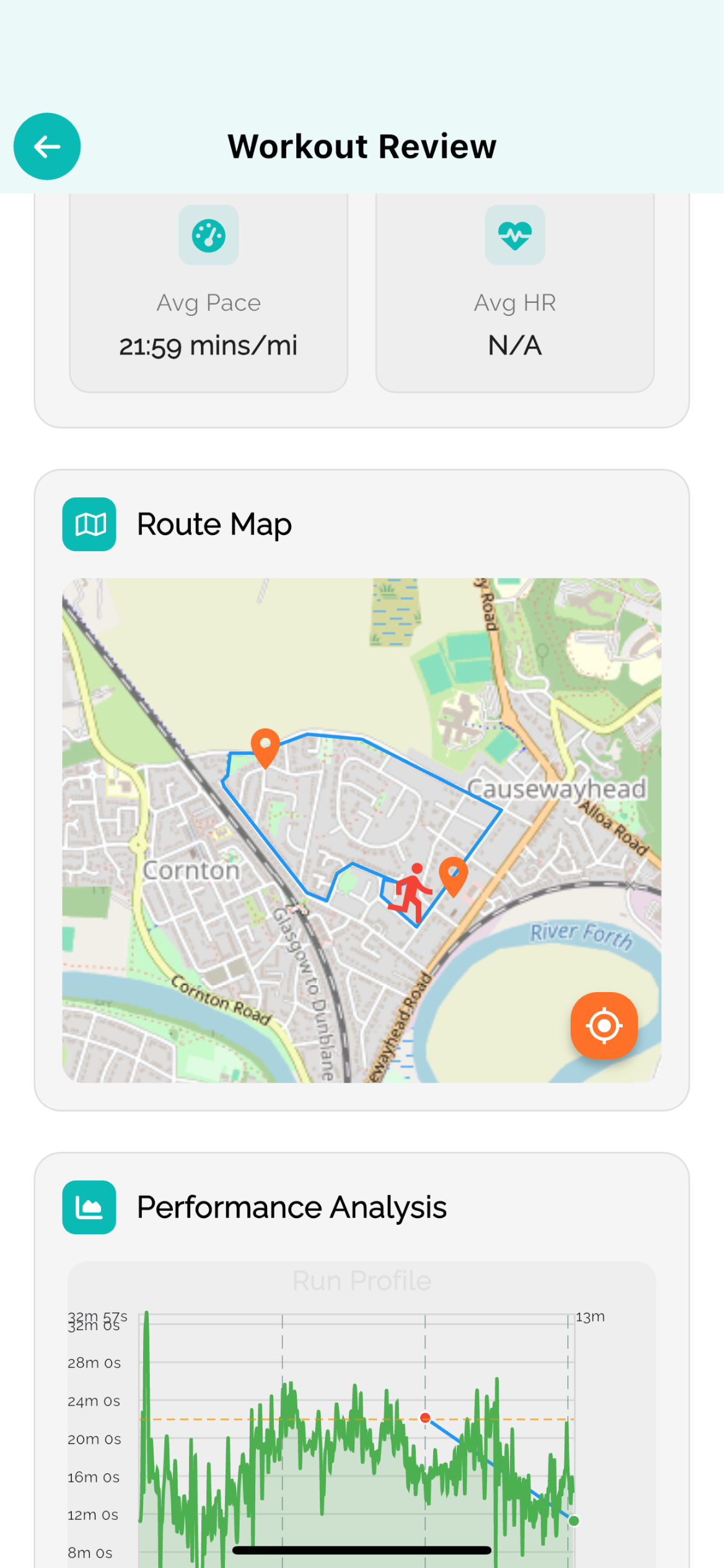
Track your actual splits, heart rate, and effort rating during each session—not just total time. RunV-style data logging lets you spot when your aerobic pace is improving or when fatigue is creeping in, allowing real-time adjustments to weekly volume or intensity. Hitting 2:15 isn't just about grinding kilometres; it's about reading your body's signals and adjusting your plan accordingly.
FAQ
- How long should I train for a 2:15 half marathon?
- Most runners need 12–16 weeks of structured training. If you're starting from a 2:30 base, 14–16 weeks is safer. Rushing the process significantly raises injury risk.
- Can I run 2:15 on lower weekly mileage?
- Not reliably. Aim for 55–70 km per week at minimum. Lower mileage often means inadequate threshold and speed work, making it hard to hold pace when tired late in the race.
- What if I miss a key workout during training?
- Don't panic. One missed session rarely derails fitness. Move it 1–2 days later or replace it with an easier version. Consistency over 12 weeks beats perfection.
Train smarter
RunV turns this thinking into your plan — adaptive coaching that rebuilds after every run.
Keep reading