Training 5 min
Double run days: when two shorter runs beat one long one

Two shorter runs on the same day can deliver equal or better training stimulus than one long run, with less injury risk and better recovery. Double run days work best during build phases, when you're managing fatigue, or fitting training around a hectic schedule.
What makes double runs effective?
Running twice in one day maintains higher overall weekly volume while distributing stress across two sessions. Each run stays shorter and fresher, so you preserve running form and keep intensity controlled. Your central nervous system also recovers between sessions, which matters more than total time spent running.
When should you try double run days?
- During peak mileage weeks, when a single 16-mile run taxes you but two 8-mile runs feel manageable
- When training for a race and you need volume without hammering yourself on one outing
- If your schedule demands it—splitting morning and evening sessions around work or family
- When recovering from injury, to build mileage gradually without single-session strain
- Before a taper, to maintain fitness with reduced intensity across multiple runs rather than one long slog
The recovery advantage
Your aerobic system adapts within 2–3 hours of finishing a run, meaning a second session later in the day targets a partially recovered system. You're also less likely to overheat, dehydrate severely, or accumulate lactate in a single location. Muscle glycogen depletes more gradually across two sessions, so you can run both on moderate fuel rather than needing a full tank for one long effort.
How to structure a double run day
The most common pattern is an easy run in the morning and a steady or moderate run in the evening, separated by 6–8 hours. This allows genuine recovery time and avoids back-to-back hard efforts. Alternatively, run an easy session first, recover fully, then do your key workout—a tempo run, intervals, or race-pace work—when you're fresher.
- Keep the first run relaxed (conversational pace) to warm up your aerobic system
- Eat and hydrate between sessions: a small snack within 30 minutes, then normal meals
- Space sessions by at least 5–6 hours to allow partial recovery
- Make the second run slightly shorter if it's harder, or equal length if both are easy
- Never do two hard sessions on the same day early in training
Pitfalls to avoid
- Running two hard sessions in one day: this stacks fatigue and increases injury risk
- Doubling up without building gradually: add one double-run day per week, not multiple straight away
- Ignoring total weekly volume: two days of doubles can push mileage up 20–30% suddenly, which is too much
- Poor pacing: treating both runs at moderate intensity when they should have clear easy–hard variation
- Inadequate sleep and nutrition: double runs demand better recovery habits, not the same ones
Who benefits most from double runs?
Experienced runners with a solid base (typically 30+ miles per week) tolerate double days better. Runners training for marathons or ultramarathons often use them to build volume without the joint stress of one very long run. Busy runners appreciate the flexibility of splitting sessions. Younger athletes and those with good recovery habits adapt quickly, whereas runners over 50 or those prone to overuse injuries should introduce them cautiously.
Tracking and adapting double-run sessions
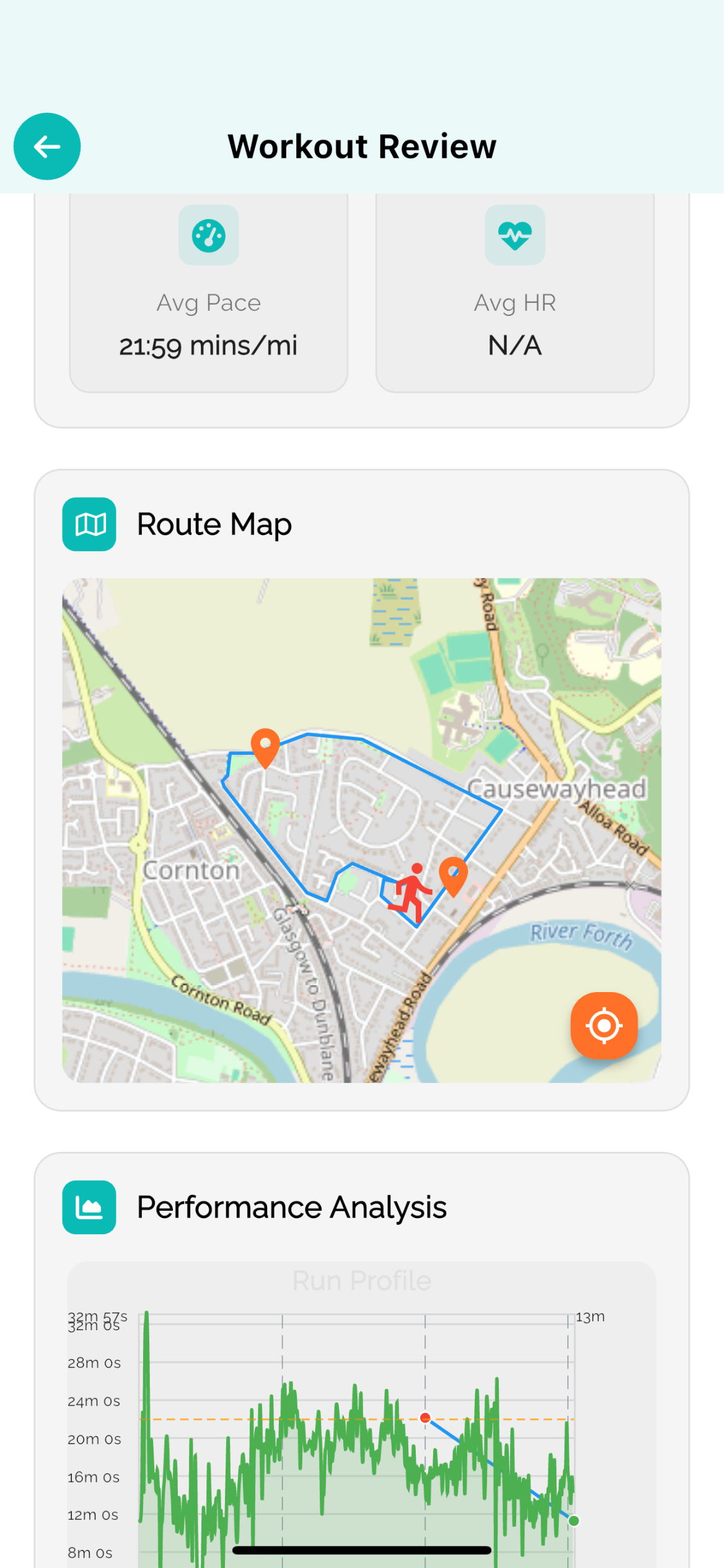
Data-driven coaching like RunV can help you spot patterns: which double-run formats leave you fresher the next day, how your pace and heart rate respond to split sessions versus single runs, and whether doubling helps or hinders your progression toward target times. By logging both sessions separately and noting recovery metrics, you'll build a personal profile of what works. Some runners thrive on doubles weekly; others do best with one every 10–14 days. Your app's analytics reveal your individual sweet spot, so you can adjust training confidently rather than guessing.
Key takeaway
Double run days are a legitimate tool, not a shortcut. When structured with clear intent—easy plus hard, or two controlled easy efforts—they deliver volume and fitness gains with less single-session strain. Start with one double per week, monitor how you feel, and let your training data guide you toward what your body actually needs.
FAQ
- Can I do two hard runs on the same day?
- No. Two hard sessions in one day creates excessive fatigue and injury risk. Stick to an easy run paired with a harder one, or two easy runs. Back-to-back tempo or interval sessions are not recommended for most runners.
- How much should I eat between runs?
- A small snack with carbs and protein—banana with peanut butter, toast with jam, or a sports bar—within 30 minutes of the first run. Drink water or dilute electrolyte drink. Avoid anything that sits heavy in your stomach if the gap is short.
- Will double runs make me faster than one long run?
- They can be equally effective and sometimes better for managing fatigue and injury risk. One long run builds a particular type of aerobic resilience; doubles build fitness with less accumulated stress. For most runners, the advantage is recovery and consistency, not pure speed gain.
Train smarter
RunV turns this thinking into your plan — adaptive coaching that rebuilds after every run.
Keep reading