Training 5 min
Free running pace calculator that gives split times

A free running pace calculator lets you enter your goal time or pace and instantly see split times for every kilometre or mile. This removes the maths mid-run and keeps you paced correctly, whether you're chasing a 5K PB or running a marathon.
What does a pace calculator do?
A pace calculator takes your target race time or current pace and breaks it into splits—the time you should hit at each checkpoint. If you're aiming for a 10K in 66:40 at 6:40 per kilometre, the calculator shows you should pass 1K in 6:40, 2K in 13:20, 3K in 20:00, and so on. This removes guesswork and helps you stay disciplined during the run.
Why split times matter in training
Running even splits is one of the most reliable ways to achieve a goal time. Runners who start too fast often fade; those who hold back waste finishing speed. Splits keep you accountable to a plan and reveal whether your aerobic fitness supports your ambition. They also make interval workouts clearer—you know exactly what pace you're aiming for on each rep.
How to use a free pace calculator
- Enter your goal race distance (5K, 10K, half-marathon, marathon)
- Input your target finishing time or your current average pace
- Choose your split interval (per km, per mile, or per lap)
- Review the splits and save or screenshot them
- Follow the splits during your run or training session
What splits tell you about your fitness
If you can hold your calculated splits comfortably, you're ready to race that time. If you can't, the gap between your goal and reality shows what fitness you still need to build. This honest feedback helps you adjust your target or step up your training intensity and volume. Splits also expose if you're stronger at certain distances—some runners hold 10K pace easily but struggle to hold half-marathon splits.
Common split-pacing mistakes
- Starting too fast and blowing up in the final third
- Ignoring terrain—the same pace feels harder on hills than flat
- Forgetting to account for race-day nerves, which can throw pacing off
- Not practising with splits in training, then struggling to execute race-day splits
- Using splits from a different distance or fitness level without adjustment
Splits and structured training
The best runners don't just calculate splits for race day—they use them in tempo runs, intervals, and long runs to build confidence and consistency. A 10K runner might do a 4 × 2K session at their target 10K splits to rehearse pacing. A marathoner practises half-marathon splits on long runs to check they can hold them when fatigued. This bridges the gap between training and racing.
Pace calculators and data-driven coaching
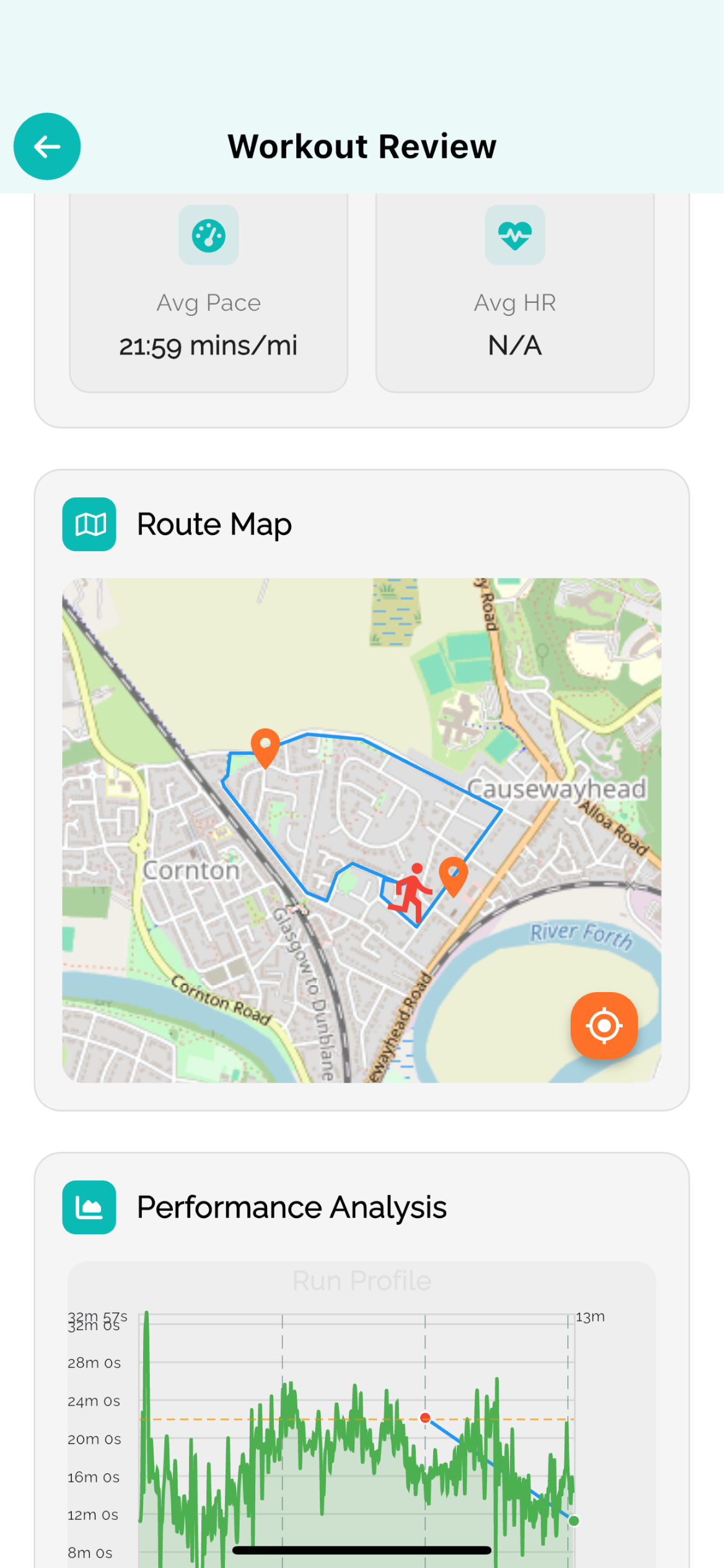
Effective running coaching combines goal-setting with evidence. A pace calculator is your starting point—it tells you the maths. But the real insight comes from tracking whether you can actually hit those splits in training, what conditions or paces suit you best, and how your splits improve week to week. Apps like RunV connect your calculator outputs with your actual performance data, letting you adjust training intensity and volume based on whether your splits are trending faster or you're fading earlier than planned. This closes the loop between ambition and reality.
Free tools vs paid calculators
Most free pace calculators—built into running apps or standalone websites—do the job well. They calculate splits quickly and don't require payment or sign-up. Paid apps add features like route mapping, weather adjustments, or AI coaching cues that tell you to speed up or hold back during a run. For the maths alone, free is fine. For habit-building and real-time guidance, integration with a coaching app adds value.
FAQ
- Can I use the same splits for road and trail running?
- No. Trail running is typically slower due to uneven ground, climbing, and technical footing. Use a pace calculator designed for trail, or expect splits to be 30–60 seconds per kilometre slower than road. Always practise splits on the actual terrain you'll race.
- Should I hit exact splits or aim for a range?
- Aim for a range of ±5–10 seconds per split. Perfect splits every kilometre are rare. The goal is even pacing, not mechanical precision. If you're consistently faster or slower, adjust your effort and learn from it.
- Do splits work for trail marathons or fell races?
- Splits work better on predictable, flat terrain. On technical trails or fells, focus on effort level and heart-rate zones instead. Climbing changes pace dramatically, so kilometre-based splits become less useful. Use time-on-effort splits or race by feel with a known pace range.
Train smarter
RunV turns this thinking into your plan — adaptive coaching that rebuilds after every run.
Keep reading