Training 6 min
Hill repeats for runners: how to structure a session

Hill repeats build leg strength, running economy and mental toughness through short, hard efforts on an incline, recovered between efforts. A well-structured session typically includes a warm-up, 4–8 repeats of 60–90 seconds at hard effort with active recovery jogs, and a cool-down. Proper pacing and recovery are essential to avoid injury and maximise adaptation.
Why hill repeats matter for runners
Hill repeats demand more from your legs and cardiovascular system than flat running at the same pace. The incline forces you to engage your glutes, quads and calves more intensely, building strength without the high impact of sprint work. They also improve your lactate threshold and teach your body to hold power when fatigued—skills that translate directly to faster running on flat ground and hills during races.
The four parts of a hill repeat session
- Warm-up: 10–15 minutes of easy running, then 3–4 short strides to prime your legs
- Repeats: the hard-effort portion, structured by distance or time
- Recovery: active jog back down the hill or gentle running forward
- Cool-down: 5–10 minutes of easy running to lower your heart rate
Choosing your hill and repeat length
Pick a hill with a gradient of 3–6%, long enough for your target repeat duration. A 60–90 second effort suits most runners and builds strength without excessive fatigue. Longer repeats (2–3 minutes) demand more glycolytic fitness; shorter ones (30–45 seconds) suit speed-focused blocks. Gradient matters: steep hills (8%+) are better for short, power-based work; gentler slopes suit slightly longer repeats and less injury risk for beginners.
Pacing and effort level
Aim for a perceived effort of 8–9 out of 10 on each repeat—roughly 5K to 10K race pace, depending on hill steepness. Don't sprint the first repeat. Build into your session, hitting your hardest effort on repeats 3–5, then hold that intensity for the remainder. If you're doing eight repeats and feeling strong, the final two should still feel controlled, not chaotic.
Recovery between repeats
Jog or walk gently back down the hill or rest for 60–90 seconds. Your heart rate should drop to around 120–130 bpm before starting the next repeat. Shorter recovery (45 seconds) builds mental resilience and teaches your aerobic system to rebound; longer recovery (2 minutes) lets you hit the next repeat with more power. Match recovery length to your goal: threshold work uses short recovery; strength-focused sessions use longer.
Session structure by training phase
- Base phase: 4–5 repeats, 90 seconds effort, 90 seconds recovery—build fitness steadily
- Build phase: 6–7 repeats, 60–90 seconds, 60 seconds recovery—increase volume and intensity together
- Peak phase: 8 repeats, 60 seconds, 60 seconds recovery—maximal stimulus in a contained format
- Recovery week: 3–4 repeats, longer recovery, easier pace—maintain adaptation without taxing your system
Frequency and progression
Run hill repeats once every 7–10 days. Your legs and nervous system need recovery to adapt and get stronger. Add one repeat every 2–3 weeks, or drop recovery time by 10–15 seconds every 2 weeks. Don't do both at once. If you're new to hill work, start with 4 repeats and build gradually over 4–6 weeks.
Tracking and adjusting your sessions
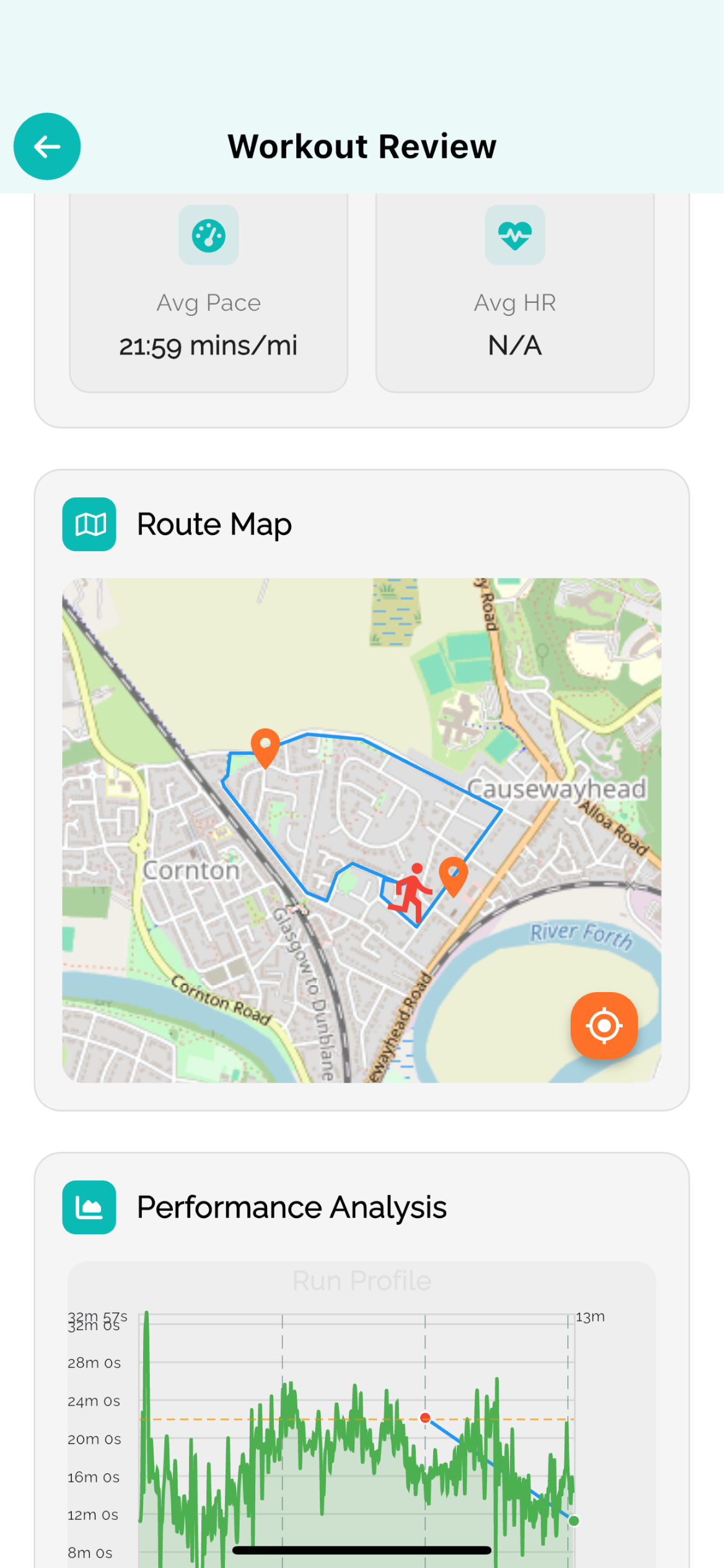
Data-driven coaching means logging not just the session but how you felt: heart rate, effort, splits and recovery quality. Over weeks, patterns emerge. If your recovery heart rate stays high or splits slow significantly by repeat 6, your fitness has improved but you need more base work. If early repeats feel easy, you're ready to add volume or intensity. Platforms like RunV help you build these insights across sessions, spotting when to progress or back off.
Common mistakes to avoid
- Starting too fast on the first repeat and fading badly by repeat 5
- Choosing a hill that's too steep, forcing poor running form and excessive lower-leg stress
- Taking insufficient recovery between repeats, blurring the stimulus into a long, slow grind
- Adding hill repeats too frequently (more than once weekly) without sufficient base running
- Neglecting the warm-up, which elevates injury risk and limits repeat quality
FAQ
- How many hill repeats should a beginner do?
- Start with 4 repeats of 60–90 seconds on a moderate hill, with 90 seconds active recovery between efforts. Build by one repeat every 2–3 weeks. Beginners should also have 3–4 weeks of consistent base running before introducing hill repeats.
- Can I do hill repeats on a treadmill?
- Yes, but it's not ideal. Set the incline to 2–3% to reduce joint stress compared to outdoor hills. Treadmill hills feel easier than outdoor ones at the same gradient due to the belt moving beneath you, so expect a slightly lower effort perception and adjust pace or incline upward accordingly.
- Should I do hill repeats before or after a key workout?
- Hill repeats are a complete workout in themselves. Don't combine them with a long run or tempo run on the same day. Pair them with an easy run the following day to aid recovery, or use them as your only hard session for that week if you're also doing track or tempo work elsewhere.
Train smarter
RunV turns this thinking into your plan — adaptive coaching that rebuilds after every run.
Keep reading