Training 6 min
Hill running: how to train on inclines

Hill running builds leg power, improves running economy and strengthens muscles that prevent injury—but only when you train smart. The key is starting conservatively, using correct form and mixing hill repeats with steady gradient work into your weekly routine.
Why train on hills?
Hills force your body to recruit more muscle fibres, particularly in the glutes, quads and calves. This translates directly to faster flat running and better injury resilience. Hill work also raises your lactate threshold and boosts cardiovascular fitness without the joint impact of speed sessions on tarmac.
Get your hill-running form right
- Lean slightly forward from the ankles, not the waist—maintain an upright posture
- Shorten your stride and increase cadence (aim for 170–180 steps per minute)
- Drive through your hips and push with your glutes rather than pulling with your quads
- Keep arms relaxed, elbows at roughly 90 degrees
- Focus on landing mid-foot, not on your heels
How to structure hill workouts
Warm up with 10 minutes of easy running on flat ground, then hit your hills. For hill repeats, run hard up a 90–120 second incline, recover by jogging or walking down, then repeat 4–8 times. For sustained hill work, run 20–40 minutes at a steady effort on a gentler slope (3–5% grade). Beginners should start with 2 hill sessions every 10 days; more experienced runners can do weekly repeats plus one longer climb.
Choosing the right gradient
A 4–6% gradient is ideal for most runners—steep enough to challenge you, not so steep that form breaks down. Avoid hills steeper than 8% until you've built foundational strength. Measure gradient using a running app or map tool before committing to a new route.
Hill repeats versus steady hill running
- Hill repeats (shorter, harder efforts) build power and speed; use them once per week in your peak training phase
- Steady hill runs (longer, moderate pace) build aerobic capacity and mental toughness; use them year-round or as a winter base-building tool
- Downhill running (controlled, easy pace) strengthens eccentric muscle action; keep it short and easy to avoid excessive soreness
Common mistakes to avoid
- Doing hill workouts too hard, too soon—start conservatively and build volume over 3–4 weeks
- Skipping the downhill; walk down slowly and focus on control rather than speed
- Neglecting flat running—hills complement speed work but don't replace it
- Changing shoes mid-training; stick with your regular trainers unless they're worn out
Progressive hill training plan
Week 1: four 2-minute hill repeats on a moderate slope, recover by walking down. Week 2: five 2-minute repeats. Week 3: six 3-minute repeats. Week 4: hold steady or reduce volume slightly to allow adaptation. Track how you feel, not just times—hill running should feel harder mentally than flat work at the same effort.
Using data to refine your hill work
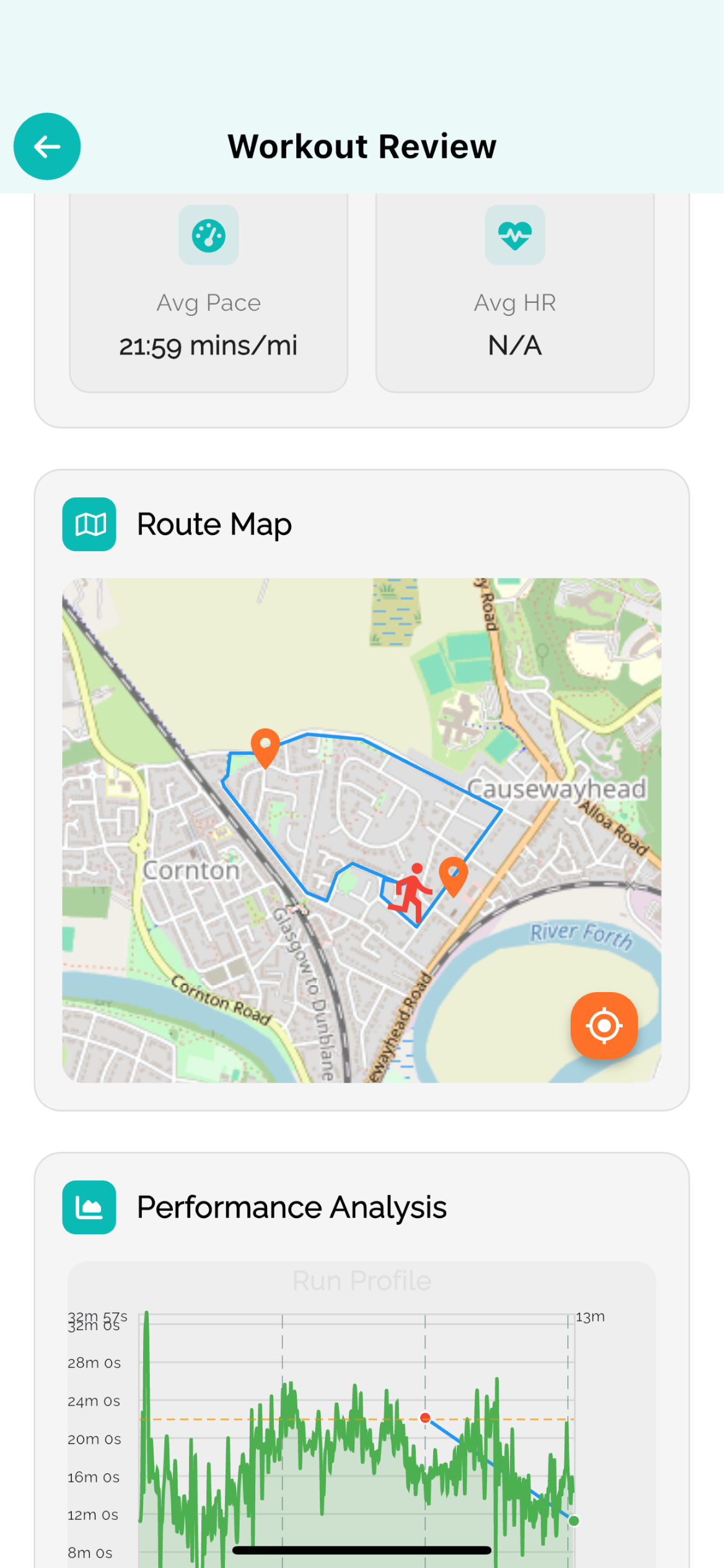
Log your hill sessions in a running app and note how power and pace relate to heart rate on different gradients. Over time, your heart rate at a given pace on hills will drop as fitness improves. RunV-style coaching uses this pattern—comparing your effort data across weeks and months—to spot when you're ready to step up volume or intensity, and when you need a recovery week. This evidence-based approach removes guesswork from progression.
When to do hill training in your schedule
Add hills during base-building (October to January) to build strength for spring racing, or in your peak phase (6–8 weeks before a goal race) to sharpen power. Avoid heavy hill work in the same week as a long run or hard speed session; allow 48 hours between sessions.
FAQ
- Can I do hills every week?
- Yes, but vary the stimulus. Do one hard hill repeat session and one steady hill run, or rotate them weekly. Beginners should start with every 10 days and progress to weekly as fitness adapts.
- Will hill running make me slower on flat ground?
- No. Hill work builds strength and power that translates directly to faster flat running. Most runners see 5–10% pace improvement on flat courses after 6–8 weeks of consistent hill training.
- How long should I rest after a hard hill session?
- Take at least one full easy day (easy pace, shorter distance, or rest) before your next hard workout. If you're sore after hill repeats, walk for a day or do easy recovery running on flat ground.
Train smarter
RunV turns this thinking into your plan — adaptive coaching that rebuilds after every run.
Keep reading