Training 5 min
How to go from walking to running

You can move from walking to running by mixing walk and run intervals over 8–12 weeks, starting with short run bursts and building duration gradually. The key is increasing running time only when your body adapts, not by pace or distance jumped all at once.
Start with a walk-run programme
A walk-run approach means you alternate between walking and running in the same session. This lets your body adapt to the impact and effort of running while giving it recovery time within the workout. Begin with a 1:3 ratio—30 seconds of easy jogging followed by 90 seconds of walking—and repeat for 20–25 minutes, two or three times per week.
Build your base before increasing running time
Your aerobic system and joints need time to strengthen. Spend the first 3–4 weeks doing walk-run sessions without changing the intervals. This establishes your fitness foundation and lets your tendons and bones adapt to the new stress. Only after this baseline period should you gradually increase the running portion.
Increase running intervals gradually
- Week 5–6: move to 45 seconds run, 75 seconds walk
- Week 7–8: try 60 seconds run, 60 seconds walk
- Week 9–10: progress to 90 seconds run, 30 seconds walk
- Week 11–12: aim for continuous 20–25 minute runs at an easy, conversational pace
Keep your running pace easy
Most new runners go too fast, which causes fatigue, injury risk, and burnout. Run at a pace where you can still hold a conversation—roughly 60–70% of your maximum effort. If you cannot talk in full sentences, slow down. Easy running builds aerobic fitness more effectively than hard running does, especially early on.
Stick to three sessions per week
Consistency beats intensity. Three walk-run sessions per week with at least one rest day between them gives your body time to recover and adapt. Running more often before you are ready increases injury risk without adding benefit. Add a steady walk on one of your off days if you want extra activity.
Listen to your body and adjust
- Mild muscle soreness is normal; sharp or localised pain is not—stop and rest
- If a session feels unusually hard, extend it by a week before progressing
- Illness, stress, or poor sleep means your body needs recovery; take an extra rest day
- Small tweaks to your programme now prevent larger setbacks later
Common mistakes to avoid
- Running too fast from the start—this is the biggest reason new runners plateau or get injured
- Jumping straight to continuous running—the walk-run bridge is essential for adaptation
- Increasing distance and intervals in the same week—change one variable at a time
- Skipping rest days—recovery is when your fitness actually improves
Using data and feedback to track progress
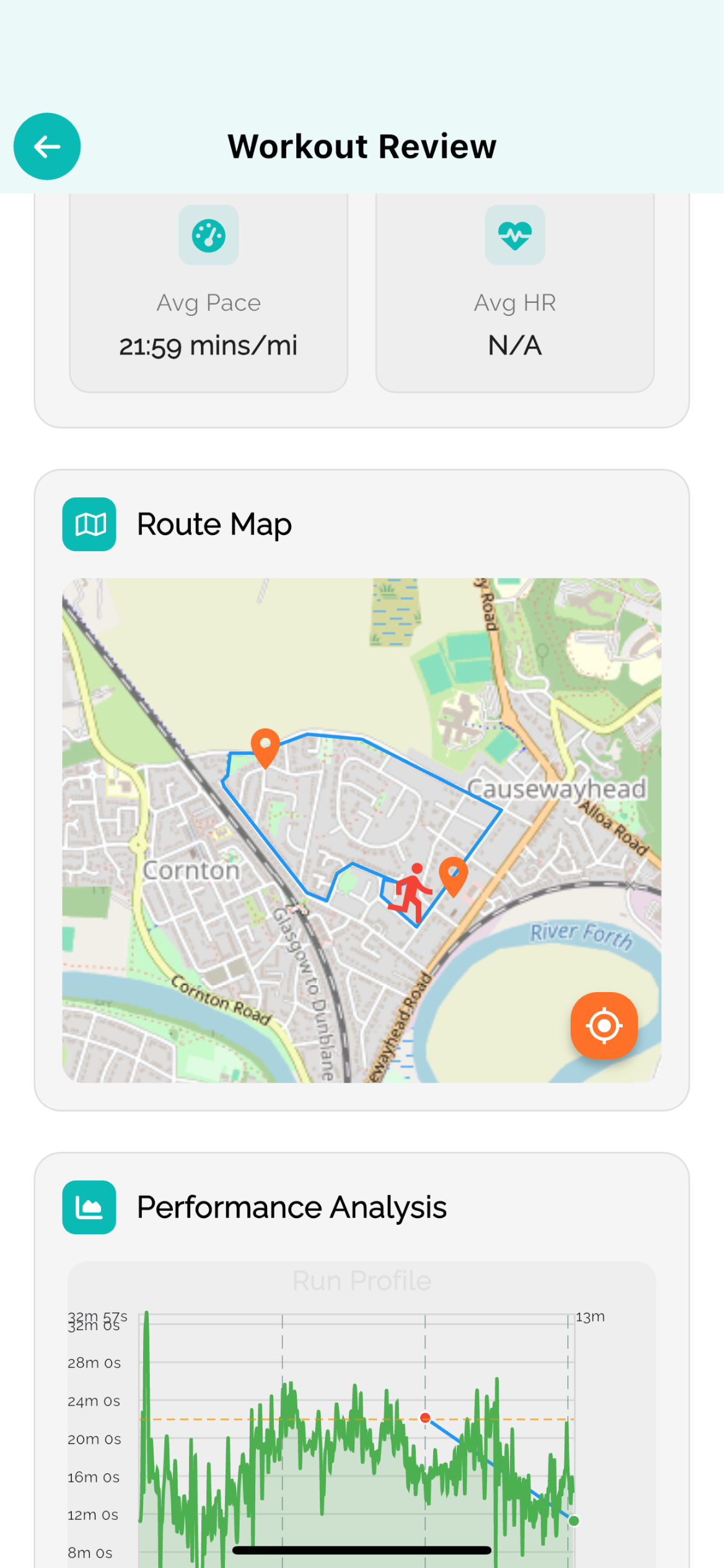
An app like RunV lets you log each session, monitor how effort feels at different paces, and see patterns over weeks. By recording whether you felt strong, tired, or sore after each workout, you build awareness of what works for your body. This feedback loop—adjusting based on real data, not guesswork—is what separates programmes that work from those that don't. Track your progression intervals, note any discomfort, and adjust the pace of your plan accordingly.
What comes after week 12?
Once you can run for 25–30 minutes continuously at an easy pace, you have built the foundation. From there, you can add a second easy run, introduce one slightly faster session per week, or begin building distance. But do not rush. Spend at least 4–6 weeks consolidating your continuous running fitness before you add complexity.
FAQ
- How long does it take to go from walking to running?
- Most people need 8–12 weeks to progress from walk-run intervals to 25–30 minutes of continuous running. This assumes three sessions per week and no setbacks. Going slower is fine; going faster increases injury risk.
- Can I run every day as a beginner?
- No. Beginners need recovery time for tendons, ligaments, and bones to adapt. Three sessions per week with rest days in between is the safe standard. Once you have built a base over several months, you can gradually add more sessions.
- What if running still feels hard after eight weeks?
- Stay at your current level for another 2–4 weeks. Some people need longer to adapt. There is no shame in a slower progression. Consistency matters far more than speed of advancement.
Train smarter
RunV turns this thinking into your plan — adaptive coaching that rebuilds after every run.
Keep reading