Training 5 min
How to run in the heat safely

Running safely in heat means slowing your pace by 20–30 seconds per kilometre, drinking 150–250ml of fluid every 15–20 minutes, and starting early or late to avoid peak sun. Heat stress raises core temperature and cardiovascular strain, so adaptation takes 10–14 days and demands deliberate adjustments to effort, clothing and recovery.
Why heat makes running harder
Heat increases your core body temperature and forces your cardiovascular system to work harder. Blood diverts to the skin for cooling, leaving less oxygen for muscles. Sweat losses degrade electrolyte balance and plasma volume, reducing aerobic capacity. Even modest temperature spikes (above 20°C) slow pace and increase perceived effort—and this effect compounds with humidity.
Adjust your pace and effort
Slowing down in heat is not weakness; it's physiology. A run that feels moderate in cool conditions will feel hard in heat at the same pace. Aim to reduce speed by 20–30 seconds per kilometre, or drop your target heart rate by 5–10 bpm. Use effort cues (breathing, conversation) rather than pace targets until you acclimatise.
- Run by effort, not pace, in the first week of heat exposure
- Reduce weekly mileage by 10–15% during heat waves
- Save threshold and interval work for cooler months or early morning
Hydration and electrolytes
Dehydration impairs cooling and increases core temperature. Drink 150–250ml of fluid every 15–20 minutes on runs longer than 45 minutes. Water alone is adequate for efforts under an hour; add carbohydrate and sodium (sports drink, electrolyte tablet) for longer efforts to maintain blood glucose and plasma osmolarity.
- Start hydrated: drink 300–400ml of fluid 2–3 hours before running
- Carry a small bottle or use belt if running over 90 minutes
- Drink to thirst after finishing; rehydrate with sodium-containing fluid over the next 4–6 hours
Timing, clothing and environment
Running early morning (before 9am) or late evening (after 7pm) avoids peak solar radiation and lower humidity. Wear light-coloured, moisture-wicking kit with minimal coverage. Seek shade where possible. Avoid midday runs, especially on humid days, until you are fully acclimatised.
Heat acclimatisation takes time
Your body adapts to heat over 10–14 days of consistent, graduated exposure. Plasma volume increases, sweating becomes more efficient, and core temperature rises less. Start with short, easy runs in warmth, then gradually extend duration and intensity. Don't force hard efforts in heat before this window closes.
Recovery and monitoring
Hot running drains energy reserves and immune reserves faster. Sleep may suffer due to elevated core temperature. Prioritise sleep in a cool room, reduce training load slightly, and monitor resting heart rate—a rise of 5+ bpm above baseline signals under-recovery or inadequate acclimatisation.
How RunV helps in hot weather
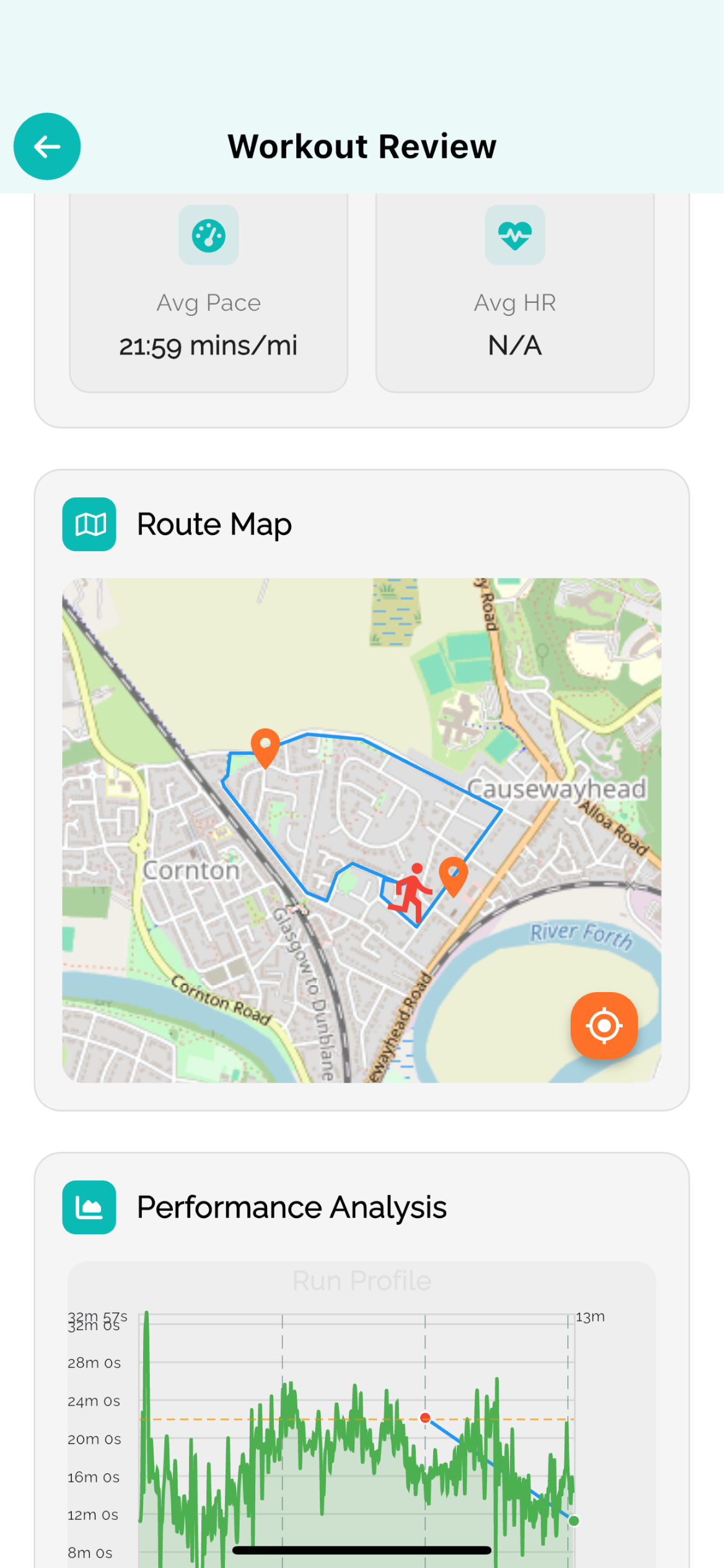
Data-driven coaching platforms like RunV adjust training recommendations based on real-time conditions, fatigue markers and heart-rate drift. Logging outdoor temperature and humidity—alongside perceived effort and recovery metrics—helps identify your personal heat tolerance and optimal timing. Over time, your training app learns which sessions suit warm conditions and alerts you to dial back intensity before overreaching becomes a risk.
FAQ
- Can I run in 30°C+ heat safely?
- Yes, but only after 10–14 days of gradual acclimatisation, with significantly reduced pace (25–30 seconds/km slower), frequent hydration every 15 minutes, and early-morning or late-evening timing. Avoid peak sun and high humidity. If you feel dizzy, nauseous or stop sweating, stop immediately and cool down in shade with fluids.
- Do I need sports drinks in the heat?
- Water is sufficient for easy runs under 45 minutes. For runs 45–90 minutes, add a carbohydrate drink (6–8% solution) to maintain blood glucose. For efforts over 90 minutes, include sodium (300–600mg per hour) to preserve plasma osmolarity and thirst drive. Salt tablets or electrolyte powders are practical alternatives.
- How much slower should I run in heat?
- Slow by 20–30 seconds per kilometre as a starting point, or drop your target heart rate by 5–10 bpm. Use perceived effort and breathing cues rather than pace. After 10–14 days of acclimatisation, you'll recover some speed naturally—but expect a permanent 10–15 second/km penalty on very hot, humid days compared to cool conditions.
Train smarter
RunV turns this thinking into your plan — adaptive coaching that rebuilds after every run.
Keep reading