Coaching 5 min
How to stay motivated to run through winter

Winter motivation drops because cold, dark mornings feel hostile to habit, but consistency depends on shifting your mindset and removing friction. By anchoring yourself to purpose beyond pace, mixing indoor and outdoor running, and tracking small wins, you'll stay engaged when conditions are toughest.
Why winter kills running motivation
Temperature, darkness and wet conditions aren't just uncomfortable—they're genuine barriers to habit. Your brain protects you from discomfort, so winter doesn't just make running harder; it rewires your default response to "skip today". The key is separating real obstacles (weather, daylight) from mental ones (fear, apathy) and building systems that work with, not against, seasonal change.
Reframe winter as a training advantage
Most runners reduce volume or stop entirely in winter, which means consistency alone becomes your competitive edge. Running in cold conditions builds mental toughness, increases calorie burn, and forces you to dial in pacing rather than chasing ego times. Winter running isn't punishment; it's controlled adaptation that translates to stronger spring racing.
Set winter-specific goals
Generic annual goals collapse under winter pressure. Instead, commit to season-specific targets: streak length, total monthly volume, a winter 5K PB, or simply averaging three runs per week. These feel achievable and give your brain a reason to get out the door when comfort suggests staying in.
- Aim for consistency (three runs weekly) rather than speed
- Track a winter streak: consecutive weeks of hitting your minimum
- Target a winter-specific race or time trial
- Set a total weekly volume goal and adjust pace around it
Build a winter kit that actually works
Poor kit creates genuine suffering; good kit removes excuses. Invest in moisture-wicking layers, a windproof shell, reflective accessories, and gloves. Test gear in shorter runs before committing to long ones. When you're warm and visible, dark mornings feel less hostile and your brain stops manufacturing reasons to quit.
Mix indoor and outdoor running
Treadmill running isn't defeat—it's a tool that preserves habit on the worst days. A mixed approach keeps variety high, reduces injury risk from repetitive outdoor surfaces, and ensures you hit volume targets when weather makes outdoors genuinely risky. Alternate sessions: one outdoor run for strength, one treadmill run for consistency, one mixed or flexible.
Use group runs and accountability
Motivation is social. Finding a running club, joining an online community, or even promising a friend you'll be there removes the daily negotiation with yourself. You'll run in conditions you'd skip alone, and the social structure carries you through motivational dips.
Track progress to feel momentum
Winter makes distance progress invisible—cold feels slow, dark feels empty, and motivation hides. Logging runs in an app or spreadsheet creates visible data that proves you're getting stronger. Reviewing monthly volume or streak length reminds your brain that consistency matters more than any single session.
Smart tracking accelerates winter adaptation
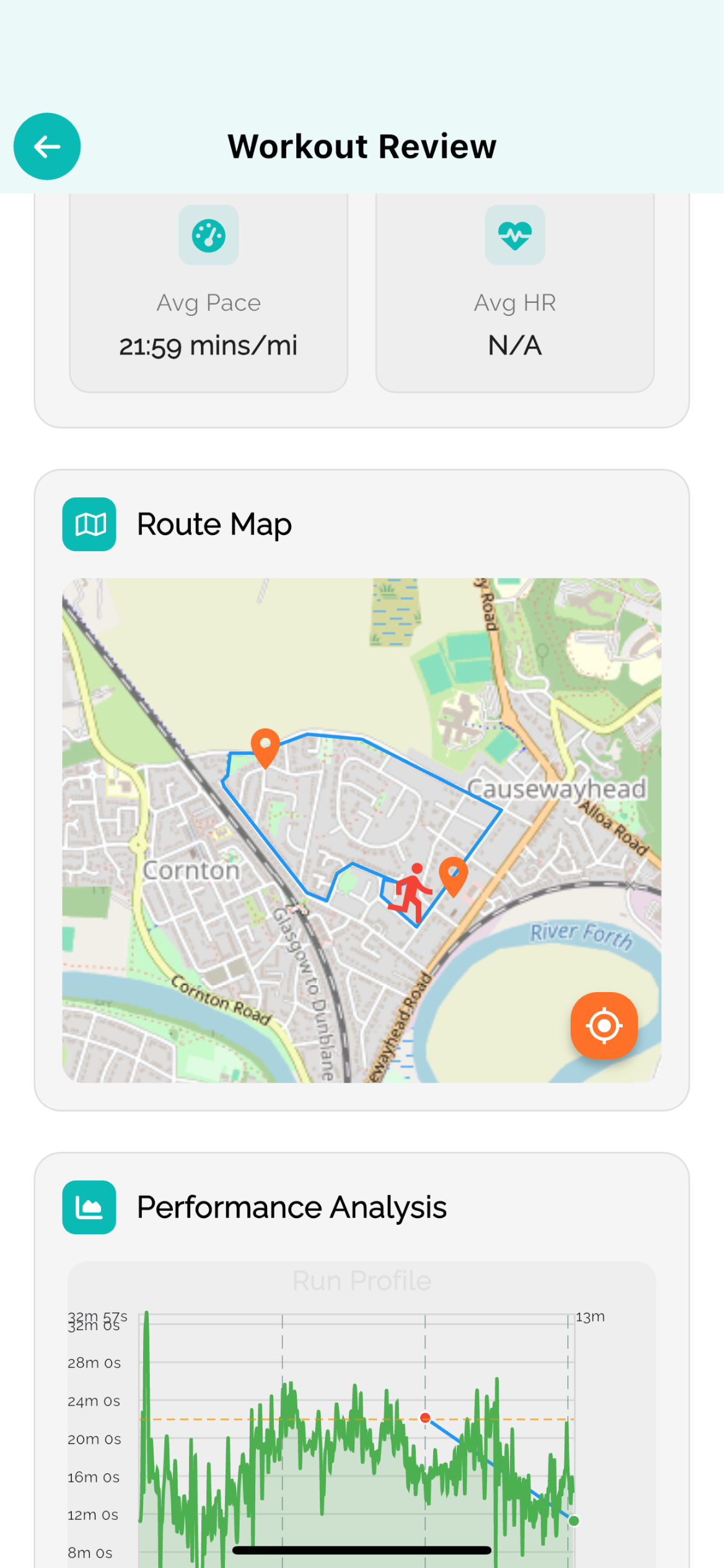
Adaptive coaching apps like RunV use your winter data to adjust weekly targets, detect fatigue early, and suggest realistic paces so you run by feel rather than ego. Data-driven feedback removes guesswork from motivation: instead of wondering if you're "doing enough", you see structured evidence that your effort is building fitness. This shifts winter running from willpower to clarity.
FAQ
- Should I run outside in winter or use a treadmill?
- Both. Outdoor running builds mental toughness and works stabiliser muscles, but treadmills preserve consistency when conditions are genuinely dangerous (ice, extreme cold, poor visibility). Alternate sessions to stay balanced and reduce injury risk.
- How do I stop skipping runs when it's dark and cold?
- Remove decision-making by committing to specific days (Monday, Wednesday, Friday), lay out kit the night before, and set a non-negotiable start time. Habit beats motivation; once you've run three times in a row, the friction drops sharply.
- What should I eat or drink before a winter run?
- Eat familiar carbs and protein 1–2 hours before running (toast and peanut butter, porridge, banana). Stay hydrated even in cold: thirst fades in winter, but dehydration still harms performance. Avoid heavy foods that slow digestion in the cold.
Train smarter
RunV turns this thinking into your plan — adaptive coaching that rebuilds after every run.
Keep reading