Racing 7 min
How to train for Berlin Marathon as a first-timer

Berlin Marathon demands a structured 16-week training plan, disciplined long-run progression, and a realistic race-day pace based on your fitness—not ambition. First-timers who treat it as a learning experience and back off the pressure tend to finish strongest and enjoy the flat, fast course.
Start with a 16-week build from a solid base
Berlin's flat terrain and September timing make it tempting to rush prep, but you need 16 weeks of structured training. Begin when you're comfortably running 30–40 km per week, ideally with 5–8 km easy runs and at least one longer run under your belt. The race falls after summer heat, so plan your training block from mid-May onwards if aiming for September.
Build long runs gradually without jumping mileage
Long runs are the spine of marathon training. Start at 16 km and add 1.5–2 km every 1–2 weeks, peaking at 32–35 km about 3 weeks before race day. Do three long runs at marathon pace or slightly slower per block of 4 weeks. The final long run should feel controlled, not heroic—you're teaching your body to run strong at the finish, not destroying yourself now.
- Week 1–4: Long runs 16–19 km at easy to steady pace
- Week 5–8: Long runs 20–24 km, include one at goal marathon pace
- Week 9–12: Long runs 25–29 km, practise fuelling and hydration
- Week 13–15: Long runs 30–35 km, taper begins week 16
Run your easy weeks easy and your hard weeks with purpose
Two hard sessions per week is the sweet spot: one tempo or threshold run (30–40 minutes at comfortably hard pace) and one interval session (6–8 × 800 m or 4–5 × 2 km). Fill the rest with easy runs at conversational pace. Berlin's flat profile means speed work transfers directly to race day, but overdo it and you'll accumulate fatigue that leaves you broken at 35 km.
Dial in your goal pace early
Work backwards from recent half-marathon or 10 km times using a pace calculator, or run a time trial 8 weeks out. Your goal marathon pace should feel sustainable in training—if you can't hold it for 2–3 hours in a long run, it's too fast. First-timers often run the first half 20–30 seconds per kilometre faster than intended; stick to a conservative opening 5 km and trust the flat course to reward patience.
Master fuelling and hydration during training
Test every nutrition product on long runs. Berlin provides water and isotonic drink every 2.5 km, so drink 150–250 ml every 15–20 minutes and take on 30–60 g carbohydrate per hour (gels, sports drinks, or bars). Practise your race-day breakfast during a long run—porridge, banana, or white toast with jam work well. Carry a spare gel in case you hit a wall; many first-timers underestimate how much fuel their body needs.
Taper hard but don't stop running
In week 16, cut total volume by 40–50% but maintain intensity: run 4–5 short runs and one 12–16 km run at easy pace. Do 4–5 × 3 minutes at marathon pace in the final week to keep your legs sharp. Stop running 48 hours before the race and sleep well the two nights before—Berlin starts early and adrenaline will fill any fitness gaps.
Race day: start conservatively and trust your training
The crowd energy in Berlin is electric; it will pull you faster than planned in the first 10 km. Lock into your pre-planned pace and ignore faster runners. Miles 32–38 are brutal for first-timers; you've banked the training, so lean on it and run the final 4 km by feel. Finish strong, celebrate—Berlin's flat, iconic course rewards patience and discipline.
Use data-driven feedback to refine your training
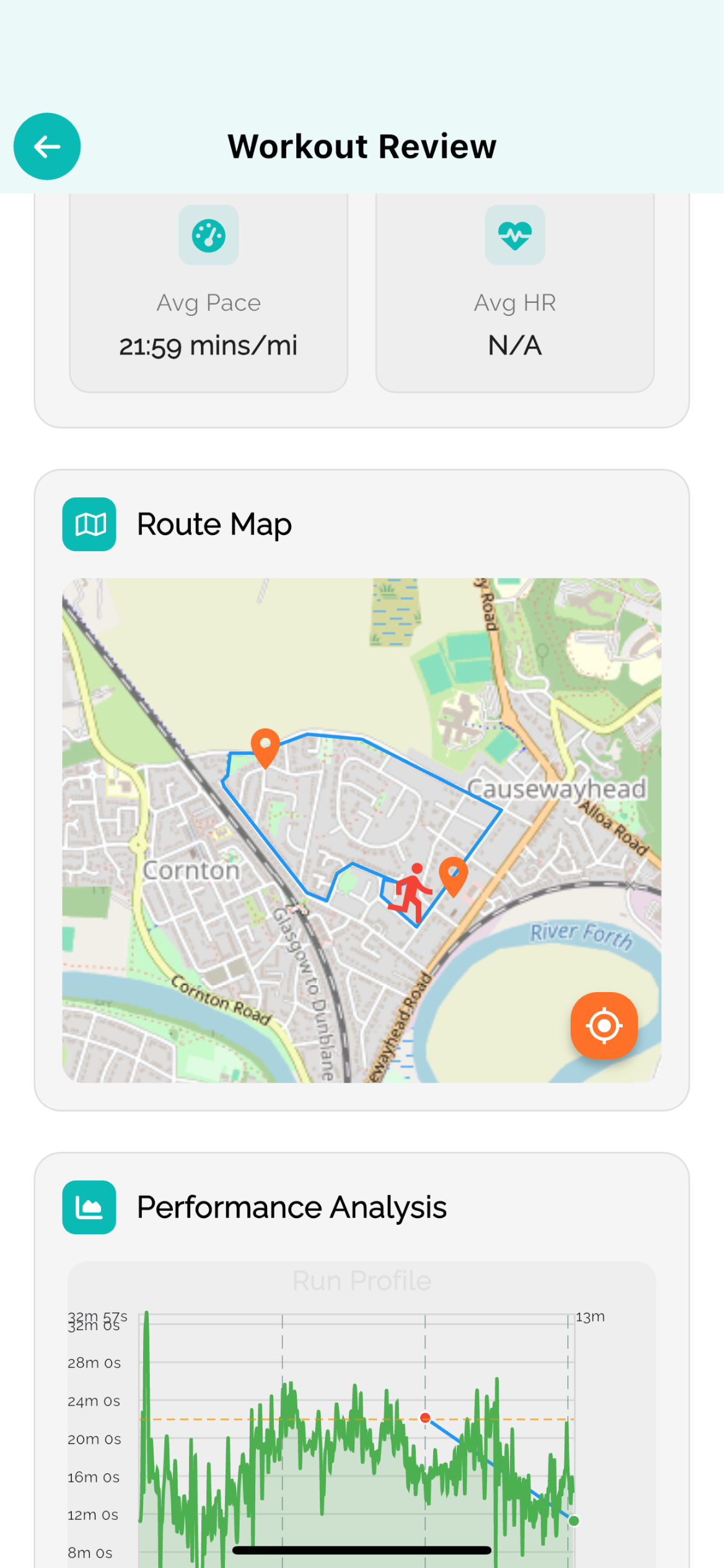
Track your long runs and key workouts through a running app or coach. Patterns in your pace, heart rate, and effort reveal whether you're building fitness or carrying fatigue. A good coaching platform adapts your plan if you miss a session or feel flat, shifting the peak or adding recovery days without derailing your race prep. Data isn't about hitting perfect numbers—it's about listening to your body and making informed adjustments before Berlin day.
FAQ
- How many weeks should I train for Berlin Marathon as a first-timer?
- 16 weeks is optimal. This allows 4 weeks of base building, 8–10 weeks of hard work (building long runs and speed), and 2–3 weeks of taper. Fewer than 14 weeks increases injury risk; more than 18 weeks can leave you flat at the start line.
- What's a realistic time goal for my first Berlin Marathon?
- Work from a recent half-marathon time: multiply it by 2.1 and add 5–10 minutes. If flat terrain suits you and training goes well, shave off time. But first-timers should prioritize finishing strong over chasing a number. The experience matters more than the clock.
- Can I run Berlin if I've only done one or two long runs above 25 km?
- Not safely. You need at least three long runs at or above 30 km to build the aerobic capacity and mental resilience for 42.2 km. Skipping this risks hitting the wall hard and a miserable final kilometres. Delay your race or shorten your goal race to a half-marathon if time is tight.
Train smarter
RunV turns this thinking into your plan — adaptive coaching that rebuilds after every run.
Keep reading