Coaching 5 min
Paid running apps: benefits for busy schedules

Paid running apps cut through the noise by delivering structured training plans, automated coaching cues and real-time feedback—all personalised to your limited free time. For busy runners, this means less planning overhead and more efficient sessions that fit your schedule, not the other way around.
Why paid apps work better for time-pressed runners
Free apps often demand manual plan creation, log-keeping and interpretation of your own data. Paid platforms automate this workflow. You get pre-built training blocks matched to your race goal and weekly time budget, instant form feedback and adaptive recovery prompts—all without you having to think through the logistics.
Structured training plans save planning time
A quality paid app provides ready-to-run weekly schedules built for specific durations and fitness levels. You don't waste evenings researching session types or second-guessing pacing. The app tells you what to do, when and at what intensity. This is essential when you have 30 minutes to train before work or a quick lunchtime run.
- Pre-built blocks for 5K, 10K, half-marathon and marathon goals
- Flexible session templates you can reschedule within the week
- Rest day recommendations based on your load and recovery markers
Real-time coaching cues keep you accountable
During a run, paid apps deliver live pace alerts, cadence reminders and effort-zone guidance. This means you don't have to memorise target splits or guess whether you're hitting the right intensity. Accountability happens in the moment, which is especially valuable when motivation is thin on a busy Tuesday evening.
Data integration reduces manual logging
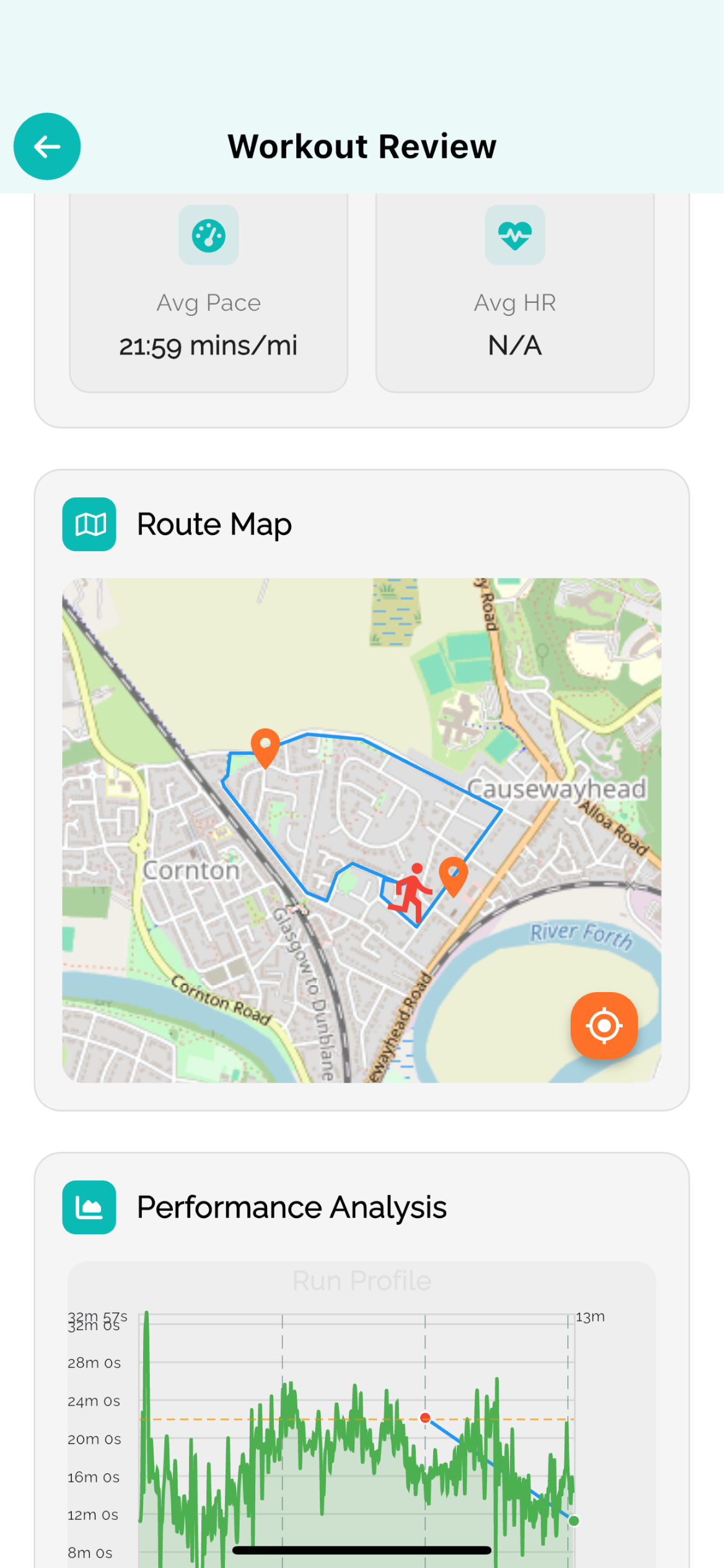
Premium apps sync with wearables and automatically pull heart rate, GPS and recovery metrics. You're not typing workout details post-run. The data flows in, the app analyses it, and coaching adjustments happen without your input. For a runner squeezing training into a packed week, this saved admin time compounds quickly.
Adaptive plans adjust to your actual schedule
Life happens. A paid coaching app responds to missed sessions, illness or unexpected busy weeks by reshuffling your plan rather than derailing it. Some platforms use machine learning to forecast your readiness and suggest which session to prioritise if you can only fit one run in. This flexibility is a game-changer for consistency.
- Automatic plan rescheduling if you skip or postpone a session
- Readiness scores that highlight your best training window each day
- Recovery-focused suggestions when fatigue is detected
Analytics reveal efficiency gains over time
Paid platforms track your progress across dozens of metrics: pacing trends, injury risk markers, aerobic development and race-specific readiness. You see concrete proof that shorter, smarter sessions are working—often more effectively than longer unstructured runs. This data-driven feedback reinforces the value of structured training when time is scarce.
How RunV-style adaptive coaching fits busy life
The best paid apps—like RunV—combine structured coaching with real-time data analysis to adapt plans to your actual capacity each week. Rather than forcing a fixed schedule, adaptive platforms learn your patterns, detect fatigue early and redistribute load intelligently. For busy runners, this means you get personalised, intelligent coaching that works *with* your life, not against it. You trust the plan because it's built on your data and your constraints.
Is a paid app worth the cost for busy runners?
If you train 3–6 times per week and have limited planning time, a quality paid app typically costs £5–15 per month. Compared to the time you save (and the race performance you gain through better-structured training), the return is strong. You're paying for intelligence and personalisation, not just data storage.
FAQ
- Can I use a paid app with just 3 runs per week?
- Yes. Paid apps scale down effectively for lower volume. You'll get 3-session weekly blocks designed for your goal distance, with intensity distributed to maximise limited time. Consistency and smart pacing matter more than volume for busy runners.
- Do I need a smartwatch to benefit from a paid running app?
- No, but it helps. A phone with GPS is sufficient; the app will coach you on pace and effort. A wearable adds sleep, heart-rate variability and recovery data that trigger smarter plan adjustments. It's a nice-to-have, not essential.
- How quickly will a paid app show results?
- Most runners see pacing consistency within 2–3 weeks and measurable fitness gains within 4–6 weeks, depending on your starting point and training volume. The biggest win is reliability: you'll complete more sessions as planned because the app removes decision-making friction.
Train smarter
RunV turns this thinking into your plan — adaptive coaching that rebuilds after every run.
Keep reading