Training 5 min
Progression runs: finishing faster than you started

A progression run is a training session where you start at an easy pace and finish faster, gradually lifting your effort throughout the distance. They build aerobic strength, teach pace control, and toughen your mind when fatigue sets in.
What is a progression run?
A progression run starts steady and accelerates as you go. You might begin at easy conversational pace for the first third, lift to tempo effort in the middle third, then finish strong at a harder sustainable pace—all in one continuous run. The key is a smooth, controlled acceleration rather than sudden spikes.
Why progression runs work
- Teaches your body to run faster when fatigued, mimicking race conditions
- Improves lactate clearance and aerobic efficiency without hard intervals
- Builds mental resilience by demanding effort when tired
- Allows for flexibility—you adjust pace on feel rather than strict split targets
- Reduces injury risk compared to sustained tempo or VO₂ max work
How to structure a progression run
Start with a 10–15 minute easy warm-up, then begin your main effort. Divide the remaining distance or time into three equal sections. Increase pace slightly in section two, then more noticeably in section three. Finish with 5–10 minutes easy to cool down.
- Warm up easy for 10–15 minutes
- Run section one at easy pace (conversational effort)
- Lift to steady or threshold effort in section two
- Finish section three at comfortably hard to hard effort
- Cool down easy for 5–10 minutes
Pacing guidelines
Beginners should keep the gap between first and final pace modest—perhaps 30–45 seconds per kilometre slower at the start. Experienced runners can use larger jumps. A simple rule: your final pace should feel controlled and sustainable, not an all-out sprint. You should finish breathing hard but able to hold that pace for another minute or two.
When to run progression workouts
Once per week works well for most runners. Place them on days after easy recovery, not back-to-back with hard sessions. They fit well mid-week or as a Saturday long run component. Avoid them during peak intensity phases when you're doing hard intervals or race-specific work most days.
Common mistakes to avoid
- Starting too fast—your easy pace should feel genuinely relaxed
- Ramping pace in jerky steps instead of smooth, gradual increases
- Misjudging final pace and kicking too hard at the very end
- Running progression efforts too often, increasing injury risk
- Ignoring how you feel—if legs are heavy, shorten the final section
Progression runs and adaptive coaching
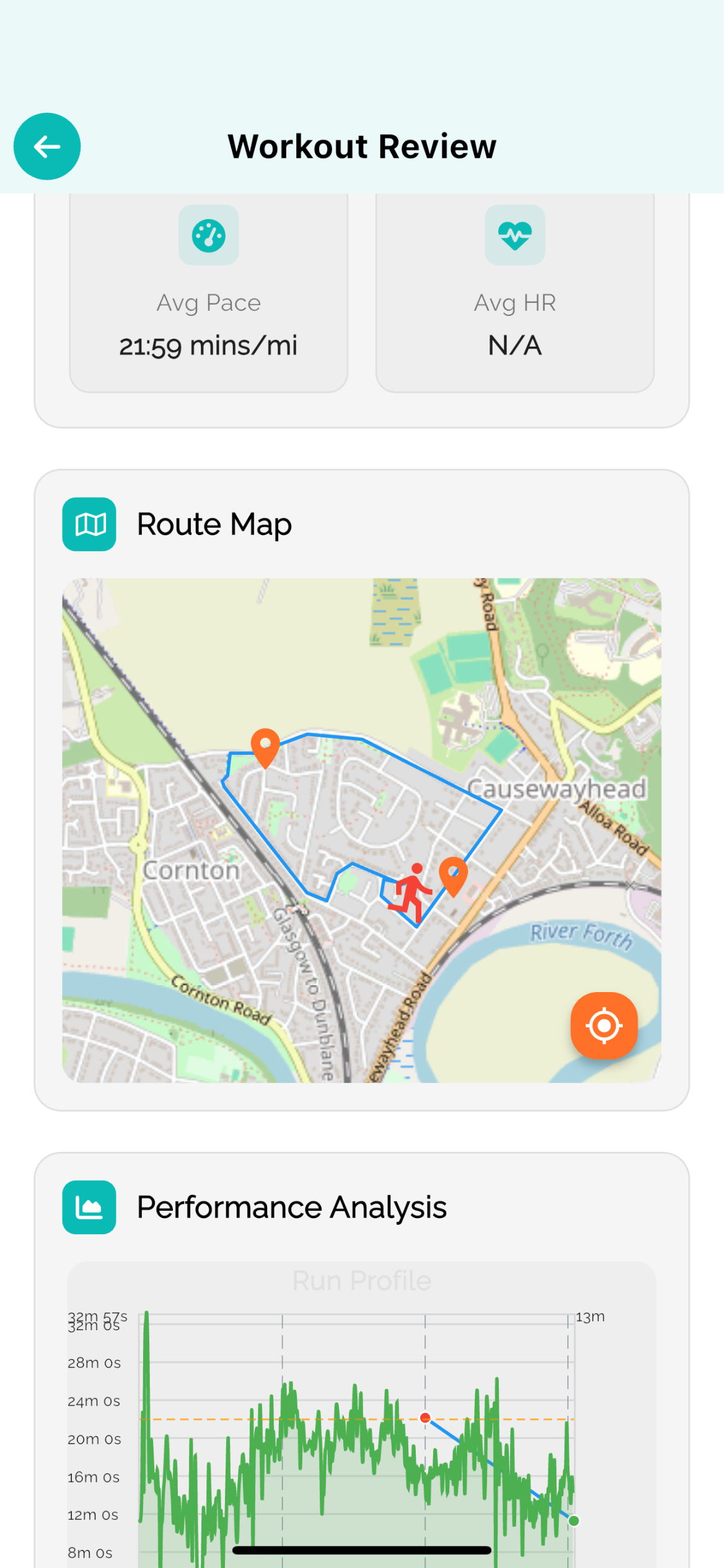
Progression runs work best when you track how your body responds: how your pace felt, heart rate or effort zones you hit, and recovery quality afterwards. Apps that log these details help you refine pacing for your next attempt and spot patterns—whether you recover quickly or need more rest. This data-driven approach reveals whether progression work is lifting your aerobic ceiling or simply tiring you out, letting you adjust volume and intensity to match your individual response.
Sample progression run session
A 10 km progression run for a runner with a 5K PB around 22 minutes might look like this: 2 km easy at 5:50/km, 3 km at 5:20/km, 3 km at 4:50/km, 2 km cool-down easy. Times vary widely—adjust to your current fitness and the session goal.
FAQ
- How fast should the final section feel?
- The final section should feel comfortably hard or hard—roughly tempo or threshold effort. You're working, but not sprinting. If you finish completely breathless or unable to repeat that pace, you likely pushed too hard.
- Can I use progression runs as my long run?
- Yes. A long run with a progression element—easy for the first half, then gradually lifting pace—is common and effective. Keep the total distance within your normal long-run range and the final effort controlled, not maximal.
- How often should I do progression runs?
- Once per week is typical and sustainable for most runners. Too frequent, and they become hard workouts that delay recovery; too rare, and they don't provide enough stimulus. Adjust based on your total training volume and how you recover.
Train smarter
RunV turns this thinking into your plan — adaptive coaching that rebuilds after every run.
Keep reading