Training 5 min
Fartlek training: unstructured speed work that actually works

Fartlek training is unstructured speed work where you alternate between fast and slow running based on feel, and it works because it builds aerobic capacity and leg speed without the mental rigidity of formal intervals. Unlike track workouts with strict paces, fartlek keeps your running adaptive and enjoyable—and research confirms runners who mix structured and unstructured sessions improve faster.
What is fartlek training?
Fartlek is Swedish for 'speed play'. It's a middle ground between steady running and formal interval training. You pick landmarks—a lamppost, a hill, a tree—then surge hard for that distance, recover at easy pace, and repeat. No stopwatch required. No prescribed paces. Just you, your breathing, and the road.
Why does unstructured speed work actually improve your fitness?
Fartlek forces your body to adapt to variable intensity. Your aerobic system learns to respond to sudden demands. Your leg muscles engage different energy systems in a single run. You also avoid the monotony of repetitive intervals, which means you stay mentally fresh and more likely to stick with training over months and years.
Key benefits of fartlek training
- Builds VO₂ max through natural, varied intensity
- Reduces injury risk because effort is self-regulated and flexible
- Improves mental toughness—you decide when to push based on feel
- Works on any terrain: road, trail, track, or park
- Easy to fit into regular runs without extra planning
- Keeps running enjoyable and playful
How to structure a fartlek session
Start with a 10–15 minute easy warm-up. Then pick your play pattern: for example, hard effort for 2–3 minutes, recover for 2–3 minutes, repeat 6–8 times. Or use landmarks: sprint to the next lamppost, jog to the corner, pick up again. Finish with 5–10 minutes easy. Keep the hard efforts at around 80–90% of max effort—hard but not all-out.
Common fartlek patterns for different runners
- Beginner: 1 min hard / 2 min easy, repeat 5–6 times
- Intermediate: 2–3 min hard / 2 min easy, repeat 5–7 times
- Advanced: 3–5 min hard / 2–3 min easy, repeat 5–8 times
- Hill fartlek: surge up short hills, recover on flat or downhill sections
- Long run fartlek: short 30–60 second bursts sprinkled through an easy long run
Fartlek versus structured interval training
Interval training (e.g. 6 × 800m at 5K pace) gives precise control and measurable progress. Fartlek gives freedom and adaptability. The best runners use both: fartlek sessions when they need flexibility or mental relief, intervals when targeting specific race paces. Mixing them prevents burnout and keeps your aerobic system responding to varied demands.
How tracking fartlek helps you improve faster
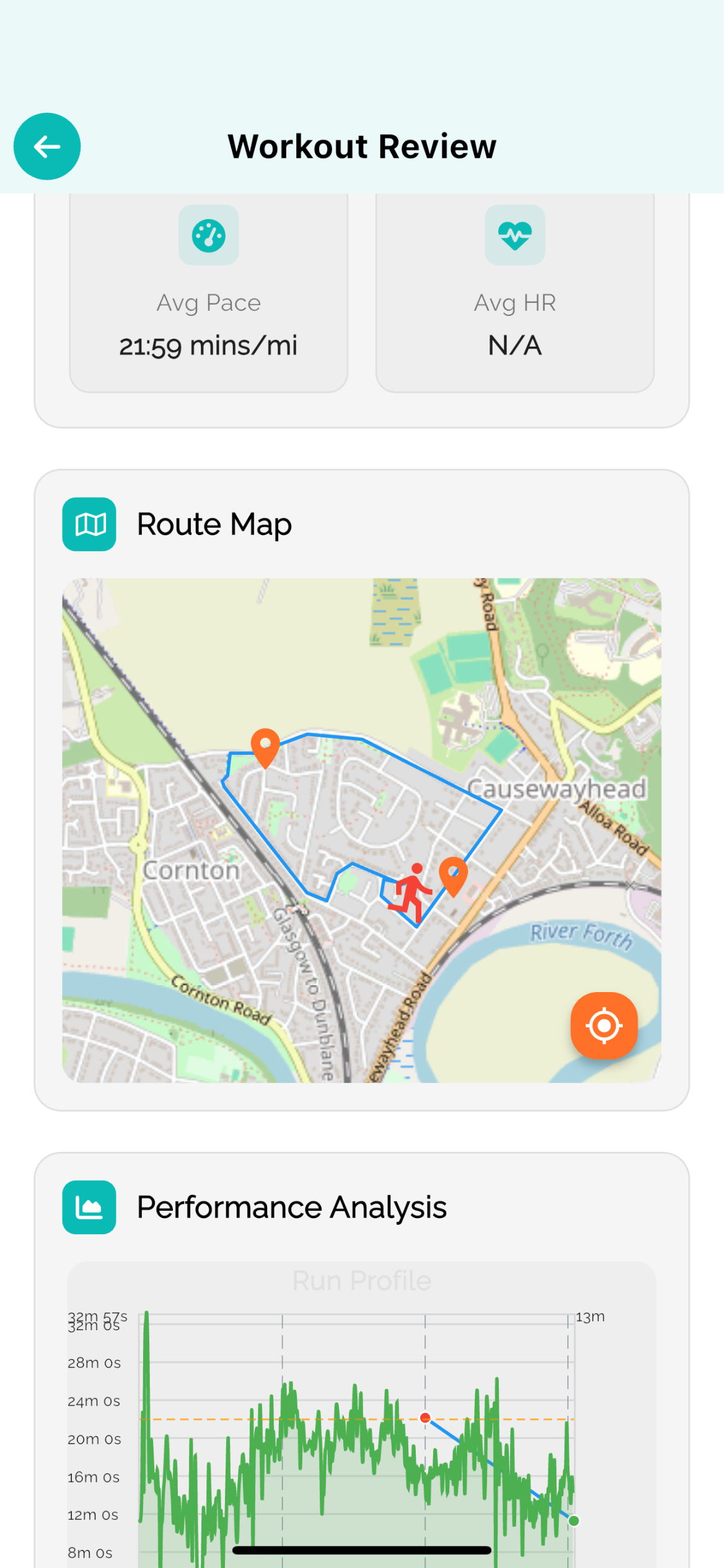
While fartlek doesn't require a watch, logging the session data—total distance, average pace, perceived effort, how you felt—reveals patterns. Over time, you'll see your recovery pace drop and your hard effort pace rise. Apps like RunV let you record unstructured efforts and compare them session to session, turning intuitive speed play into measurable progress without the rigidity of prescribed paces.
When to use fartlek in your training week
Fartlek works well once or twice a week, ideally on different days from your long run and easy runs. Use it when you're fresh but not when you're deeply fatigued. Beginners should start with one fartlek session per week; experienced runners can handle two. Always follow hard effort with a full easy day to allow recovery.
FAQ
- Do I need a GPS watch or app to do fartlek training?
- No. Fartlek's original appeal is that it requires no equipment—just landmarks and how you feel. That said, using your phone or watch to log distance and pace afterwards helps you track progress and stay consistent.
- Can beginners do fartlek training safely?
- Yes. Start with shorter hard efforts (1–2 minutes) and longer recovery periods (3 minutes easy). Warm up well, keep effort sustainable, and listen to your body. Fartlek's flexibility means you can dial intensity up or down on the fly, making it safer than rigid interval sessions.
- How often should I do fartlek instead of structured intervals?
- Once or twice per week is ideal for most runners. Use fartlek as a complement to structured work, not a replacement. Beginners benefit from one fartlek session weekly; advanced runners can handle two, mixing both approaches for the best long-term adaptation.
Train smarter
RunV turns this thinking into your plan — adaptive coaching that rebuilds after every run.
Keep reading