Training 5 min
Running AI

AI running coaches use machine learning to analyse your data, adapt workouts in real time, and personalise training in ways a static plan cannot. They process heart rate, pace, distance and recovery metrics to build a training programme that evolves with your fitness and life.
What does an AI running coach actually do?
An AI running coach collects data from your runs—pace, effort, heart rate, how you felt, sleep and stress—then uses algorithms to find patterns in your performance. It adjusts your next session based on what happened today, not what worked for a generic runner last month. The system learns whether you respond better to speed work or long runs, when you need a rest day, and which workout types prevent injury in your body.
Why use AI for training instead of a fixed plan?
- Adapts daily based on your actual recovery and life stress, not a preset calendar
- Spots fatigue and overtraining risk before injury happens
- Personalises pacing, distances and intensity to your individual response patterns
- Works across different devices and apps without losing your training history
- Provides instant feedback during runs to keep you in the right zone
How does AI decide what workout you should do today?
The coach examines recent fatigue levels, how hard you've trained this week, sleep quality, and how your body performed on similar efforts before. If you're tired but the plan says speed work, it might dial the intensity back or switch to a recovery run instead. If you've had excellent sleep and your metrics show readiness, it might push you harder than originally scheduled.
Can AI replace a human coach?
AI excels at pattern recognition and real-time adaptation but lacks nuance in conversation, injury diagnosis and motivational insight. Many runners benefit most from a hybrid approach: AI handles daily programming and micro-adjustments, while a human coach (or online community) provides accountability, form feedback and strategic guidance at key points in a training block.
What data does an AI coach need to work well?
- Consistent run data: at least 2–3 weeks of regular efforts to establish a baseline
- Heart rate or perceived effort ratings to gauge intensity and recovery
- Sleep and stress logs, ideally from wearables or manual entry
- Your own notes on how runs felt, not just the numbers
- Honest input about niggles or low-mood days that affect readiness
Common mistakes when using an AI coach
- Ignoring warnings about fatigue because the workout 'looked easy' in the plan
- Feeding it poor data—skipped runs, missing heart rate, or wildly inaccurate effort ratings
- Expecting it to work with no input; it learns from your behaviour and feedback
- Switching apps or devices frequently, which breaks the data continuity it needs to learn
- Treating it as infallible rather than a tool that still requires your good judgement
How AI coaching fits modern running training
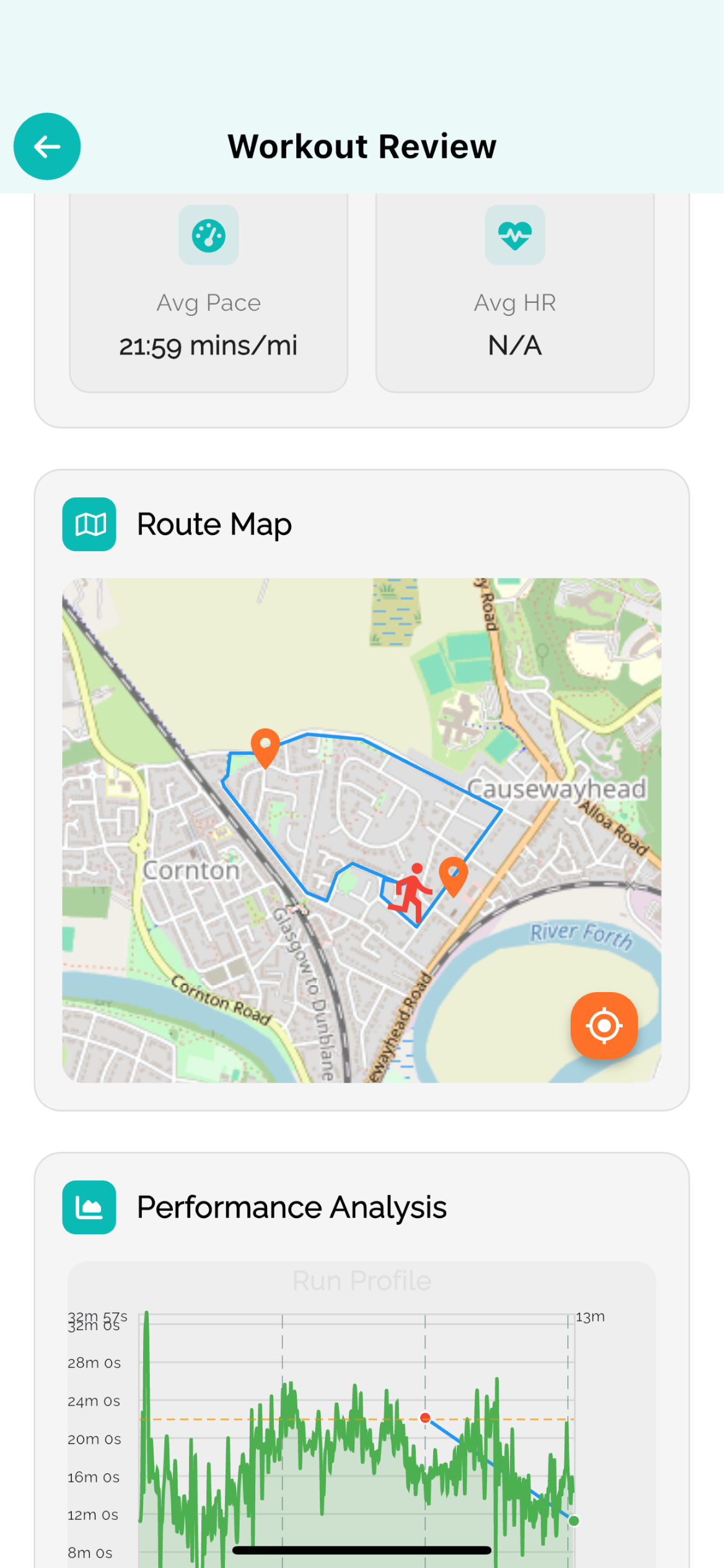
Data-driven training isn't a trend; it's now the backbone of smart running. AI coaches work best when they combine multiple data streams—GPS, wearables, your own feeling—and adjust continuously rather than following a rigid eight-week plan. This approach mirrors what RunV does: collect your real performance, recognise your unique patterns, and evolve the training week to week so it stays effective and sustainable for your life, not just your calendar.
Getting started with AI coaching
Start by logging runs consistently and honestly. Most AI systems need 3–4 weeks of data to offer meaningful guidance. Enable heart rate data if your watch supports it, record how you felt after each run, and pay attention to trends in your pace and recovery time. The more complete your input, the smarter the adaptation.
FAQ
- Is AI coaching good for beginners?
- Yes, but beginners often benefit more from simpler structure first. Use AI once you're comfortable with the basics of distance, easy runs, and a short speed session each week. Then let it optimise from there.
- Does AI coaching cost more than a human coach?
- Usually less. Most AI-powered apps cost £5–15 per month; human coaches typically charge £50–200+. Some runners invest in both for complementary benefits.
- Can AI prevent running injuries?
- It can reduce injury risk by monitoring fatigue, enforcing rest days, and spotting when volume or intensity is spiking too fast. But it cannot diagnose existing injuries or replace a physio's assessment.
Train smarter
RunV turns this thinking into your plan — adaptive coaching that rebuilds after every run.
Keep reading