Training 5 min
Running coaching software

Running coaching software is a digital tool that creates, adapts and monitors training plans based on your fitness data, effort levels and goals. It replaces one-to-one coaching with algorithms that learn from your runs, adjusting intensity and volume to optimise performance and reduce injury risk.
What does running coaching software do?
At its core, coaching software analyses your run data—pace, heart rate, distance, recovery time—and compares it against your goal. It then prescribes the next workout, adjusting difficulty if you're fatigued or pushing harder if you're ready. The best platforms also factor in external stressors like sleep and life stress, not just running metrics alone.
Key features to look for
- Adaptive training plans that shift workouts based on actual performance, not pre-set calendars
- Real-time feedback during runs: pace guidance, cadence cues, or heart-rate zones
- Recovery tracking and injury-prevention alerts
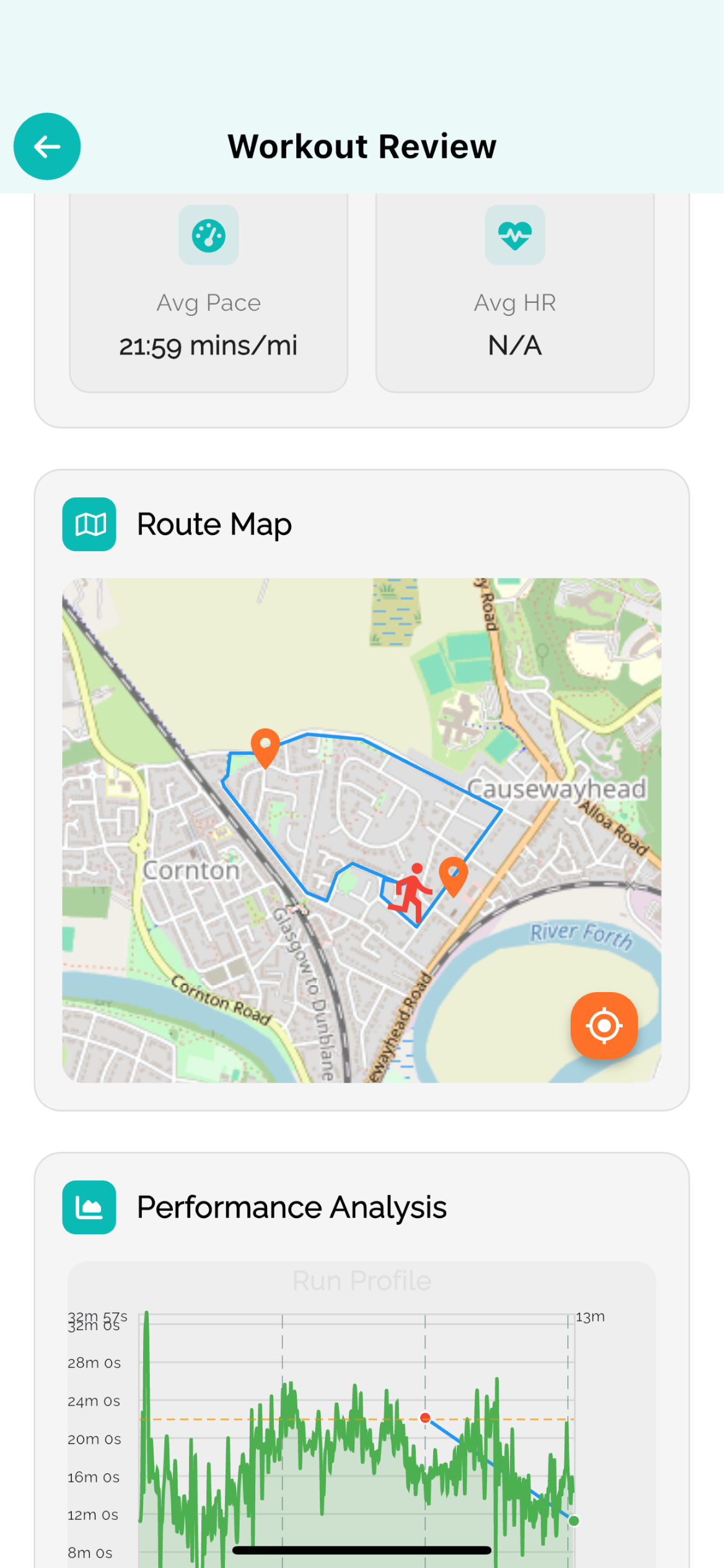
- Progress analytics: weekly volume, intensity distribution, peak pace trends
- Integration with wearables: Garmin, Apple Watch, Polar, Strava
Who benefits most from coaching software?
Runners training for a specific goal—a 5K PB, marathon finish, or half-marathon time target—gain the most from structured, responsive guidance. Solo runners without access to a coach, and those juggling inconsistent schedules, find that software adapts better than rigid 16-week plans. Experienced runners also use it to fine-tune pacing and volume, while beginners appreciate simplified cue cards and form tips.
How does it differ from a generic training app?
A standard app might offer preset plans (couch to 5K, marathon prep). Coaching software goes further: it monitors your actual fitness level session by session and rewrites your plan week by week. If you miss a run or nail a speed session, the algorithm responds. That responsiveness is what distinguishes true coaching from a one-size-fits-all blueprint.
Common pitfalls to avoid
- Relying solely on software without listening to your body; always override if pain signals emerge
- Ignoring rest days or easy-run suggestions in favour of harder efforts
- Trusting data from a poorly calibrated watch or incomplete run records
- Switching platforms mid-training; consistency in data collection matters
How to choose the right platform
Start by clarifying your goal and training history. Beginners benefit from clear explanations and simple interfaces. Experienced runners want detailed analytics and the freedom to edit workouts. Check integration options with your watch, read independent reviews rather than marketing claims, and trial the free version first. Pricing usually runs £5–15 monthly; some platforms charge per plan instead.
The role of adaptive data-driven coaching
Modern coaching software thrives on continuous feedback loops: each run feeds the algorithm, which recalibrates strain and readiness for the next session. This mirrors how a human coach observes you across weeks and adjusts on the fly. The best software does this without adding friction—it works quietly in the background, learning your patterns and nudging intensity up or down when the data warrants it. That marriage of rigour and responsiveness is where structured training and sustainable progress converge.
FAQ
- Can coaching software replace a human coach?
- For most runners, yes—software handles plan design, adaptation and pacing cues well. However, it cannot watch your form, spot compensation patterns, or provide emotional support during hard periods. Some runners hybrid: use software for the plan, occasional coach check-ins for form.
- What data does coaching software need to work?
- At minimum: distance, time and perceived effort per run. Heart-rate data, sleep, stress and weight make recommendations smarter, but are optional. More data = better personalisation, so sync your watch and be honest about recovery quality.
- Is coaching software suitable for beginners?
- Yes, provided it offers beginner-friendly plans with accessible paces and clear explanations. Look for software that emphasises easy running and gradual build-up. Avoid platforms designed purely for competitive runners if you're new to running.
Train smarter
RunV turns this thinking into your plan — adaptive coaching that rebuilds after every run.
Keep reading