Coaching 5 min
Signs you are overtraining and what to do

Overtraining happens when training stress exceeds your ability to recover, leading to fatigue, injury and declining performance. The key signs include persistent tiredness, mood changes, elevated resting heart rate and recurrent minor injuries. Recovery and training load adjustment are your most effective tools to reverse it.
What is overtraining syndrome?
Overtraining syndrome (OTS) is a state of prolonged underperformance caused by accumulated training stress without adequate recovery. Unlike acute fatigue, which improves with rest, OTS can persist for weeks or months and affects your physical and mental wellbeing. It develops gradually, often because runners push harder when they should pull back.
Physical signs of overtraining
- Persistent fatigue that doesn't improve with one night's sleep
- Elevated resting heart rate (5–10 bpm higher than your normal baseline)
- Slow recovery from easy runs or feeling heavy-legged for hours after training
- Recurring minor injuries or muscle soreness that lingers
- Decreased performance despite increased training volume
- Frequent colds, infections or prolonged illness
Mental and emotional warning signs
Overtraining affects mood and motivation as much as your legs. Watch for loss of enjoyment in running, mood swings, irritability, or a sense of dread before workouts. Some runners report brain fog, poor concentration or anxiety. These signals often appear before physical breakdown.
How to check your resting heart rate
- Measure your pulse first thing in the morning, before getting out of bed
- Count beats for 60 seconds, or count for 15 seconds and multiply by 4
- Do this over 3–5 consecutive days to establish your normal baseline
- A sustained rise of 5–10 bpm suggests overtraining or illness
Immediate steps to recover
- Take 3–5 days of complete rest or very easy walking only
- Reduce training volume by 40–50% for the next 1–2 weeks
- Prioritise sleep: aim for 8–9 hours per night
- Eat well, hydrate properly and avoid calorie restriction
- Address any underlying illness or infection before returning to training
How to prevent overtraining
Prevention is simpler than recovery. Build easy days into every week—they should make up 80% of your running. Increase weekly mileage by no more than 10% per week. Listen to your body: if something feels persistently wrong, rest. Track how you feel, not just numbers.
The role of training data in catching overtraining early
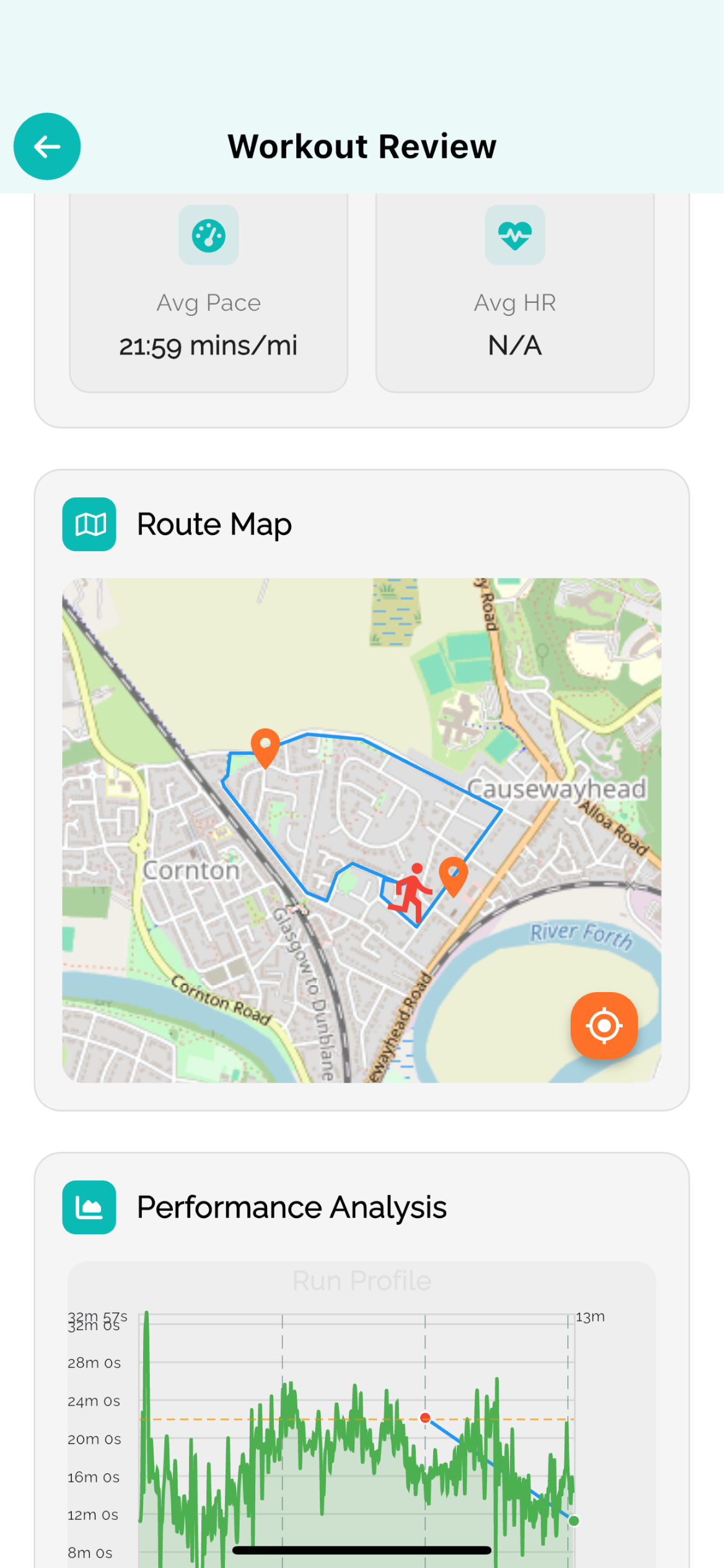
Modern coaching uses objective markers—resting heart rate trends, heart rate variability, sleep patterns and session ratings—to flag overtraining before symptoms become severe. Apps like RunV let you log how you felt before and after each run, creating a pattern that coaches can spot. This data-driven approach helps you train hard when you're fresh and back off when warning signs emerge, removing guesswork from the recovery equation.
When to seek professional help
If fatigue persists beyond 2–3 weeks of reduced training, consult your GP to rule out underlying infection or other medical issues. A running coach or sports physiotherapist can assess your training history and design a safe return to training. Don't ignore prolonged symptoms.
FAQ
- How long does it take to recover from overtraining?
- Recovery varies widely. Mild overtraining may resolve in 1–2 weeks with rest and reduced load. True overtraining syndrome can take 4–12 weeks or longer. The longer you've been overtraining, the longer recovery usually takes. Patience and consistency with the recovery plan are essential.
- Can I still run while recovering from overtraining?
- Yes, but carefully. After 3–5 days of complete rest, introduce very easy, short runs (20–30 minutes) at a conversational pace if you feel ready. Stop immediately if fatigue worsens. Most runners benefit from 1–2 weeks of substantially reduced volume before gradually returning to normal training.
- Is overtraining the same as overuse injury?
- Not exactly. Overtraining syndrome affects your whole system—energy, mood, immunity and general performance. Overuse injury is localised damage to a specific tissue (tendon, muscle, joint) from repeated stress. You can have one without the other, but overtraining increases your risk of injury because your body's ability to handle load is compromised.
Train smarter
RunV turns this thinking into your plan — adaptive coaching that rebuilds after every run.
Keep reading