Training 5 min
Training plan that adjusts when you miss a long run

When you miss a long run, the best approach is to adjust your plan forward rather than try to catch up, then rebuild gradually over the next two weeks. A flexible training structure lets you maintain fitness without injury risk or psychological pressure.
Why skipping a long run isn't catastrophic
One missed long run will not undo your aerobic base or lose you significant fitness. Your body retains endurance adaptations for weeks. The real risk is panic—rushing to cram distance into the next week, which raises injury risk and fatigue. Accept the miss, adjust your plan, and move forward.
How to adjust your week after missing a long run
- Do not double the distance next week—this is the most common mistake
- Keep next week's long run at, or slightly below, its planned distance instead
- If you missed a 12-miler, aim for 11–12 miles the following week, not 12 plus make-up
- Reduce mid-week mileage slightly that week to manage total load
What to do instead of the missed run
Use the time slot for a shorter, steady-state run or cross-training. A 6–8 mile run at easy pace keeps your aerobic system engaged without the fatigue debt. Swimming, cycling, or strength work are valid alternatives if you're fatigued or need active recovery.
Rebuild your long run over two weeks
- Week 1 after miss: run 1–2 miles less than you normally would at that point
- Week 2: return to your original plan or add 1 mile if feeling strong
- Week 3: resume standard progression
- Avoid aggressive jump in distance; let adaptation happen gradually
When to skip rather than push through
Illness, serious fatigue, acute injury, or life stress are valid reasons to miss. Identify the cause before you reschedule. If you're ill, wait until you're fully recovered before running hard. If it's fatigue, a rest day or easy week often prevents bigger problems.
Tracking adjustments and patterns
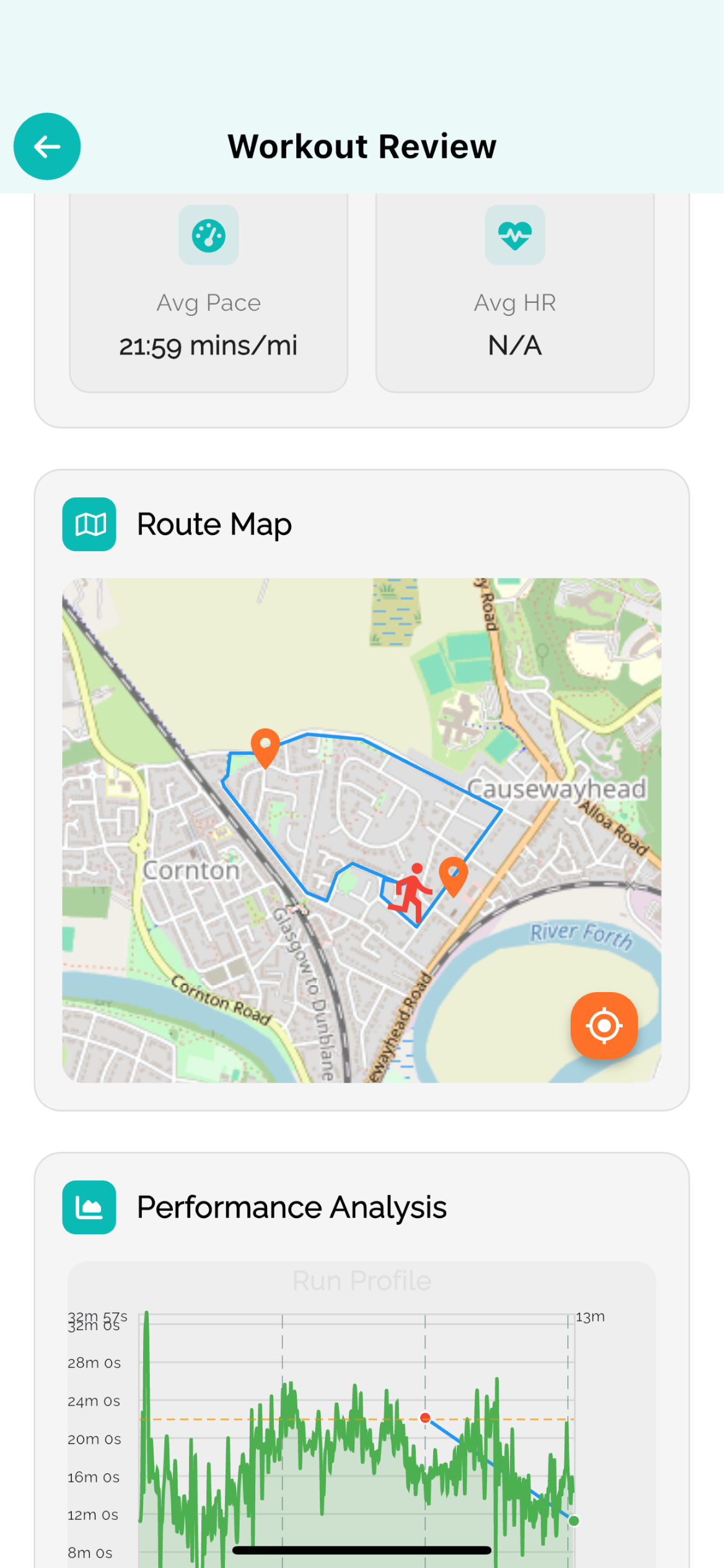
Adaptive training apps log your actual performance against planned sessions, then rescale future workouts to match your real capacity and schedule. This removes guesswork—you see which missed runs cluster around certain life events, and your plan shifts accordingly. Rather than a rigid 16-week blueprint, a responsive system learns your rhythm and nudges you back on track without overload.
Build a realistic long run schedule
- Space long runs about a week apart to allow recovery
- Don't schedule back-to-back hard efforts
- Plan a cutback week every 3–4 weeks of build
- Flag high-stress weeks in your calendar and ease the plan before they arrive
FAQ
- Will I lose fitness if I miss one long run?
- No. Aerobic fitness adapts over weeks and months. A single missed session has minimal impact on your base. The key is avoiding reactive overtraining in the week that follows.
- Should I add the missed miles to my next run?
- Not as a lump sum. Run your planned long run the following week, or a mile or two shorter, then return to normal progression. Doubling up distance invites injury and burnout.
- What if I miss two or three long runs in a row?
- Reassess your plan's realism. If life or fatigue is preventing consistency, extend your training cycle, reduce weekly mileage, or drop a race date. Chasing an unachievable plan causes injury or illness.
Train smarter
RunV turns this thinking into your plan — adaptive coaching that rebuilds after every run.
Keep reading