Training 6 min
Training plan to break 25 minutes for 5k

Breaking 25 minutes for 5k requires 12 weeks of focused training built around tempo runs, interval work, and a disciplined long run. Your current fitness level, weekly mileage, and consistency will determine success more than any single session.
Who should follow this plan?
This plan suits runners who already complete 20–30 km per week and can run 5k in 26–27 minutes. If you're slower, build base fitness first with easy runs and a long run before attempting these workouts. If you're faster, you're closer than you think.
Weekly structure for the 12-week block
- Monday: easy 5–8 km
- Tuesday: speed work (intervals or tempo)
- Wednesday: easy 4–6 km
- Thursday: threshold run or short repeats
- Friday: rest or very easy 3–4 km
- Saturday: long run (building to 14–16 km)
- Sunday: rest or optional easy 3 km
Key speed sessions to build 5k pace
Your target 5k pace is just under 5:00 per km. Train at slightly faster paces during intervals to create a buffer. Weeks 1–4 introduce the sessions at conversational effort; weeks 5–8 increase volume and intensity; weeks 9–12 sharpen with shorter, faster repeats.
- 8–10 × 600 m at 4:40–4:45 pace with 90 seconds recovery
- 3 × 8 minutes at threshold (5:15–5:25 pace) with 2 minutes easy between
- 10–12 × 400 m at 4:30–4:35 pace with 60 seconds recovery
- 2 × 10 minutes at tempo (5:20 pace) with 3 minutes easy in between
The long run: aerobic engine builder
Increase your Saturday long run by 1 km every second week, reaching 15–16 km by week 10. Run at conversational pace (roughly 6:00–6:30 per km). This builds aerobic capacity and glycogen tolerance, letting you sustain sub-5:00 pace for the full 5k without fading in the final kilometre.
Recovery and consistency matter more than heroics
Two hard sessions per week is enough; more risks injury. Easy runs should feel genuinely easy—no faster than 5:45 per km. One complete rest day per week is non-negotiable. Soreness or fatigue signals that you need an extra easy day; skipping it won't make you faster.
Pacing strategy for race day
- Start conservatively at around 5:00 pace; let the adrenaline carry you after 2 km
- Aim to run the middle 1 km (km 2–3) at goal pace or slightly faster
- The final kilometre is a hard effort; if you're still strong, use it to chase sub-25
Adaptive training and data-driven adjustments
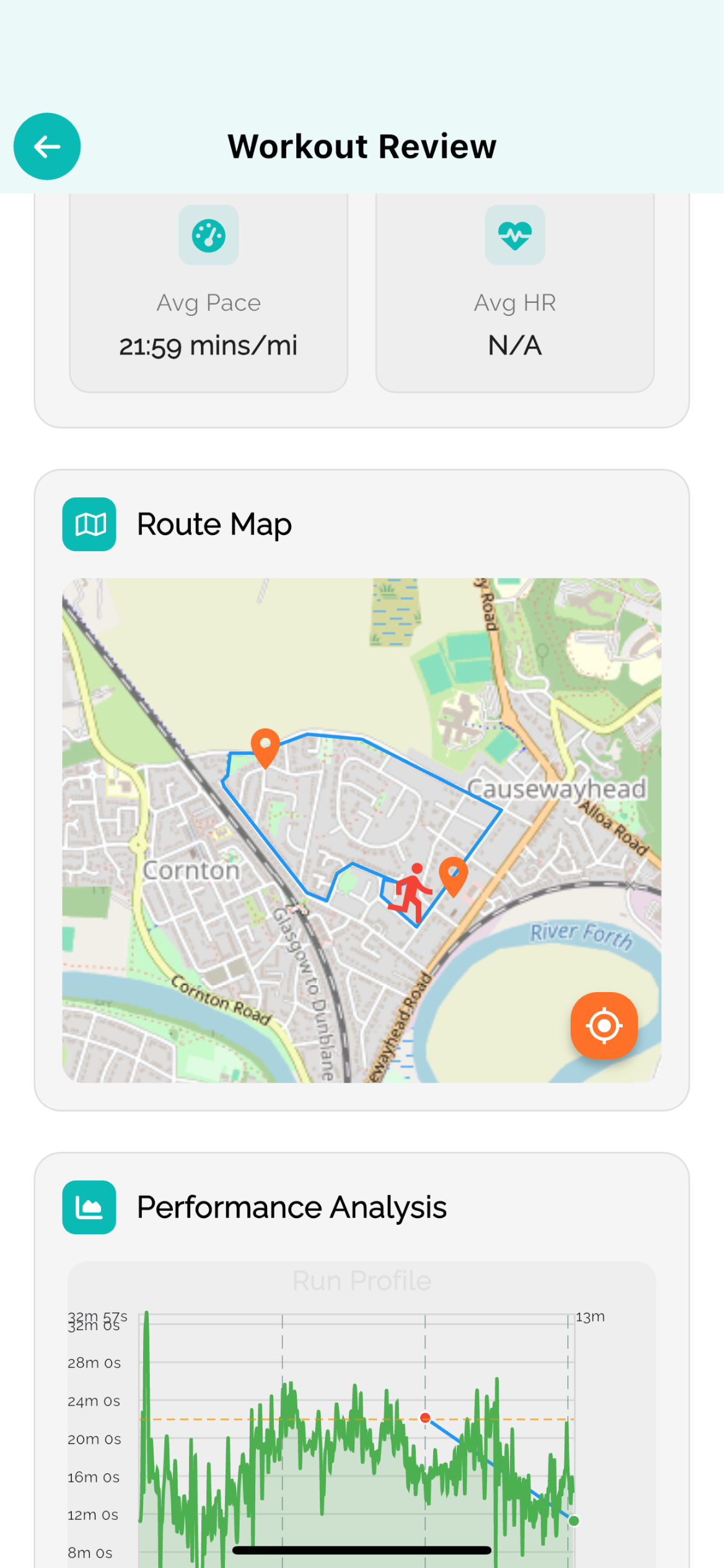
Real progress comes from tracking how your body responds to these sessions week to week. Apps like RunV use your actual split times, heart rate trends, and recovery data to flag whether you're on pace or need an extra easy week. If Thursday repeats feel sluggish, it often signals fatigue from Tuesday's work—adjusting intensity or adding rest prevents burnout and keeps you progressing toward that 25-minute target.
Dos and don'ts in the final weeks
- Do taper the 10 days before your race: cut volume by 40–50%, keep one short speed session
- Don't attempt a new personal best in training three weeks before the race
- Don't skip warm-ups or cool-downs—they improve session quality and reduce injury risk
- Do run the race course if possible to scout hills and plan pacing
FAQ
- Can I do this plan on 4 runs per week?
- Unlikely. Most runners breaking 25 minutes need at least 5 runs weekly to handle two quality sessions plus adequate easy running. Four runs per week is too sparse for the training stress required.
- What if I get injured during the plan?
- Stop hard sessions immediately and switch to easy running or cross-training for 5–7 days. If pain persists, rest completely. A two-week setback is better than pushing through and losing three months to injury.
- How much should I improve by race day?
- If you're currently 26–27 minutes and commit fully, sub-25 is realistic. If you're 28+ minutes, this plan is ambitious; aim for a 60–90 second improvement first, then target sub-25 in your next block.
Train smarter
RunV turns this thinking into your plan — adaptive coaching that rebuilds after every run.
Keep reading