Gear & tech 5 min
What is VO2 max and should you train for it?

VO2 max is the maximum amount of oxygen your body can utilise during intense exercise, measured in millilitres per kilogramme per minute (ml/kg/min). Yes, you should train for it—but only if you're an endurance runner aiming to improve pace or race performance. For most recreational runners, it's a useful metric, not the sole focus.
How is VO2 max measured?
VO2 max is measured via laboratory testing using a treadmill or cycle ergometer while breathing into a mask connected to a gas analyser. This direct method is the gold standard. Wearables and smartwatches estimate it using heart rate data, altitude, and speed, but these estimates carry a margin of error—usually within 10 to 20 per cent of actual values.
Why does VO2 max matter for runners?
A higher VO2 max correlates with better aerobic capacity and endurance performance. It determines how efficiently your body delivers and uses oxygen during running, directly affecting your ability to sustain faster paces. For 5K and 10K racing, it's a strong predictor of performance.
- Higher VO2 max allows you to run faster at the same heart rate
- It indicates improved cardiovascular fitness
- It shows your body's aerobic engine is becoming more efficient
- It's especially relevant for tempo runs and threshold work
What types of training improve VO2 max?
VO2 max training requires high-intensity work done at or near your maximum aerobic capacity. The most effective methods are repeated intervals at 85–95 per cent of your maximum heart rate.
- Interval training: 3–5 minute repeats at 90–95% max HR, with equal recovery
- Tempo runs: 20–40 minutes at 80–90% max HR
- Hill repeats: Short, steep climbs at near-maximal effort
- Fartlek sessions: Unstructured speed play mixing hard and easy efforts
How often should you train VO2 max?
Once or twice weekly is sufficient for most runners. More frequent high-intensity work increases injury risk and doesn't yield proportional gains. Most runners benefit from one dedicated VO2 max session per week, paired with easy runs and a long run.
Is VO2 max training right for every runner?
No. Beginners should build aerobic base first through easy running before introducing VO2 max intervals. Injury-prone runners or those in base-building phases should prioritise consistency and durability over intensity. However, once you've established a solid foundation—typically after 6–12 months of regular training—VO2 max work becomes valuable for performance gains.
VO2 max and smart training
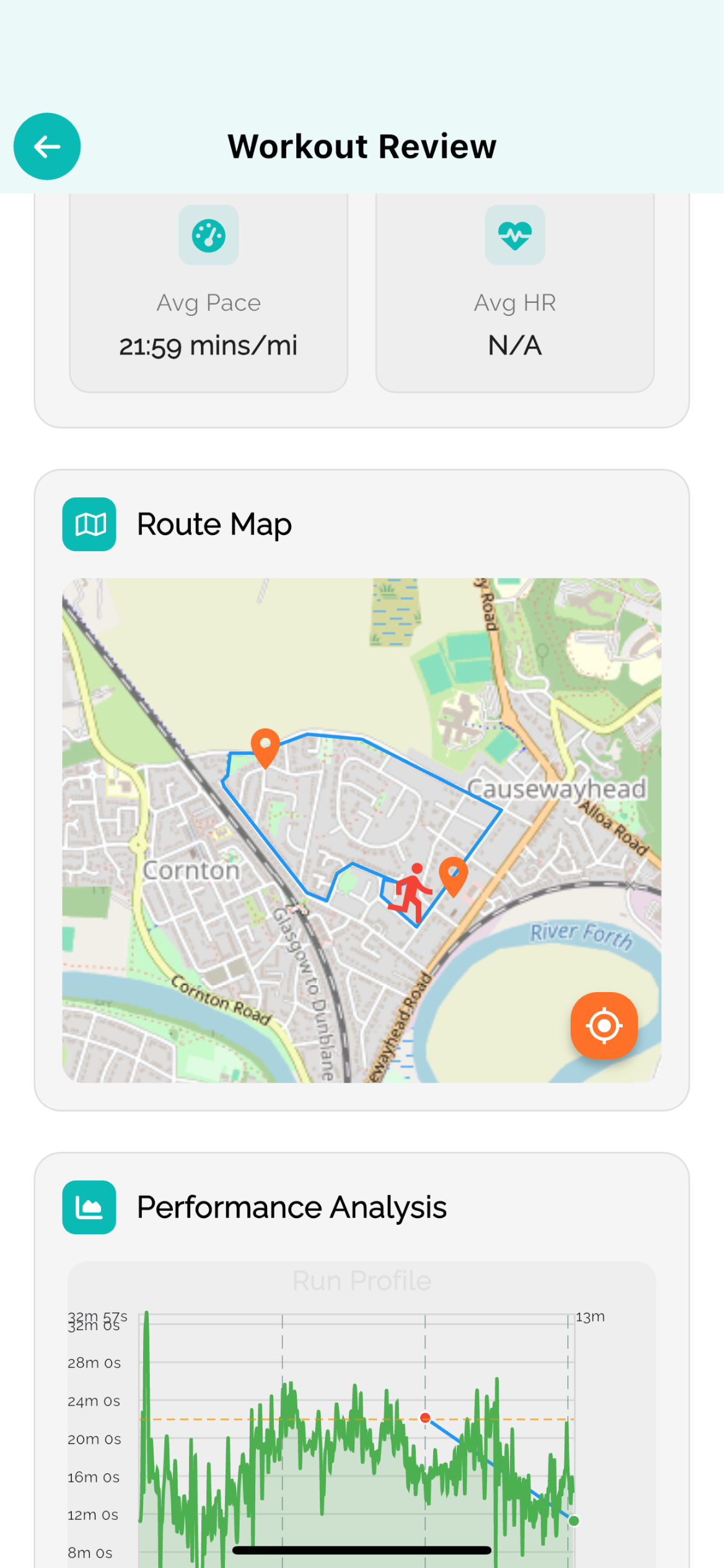
Monitoring VO2 max data through wearables or periodical testing helps you track fitness trends and adjust training zones. RunV-style adaptive coaching uses baseline metrics like VO2 max alongside your actual performance data—pace, heart rate variability, recovery—to prescribe the right stimulus at the right time. Rather than blindly chasing a number, data-driven apps calibrate your training to what your body actually needs, balancing intensity with durability over months and seasons.
FAQ
- What's a good VO2 max for a runner?
- It varies by age and sex. Adult men typically range 35–50 ml/kg/min; women 27–45 ml/kg/min. Competitive distance runners often exceed 60 ml/kg/min. Your baseline matters more than an absolute number—focus on improving yours.
- Can you improve VO2 max after age 40?
- Yes, absolutely. High-intensity interval training remains effective for VO2 max gains at any age, though recovery may take longer. Consistency and patience matter more than at younger ages.
- Do I need lab testing or can my smartwatch estimate be enough?
- A smartwatch estimate is useful for tracking trends over time but carries error margins. Lab testing is more accurate and valuable if you're serious about racing or targeting specific training zones; otherwise, consistency with wearable estimates works fine.
Train smarter
RunV turns this thinking into your plan — adaptive coaching that rebuilds after every run.
Keep reading