Training 6 min
What is zone 2 running and does it actually work

Zone 2 running is continuous, low-intensity exercise performed at 60–70% of your maximum heart rate, where you can hold a conversation but feel mild effort. Yes, it works—decades of endurance training research confirm that consistent zone 2 work builds aerobic capacity, improves fat metabolism, and forms the foundation for faster racing.
What exactly is zone 2 running?
Zone 2 is the aerobic intensity band where your body relies primarily on fat and aerobic energy systems rather than anaerobic glycolysis. Physiologically, it sits below your lactate threshold (often called zone 3 or tempo pace) and requires minimal lactate accumulation. Most runners find it feels sustainable—you're warm and focused, but breathing steadily.
Heart rate is one marker, but it varies by fitness, age, and individual genetics. A more reliable method is the talk test: you can speak in full sentences without gasping. Some coaches use pace-based thresholds or power meters for precision, but these require prior testing.
How do you identify your zone 2 effort level?
- Use the talk test: speak in full sentences comfortably without breathlessness
- Get a baseline lactate threshold test or ramp test to estimate zones
- Monitor perceived exertion: mild, sustainable, not fast
- Track heart rate if you have a monitor, but don't rely on it alone
- Record your pace over several runs to spot the consistent effort band
What does zone 2 training actually do for your running?
Zone 2 running adapts your aerobic system in several ways. It increases mitochondrial density in muscle cells, improves capillary networks for oxygen delivery, and builds metabolic flexibility—your ability to burn fat efficiently at race pace. Over weeks, you'll notice longer runs feel easier and your easy runs have naturally faster pace.
It also accumulates training volume without excessive recovery demand. Most elite endurance athletes spend around 80% of training time at low intensity (zones 1–2) because it delivers adaptations while preserving energy for harder sessions and racing.
Does zone 2 running improve race performance?
Yes, but indirectly. Zone 2 doesn't build speed or VO₂ max on its own; those require harder efforts. What zone 2 does is raise your aerobic ceiling and improve efficiency, meaning your threshold pace, tempo pace, and race pace all feel easier. This lets you race faster with the same effort, or maintain speed longer on race day.
The evidence is strongest for half-marathon and marathon runners. Sprint runners and 5K specialists still need zone 2, but they'll spend relatively more time in zones 3–5. The longer your goal race, the more zone 2 work matters.
How often should you do zone 2 runs?
- For most runners: 3–4 zone 2 runs per week
- Pair with 1–2 harder sessions (tempo, intervals, hill reps) per week
- Include 1 long run, usually in zone 2 for endurance builds
- Rest days or very easy recovery runs complete the week
Common mistakes when doing zone 2 training
- Running too fast: zone 2 is harder to do correctly than it sounds; most runners go too quick
- Skipping harder sessions: zone 2 alone won't unlock speed or racing fitness
- Ignoring consistency: one zone 2 run won't change anything; weeks of regular effort do
- Forgetting to progress: gradually extend long run distance every 2–3 weeks to keep stimulating adaptation
Zone 2 and data-driven coaching
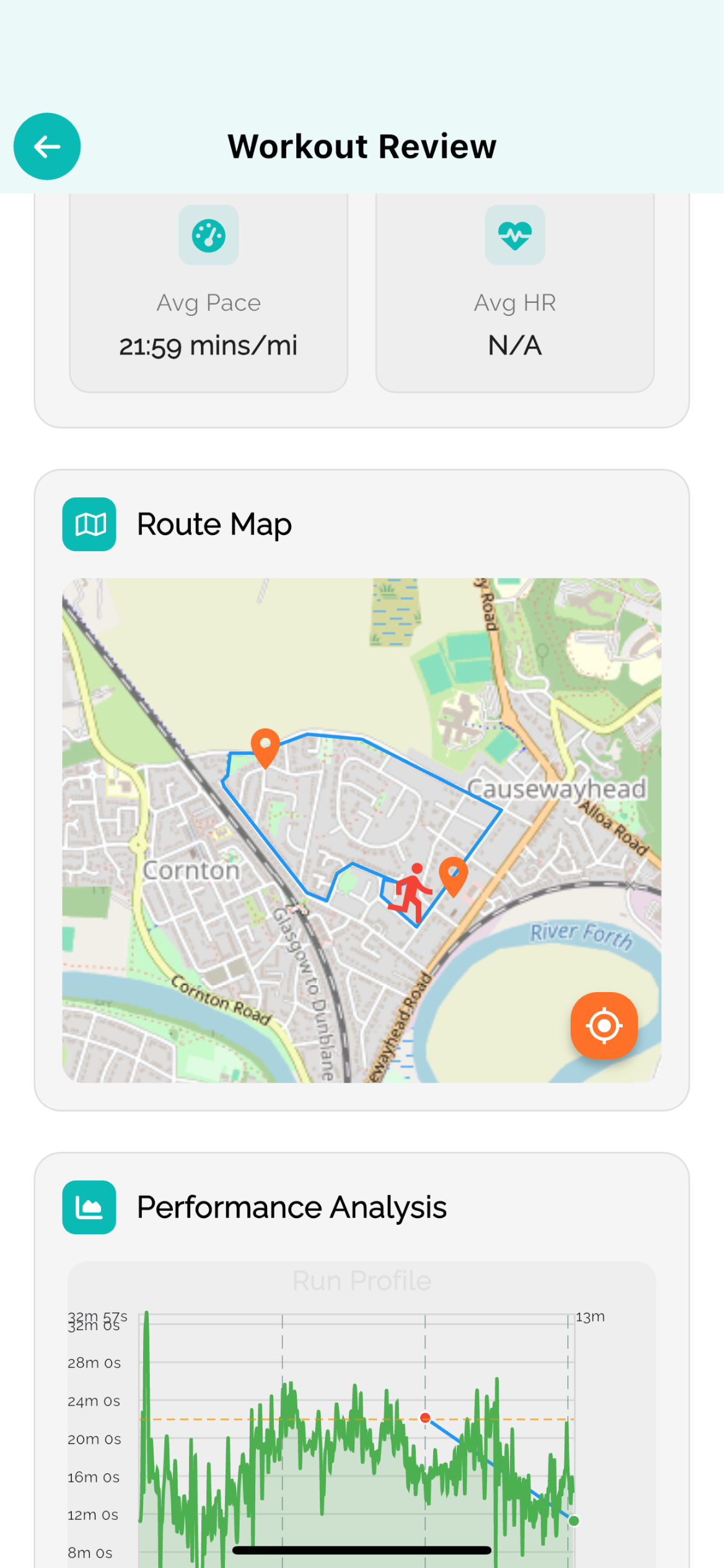
Effective zone 2 training relies on honest, consistent data. Apps like RunV track your effort levels across runs and identify patterns—whether you're actually staying in zone 2, how long it takes you to recover, and when your pace naturally improves. Over time, this data shows whether zone 2 work is raising your aerobic fitness or whether you need to adjust volume or add harder sessions. The best coaches use real-run data, not guesswork, to refine each runner's zone 2 balance and unlock genuine race-day gains.
FAQ
- Can I do zone 2 running every day?
- Most runners can do zone 2 daily if intensity is genuinely easy, but you'll still need at least one complete rest day per week. However, mixing zone 2 with harder efforts (once or twice weekly) and true recovery runs produces better adaptation than zone 2 alone.
- What's the difference between zone 2 and easy running?
- They're often the same thing. Zone 2 is the upper end of easy; true easy pace can sit in zones 1–2. The key is that easy and zone 2 both avoid anaerobic effort and allow conversation. If you're doing long runs or recovery runs, staying in zone 2 (or below) is ideal.
- How long before zone 2 training shows results?
- You'll notice easier effort within 2–3 weeks, but meaningful aerobic adaptations take 6–8 weeks of consistent zone 2 work. Race-day benefits become obvious over 12–16 weeks when combined with structured harder sessions.
Train smarter
RunV turns this thinking into your plan — adaptive coaching that rebuilds after every run.
Keep reading