

How to Build Endurance: 7 Proven, Powerful Beginner Tips
If you want to run farther without feeling like your lungs are on fire, you’re in the right place. Learning how to Build Endurance: Proven, Powerful ways is less about superhuman talent and more about smart, consistent training. Whether you’re eyeing your first 5K, chasing a half marathon, or simply trying to finish your usual loop without walk breaks, endurance is the foundation that makes everything else feel easier.
This guide breaks down seven beginner-friendly strategies that actually work, plus how to use gear and tech—GPS watches, adaptive apps, wearables—to track your progress and train smarter.
Table of Contents
- Why Endurance Matters for Every Runner
- Core Principles to Build Endurance: Proven, Powerful Foundations
- Tip 1: Start with Smart, Sustainable Mileage
- Tip 2: Use Run-Walk-Run to Build Endurance: Proven, Powerful Progression
- Tip 3: Slow Down (Way More Than You Think)
- Tip 4: Add One Weekly “Endurance Anchor” Long Run
- Tip 5: Use Strength Training to Build Endurance: Proven, Powerful Support
- Tip 6: Optimize Recovery, Nutrition, and Sleep
- Tip 7: Use Tech and Data Without Becoming a Slave to It
- Bonus: Mental Tactics That Make Long Runs Feel Shorter
- Essential Gear for Endurance Building
- Putting It All Together: Your 6-Week Endurance Blueprint
- Final Thoughts
Why Endurance Matters for Every Runner
Endurance isn’t just about racing long distances. It’s the ability to:
- Hold a steady pace without constant walk breaks.
- Finish runs feeling strong instead of completely destroyed.
- Recover faster so you can run more days per week.
- Layer speed and performance on top of a solid base.
From 5K to marathon, endurance is what lets you use your fitness on race day. Even if you’re focused on short races, building that aerobic engine will increase your pace at lower effort, meaning your “easy” gets faster over time.
Core Principles to Build Endurance: Proven, Powerful Foundations
Before diving into specific tips, it helps to understand the big-picture rules behind every solid endurance plan:
- Consistency beats hero workouts. Lots of easy, repeatable runs are better than occasional all-out efforts.
- Frequency builds habit and fitness. Three to five weekly sessions trump one or two long grinds.
- Easy means easy. Most endurance gains come from submaximal, conversational running.
- Gradual overload. You get better by doing slightly more than before, then recovering.
- Recovery is training. Adaptation happens between runs, not during them.
Keep these in mind as you apply each of the seven beginner tips below. They’re designed to help you Build Endurance: Proven, Powerful results without burning out or getting injured.
Tip 1: Start with Smart, Sustainable Mileage
Know Your True Starting Point
Endurance building fails most often because runners start from a fantasy baseline instead of reality. Your starting point is the volume you can handle for three weeks in a row without excessive soreness, fatigue, or pain.
For some, that’s 2–3 runs of 15–20 minutes. For others, it might be 10–15 miles per week. Wherever you are is fine—as long as you’re honest about it.
Apply the “No-Regret” Rule
A sustainable starting volume is one that feels like this after every run:
- You could have gone a bit farther if you had to.
- You’re not dreading your next run.
- You wake up the next day without limping.
If you’re wiped for two days after a run, you’re doing too much. Dial it back and protect consistency.
Use Gradual Mileage Progression
Once you’ve held a baseline for two to three weeks, increase total weekly volume by about 5–10% if you’re feeling good. For a very new runner, that might mean adding just 5–10 minutes per week.
If you’ve ever been burned by over-ambitious mileage, it’s worth reading about running mileage progression mistakes to understand the most common traps and how they sabotage long-term endurance.
Tip 2: Use Run-Walk-Run to Build Endurance: Proven, Powerful Progression
Why Run-Walk Works So Well
The run-walk method isn’t a “beginner crutch.” It’s a proven strategy for:
- Spending more total time on your feet with lower stress.
- Letting your cardiovascular system work while giving your joints short breaks.
- Maintaining form and preventing late-run “shuffle” mechanics.
It’s one of the most reliable ways to Build Endurance: Proven, Powerful progress without overloading your body early on.
Sample Run-Walk Ratios for Beginners
Choose a ratio where your running portion feels controlled and your walk breaks prevent heavy breathing. For example:
- Very new runners: 30s run / 60–90s walk
- New but active: 1 min run / 1–2 min walk
- Advancing: 2–3 min run / 1–2 min walk
Repeat for 20–30 minutes. As your endurance grows, increase the run time or decrease walk time, but only adjust one variable at a time.
Progression Over Several Weeks
Use a simple progression like this (3 runs per week):
- Week 1: 1 min run / 2 min walk, 8–10 cycles.
- Week 2: 2 min run / 2 min walk, 7–9 cycles.
- Week 3: 3 min run / 2 min walk, 6–8 cycles.
- Week 4: 4 min run / 1–2 min walk, 6–7 cycles.
This structure scales nicely into a dedicated 5K training plan for an amazing 7-week proven finish if your goal is to complete your first race feeling strong rather than surviving.
Tip 3: Slow Down (Way More Than You Think)
The Mistake: Every Run Becomes a Race
Most beginners run their “easy” runs at something like 80–90% effort because they equate breathing hard with progress. The problem: endurance is built most effectively at low to moderate intensity.
Running too hard too often leads to plateaus, burnout, and injuries. To Build Endurance: Proven, Powerful adaptation, you want most runs to feel almost too easy.
The Talk Test
Put data aside for a moment and use a simple tool:
- If you can talk in full sentences → this is endurance-building easy pace.
- If you can say only a few words → that’s moderate to hard effort.
- If you can only gasp a word or two → save that for short, rare intervals.
In the early stages, almost all your running should live in the “full sentence” zone.
Heart Rate as a Guide (Optional)
If you use a watch or chest strap, a common rule of thumb is to keep easy runs roughly in the 60–75% of max heart rate range. The exact number is less important than trends: if your pace gets faster at the same heart rate over weeks, your endurance is improving.
You don’t need perfect data to benefit, but a basic understanding of load (for example, via Garmin Training Load explained) can prevent overtraining while still pushing your endurance.
Tip 4: Add One Weekly “Endurance Anchor” Long Run
What Is an Endurance Anchor?
An “endurance anchor” is a single weekly session that’s longer than your other runs but still comfortably controlled. It’s the workout that gradually stretches your comfort zone, both physically and mentally.
For most beginners: (Long runs build endurance)
- Duration: 30–90 minutes, depending on your level.
- Intensity: Easier than your usual pace; talk-test friendly.
- Frequency: Once per week, with at least one easier day before or after.
How to Progress Your Long Run
Start with a distance or time that feels do-able, then add 5–10 minutes per week, or around 0.5–1 mile, as long as you feel good afterward.
Example progression for a new runner whose longest run is currently 20 minutes:
- Week 1: 25 minutes.
- Week 2: 30 minutes.
- Week 3: 35 minutes.
- Week 4: 40 minutes, then hold for another week before adding more.
Cutback Weeks to Stay Healthy
Every 3–4 weeks, insert a “cutback” week where long run duration drops by 20–30%. This gives your body time to adapt and sets you up for the next progression. Cutbacks are one of the most underused but powerful ways to Build Endurance: Proven, Powerful gains while staying healthy.
Tip 5: Use Strength Training to Build Endurance: Proven, Powerful Support
Why Strength Matters for Endurance
Endurance isn’t just about lungs and heart. Stronger muscles and connective tissue help you:
- Maintain good form late in a run.
- Reduce injury risk from repetitive impact.
- Produce more force with less effort, which means faster pace at the same effort.
Two short sessions per week can dramatically support your ability to Build Endurance: Proven, Powerful resilience.
Beginner-Friendly Strength Routine (20–30 Minutes)
Twice per week, try:
- Squats (bodyweight or light weights): 2–3 sets of 8–12.
- Lunges or reverse lunges: 2–3 sets of 8–10 per leg.
- Glute bridges or hip thrusts: 2–3 sets of 10–15.
- Calf raises (straight and bent knee): 2–3 sets of 12–15.
- Planks (front and side): 2–3 rounds of 20–45 seconds.
Keep the weight light to moderate at first. The goal is durability, not bodybuilder-style fatigue.
Timing Around Runs
Place strength sessions on:
- Easy run days (after the run), or
- Days between harder or longer runs.
Avoid heavy leg work the day before your long run, especially while you’re still building your base.
Tip 6: Optimize Recovery, Nutrition, and Sleep
Recovery: Where Adaptation Actually Happens
Your muscles don’t get stronger or more efficient during a run; they adapt afterward. To keep building endurance, you have to give your body enough time and resources to rebuild.
Key signs you may need more recovery:
- Persistent fatigue or heavy legs on easy days.
- Worsening pace at the same effort week over week.
- Unusual irritability or sleep disruptions.
Basic Nutrition for Endurance Building
You don’t need a perfect diet, but a few basics go a long way:
- Carbs (whole grains, fruit, starchy veg) to fuel training.
- Protein (lean meats, dairy, legumes, tofu) to rebuild muscle.
- Fats (nuts, seeds, avocado, olive oil) for hormones and satiety.
Aim to eat a balanced meal with carbs and protein within 1–2 hours after your longer or harder runs. Drinking fluids with electrolytes on hotter or longer days also supports endurance training.
Sleep: The Ultimate Performance Enhancer
Most adults function best on 7–9 hours per night. If you’re increasing mileage or adding long runs, try to protect sleep like a key part of your plan:
- Maintain a consistent bedtime and wake time.
- Limit screens 30–60 minutes before bed.
- Consider a short pre-bed routine (stretching, reading, mobility work).
The better you sleep, the easier it is to Build Endurance: Proven, Powerful improvements without feeling drained.
Tip 7: Use Tech and Data Without Becoming a Slave to It
How Technology Can Help You Build Endurance
Modern running tech can be a huge asset:
- GPS watches track pace, distance, and heart rate.
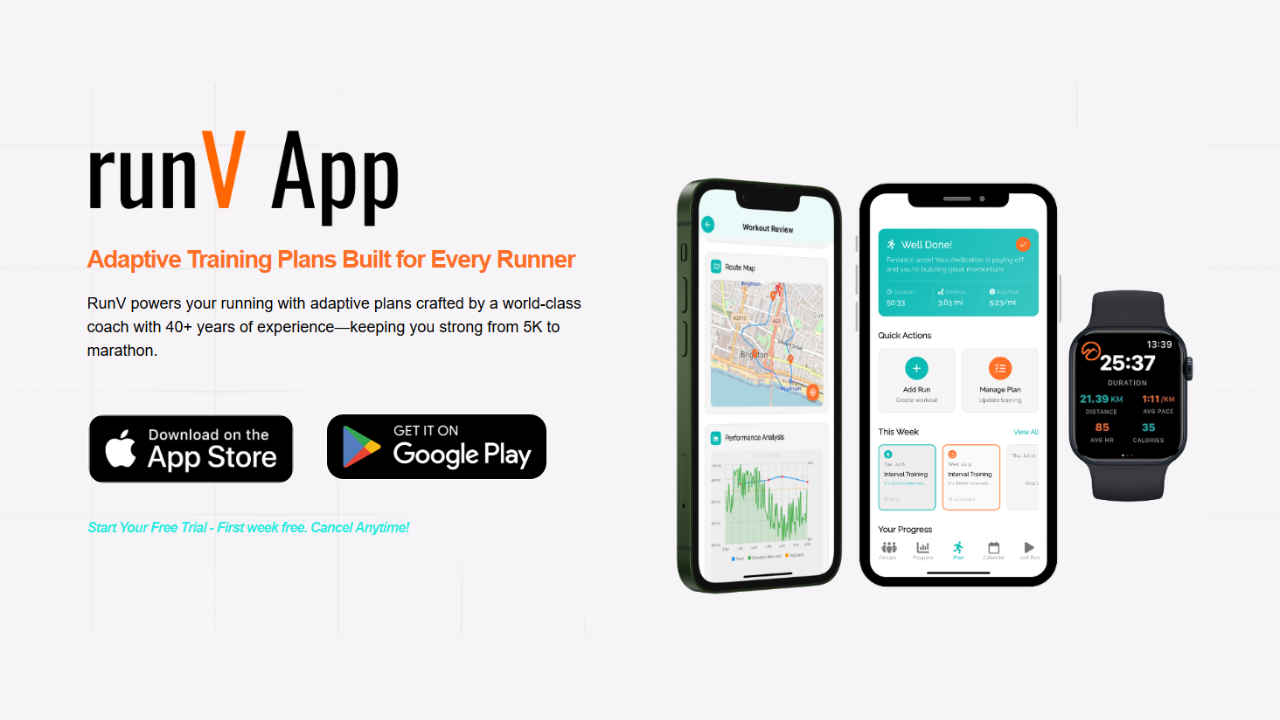
- Adaptive apps can modify your training based on performance and fatigue.
- Wearables give insights into sleep, stress, and recovery readiness.
Used wisely, tech makes it easier to Build Endurance: Proven, Powerful gains while avoiding common overtraining mistakes.
What to Track (and What to Ignore)
Early on, focus on simple metrics:
- Weekly volume (time or distance).
- Number of runs per week.
- Longest run duration.
- Easy-day pace trend (is it slowly improving?).
Avoid obsessing over single-run pace or “calories burned.” Endurance is built across weeks and months, not in one perfect session.
Emerging Gear to Watch
If you’re into gear and innovation, newer tools like adaptive apps and smarter wearables can help personalize your endurance training even more. Some devices and platforms are getting so intelligent that it’s fair to ask: are budget wearables quietly getting smarter than your watch? Understanding these tools lets you choose tech that supports your goals instead of distracting from them. (Increase running stamina)
Bonus: Mental Tactics That Make Long Runs Feel Shorter
The Mental Side of Endurance
Physical endurance and mental endurance are tightly linked. If your mind checks out early, your body rarely reaches its potential. Building mental resilience will help you:
- Stay calm when runs feel long or tough.
- Push through mild discomfort safely.
- Stick to your plan on days you’re tempted to skip.
Chunking: Break the Run into Pieces
Instead of focusing on “I have to run 60 minutes,” break your run into manageable segments:
- Think in 5–10 minute blocks.
- Use landmarks: “Run to the next light, then the next park.”
- Mentally reset at each chunk instead of obsessing over the total.
This strategy is especially powerful on long runs and race days.
Build Mental Toughness Intentionally
You can train mental skills the same way you train your legs. Techniques like controlled self-talk, visualization, and pre-run routines all support endurance when the going gets tough. For a deeper dive into this, check out how to build mental toughness: 7 powerful proven secrets and layer those tactics into your weekly training.
Essential Gear for Endurance Building
Running Shoes: Your Primary Tool
When your goal is to Build Endurance: Proven, Powerful improvements, your shoes become critical. Look for:
- Comfort first. No hot spots or pinching.
- Enough cushioning for your preferred surfaces and distances.
- A secure heel and midfoot with room for toes to move.
Replace shoes roughly every 300–500 miles, or when you notice new aches that appear only in one pair.
Clothing and Accessories
For longer runs, comfort and temperature control matter:
- Technical, moisture-wicking shirts and socks.
- Weather-appropriate layers (light jackets, gloves, hats).
- A simple running belt or pack for keys, phone, gels, or water.
Comfortable gear lowers friction—literally and figuratively—so you’re more likely to stay consistent.
Tech and Apps
To track and structure endurance training:
- A basic GPS watch or running app for distance and pace.
- Heart rate monitoring if you want more precision.
- Adaptive planning or AI-powered tools for customized schedules.
As you get more serious, it can be worth investigating how adaptive running apps deliver powerful, proven gains compared to static plans. Dynamic adjustments can help keep your endurance moves aligned with your real-life fatigue and schedule.
Putting It All Together: Your 6-Week Endurance Blueprint
Here’s how you can combine all seven tips into a practical framework. Adapt minutes or distances to your current level.
Weeks 1–2: Establish a Base and Routine
- Frequency: 3 runs per week.
- Structure:
- Run A: 20–25 minutes run-walk at conversational effort.
- Run B: 20–25 minutes easy, possibly more walking if needed.
- Run C (Endurance Anchor): 25–30 minutes total, easy run-walk.
- Strength: 1–2 sessions of 20 minutes, basic exercises.
Focus on keeping everything easier than you think you “should.” The goal is simply to be consistent.
Weeks 3–4: Gradually Increase Duration
- Frequency: 3–4 runs per week.
- Structure:
- Run A: 25–30 minutes run-walk with slightly longer run segments.
- Run B: 25–30 minutes steady easy run.
- Run C: Optional short easy jog (15–20 minutes).
- Run D (Endurance Anchor): 35–40 minutes easy.
- Strength: Maintain 2 short sessions.
Apply the 5–10% rule to your weekly total. Insert walk breaks any time your breathing becomes strained.
Week 5: Consolidate and Cut Back Slightly
- Frequency: 3 runs per week.
- Structure:
- Run A: 25–30 minutes easy.
- Run B: 20–25 minutes easy.
- Run C (Endurance Anchor): Drop to 30–35 minutes.
- Strength: 1–2 sessions, moderate effort.
This is your “cutback” week to let your body adapt and reset before the next push.
Week 6: Push the Endurance Anchor
- Frequency: 3–4 runs per week.
- Structure:
- Run A: 30 minutes easy.
- Run B: 25–30 minutes easy.
- Run C: Optional 20-minute easy jog or cross-training.
- Run D (Endurance Anchor): 40–45 minutes easy.
By now, you should notice measurable improvements: lower effort at similar paces, longer distances feeling manageable, and faster recovery after runs.
If your goal is to transition from this base toward structured race preparation, resources like how to progress from beginner to intermediate running can help you map out the next steps, including speed work and more advanced workouts.
Final Thoughts
Endurance isn’t a mysterious talent; it’s a skill you build step by step. When you:
- Choose realistic starting mileage.
- Use run-walk intelligently.
- Keep most runs genuinely easy.
- Anchor your week with one slightly longer effort.
- Support everything with strength, recovery, and smart tech.
…you’ll steadily Build Endurance: Proven, Powerful improvements that make every run feel more controlled and enjoyable.
Think in months, not days. Stay patient, respect your body’s signals, and let consistency do its work. The fitness you build now will support every 5K, 10K, or marathon dream you chase in the future.